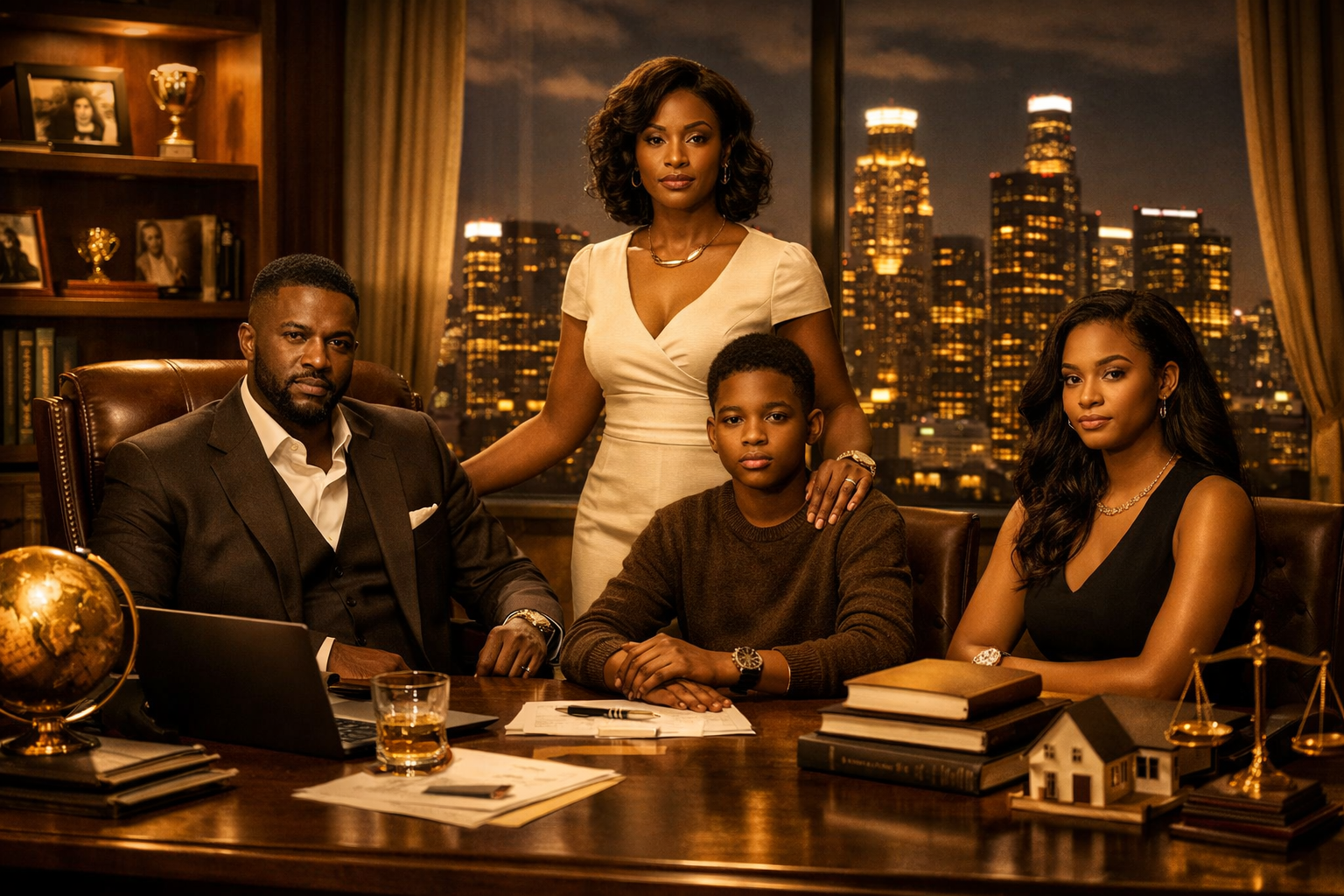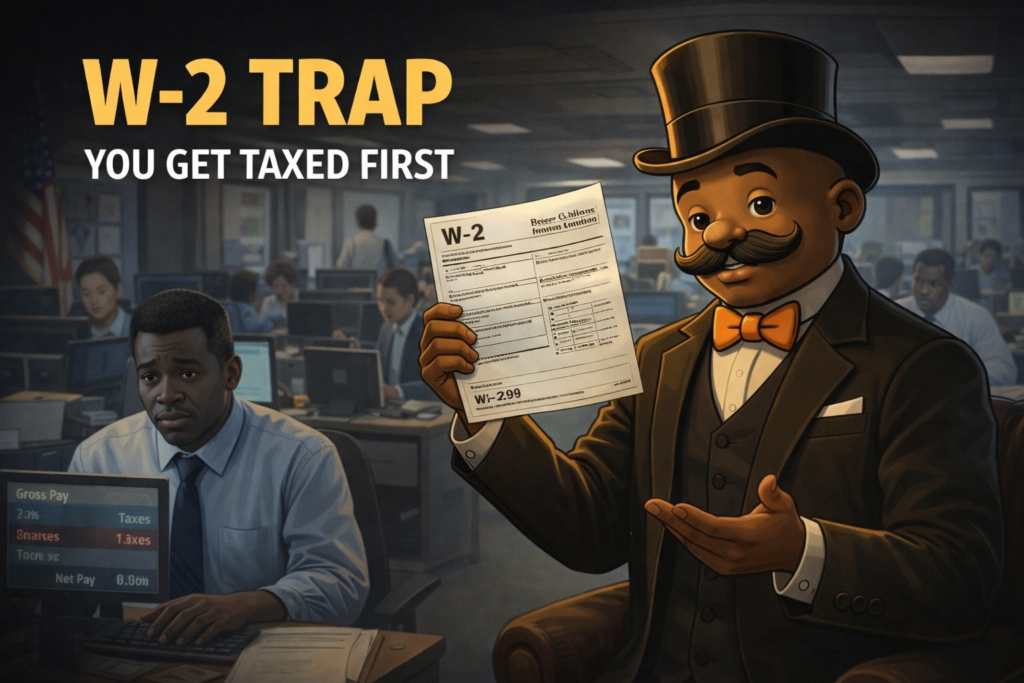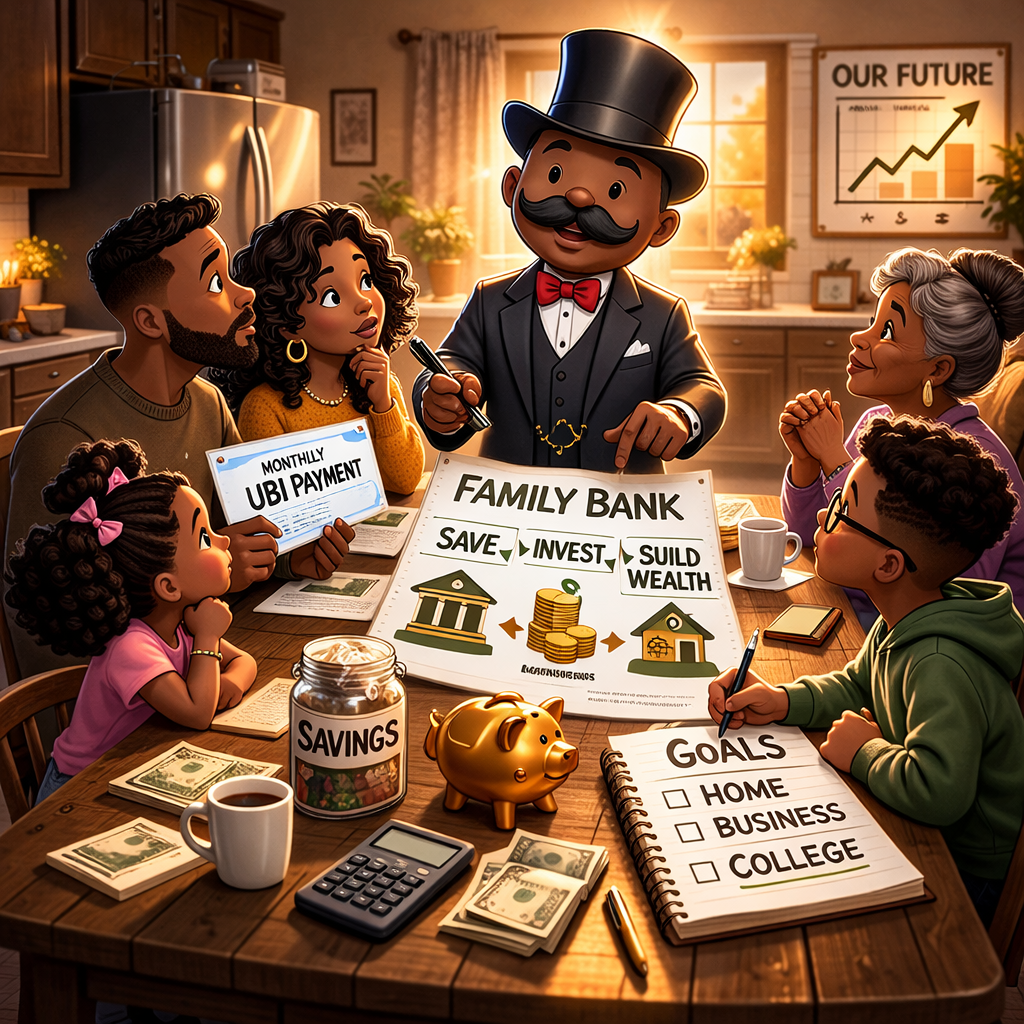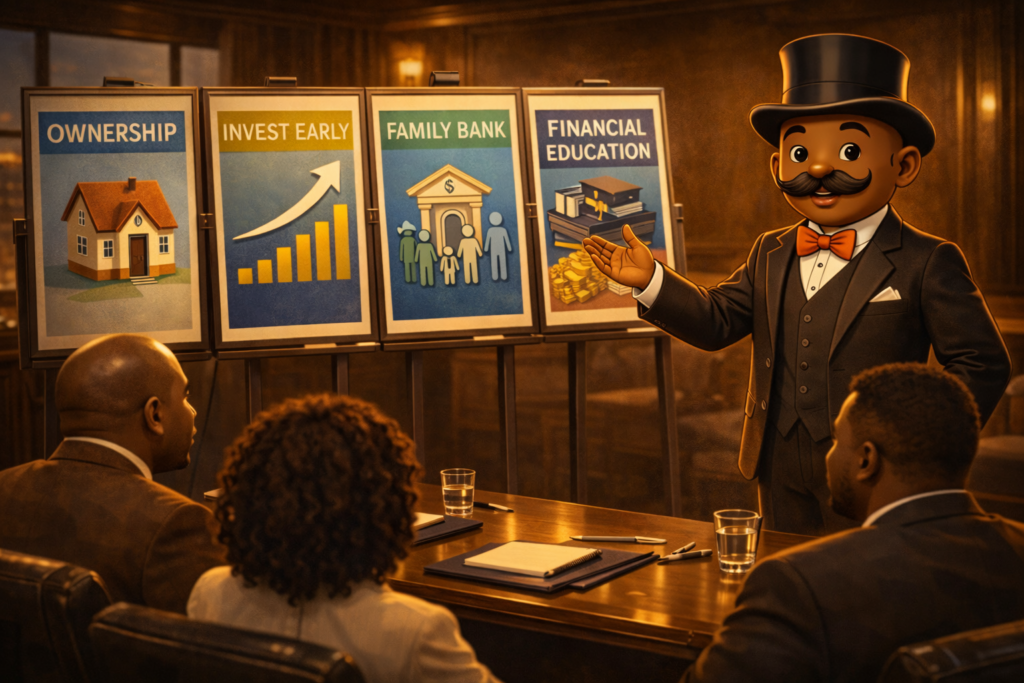

The silence is intentional. While headlines obsess over Black struggle, debt, and disparity, something far more disruptive is happening just beneath the surface: Black economic power is growing—quietly, strategically, and faster than the narrative allows. Not in the loud, flashy way the media prefers, but in a disciplined, ownership-focused way that doesn’t beg for validation. And that is precisely why it isn’t covered.
For decades, Black progress has been framed through a narrow lens of hardship. The story rarely evolves. When it does, it is usually softened, minimized, or quickly redirected back to inequality. What is almost never explored is the shift from income to ownership, from consumption to control, from survival to strategy. Yet across the country, Black families are buying businesses instead of brands, assets instead of applause, and influence instead of attention.
The media thrives on predictability. Struggle fits. Power complicates things. Economic power forces new questions—about systems, access, and who benefits when narratives change. It challenges advertisers who profit from insecurity. It disrupts political talking points that rely on dependency. And it undermines the long-standing myth that Black progress only happens when it is granted, approved, or overseen.
Look closer and the shift becomes undeniable. Black entrepreneurship has surged, not just in numbers but in sophistication. We’re seeing acquisitions, not just startups. We’re seeing families pooling capital, not individuals chasing clout. We’re seeing a growing interest in trusts, private equity, insurance strategies, land, logistics, and digital infrastructure. These are not the moves of a community “catching up.” These are the moves of a community recalibrating how power actually works.
What makes this moment especially dangerous to the old narrative is that it is decentralized. There is no single leader to discredit, no single movement to co-opt, no single celebrity to spotlight and exhaust. It is happening in households, group chats, private study circles, barbershops, church basements, Discord servers, and dinner tables. Quiet wealth is harder to attack because it does not announce itself.
The media also struggles to report on things it doesn’t fully understand—or control. Ownership doesn’t trend the way outrage does. Long-term planning doesn’t generate clicks like controversy. A family buying a warehouse, a logistics route, or an insurance policy that funds future generations doesn’t make for dramatic television. But it reshapes reality far more than viral moments ever could.
There is another reason for the silence, one that is rarely said out loud. Black economic power changes leverage. It changes how communities negotiate, where they live, what they tolerate, and what they walk away from. It changes voting behavior, schooling choices, healthcare decisions, and labor dynamics. A population with options is harder to manage. A population with assets is harder to pressure. A population that understands money is harder to mislead.
This is why the focus remains on income gaps instead of asset gaps. Income can be taxed, inflated away, and capped. Assets endure. Assets appreciate. Assets talk back. When Black families begin to understand this distinction at scale, the entire economic conversation shifts. And that shift does not benefit institutions that profit from confusion.
Even the language used tells the story. The media speaks endlessly about “spending power” but avoids “ownership power.” Spending power frames Black consumers as valuable only at the register. Ownership power frames Black people as stakeholders—people who collect, not just contribute. One narrative is safe. The other is transformative.
What’s happening now didn’t come from nowhere. It is the result of hard lessons learned across generations. It is the response to watching wealth extracted, neighborhoods flipped, and labor undervalued. It is the realization that visibility without ownership is a trap, and representation without control is theater. So the strategy changed. Less talking. More building.
And because it doesn’t fit the expected storyline, it’s easier for the media to pretend it isn’t happening. Silence becomes a form of denial. Omission becomes a way to preserve the illusion that nothing has fundamentally changed. But it has.
The irony is that by ignoring Black economic power, the media is making it stronger. What grows quietly often grows sturdier. What isn’t spotlighted isn’t sabotaged as easily. While attention is elsewhere, foundations are being laid that don’t need applause to function.
Black Dollar & Culture exists to document this shift—not as hype, not as fantasy, but as fact. The goal isn’t to convince skeptics. It’s to inform builders. To connect dots. To remind people that power doesn’t ask to be acknowledged. It simply moves.
The media will talk about Black economic power when it becomes unavoidable. When it disrupts markets. When it alters politics. When it refuses to behave the way it’s “supposed” to. Until then, the silence tells you everything you need to know.
What they don’t talk about is often what matters most.
Slug: why-the-media-wont-talk-about-black-economic-power
Meta Description: Black economic power is growing faster than the media admits. Discover why ownership, assets, and quiet wealth-building are changing the narrative—and why it’s being ignored.