How the Wealthy Use Credit Cards to Build Wealth (And Why Most People Stay Broke With Them)

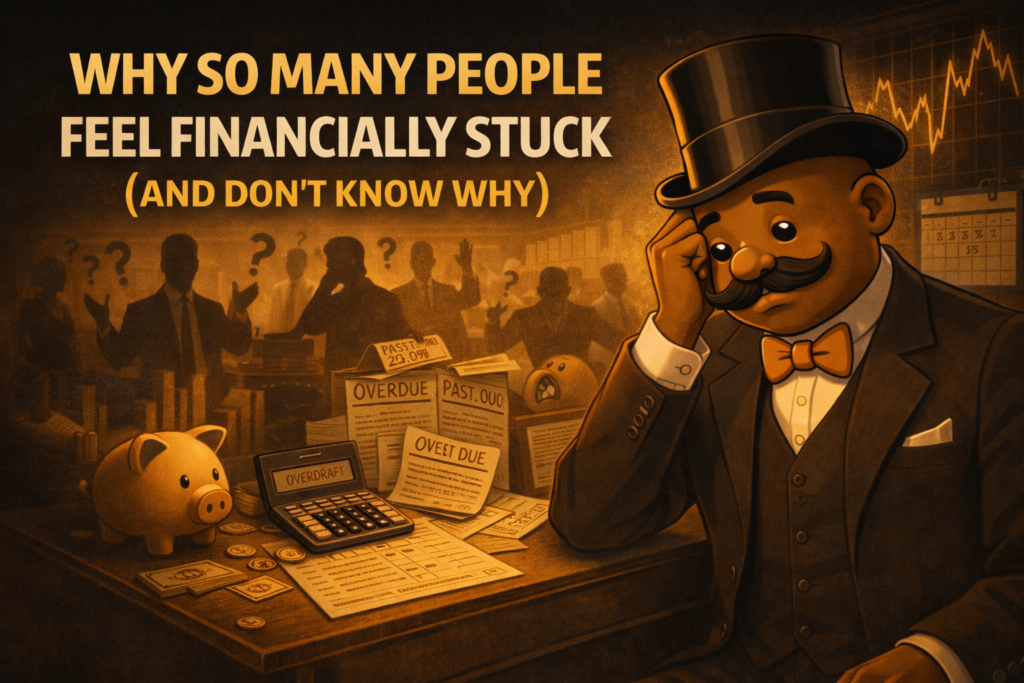
Most people are afraid of credit cards. The wealthy are afraid of using them wrong. That difference alone explains why one group drowns in debt…and the other quietly turns plastic into power. Credit cards are not the problem.Lack of structure is. Used incorrectly, credit cards trap you.Used correctly, they become leverage, protection, and a record of trust. Let’s break down how wealthy people actually use them — and why it works. 1. The First Rule: Wealthy People Never Use Credit Cards as Extra Money This is where most people fail immediately. Poor mindset: “I’ll pay it off later.” Wealthy mindset: “I already have the money — this is about timing and benefits.” Wealthy people treat credit cards as: If the money isn’t already accounted for, the card doesn’t get used. That’s discipline — not luck. 2. Credit Cards Are Used for Cash Flow Control, Not Consumption Wealthy people care about when money leaves more than how much leaves. Credit cards allow them to: That delay may seem small — but over years, it compounds. Money that stays liquid longer stays useful longer. 3. The Wealthy Use Rewards as a Rebate, Not a Bonus Most people chase points. Wealthy people earn rebates on spending they were already going to do. That means: Cash back, points, and travel perks aren’t “free money.”They’re efficiency rewards. Sir Wealthington would say: “If you must spend, make the system pay you back.” 4. Why Wealthy People Love Charge Cards and High-Limit Cards High-limit cards aren’t about flexing. They’re about utilization ratios. Here’s the quiet advantage: The wealthy don’t max cards.They keep balances strategically small relative to limits. This signals stability — and lenders respond accordingly. 5. Credit Cards as a Shield (Fraud, Liability, and Disputes) Cash has no protection. Debit cards expose your actual money. Credit cards?They create distance between you and risk. Wealthy people use cards because: Protection matters when assets grow. 6. How Businesses Use Credit Cards to Scale For entrepreneurs and investors, credit cards become: Used properly, they help businesses: Again — structure beats emotion. 7. Why Minimum Payments Keep People Poor The minimum payment is not a kindness.It’s a profit strategy. Wealthy people either: They do not: Interest is what you pay when discipline is missing. 8. The Credit Profile Is the Real Asset Wealthy people understand something most don’t: Your credit profile is a reputation system. It affects: Credit cards are simply the training ground. Used correctly, they prove: “This person can be trusted with capital.” 9. Sir Wealthington’s Rule on Credit Cards Sir Wealthington doesn’t hate credit cards. He hates confusion. He would say: “Credit cards don’t make you wealthy.But they expose whether you already have control.” Cards reward discipline.They punish impulse. And the system never forgets which one you chose. Final Thought (Read This Slowly) The wealthy don’t ask:“Can I afford the payment?” They ask:“Does this strengthen or weaken my position?” Credit cards are neither good nor bad. They are honest. They reveal who plans…and who reacts. ❤️ Support Independent Black Media Black Dollar & Culture is 100% reader-powered — no corporate sponsors, just truth, history, and the pursuit of generational wealth. Every article you read helps keep these lessons alive — lessons they never wanted us to learn. Focus Keyphrase: how the wealthy use credit cards to build wealthSlug: how-the-wealthy-use-credit-cards-to-build-wealthMeta Description: Learn how wealthy people use credit cards to build wealth, manage cash flow, earn rewards, and strengthen their financial position without falling into debt.

How to Turn $25 a Week Into Real Wealth (Even on a Low Income)

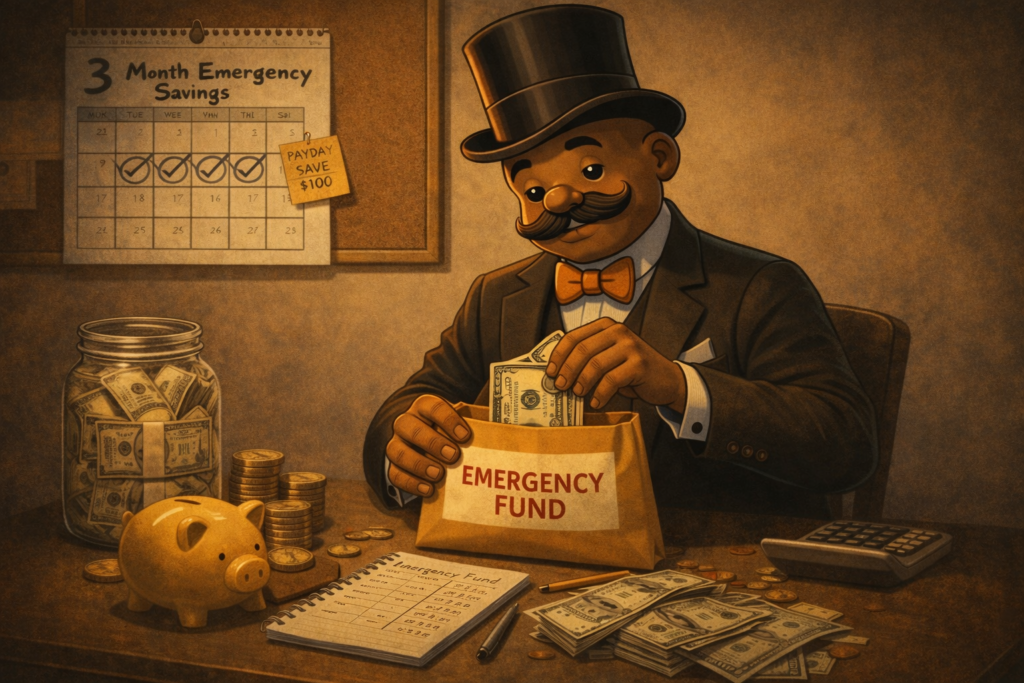
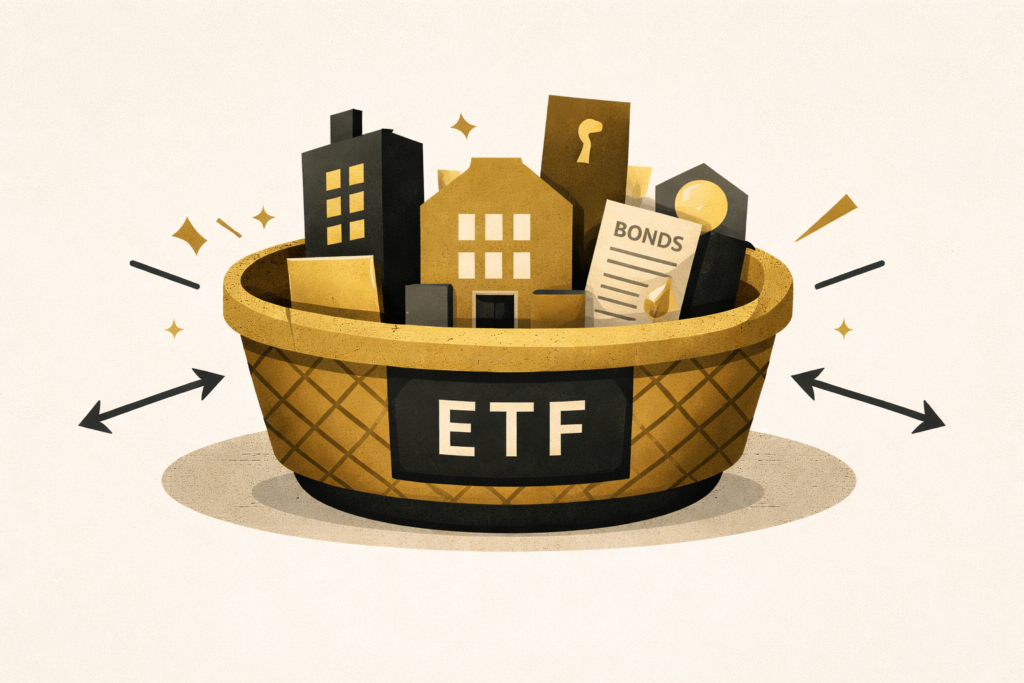
❤️ Support Independent Black Media Black Dollar & Culture is 100% reader-powered — no corporate sponsors, just truth, history, and the pursuit of generational wealth.Every article you read helps keep these stories alive — stories they tried to erase and lessons they never wanted us to learn. 1. Why $25 a Week Is More Powerful Than You Think Most people underestimate small money because they only look at the number today — not what it becomes tomorrow. Wealth is built like a snowball: the earlier you start rolling it, the bigger it becomes. When you invest $25 weekly, you’re building three things at once: And here’s the truth:Wealth doesn’t start with a big amount — it starts with consistency. Even millionaires start with habits, not income. 2. What $25 a Week Looks Like Over Time If you invest $25 every week into a simple index fund (like VOO, SPY, or QQQ): This is how people with low incomes still retire with wealth:They automate their money and let time do the heavy lifting. 3. The Mindset Shift That Changes Everything The goal isn’t the $25. The goal is the identity you build: Once you master this mindset, you can scale the amount later. Wealth begins internally long before it shows up externally. 4. Where to Put Your $25 (Beginner-Friendly) Here are the safest, simplest places to start: ✅ 1. High-Yield Savings Account (HYSA) Perfect for beginners building the habit. ✅ 2. Index Funds (SPY, VOO, QQQ) Best long-term wealth builders. ✅ 3. Fractional Stocks Own pieces of major companies for as little as $1. ✅ 4. ETFs for Beginners Diversified, low-risk, and beginner-proof. You don’t need to be rich to invest.You need discipline — not dollars. 5. Why Building Wealth on a Low Income Matters When our community learns to turn small money into big power, everything changes: This is why BD&C exists — to show you what schools, banks, and the system never taught you. Wealth starts with a decision.And you can make that decision today with just $25. Slug: turn-25-a-week-into-real-wealth Meta Description:Turn just $25 a week into real wealth. Learn how even low-income earners can build long-term assets through small, consistent investing and smart money habits. how to turn $25 a week into real wealth Slug: turn-25-a-week-into-real-wealth Meta Description (155 characters): Learn how to turn just $25 a week into real long-term wealth. Even on a low income, you can build assets, invest smarter, and start your wealth journey today.

Mansa Musa: The Wealthiest Man in the World

Mansa Musa: The Wealthiest Man in the World

Who Was Mansa Musa? Mansa Musa, often regarded as the wealthiest individual in history, was the ninth emperor of the Mali Empire, reigning from 1312 to 1337. His ascendancy to power came during a period characterized by the economic and cultural flourishing of West Africa, particularly due to the region’s substantial involvement in the trans-Saharan trade. Born into a royal family, Musa initially served as a deputy to his predecessor, Abu Bakr II, who notably embarked on an expedition that sought to explore the limits of the Atlantic Ocean. Musa’s rise to power was marked by his extraordinary leadership and strategic prowess, which enabled him to solidify the Mali Empire as a dominant force in West Africa. The context of the Mali Empire during Mansa Musa’s tenure was one of vast wealth and cultural vibrancy. The empire, enriched by trade in gold, salt, and other valuable commodities, witnessed significant expansion under his rule. Mansa Musa not only capitalized on the thriving trade routes connecting the region to Europe and the Middle East but also fostered relationships that enhanced the empire’s wealth and cultural influence. His reign was distinguished by infrastructure development, including the construction of schools, mosques, and other public buildings, most notably the iconic Djinguereber Mosque in Timbuktu. Significant events during Mansa Musa’s reign included his legendary pilgrimage to Mecca in 1324, which showcased his extraordinary wealth and resulted in a profound impact on the regions he traversed. The lavishness of his caravan, consisting of thousands of attendants and camels laden with gold, left an indelible mark on cities such as Cairo, inflating gold prices for years to come. This pilgrimage not only solidified his status as a leader of immense wealth but also highlighted the cultural interconnections between Africa and the broader Islamic world. Through these actions, Mansa Musa crafted a legacy that remains influential in discussions of economic history and African empires. Mansa Musa’s Vast Wealth Mansa Musa, the emperor of the Mali Empire, is often considered the wealthiest person to have ever lived, with estimates of his fortune reaching incomprehensible levels. His immense wealth was primarily derived from the abundant natural resources of his kingdom, particularly gold and salt. The Mali Empire, during his reign in the 14th century, had vast reserves of gold, making it one of the largest producers in the world. This precious metal was invaluable, as it was highly sought after both for trade and as a symbol of status and power. Salt also played a critical role in Mansa Musa’s wealth accumulation. The Trans-Saharan trade routes, which traversed his empire, facilitated the exchange of salt – an essential commodity for preserving food and for dietary needs. Control over these routes allowed the Mali Empire to become a central hub for trade, further enhancing its economic standing. Mansa Musa ensured that these routes remained secure, boosting trade with neighboring states and connecting Mali to distant markets, such as those in North Africa and beyond. Numerous historical accounts illustrate the opulence of Mansa Musa’s wealth. During his famous pilgrimage to Mecca in 1324, he traveled with a caravan that included thousands of followers, camels carrying vast quantities of gold, and an entourage of lavish gifts. His extravagant spending during the journey reportedly destabilized local economies, as he distributed gold to the poor and traded at exorbitant rates, leading to inflation in the regions he visited. This pilgrimage not only demonstrated Mansa Musa’s wealth but also solidified his reputation as a generous and influential leader, elevating the Mali Empire’s status on the global stage. The Legendary Pilgrimage to Mecca In 1324, Mansa Musa embarked on a historic pilgrimage (Hajj) to Mecca, a journey that would resonate throughout history and redefine the understanding of wealth in the medieval world. His pilgrimage was not merely a spiritual undertaking; it was a grand display of economic power and an opportunity to reinforce Mali’s status as a formidable entity within the Islamic world. Mansa Musa organized a caravan that reportedly included thousands of attendants, soldiers, and a vast assortment of camels carrying immeasurable quantities of gold and other precious goods. The lavishness of this pilgrimage became legendary. As Mansa Musa traveled through the Sahara Desert and various regions, he generously distributed gold to the poor and engaged in trade with local merchants. The sheer volume of gold dispensed caused inflation in many areas, as the sudden influx of wealth altered the local economies significantly. Many historians point to this event as a pivotal moment that introduced the riches of Africa to the broader world, particularly to the Middle East and Europe, reshaping perceptions and encouraging trade with the continent. Culturally and religiously, Mansa Musa’s journey had profound implications. His pilgrimage not only solidified Mali’s commitment to Islam but also led to cultural exchanges that enriched both the religious landscape and the art of the regions affected. Significant architectural advancements, such as the construction of mosques and educational institutions in Mali upon his return, illustrated the influence of this pilgrimage. The legacy of Mansa Musa’s pilgrimage extends beyond mere economics; it represented a historical moment where Africa’s wealth and cultural prominence were asserted on a global stage, altering narratives and perceptions for future generations. Mansa Musa’s Legacy and Impact Mansa Musa, the 14th-century emperor of the Mali Empire, is often celebrated as one of the wealthiest individuals in history. His reign not only transformed Mali into a powerful West African empire but also left an indelible mark on education, architecture, and religious practices that resonate to this day. One of the most significant contributions of Mansa Musa was his promotion of education and literacy through the establishment of numerous schools and colleges. Particularly noteworthy was the creation of the University of Sankore in Timbuktu, which became an intellectual center attracting scholars from various regions. This emphasis on education reinforced the importance of learning and elevated the status of Timbuktu as a hub of knowledge and culture in the medieval world. Furthermore, Mansa Musa’s contributions to architecture are epitomized

Homer Plessy: The Wealthy Creole Businessman Who Changed American History

Homer Plessy: The Wealthy Creole Businessman Who Changed American History

Early Life of Homer Plessy Homer Plessy was born in 1862 in New Orleans, Louisiana, into a wealthy Creole family, which significantly influenced his upbringing and worldview. The Creole culture was characterized by a complex identity that blended French, Spanish, African, and Native American heritages. This rich cultural background provided Plessy with an education and social standing that distinguished him within the racially stratified society of 19th-century America. His family was part of a relatively prosperous class of free people of color, many of whom owned businesses, property, and had access to better educational opportunities compared to their enslaved counterparts. This socio-economic advantage played a crucial role in shaping Plessy’s perspectives on civil rights and social justice. Plessy received a solid education, which was rare for African Americans during that era. He attended the prestigious Primary School of the Society of Saint Augustine, a school recognized for educating children from Creole families. His educational background afforded him not only academic knowledge but also an understanding of advanced societal structures. Plessy’s early life experiences cultivated a strong sense of identity and an appreciation for his Creole heritage, where family values and community ties were held in high regard. As he grew older, Plessy became increasingly aware of the injustices faced by African Americans, including the discriminatory laws that sought to segregate and marginalize people of color. This awareness ignited a desire within him to advocate for civil rights, reflecting the values ingrained in him from his family background. The legacy of his upbringing within the affluent Creole class positioned him uniquely to challenge the status quo. This combination of socio-economic privilege and a deep-rooted sense of justice would later manifest in his pivotal role in the landmark legal case that would redefine civil rights in America. Plessy’s Business Ventures Homer Plessy was not only a prominent figure in the civil rights movement but also a successful businessman in post-Reconstruction America. His entrepreneurial spirit propelled him into various industries, allowing him to navigate the complex economic landscape of the late 19th century Louisiana. Plessy’s ventures primarily revolved around property management and real estate, wherein he recognized the potential for profit amidst the growing urbanization of New Orleans. One of Plessy’s notable achievements was his involvement in a mixed-color cooperative association that aimed to empower Creole and African American residents. This association provided critical support in terms of resources and infrastructure, aiding local entrepreneurs in establishing businesses that could compete with those owned by white citizens. Through this initiative, Plessy fostered a sense of community and mutual aid, reflecting his commitment to supporting those who shared similar racial backgrounds. Moreover, Plessy’s economic pursuits operated within a unique context, as the local economy was marked by significant racial barriers and discrimination in commerce. His successes offered him a vantage point from which he could directly confront the inequities faced by marginalized communities. The wealth accumulated through his business ventures afforded him a level of social capital, enabling him to challenge the prevailing social norms and engage more actively in the fight against segregation and injustice. As a wealthy Creole businessman, Plessy was acutely aware of the race relations that shaped the environment around him. The intersection of his wealth, status, and profound understanding of the systemic issues in society prompted him to leverage his resources towards advocating for social change. This combination of business acumen and commitment to activism ultimately led Plessy to become a key figure in the landmark case, Plessy v. Ferguson, which would have a lasting impact on American history. The Landmark Case: Plessy v. Ferguson The landmark Supreme Court case, Plessy v. Ferguson, emerged from an incident that took place in 1896, involving Homer Plessy, a wealthy Creole businessman. The case was a rebellion against the entrenched system of racial segregation that was prevalent in the United States, particularly in the Southern states. Plessy, who was of mixed race and identified as Black, deliberately violated Louisiana’s segregation laws by sitting in a “whites-only” railway car. This act of defiance led to his arrest and set the stage for a pivotal legal challenge. Plessy’s legal team argued that the segregation enforced by the law violated the Thirteenth and Fourteenth Amendments of the U.S. Constitution, which abolish slavery and guarantee equal protection under the law, respectively. The defense posited that the law enforced a social stigma that perpetuated the discrimination against people of color. In stark contrast, the state argued that segregation was constitutional as it maintained public order and reflected societal norms regarding race. The case was pivotal as it delved into the complexities surrounding racial identity, questioning the legal definitions and implications of being classified as Black or white in America. The Supreme Court ultimately ruled against Plessy in a 7-1 decision, establishing the doctrine of “separate but equal.” This ruling legitimized state-sponsored racial discrimination and laid the groundwork for decades of systemic segregation. The decision had far-reaching implications for the Civil Rights Movement, galvanizing activists to challenge the legal underpinnings of racial inequality. Plessy’s role as a plaintiff was crucial in this historical context, presenting a vivid illustration of the contradictions inherent in a society that claimed to uphold the principles of freedom and equality while simultaneously enforcing discriminatory laws. Legacy of Homer Plessy Homer Plessy, a wealthy Creole businessman, played a crucial role in reshaping the landscape of civil rights in the United States, and his legacy continues to resonate to this day. His courageous act of defiance against racial segregation on public transportation culminated in the landmark Supreme Court case of Plessy v. Ferguson in 1896. Though the court ruled in favor of the “separate but equal” doctrine, which upheld state-sanctioned segregation, Plessy’s actions sparked a wave of activism that would challenge this unjust status quo over the ensuing decades. Plessy’s legacy is not solely defined by the court ruling; rather, it serves as a potent symbol of the ongoing struggle for civil rights and social justice. After his case, activists who followed in his footsteps

Jean-Jacques Dessalines: The Warrior Who Broke the Chains of Haiti

They tried to erase him. They tried to bury his name beneath the rubble of a revolution that terrified every white empire on Earth. But history has a way of remembering the men who refused to kneel—men who rose from unthinkable suffering and reshaped the world with their bare hands. Jean-Jacques Dessalines was one of them. Born enslaved in Saint-Domingue, beaten, branded, and treated as less than human, he would one day become the man who shattered the greatest military force of his era and built the first free Black republic in the Western Hemisphere. His story does not begin in triumph—it begins in chains. Yet every chain became a lesson, every scar a reminder, every act of cruelty a spark. By the time Dessalines grew into adulthood, he was carved into a weapon—unyielding, brilliant, and unwavering in his hatred of oppression. When the Haitian Revolution erupted, the world met a general unlike any other. Dessalines fought with a fury fueled by generations of suffering, but behind that fury was precision, strategy, and a deep understanding of battlegrounds where enslaved Africans had been forced to toil. He knew the terrain. He knew the people. And he knew the cost of failure. Under Toussaint Louverture, he became the sharpest blade of the revolution. But when Toussaint was kidnapped by the French—betrayed and shipped to die in a cold European prison—Dessalines stepped forward to confront the full weight of Napoleon’s army. France expected obedience. Dessalines gave them fire. With brilliant guerrilla tactics, scorched-earth strategies, and an unbreakable will, he broke the French military machine piece by piece. Soldiers trained under Europe’s finest generals fell at the hands of farmers, field workers, mothers, and sons led by a man who refused to let Haiti return to bondage. And when Napoleon’s forces were finally crushed, Dessalines did what no enslaved nation had ever done: he declared Haiti free—permanently, irrevocably, unapologetically. On January 1, 1804, he proclaimed the world’s first Black republic and renamed the land “Haiti” in honor of its Indigenous roots. But freedom was not symbolic to Dessalines. It was a blood oath. He wrote into law that no foreign power would ever again enslave the people of Haiti. He built a nation designed to protect Black sovereignty at all costs. Yet power paints targets, and Dessalines’ own people, influenced by internal tensions and foreign manipulation, turned against him. He was assassinated in 1806, his body mutilated by those who feared the force of his convictions. But empires trembled long after he was gone. Haiti’s victory inspired uprisings in Jamaica, rebellions in the American South, and fear across Europe’s slaveholding economies. The United States refused to recognize Haiti for 60 years—because Dessalines had proven that the enslaved could overthrow their masters. His name was whispered, distorted, and buried in history books written by the descendants of those he defeated. But today, his truth rises. Jean-Jacques Dessalines was not simply a revolutionary—he was the architect of Black liberation in the Americas, the warrior who shattered the myth of white invincibility, and the man who proved that the fight for freedom begins the moment someone decides they are no longer a slave in their spirit. Haiti stands today because of him. And every struggle for Black freedom echoes his name, whether the world admits it or not. #BlackHistory #Haiti #JeanJacquesDessalines #HaitianRevolution #BDandC #BlackLiberation #HiddenHistory #AfricanDiaspora #BlackExcellence #UntoldStories 🔑 Keyphrase Jean-Jacques Dessalines Haitian Revolution story 🔗 Slug jean-jacques-dessalines-warrior-who-broke-the-chains-of-haiti 📝 Meta Description Discover the powerful story of Jean-Jacques Dessalines, the revolutionary general who defeated Napoleon’s army and built the first free Black republic in the Western Hemisphere.

How to Fix Your Credit Score Fast (Step by Step)

By Black Dollar & Culture Most people don’t have bad credit because they’re irresponsible.They have bad credit because life happened — job loss, medical bills, divorce, late payments, trying to survive with high-interest cards and not enough income. The good news?Your credit score is not a life sentence. It’s a report card — and report cards can be changed. Let’s walk through, step by step, how to fix your credit score as fast as possible, the right way. ❤️ Support Independent Black MediaBlack Dollar & Culture is 100% reader-powered — no corporate sponsors, just truth, history, and the pursuit of generational wealth.Every article you read helps keep these stories alive — stories they tried to erase and lessons they never wanted us to learn. 1. Pull All Three Credit Reports (Face the Numbers) You can’t fix what you won’t look at.Your credit score is built from three major bureaus: They don’t always match, and each lender might use a different one. What to do: It might feel uncomfortable, but this is your starting line — not your identity. 2. Clean Up the Easy Errors First (Fastest Score Wins) You’d be surprised how many credit reports have mistakes: These are quick wins. Step by step: When an error is corrected, your score can jump quickly — sometimes in 30 days or less. 3. Stop the Bleeding: No More Late Payments From this point forward, your mission is simple:Nothing else goes late. Payment history is the biggest chunk of your score. Even one 30-day late payment can drop it hard. What to do: You can’t change the past, but you can start building a flawless payment streak today. 4. Attack Your Credit Utilization (The Fastest Legal Cheat Code) One of the quickest ways to raise your score is to lower how much of your available credit you’re using. This is called credit utilization. Example:If you have a $1,000 limit and your balance is $800, your utilization is 80% — and that’s hurting you badly. Your goal: Fast ways to do this: Sometimes just paying a card down before the statement date can give you a noticeable score bump. 5. Negotiate With Debt Collectors (But Do It Strategically) If you have accounts in collections, they’re dragging your score down. You have options: Some will agree to remove negative reporting entirely (often called “pay for delete”). Not all will, but it doesn’t hurt to ask — in writing. Never: Handle it like business, not emotion. 6. Add Positive Credit History on Purpose Fixing credit isn’t just deleting negatives — it’s adding positives. Beginner-friendly options: You’re building a new track record: reliable, consistent, responsible. 7. Avoid “Credit Repair” Scams — You Can Do This Yourself Any company promising to: …is playing games with your future. You don’t need a magic company to do what the law already gives you the right to do: If you do choose help, work with a legit non-profit credit counselor — not someone selling miracles. 8. Build a 90-Day Plan, Not a One-Day Fantasy You CAN make progress fast, but you won’t go from 480 to 800 overnight. A realistic 90-day action plan looks like: Every on-time payment and every dollar paid down is a brick in your new financial foundation. 9. Protect Your New Progress Like It’s Gold Once your score starts rising, protect it: Do: Boring is beautiful when it comes to your credit score. 📌 Final Word Your credit score is not a reflection of your worth — it’s a reflection of your habits, circumstances, and information on file.All three of those can change. Fixing your credit fast isn’t about hacks or loopholes.It’s about facing the reality, cleaning up errors, lowering your utilization, rebuilding positive history, and refusing to let the system use your past against your future. You deserve access.You deserve better rates.You deserve approval letters instead of denials. And step by step, you can get there. #CreditRepair #FinancialFreedom #BlackWealth #MoneyMindset #BlackDollarAndCulture

The Vision of Fred Hampton — December 4 Reflection

On December 4th, we pause to honor a man whose clarity, conviction, and courage made him one of the most important voices of the 20th century. Fred Hampton did not lead with fear; he led with vision — a vision so bold and so rooted in community power that even at twenty-one, he was shaping movements far bigger than himself. When Fred Hampton spoke, he didn’t just speak to Black people — he spoke to the poor, the working class, the overlooked, and the underserved. He had the unique ability to cut through race and status and remind everyone that they shared a common struggle: the fight for dignity. Hampton believed in unity at a level America was not ready to accept. He formed the Rainbow Coalition, bringing together Black, Latino, and poor white organizations under one mission: economic justice and political empowerment. He understood that racism and poverty were tools — tools used to divide people who, if united, could shift the balance of power forever. His message was dangerous only to those who depended on division to maintain control. But Fred Hampton’s brilliance wasn’t limited to speeches or ideology. He turned vision into action. Under his leadership, the Chicago Black Panther Party fed thousands of children through free breakfast programs, offered free healthcare, created community education centers, and built systems of support the city itself failed to provide. These weren’t charity efforts — they were acts of empowerment. They taught people that they deserved better, and that they had the power to build it themselves. And maybe that was the most radical thing about Fred Hampton: he made people believe again. Believe in themselves, believe in each other, believe in their communities, and believe that a new world was not just possible, but necessary. Hampton’s ability to inspire wasn’t built on fear, hate, or anger. It was built on love — revolutionary love. A love that demanded dignity. A love that expected accountability. A love that told Black people, “You are worth more than the world has ever allowed you to believe.” December 4th is not only a reminder of the day he was taken from us — it is a reminder of the vision he left behind. A vision that stretched beyond politics and protests into the everyday lives of ordinary people. A vision that continues to ripple through modern movements, community programs, and grassroots organizing. A vision built on unity, compassion, and collective strength. Fred Hampton’s life teaches us that real leadership doesn’t wait for permission. It rises when the people need it. It sacrifices when the community calls. And though his time was short, his impact is eternal. His voice still echoes in our conversations about justice. His ideas still guide our understanding of community power. His legacy still challenges us to imagine more, build more, and unify more. On this December 4th, as we reflect on Fred Hampton’s life, we honor not just the tragedy of his passing but the brilliance of his vision — a vision still alive, still urgent, and still calling us higher. #BlackHistory #FredHampton #PantherLegacy #RevolutionaryLove #BlackDollarAndCulture Fred Hampton wasn’t just a leader — he was a vision in motion. And on December 4, we honor the ideas that shook America and continue to inspire generations.

Best Side Hustles for Beginners (No Skills Required)

By Black Dollar & Culture Most people think side hustles require talent, training, or some hidden superpower.Nope.Some of the BEST money-makers in 2025 require zero skills, just consistency and a willingness to start. Here’s your BD&C breakdown of the easiest, low-barrier side hustles ANY beginner can start today. 1. Product Flipping (The Fastest Beginner Hustle) Flipping is simple:Buy low → Sell higher. Places to find deals: Sell on: Low risk. Fast cash. No skills. 2. Delivery & Drop-Off Services If you can drive, walk, or breathe… you qualify. Options include: You set hours.You decide your pace.Money hits the same day. 3. Content Repurposing for Creators You don’t need to be a creator — you just help them. Simple tasks like: Apps do most of the work now.Creators pay because they don’t have time. 2025 secret: You can earn $15–$50 per clip. 4. Selling Digital Planners & Templates No design skills needed — platforms provide templates: Create once → Sell forever. Popular sellers: Passive income made simple. 5. Amazon KDP (Beginner-Friendly Publishing) You don’t need to write a book.You can upload: People buy them every day.Amazon prints and ships — you collect royalties. 6. Renting Out Items You Already Own Instead of selling your stuff… rent it. Rent out: Platforms make it safe and trackable. You’re sitting on money without knowing it. 7. Dog Walking & Pet Sitting Zero skills.High demand.Easy cash. Apps: People love their pets.They PAY for peace of mind. 8. House Sitting & Room Rentals Watching a house is a hustle by itself. Apps: If you have an extra room → Airbnb, FurnishedFinder. Minimal effort, maximum reward. 9. Remote Micro-Tasks Earn quick money doing tiny online tasks: Sites include: No experience required. 10. Trash & Recycling Pick-Up Don’t sleep on this.HOAs and apartments pay $150–$400/month for someone to: Low competition.High return. 📌 Final Word The biggest mistake beginners make is waiting until they “feel ready.”Side hustles reward action, not perfection.Pick ONE hustle from this list, start it this week, and let momentum do the rest. In 2025, low income isn’t a roadblock — it’s a launchpad. #SideHustles #BeginnerHustles #MakeMoneyOnline #PassiveIncome #BlackDollarAndCulture

The Real Meaning of Financial Freedom

Most people think financial freedom is about being rich — but Sir Wealthington would tell you it’s about something far more valuable: having your life back. ❤️ Support Independent Black MediaBlack Dollar & Culture is 100% reader-powered — no corporate sponsors, just truth, history, and the pursuit of generational wealth.Every article you read helps keep these stories alive — stories they tried to erase and lessons they never wanted us to learn. 1. Financial Freedom Means Control Over Your Time Financial freedom starts with time — the most expensive, non-refundable asset you’ll ever have. You’re not free just because you have money.You’re free when you have the choice to decide what you do with your day. True freedom looks like: Money gives you options.Time gives you life. 2. Financial Freedom Means You’re Not Controlled by Bills Bills will always be there — but freedom means they don’t run your life. Financial freedom looks like: When bills can’t bully you, your confidence rises. 3. Financial Freedom Means You Can Walk Away from Toxic Jobs A lot of people stay in unhealthy workplaces because they need the paycheck, not because they want the work. Freedom means: You don’t beg for a seat at the table when you can build your own. 4. Financial Freedom Means Your Money Works While You Rest Wealthy families don’t trade time for money — they trade money for more money. Your freedom grows when you: Financial freedom is built on one principle:Income that doesn’t require you to show up every day. 5. Financial Freedom Means You’re Prepared for Emergencies Emergencies don’t schedule appointments.A financially free person doesn’t panic — they prepare. Freedom includes: Preparation protects your household. 6. Financial Freedom Means You Make Money Decisions — Not Emotional Decisions Money hits differently when you’re stressed.But freedom means you can think clearly instead of surviving under pressure. A financially free mindset: Emotional money is broken money.Calm money is wealth money. 7. Financial Freedom Means Generational Protection True financial freedom isn’t just for you — it’s for the people who come after you. This includes: You’re free when your kids don’t have to start where you started. Freedom is legacy. 📌 Final Word Financial freedom is not about being rich — it’s about being in control.It’s about options.It’s about peace.It’s about building a life, not just surviving it. Sir Wealthington would say it like this: “Financial freedom is when money serves you — not the other way around.” And the sooner you start moving toward it, the sooner your life begins to feel like it finally belongs to you. #FinancialFreedom #BlackWealth #MoneyMindset #GenerationalWealth #BlackDollarAndCulture

What a Family Wealth Meeting Should Look Like

. ❤️ Support Independent Black MediaBlack Dollar & Culture is 100% reader-powered — no corporate sponsors, just truth, history, and the pursuit of generational wealth.Every article you read helps keep these stories alive — stories they tried to erase and lessons they never wanted us to learn. 1. Why Every Family Needs Wealth Meetings In wealthy families, money is not a secret — it’s a system. Family wealth meetings: A family that talks about money regularly…wins regularly. This is how rich families stay rich for generations. 2. Set the Tone: This Is a Safe, Respectful Space Wealth meetings are not: They are: Start with:“We’re here to grow together, not criticize each other.” This is crucial for Black families especially —because many of us grew up with financial trauma, silence, or shame around money. 3. Start With the “State of the Family” This is the opening report. Go over: Think of it as a family scorecard.Not to judge — to understand. You can’t change what you don’t measure. 4. Discuss Goals: Short-Term, Long-Term, and Legacy Break them into three categories: Short-Term (0–12 months) Long-Term (1–5 years) Legacy (10+ years) A family without goals is a car with no steering wheel. 5. Review All Important Documents (This Is What Wealthy Families Do) Wealth meetings MUST include a document check: Most families avoid this.Wealthy families MASTER it. This ensures: 6. Assign Responsibilities (Everyone Has a Role) Wealth meetings work when responsibilities are shared. Examples: Everyone contributes — everyone grows. 7. Include the Kids (Age-Appropriate) Wealth is a family sport. Kids should learn: Let them sit in.Let them ask questions.Let them help with decisions. Teach them early so they don’t have to recover later. 8. Review Progress Monthly You don’t need long meetings. 20–30 minutes is enough. Just focus on: Consistency matters more than perfection. 9. Celebrate Wins — Even Small Ones Wealth is built brick by brick. Celebrate when: Small wins create momentum. And momentum creates generational change. 📌 Final Word A family wealth meeting isn’t about money —it’s about alignment, vision, and direction. It turns chaos into clarity.It turns households into teams.It turns families into legacies. If you want generational wealth,you can’t wait for it to happen. You plan it.Together. #FamilyWealth #GenerationalWealth #BlackWealth #FinancialLiteracy #BlackDollarAndCulture