
Saving money is responsible.
Saving money is disciplined.
Saving money is necessary.
But saving money—by itself—has never been the path to real wealth.
That truth is uncomfortable because for generations, especially in working families, saving was taught as the finish line. “Put money away.” “Don’t spend it.” “Build a nest egg.” Those habits are important, but they are incomplete. And in today’s economy, they are dangerously incomplete.
Saving Preserves Money — It Does Not Multiply It
Saving is defensive.
Wealth is offensive.
When you save, you are protecting money you already earned. When you build wealth, you are putting money to work so it produces more money without requiring more labor from you.
A savings account does one job well: it prevents loss.
It does not create growth.
Inflation quietly erodes the value of saved cash every year. Even “high-yield” savings accounts usually struggle to outpace the rising cost of living over long periods. This means that money sitting still is, in real terms, often moving backward.
Saving keeps you stable.
It does not make you free.
The Wealthy Use Saving as a Starting Point, Not a Strategy
Wealthy households save—but they don’t stop there.
They save to deploy.
They save to invest.
They save to acquire assets.
Savings is the staging area. Assets are the engine.
Stocks, businesses, real estate, and ownership stakes are what compound over time. These assets grow, generate income, and expand purchasing power. They turn time into an ally.
If your money is not growing while you sleep, it is falling behind while you work.
Income Is Temporary. Systems Are Permanent.
Most people are trained to think linearly:
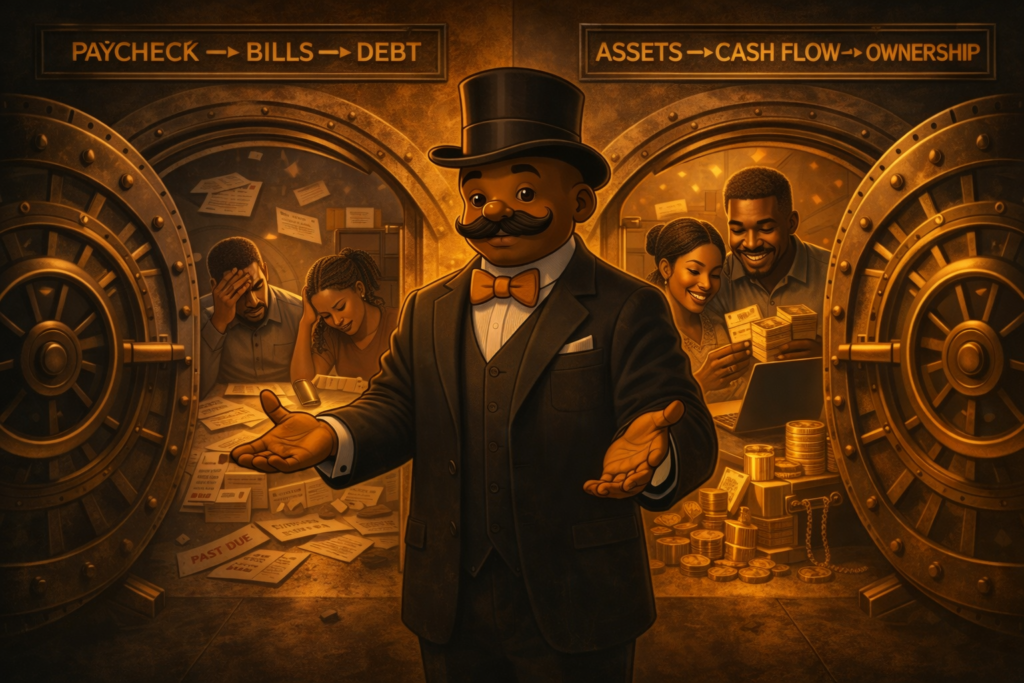
Work → Get paid → Save → Repeat
That loop creates stability, not wealth.
Wealth is built through systems that operate independently of your daily effort:
• Automated investing
• Ownership structures
• Compounding returns
• Tax-advantaged accounts
• Reinvested profits
Saving without a system is like collecting seeds and never planting them.
The Real Risk Isn’t Investing — It’s Standing Still
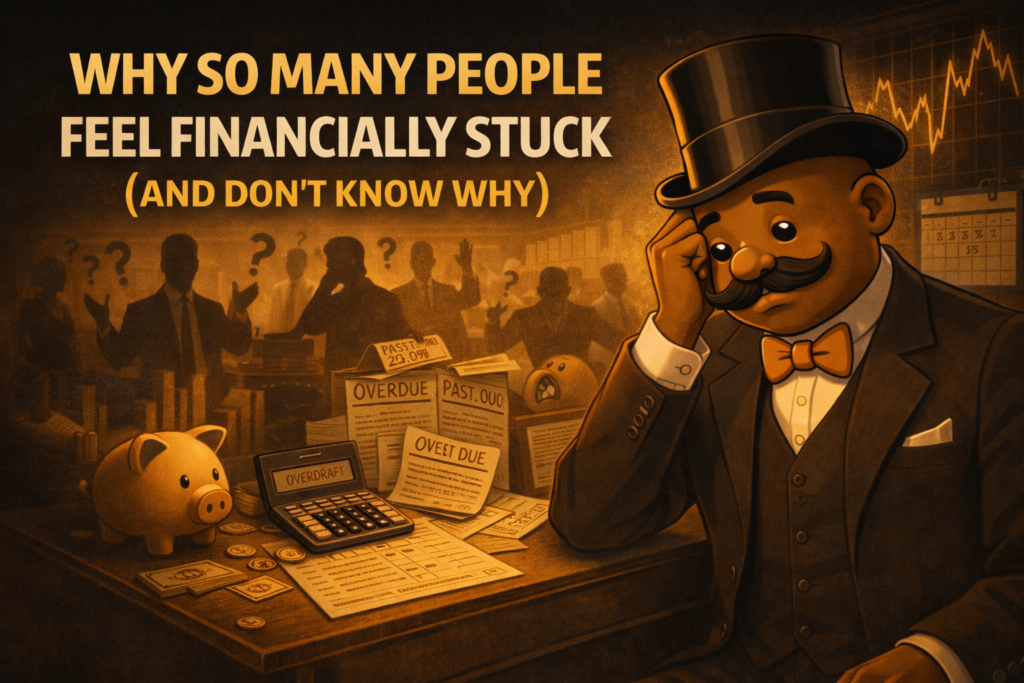
Many people avoid investing because it feels risky. Market ups and downs look scary. But the biggest long-term risk is guaranteed stagnation.
Cash loses value slowly and silently.
Assets fluctuate but grow over time.
Avoiding risk entirely doesn’t eliminate danger—it simply chooses a slower, quieter form of loss.
The wealthy understand this distinction. They don’t chase excitement. They structure exposure. They manage risk with diversification, time horizons, and discipline.
Saving Buys Time. Assets Buy Freedom.
Saving gives you breathing room.
Assets give you leverage.
Saving helps you survive emergencies.
Assets help you escape dependency.
This is why people can save for decades, retire with a respectable balance, and still worry about running out of money. They protected income—but never replaced it.
True wealth replaces labor with ownership.
The Shift That Changes Everything
The question is not:
“How much should I save?”
The better question is:
“What system will turn my savings into ownership?”
Saving is step one.
Investing is step two.
Ownership is the destination.
Those who stop at step one remain disciplined workers.
Those who complete the journey become builders of legacy.

Slug: why-saving-alone-will-never-make-you-rich
Meta Description: Saving money is important, but it will never make you rich by itself. Learn why wealth is built through systems, assets, and ownership—not just discipline.