
Prince’s Legacy and Impact on the Music Industry
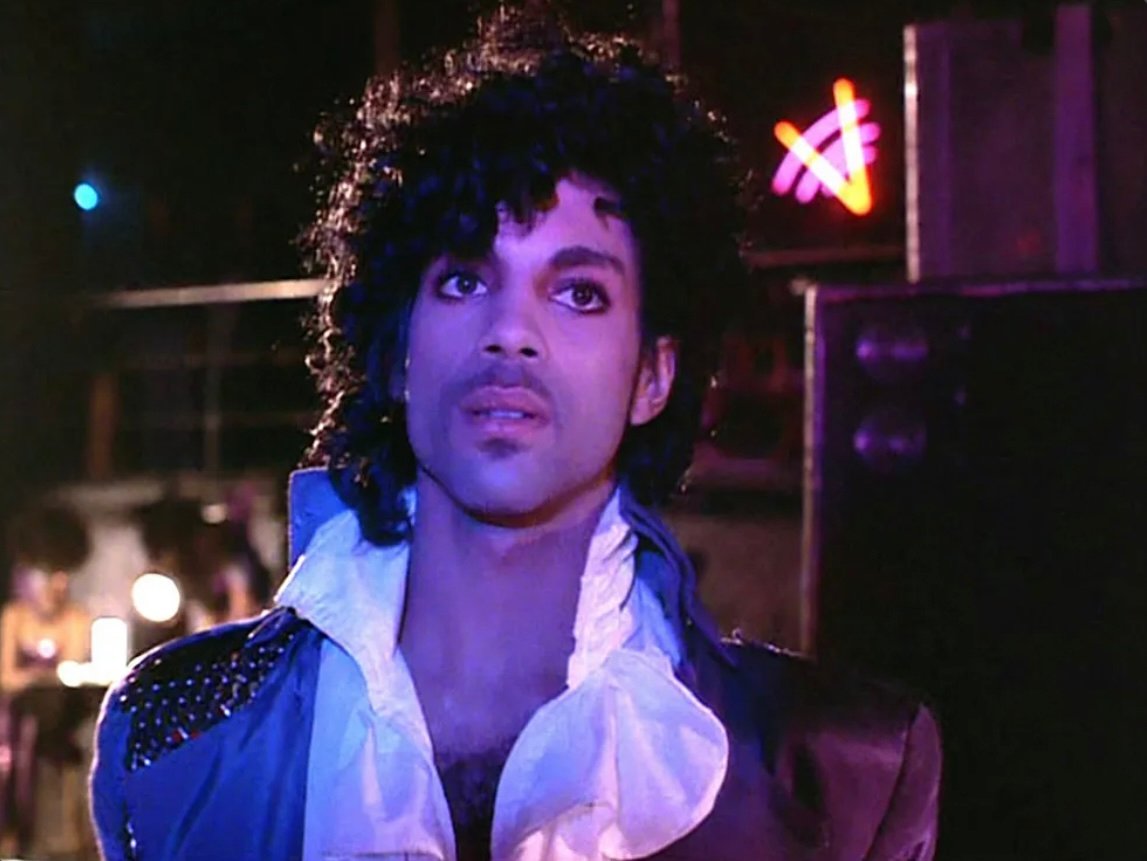
Prince Roger Nelson, known simply as Prince, transformed the music landscape through his innovative sound and genre-defying artistry. Emerging in the late 1970s, he fused elements of funk, rock, R&B, and pop, establishing a unique sonic identity that would inspire countless artists across generations. His 1984 album, “Purple Rain,” not only solidified his status as a musical powerhouse but also lengthened the boundaries of popular music, emphasizing a seamless blend of styles that became his signature. This genre-blending approach opened doors for artists to explore and mix influences in ways that were previously unaccepted in the mainstream music industry.
Prince was a pioneer in challenging the conventional norms regarding artistic ownership and control. His public battles with major record labels over the rights to his music emphasized the importance of artistic independence, setting an example for future musicians. By changing his name to an unpronounceable symbol and advocating for artist rights, he catalyzed discussions within the industry about ownership and intellectual property, prompting musicians to reconsider their contracts and the way they engage with record companies. His ethos has echoed throughout the industry, inspiring a new wave of independent artists to seek creative autonomy.
In concert, his performances showcased a level of musicianship and artistry that was unparalleled. Prince’s ability to connect with audiences through emotive vocals and dynamic stage presence solidified his reputation as one of the greatest live performers. His cultural impact extends beyond music; he became a symbol of self-expression and individuality, influencing fashion, social movements, and even various art forms. Today, Prince’s legacy remains vibrant, with both fans and fellow musicians honoring his contributions. His untimely passing in 2016 left an indelible mark on the music industry, igniting conversations about his groundbreaking approach and inspiring future generations to strive for artistic integrity and innovation.
The Circumstances Surrounding His Death
Prince Rogers Nelson, known simply as Prince, was found unresponsive at his estate in Chanhassen, Minnesota, on April 21, 2016. This tragic event marked the end of a remarkable career and life that had a lasting impact on the music industry. Prior to his death, Prince had experienced notable health issues which led to increased scrutiny of his condition. Reports indicated that he had battled a severe bout of influenza, which had taken a toll on his health in the months leading up to his passing.
In addition to his health challenges, Prince had been known to use prescription drugs, particularly a powerful opioid known as fentanyl, which was revealed through subsequent investigations. The timeline of events leading to his death illustrates a concerning pattern. On April 15, just days before his death, Prince’s private plane made an unscheduled landing in Moline, Illinois, reportedly due to a medical emergency. When the authorities arrived to investigate, they found him in need of immediate medical attention, which he received. However, this incident foreshadowed the more tragic event that was to come.
On the day he was found, emergency responders attempted to revive him after he had been discovered unresponsive in an elevator at his residence. The initial investigation raised numerous questions, as law enforcement officials worked to piece together the facts surrounding his untimely death. Following an autopsy performed by the Midwest Medical Examiner’s Office, the results confirmed that Prince had died from an accidental overdose of fentanyl, highlighting the growing concern about opioid use in the United States.
The public reaction to Prince’s death was profound, as fans, fellow musicians, and family members mourned the loss of a legendary figure in music. The news resonated beyond his immediate circles, drawing comments from various industries and communities, prompting a larger conversation about mental health, substance abuse, and the responsibility of the industry. This tragic episode not only shocked his admirers but also left many unanswered questions about the factors leading to his demise and the industry practices surrounding artists’ health and well-being.
Ownership of His Music and Estate
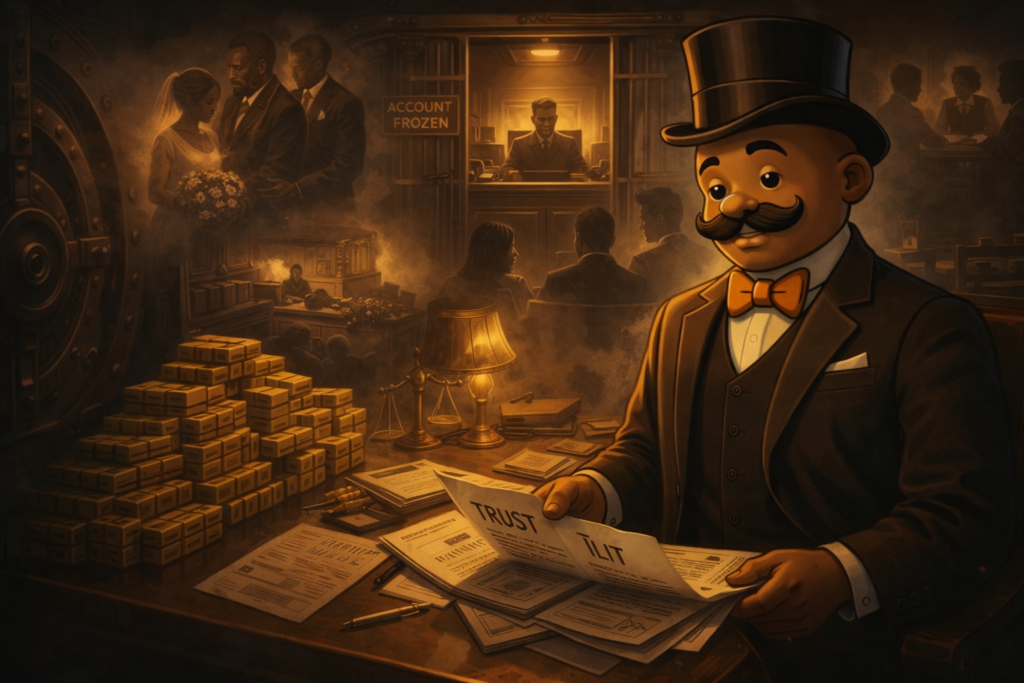
Prince, who was known for his extraordinary musical talent and innovative approach to the industry, left behind an extensive catalog of music and unreleased works, the ownership of which has become a complex legal issue since his untimely death in 2016. As one of the most influential artists of his time, the control over his estate not only includes his significant discography but also the rights to unreleased recordings, music videos, and various other creative outputs. This intricate web of ownership has led to disputes between family members, legal representatives, and record labels, each of whom claims interest in his artistic legacy.
The primary legal battles have centered around Prince’s estate, particularly the claims raised by his siblings and the efforts of his heirs to assert their rights over the vast financial and artistic resources. The absence of a clear will further complicates these disputes, raising critical questions about the distribution of his assets, which are estimated to be worth hundreds of millions of dollars. Moreover, these legal challenges reflect larger industry practices regarding artists’ rights and their control over intellectual property. Traditionally, many musicians relinquish significant rights to their works to record labels, which often leads to conflicts between creative vision and commercial interests.
The implications of these ongoing battles extend beyond legal dichotomies; they resonate deeply with fans who wish to connect with Prince’s music. As decisions are made regarding the release of albums, archival projects, and the representation of his artistic vision, fans remain invested in understanding how these changes might affect future access to his legacy. Ultimately, the disputes surrounding Prince’s estate spotlight the evolving landscape of artist rights, a subject that is becoming increasingly pertinent in discussions about music ownership and creative control in today’s industry.
Unanswered Questions and Conspiracy Theories
The sudden death of the music icon Prince has given rise to a plethora of unanswered questions and conspiracy theories that continue to captivate public interest. The circumstances surrounding his untimely passing on April 21, 2016, have led to rampant speculation, especially concerning potential foul play. Was his death merely an unfortunate accident due to a prescription drug overdose, or were there other, more sinister forces at work? These inquiries have fueled various conspiracy theories that suggest the existence of hidden motives behind his death.
One prominent theory posits that Prince’s vocal opposition to certain elements within the music industry may have played a role in his demise. Throughout his career, he was known for challenging the traditional norms of music distribution and artist ownership, advocating for the rights of musicians to control their own work. This defiance may have led some to believe that powerful entities within the industry could have had a vested interest in silencing him. While such claims appear far-fetched to many, they nonetheless reflect the ongoing intrigue surrounding his legacy.
Additionally, the role of prescription drugs in Prince’s life complicates the narrative surrounding his death. The artist was known to struggle with pain management issues, and reports reveal he had been prescribed opioids, leading to discussions about addiction and mental health in the context of celebrity culture. The secrecy surrounding his personal struggles, including his reluctance to seek help, has added layers to the narrative, prompting further investigation into the events leading up to his passing.
The public reaction to Prince’s death has remained intense and emotional, serving as a testament to his enduring legacy. Conversations about unanswered questions and unfolding theories will likely linger for years, reflecting society’s ongoing fascination with unclosed chapters in the lives of iconic figures. Ultimately, these discussions contribute to the complex tapestry of Prince’s life and the enduring impact he has left on music and culture.