
Early Life and Upbringing
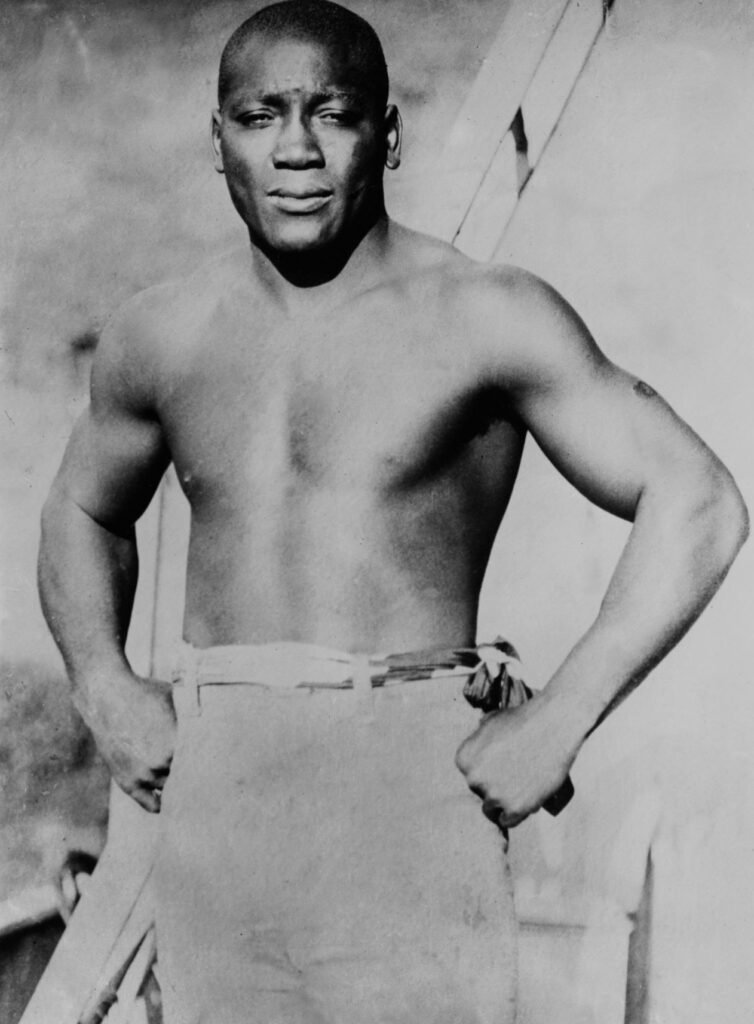
Jack Johnson was born on March 31, 1878, in Galveston, Texas, amidst a backdrop of racial segregation and economic disparity. His parents, Henry and Tina Johnson, were former slaves, and their experiences directly influenced Jack’s upbringing. The family faced numerous challenges in a society that relegated African Americans to the margins, where opportunities for advancement were scarce. Despite these obstacles, his parents instilled in him a strong work ethic and a sense of pride in his heritage.
Johnson’s childhood was marked by the harsh realities of living in a racially divided America. He experienced firsthand the discrimination and limitations placed on Black individuals. These experiences fueled his determination to rise above societal expectations and pursue his aspirations. The socio-economic conditions during his formative years saw many African Americans struggling for basic rights and access to education, yet Jack Johnson remained resolute in his ambitions.
These early experiences profoundly shaped Johnson’s character and resolve. Facing systemic adversity, he cultivated a fierce ambition that propelled him toward success in boxing. The socio-political climate of the late 19th century, compounded by his family’s influence, played a pivotal role in molding Johnson into the legendary figure he would eventually become. His early life was not merely a precursor to his boxing career but a defining period that laid the foundation for his identity as a trailblazer in a sport that was systematically closed to Black athletes.
Rise to Fame and Championship Success
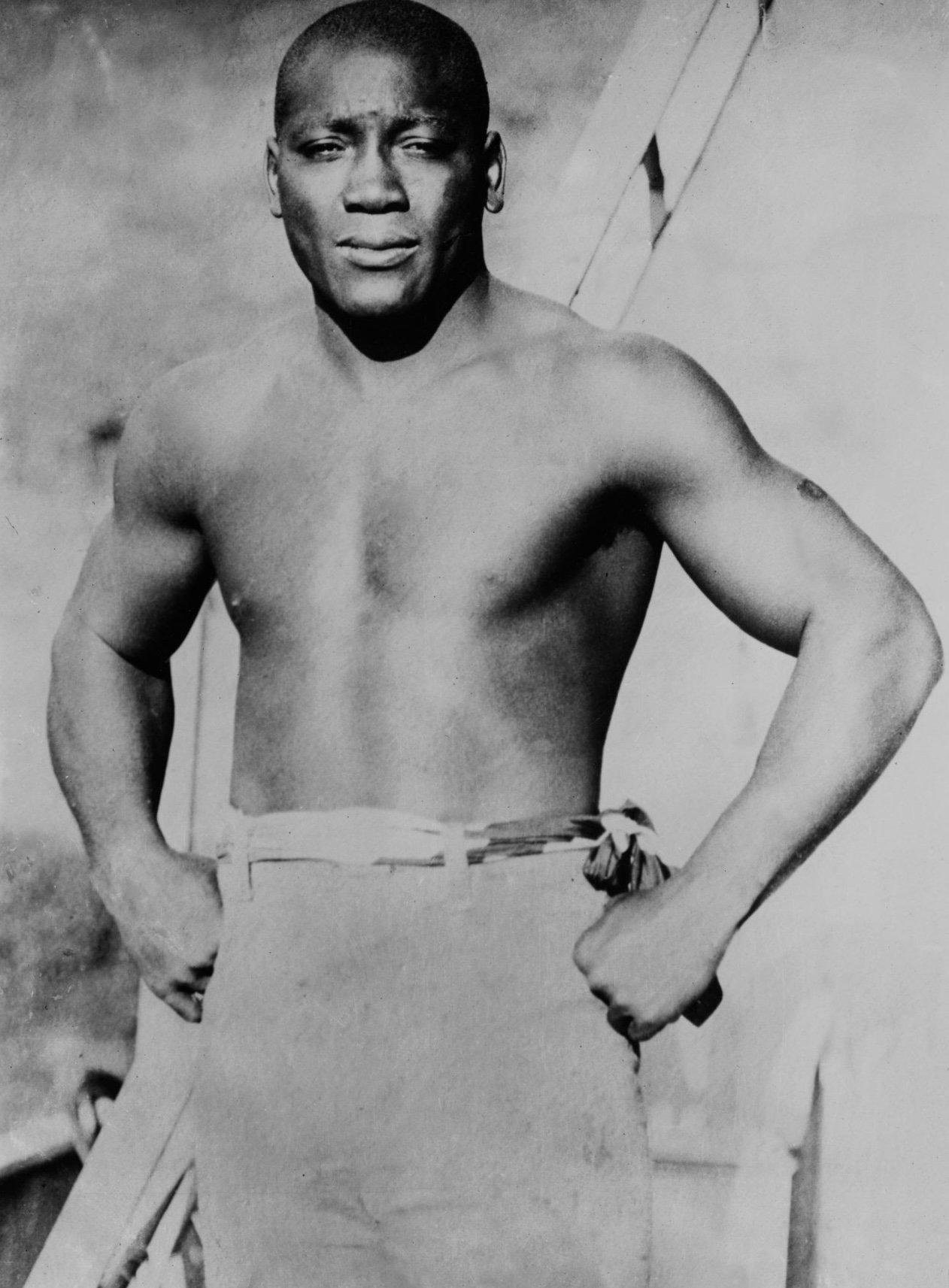
Jack Johnson’s ascent in the boxing world is not only a tale of athletic prowess but also a significant chapter in the fight against racial inequality in America. Born in 1878 in Galveston, Texas, Johnson’s journey began in a racially segregated society that offered scant opportunities for African Americans. Nevertheless, he displayed boundless determination, competing against various opponents and consistently emerging victorious. His early fights in the late 1890s and early 1900s against both black and white boxers showcased his exceptional skills and tenacity.
Johnson’s relentless pursuit of greatness began to bear fruit as he amassed a series of impressive victories. His performances caught the attention of fans and promoters alike, leading to his eventual shot at the heavyweight title. The pivotal moment in his career came in 1908 when he faced then-champion Tommy Burns. Despite the overwhelming racial tensions surrounding the match, Johnson emerged victorious, claiming the heavyweight championship and making history as the first African American to do so. This milestone was monumental, shattering the color barrier in boxing and igniting fervent reactions from supporters and detractors.
The public’s response to Johnson’s success was a complex tapestry of admiration and hostility. Many in the racially charged society of the time viewed his triumph with disdain, as his victory illuminated the uncomfortable reality of an African American champion. Media portrayals often oscillated between reverence for his abilities and derogatory comments reflecting societal prejudices. Johnson’s flamboyant lifestyle and unyielding confidence further fueled the animosity directed towards him. He lived openly, flaunting his success and defying the conventional expectations placed on black men of his era. His very presence as a champion posed a direct challenge to the social norms of the early 20th century and laid the groundwork for future generations of athletes fighting against racial injustice.
Controversies and Racial Tensions
Jack Johnson, the first Black heavyweight champion, was a figure who garnered immense admiration but also faced considerable controversies stemming from his personal life and the societal norms of his era. One of the primary sources of contention was Johnson’s relationships with white women, which provoked outrage among many segments of white society. At a time when racial segregation and discrimination were deeply entrenched in the United States, Johnson’s defiance of these societal norms not only astounded his contemporaries but also incited vehement backlash against him. His open romantic relationships with white women became a flashpoint for racial tensions, fueling animosity and aggression from those who felt threatened by his success and visibility.
In 1913, Johnson faced legal troubles that culminated in his conviction for violating the Mann Act, a law that prohibited the transportation of women across state lines for immoral purposes. This charge was widely viewed as racially motivated, representing not just a personal assault against Johnson but a broader attempt to undermine the achievements of African Americans during a period of systemic racism. The aftermath of his conviction led Johnson to a life on the run, reflecting the precarious position he occupied as a Black man of prominence in a racially divided America. His legal battles and subsequent societal ostracism drastically impacted his boxing career and public image.
Johnson’s championship reign unfolded during an era of intense racial strife. His success in the ring made him a source of pride for many African Americans, who saw him as a symbol of resilience against systemic oppression. However, this also positioned him as a provocative figure, evoking ire among those who felt his success challenged the racial hierarchy of the time. Thus, Jack Johnson remains a complex figure whose life and legacy illustrate the intersecting themes of race, identity, and the determined fight for personal autonomy within the bounds of a deeply divided nation.
Later Years and Legacy
Jack Johnson faced considerable challenges in his later years, particularly following his boxing career, which was marked by both triumph and controversy. After becoming the first Black heavyweight champion, Johnson’s victories in the ring were overshadowed by societal issues, including racial discrimination and legal battles. Following his conviction for transporting a white woman across state lines in 1913, he spent years in exile, living in Europe and battling the stigma attached to his legacy. During this time, he struggled to find meaningful work, as many opportunities in the sports world were closed off to him due to his race and the social climate of the time.
It was not until the late 1920s that Johnson made his return to the United States. Upon his arrival, he engaged in various forms of activism, advocating for civil rights and equality in a tumultuous era. His experience as a pioneering athlete allowed him to wield his influence in promoting the idea that sports could play a role in the fight against racial inequality. Johnson’s activism was particularly important as it contributed to the broader civil rights movement and inspired future generations of athletes to leverage their platforms for social change.
Johnson’s legacy as a trailblazer in the realm of sports cannot be overstated. His status as a pioneering Black athlete opened doors for the countless individuals that followed in his footsteps, including future champions in boxing and other sports. Even years after his death, Johnson continues to be a symbol of resilience and strength, reminding us of the intersection between race and athletics. In recognition of his impact, several posthumous honors have been awarded to him, reaffirming his place in American sports history. As discussions around race and sports continue to evolve, Johnson’s remarkable journey remains relevant, encapsulating the ongoing struggle for equality and representation in athletics.