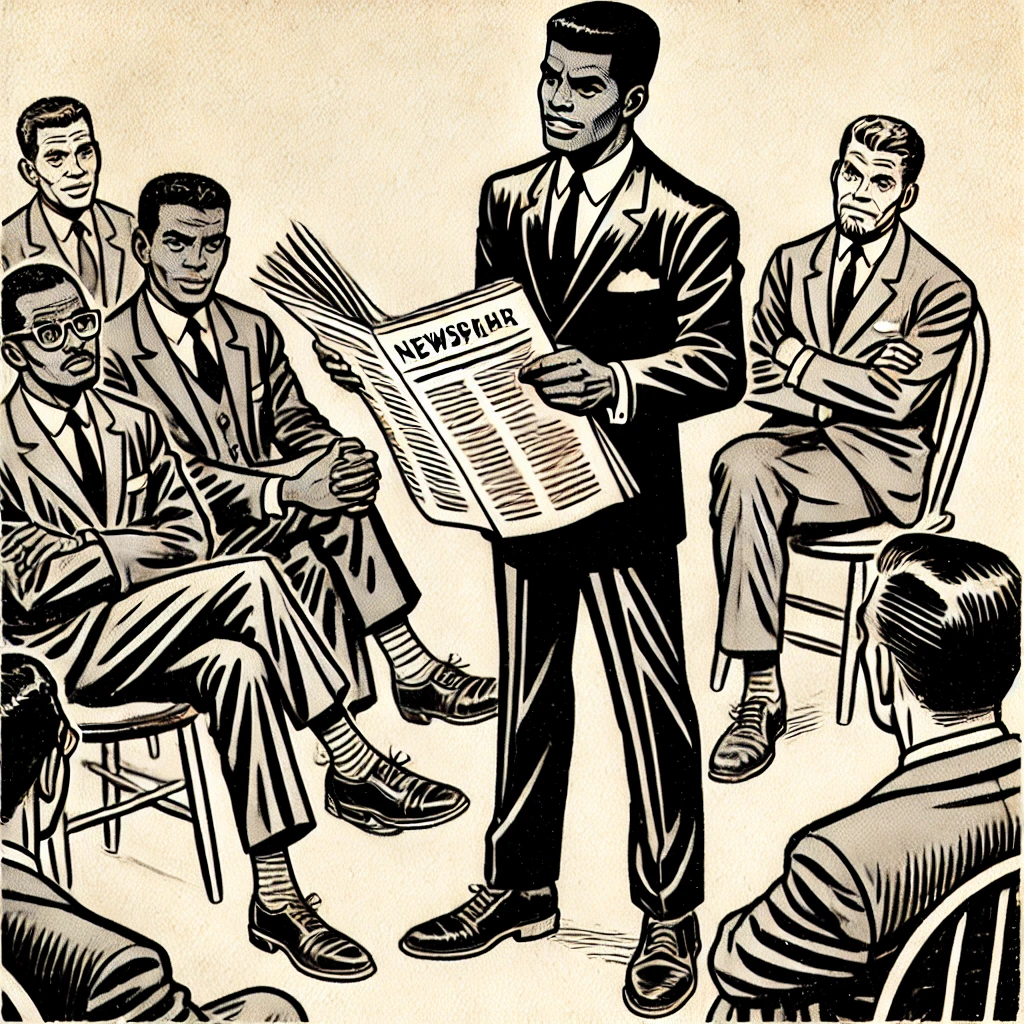

The Context of the Vietnam War
The Vietnam War, a protracted conflict that lasted from the late 1950s to 1975, was a significant event that shaped global geopolitics and domestic sentiments in the United States during the 1960s. At its core, the war was fueled by the desire to contain communism, a guiding principle of American foreign policy during the Cold War. U.S. involvement escalated following the Gulf of Tonkin incident in 1964, leading to the introduction of combat troops in a bid to support the South Vietnamese government against the communist North Vietnamese and the Viet Cong insurgents.
As the conflict intensified, public opinion began to shift dramatically. Initially, many Americans supported the war effort, viewing it as a necessary measure to halt the spread of communism. However, by the mid-1960s, a growing number of citizens began to voice their opposition. The draft system, which required young men to serve in the military, became a focal point for dissent. As the war became increasingly costly in terms of lives and resources, protests erupted across the nation, with demonstrators questioning the justification for U.S. involvement and advocating for peace.
In addition to protests, there was a broadening anti-war movement that incorporated diverse groups, including civil rights activists, students, and veterans. This movement sought to challenge not only the war itself but also the underlying racial and economic inequalities that affected those who were drafted. The widespread discontent with the war provided a backdrop for significant cultural and political change, culminating in events that called for ethical considerations in matters of war and peace.
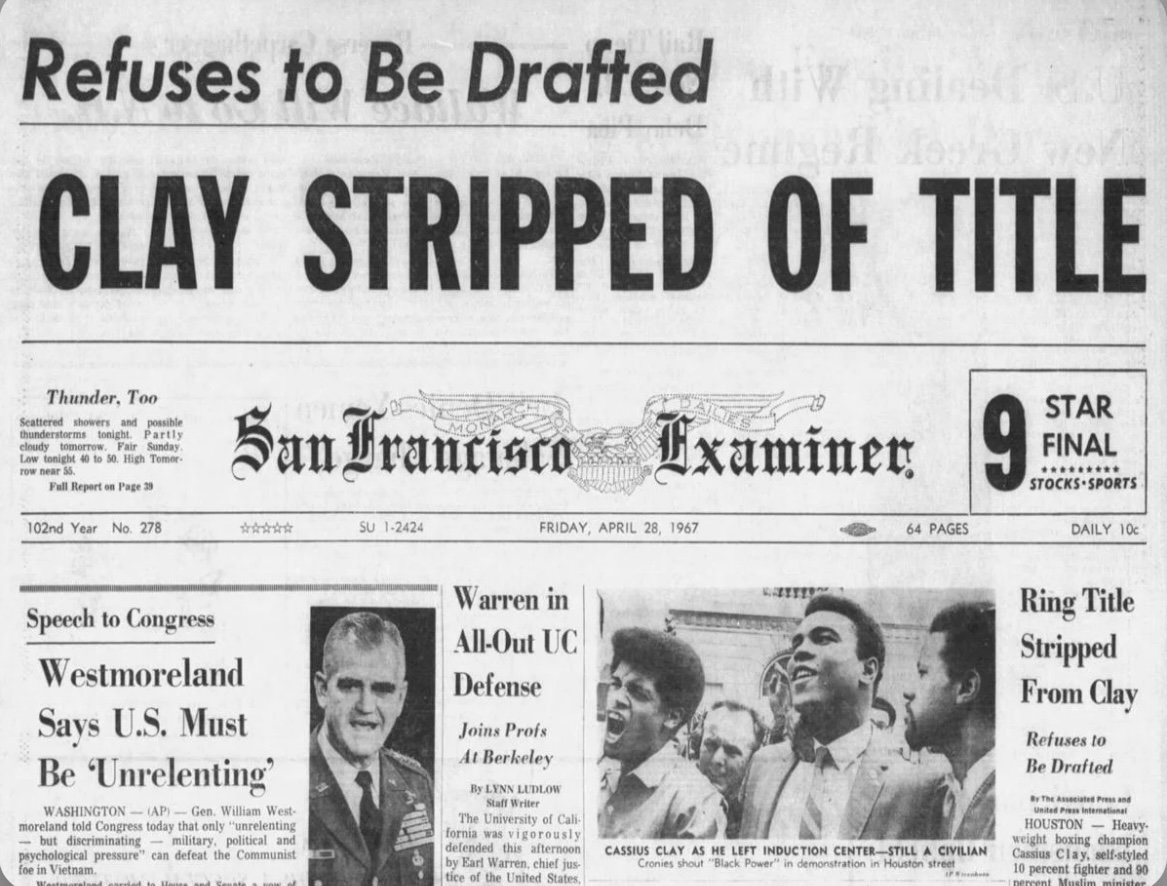
The societal turmoil surrounding the Vietnam War set the stage for iconic figures like Muhammad Ali, who would later become emblematic of dissent. His refusal to be drafted into the military service on April 28, 1967, was not simply an act of defiance; it was a powerful statement that echoed the sentiments of an entire generation grappling with issues of conscience, justice, and personal belief amidst a contentious conflict.
Muhammad Ali’s Refusal to Serve
Muhammad Ali’s refusal to serve in the Vietnam War on April 28, 1967, marked a pivotal moment in American history and showcased the intersection of personal beliefs and political activism. Ali, born Cassius Clay, was not only a world-renowned boxer but also a prominent figure in the civil rights movement. His decision stemmed from deeply held religious convictions and his affiliation with the Nation of Islam, which advocated for self-determination and a rejection of militarism for people of color.
When drafted into the United States Army, Ali famously stated, “I ain’t got no quarrel with them Viet Cong. No Viet Cong ever called me nigger.” This assertion articulated his view that the war was unjust and had nothing to do with his own identity or struggles as an African American. The opposition he faced was significant, yet his conviction remained unwavering. Ali believed his religious convictions compelled him to stand against what he viewed as a morally reprehensible conflict.
The backlash from his refusal was immediate and fierce, with many Americans labeling him as unpatriotic. Public sentiment at the time was largely supportive of the war, and Ali became a target for widespread criticism. However, his defiance also garnered significant support among civil rights activists and those opposed to the Vietnam War. Witnesses surrounding the event reported observing Ali’s unshakeable conviction, noting that his resolve extended well beyond the boxing ring.
Throughout the years, Ali’s stance has been increasingly admired, as it reflects a commitment to personal beliefs, social justice, and the complexities of dissent in America. His refusal to serve became a symbol for broader movements that questioned authority, fought for civil rights, and demanded equality, solidifying Muhammad Ali’s role as not just a sports figure, but an indelible part of American history. His legacy continues to inspire those who stand for their principles even in the face of overwhelming opposition.
Consequences of Stripping the Title
The decision to strip Muhammad Ali of his heavyweight title on April 28, 1967, marked a significant moment in sports history, with repercussions that extended far beyond the boxing ring. Following his refusal to be inducted into the United States Army, citing religious beliefs and opposition to the Vietnam War, Ali faced immediate and severe consequences. Not only was he stripped of his title, but he also faced a five-year ban from boxing and was fined $10,000. These actions initiated a series of legal battles that would occupy much of his time in the subsequent years, as Ali sought to regain both his boxing license and heavyweight championship.
The public reaction to Ali’s refusal to serve was deeply divided. Many admired his conviction and commitment to his principles, viewing him as a symbol of resistance against the Vietnam War and racial injustices. However, a significant portion of the American populace condemned him, perceiving his actions as unpatriotic. This polarization reflected broader societal tensions of the era, where sports became intertwined with national identity and civil rights. The government and boxing officials portrayed Ali’s stance as one that undermined the values of American patriotism, further complicating the public discourse regarding civil rights. Ali’s stance caught the attention of civil rights activists, who began to rally around him, elevating his significance beyond that of a mere sports figure.
The stripping of Ali’s title also resulted in a lasting impact on his boxing career. While the ban sidelined him for nearly four years, it effectively turned him into a cultural icon and a voice for social justice. The legal battles he engaged in ultimately paved the way for future athletes to take stands for their beliefs. This event not only transformed Ali’s trajectory but also played a crucial role in highlighting the intersection between sports and activism during a tumultuous time in American history. The repercussions of this moment catalyzed changes in both the sports world and the civil rights movement, making it an indelible chapter in the narrative of American culture.
Ali as a Symbol of Resistance and Activism
In the wake of Muhammad Ali’s title stripping in 1967, he not only became a figure synonymous with resistance but also a prominent icon of civil rights activism. His refusal to be conscripted into the Vietnam War was grounded in his deeply held beliefs about equality and justice. Ali’s statement “I ain’t got no quarrel with them Viet Cong” resonated deeply during an era marked by widespread civil unrest and anti-war sentiment, particularly among African Americans and those advocating for social equity. The significance of his stance extended beyond the boxing ring, capturing the struggles of those who faced systemic oppression.
Ali’s action sparked a national dialogue about the intersection of sport, politics, and civil rights. By standing resolutely against the draft, he positioned himself as a voice for the voiceless, aligning with broader movements that sought to dismantle institutional racism and militarism. His resistance was a rallying cry for activists, igniting passion in those advocating for peace and equality. Ali’s courage to challenge authority, often at great personal cost, elevated him to a status nearly mythic; he became a symbol of defiance against injustice.
Following a lengthy legal battle and a three-year hiatus from boxing, Ali returned to the sport, effectively reintegrating himself into society while continuing to champion social issues. His legacy expanded far beyond his athletic accomplishments; he became a beacon of hope and a catalyst for change for future generations. The narrative of Muhammad Ali illuminates the pivotal role celebrities can play in social justice, inspiring a new wave of activists who recognize the power of their platform. The ongoing dialogue around celebrity activism owes much to Ali’s pioneering efforts; his actions laid the groundwork for contemporary figures who similarly leverage their influence for positive change.









2 Responses