

The Rise of Amanirenas: A Historical Overview
Queen Amanirenas emerged as a significant figure in ancient history, hailing from the Kingdom of Kush, located to the south of Egypt. Her origins can be traced back to a time when the Kingdom was a powerful and prosperous entity, known for its rich resources and strategic location. Amanirenas likely belonged to the royal lineage, which granted her the privilege and responsibility of leadership during an era when female rulers were a rarity in a predominantly patriarchal society.
The ascent of Amanirenas to power occurred during a tumultuous period marked by conflict and territorial disputes with Egypt. Following the invasion of Kush by Augustus Caesar, Amanirenas took control of her kingdom and positioned herself as a formidable leader. Her determination was fueled by the desire to protect her homeland from foreign aggression and to establish her reign based on strength and resilience. This was a significant departure from the traditional view of women in her time, who were often limited to domestic roles.
Amanirenas’s leadership was characterized by her military prowess as well as her ability to negotiate alliances. Historical records indicate that she marred her strategic capabilities with diplomatic initiatives, which ultimately helped to unite various factions within her realm. The conflicts against the Romans, particularly during her reign in the 1st century BC, served not only to solidify her reputation as a warrior queen but also significantly impacted the socio-political landscape of the region. These key events set the stage for her legendary status and illuminated her role both as a military commander and as a political strategist within the wider context of Kushite society.
The War Against Rome: Amanirenas as a Warrior Queen
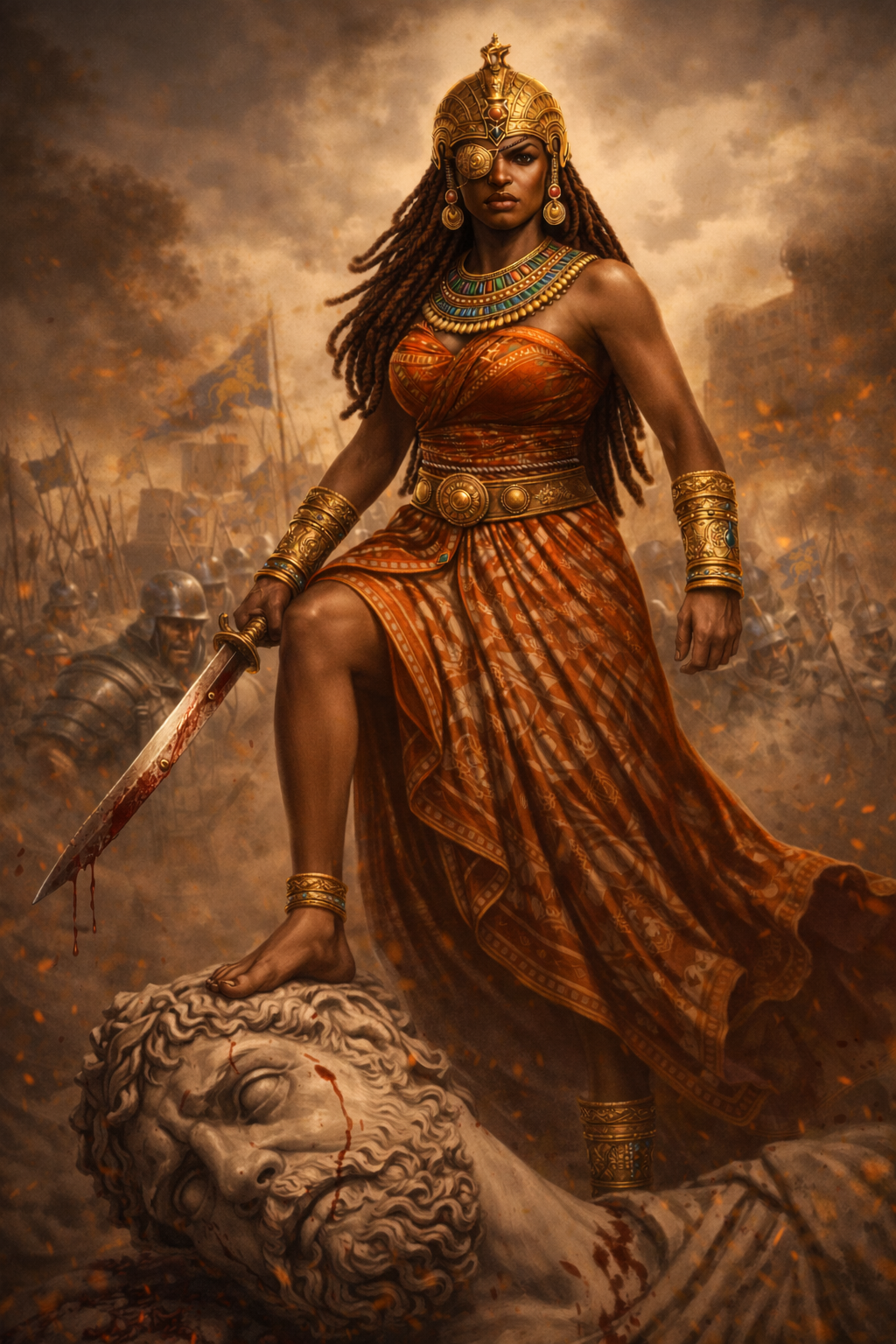
Queen Amanirenas, the esteemed ruler of the Kingdom of Kush, is primarily remembered for her fierce and successful military campaigns against the expansive forces of the Roman Empire during the reign of Emperor Augustus. In a series of confrontations that unfolded around 30 BCE, Amanirenas demonstrated her extensive leadership capabilities, employing strategic military tactics that would ensure her kingdom’s independence from Roman dominion.
The conflict began as Rome sought to expand its territories, threatening the sovereignty of neighboring kingdoms, including Kush. Amanirenas, understanding the significance of her position, rallied her troops and initiated bold military campaigns. Her forces, notable for their resilience and commitment, utilized guerrilla warfare tactics, ambushing Roman legions and executing surprise attacks that often led to significant victories. These tactics were instrumental in overcoming the challenges posed by a more technologically advanced army.
One of the most notable engagements occurred during the Roman invasion, where Amanirenas’s army, significantly outnumbered, displayed exemplary valor. The battle tactics of her forces included the use of the terrain to their advantage, as well as guerrilla tactics that allowed them to inflict considerable damage on the Roman troops. As a result of these engagements, Kush maintained its autonomy, and Amanirenas emerged as a symbol of resistance against imperial expansion.
Apart from military prowess, Amanirenas’s leadership became emblematic of strength and bravery and served as a significant motivator for her people. Her success in repelling the Roman forces fostered a sense of unity among the Kushites, reinforcing their cultural identity in the face of external threats. The enduring legacy of her reign and military campaigns continues to resonate, showcasing her as a paramount figure in the annals of history, particularly in the context of resistance against imperial dominance.
Cultural and Religious Contributions of Queen Amanirenas
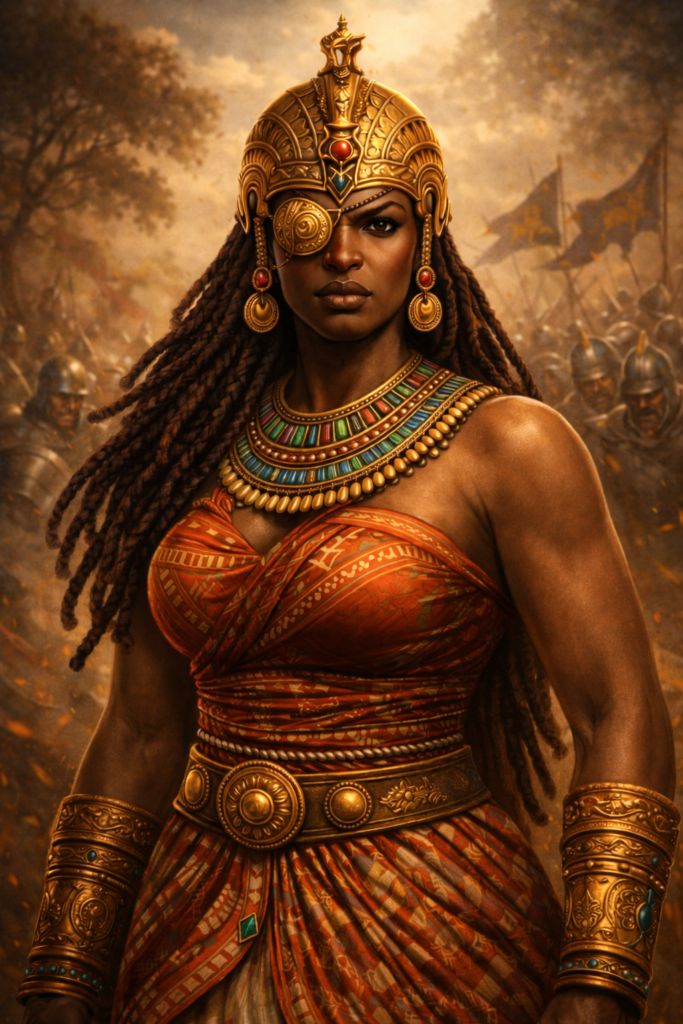
Queen Amanirenas, a pivotal figure in the history of Kush, made remarkable contributions to the cultural and religious spheres, leaving an indelible mark on Nubian heritage. Her reign was characterized by an emphasis on the arts, with notable patronage of various artistic endeavors that enriched the cultural tapestry of her kingdom. One of her significant contributions was the commissioning of grand architectural projects, including temples dedicated to both traditional Kushite deities and newly embraced practices. These structures served not only as places of worship but also as symbols of her power and commitment to the spiritual well-being of her people.
Amanirenas was integral to the revitalization of local belief systems, fostering a syncretism that allowed various religious traditions to coexist. Her encouragement of the arts extended beyond architecture to include sculpture, pottery, and jewelry, which flourished during her reign. Artistic expressions of this period reflected both the strength of a warrior queen and the profound spirituality of the Kushite people. Statues and reliefs often depicted her in a formidable manner, reinforcing her status not only as a ruler but also as a divine figure, encapsulating the interrelation between leadership and religion.
The economic prosperity of Kush during her reign facilitated these cultural advancements, as resources were allocated to support artists and religious practices. Moreover, Amanirenas’s cultural policies helped promote a sense of unity among her subjects, strengthening their identity and pride in their Nubian roots. Her legacy is evident in the continued reverence for these artistic and religious traditions by subsequent generations, showcasing her role as a catalyst for cultural evolution in Kush. The enduring influence of Queen Amanirenas is thus reflected in the vibrancy of Nubian culture that thrived both during and long after her reign.
A Legacy Remembered: The Lasting Impact of Amanirenas
Queen Amanirenas, the formidable warrior queen of the Kingdom of Kush, has left an indelible mark on both historical narratives and contemporary culture. Her reign during a time of conflict with Rome showcases her tenacity and strategic prowess, positioning her as a symbol of resistance against imperial domination. This imagery has resonated through the ages, with Amanirenas emerging as an iconic figure exemplifying the strength of female leadership.
The story of Amanirenas is remembered not only in historical texts but also celebrated in modern interpretations. Scholars have revisited her life, bringing to light her contributions and the socio-political dynamics of her era. Recent academic discussions emphasize her role in the increasingly relevant dialogue surrounding the empowerment of women in history, illustrating how her legacy transcends time and geography. Through literature and scholarly work, her narrative has been examined within the context of empowering leadership, emphasizing that women have historically wielded power and influence.
Furthermore, Amanirenas’ legacy has found its way into the realms of literature and film, where her character has inspired various portrayals reflecting contemporary themes of strength and resilience. From novels to cinematic adaptations, these representations honor her legacy by emphasizing her strategic genius and unyielding spirit. Portrayals often encapsulate broader meanings of empowerment, serving as a touchstone for discussions about gender equality and social justice.
Ultimately, Queen Amanirenas embodies a remarkable narrative of resistance and leadership, and her legacy continues to inspire and captivate those who seek to understand the complexities of women’s roles throughout history. By examining her life and the narratives associated with it, we gain valuable insights into the ongoing discourse surrounding female empowerment, leadership, and the importance of remembering the past to inform the future.