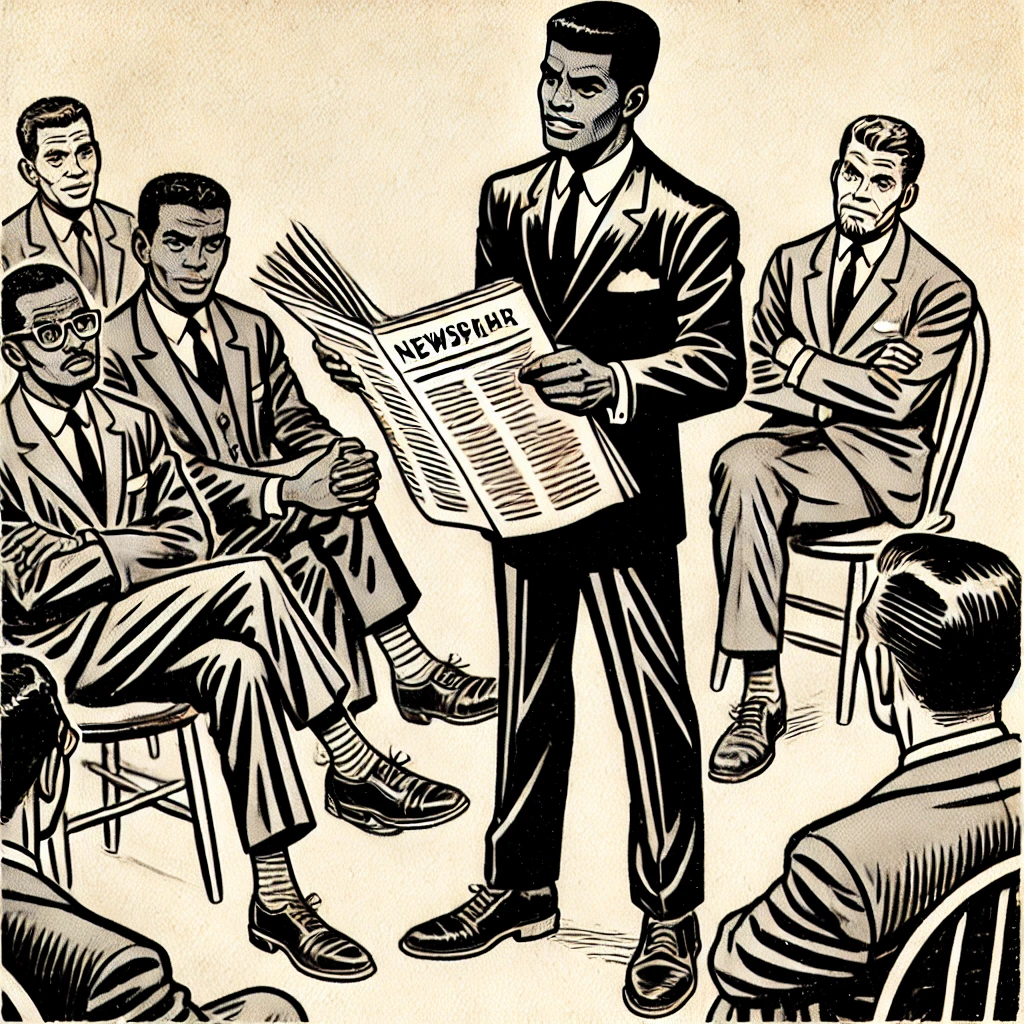


Early Life and Background
Jeremiah Hamilton was born in the West Indies around 1807, amidst a society deeply rooted in sugar plantations and colonial economies, which defined the socio-economic landscape of the time. There is limited information regarding his family background; however, it is evident that the environment Hamilton grew up in was strife with complexities. The Caribbean was dominated by colonial rule, and for many, opportunities for advancement were restricted by the prevailing socio-political attitudes. His heritage as a person of color in a predominantly white society likely shaped his perspective on wealth and ambition.
Emerging from this backdrop, Hamilton migrated to the United States, driven by aspirations for economic success and a desire to change his fortunes. Arriving in the early 19th century, he found himself amidst a rapidly growing nation, characterized by the rise of capitalism and industrialization. During this period, Wall Street was becoming the financial epicenter of the United States, with burgeoning opportunities for individuals willing to navigate its complexities. However, racial discrimination and systemic barriers posed unique challenges that Hamilton had to overcome.
In a society that often marginalized people of color, Hamilton’s journey signifies a broader narrative of resilience and determination. His early life experiences would influence his later strategies and dealings in finance, as he sought to dismantle the socio-economic barriers that limited the possibilities for individuals from similar backgrounds. By the time he firmly established himself in the financial landscape of New York, even in the face of adversity, Hamilton’s story would become a testament to the potential for success against the odds, laying the foundation for his future as Wall Street’s first Black millionaire.
Rise to Wealth: The Hedge Fund Pioneer
Jeremiah Hamilton’s journey to wealth is a remarkable tale, marked by his innovative approach to finance and adept navigation of the Wall Street landscape. As one of the first Black millionaires in America, Hamilton established himself as a pioneer in the hedge fund industry, utilizing strategies that would influence future generations of investors. His financial acumen allowed him to identify lucrative investment opportunities that were often overlooked by his contemporaries.
To build his wealth, Hamilton employed various investment strategies that included investing in real estate, stocks, and bonds. His methodical assessment of market trends enabled him to make informed decisions that maximized returns while minimizing risks. One notable strategy involved leveraging debt to acquire undervalued assets, particularly during market downturns. This approach not only diversified his portfolio but also enhanced his capital’s appreciation as the market recovered.
In a predominantly white industry rife with racial bias, Hamilton’s ability to distinguish himself was fueled by his exceptional negotiation skills and sharp instincts. He was known to cultivate relationships with influential figures on Wall Street. By doing so, he gained critical insights and opportunities that his peers might have missed. Furthermore, his innovative practices set the foundation for the modern hedge fund model, emphasizing the importance of risk management and the strategic allocation of capital across various sectors.
Moreover, Hamilton’s ventures into insurance and transport sectors showcased his understanding of emerging markets, exemplifying his proactive mindset. He consistently looked for gaps in the market, capitalizing on them to forge a path toward considerable wealth. His achievements not only contributed to his personal success but also paved the way for other aspiring Black entrepreneurs in the finance sector, leaving a lasting legacy that resonates to this day.
Confronting Prejudice: A Black Millionaire’s Battle
Jeremiah Hamilton, regarded as Wall Street’s first Black millionaire, navigated a tumultuous landscape marked by racial prejudice during his career. Born in 1806, Hamilton entered a world that was not only unwelcoming but quite hostile to individuals of African descent seeking success in finance and commerce. His journey was emblazoned with instances of systemic racism that tested his resilience and determination.
One of the most notable episodes in Hamilton’s fight against prejudice was his famous lawsuit against Cornelius Vanderbilt. Hamilton had established his standing in the shipping industry, and when he accused Vanderbilt of fraudulent practices, he faced opposition not just in the courtroom but also within the societal framework that often viewed his social ambitions as an affront. Hamilton’s legal battle, which he ultimately won, was a bold assertion of his rights and undermined the prevailing racial hierarchies of the time.
Additionally, Hamilton showed remarkable fortitude during the 1863 draft riots, a grim period when racial tensions surged in New York. Although the riots were primarily fueled by anti-Black sentiment and fears about the Union draft, Hamilton refused to allow fear to dictate his life. His courageous stance during this period went beyond mere survival; it showcased a defiance against the societal norms that sought to marginalize him. He stood his ground, often confronting those who tried to intimidate him, reinforcing his belief that his accomplishments were legitimate and deserved respect.
These instances reflect Hamilton’s unwavering resolve to claim his rightful place in a society riddled with racial biases. Through his tenacity and audacity, he not only confronted the prejudice of his contemporaries but also paved a way for future generations to aspire towards equity in the financial sector. His legacy as a pioneer in fighting racial injustice remains a significant chapter in American history.
Legacy and Contributions: More Than a Millionaire
Jeremiah Hamilton stands as a pivotal figure in American history, representing more than just wealth; he embodies the struggle and triumph of Black entrepreneurs in a racially segregated society. As Wall Street’s first Black millionaire, Hamilton’s achievements in finance and real estate are remarkable, but his contributions extend far beyond his personal success. His journey serves as an inspiration for future generations of Black investors and business leaders, providing a roadmap for navigating the complexities of a racially biased financial landscape.
Hamilton’s legacy is deeply embedded in the foundation he laid for subsequent Black entrepreneurs. By breaking barriers in the 19th century, he not only amassed wealth but also challenged the prevailing norm, demonstrating that economic power was attainable for African Americans. His strategies in investment and business ultimately opened doors that had been historically closed, signaling a shift in the societal perceptions surrounding Black financiers. As such, Hamilton can be viewed as a pioneer whose life story is critical for understanding the evolution of racial equality within the economic sphere.
Despite Hamilton’s significant impact, his contributions to the financial industry and his community have often been overlooked in historical narratives. Acknowledging figures like Hamilton highlights the necessity of expanding the traditional discourse surrounding American wealth and racial equity. His experiences shed light on the systemic barriers faced by minorities and the resilience required to overcome them. Hamilton’s story acts as a reminder of the importance of representation in financial fields and the ongoing challenges that need to be addressed to foster economic inclusivity today.
In conclusion, recognizing Jeremiah Hamilton’s life and achievements provides a valuable perspective on the contemporary financial landscape. His legacy continues to resonate, urging society to honor the contributions of Black entrepreneurs and to ensure equitable opportunities for future generations. This ongoing quest for recognition and equality remains vital as we navigate the complexities of wealth and racial dynamics in a rapidly evolving economy.










One Response
Rattling clean internet site, appreciate it for this post.