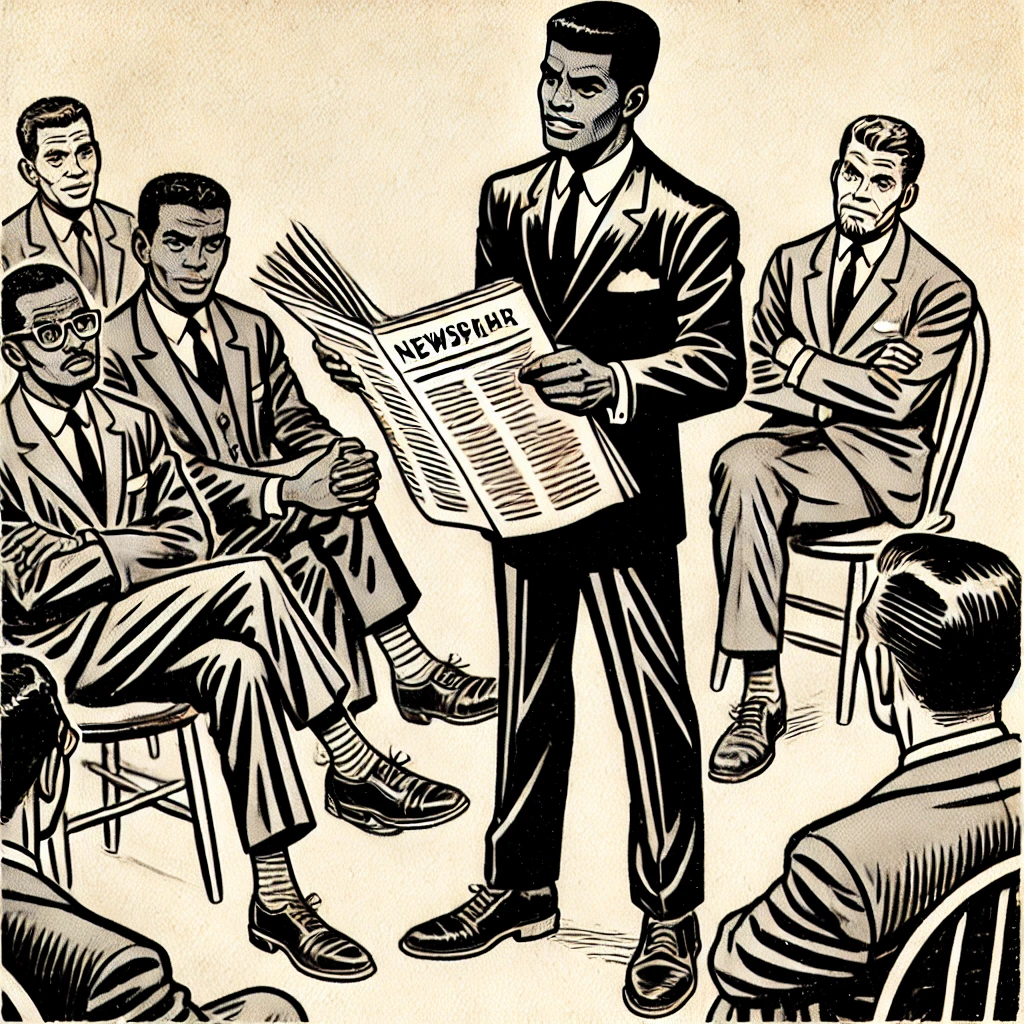

Before America existed, before plantations, before racial laws, and before the word “white” ever carried meaning, Europe was already brutal—but not divided by skin color. It was divided by power. In medieval Europe, no one woke up calling themselves white. That identity did not exist. A poor English farmer had nothing in common with a wealthy English lord, and no amount of shared skin tone could bridge that gap. Identity came from land, lineage, loyalty, and religion. You were Saxon or Norman, Irish or Frank, Catholic or Protestant, noble or peasant. Those labels determined your fate far more than complexion ever did.
Most Europeans lived under a rigid system of hierarchy where kings and nobles owned land and everyone else existed to serve it. Serfs were bound to estates they would never own, working fields they could never profit from, paying taxes they could never escape. Their lives were short, their labor exploited, and their bodies disposable. Poverty was inherited. Wealth was protected. Freedom was rare. A peasant in England was closer in social status to an enslaved laborer than to a noble of his own nation.
Religion sharpened these divisions even further. In Europe, belief defined belonging. Christian versus Muslim. Catholic versus Protestant. Christian versus Jewish. During the centuries when Africans and Arabs ruled much of Spain under Al-Andalus, darker-skinned people governed some of the most advanced cities in Europe. Cordoba and Granada had paved streets, libraries, and universities while much of northern Europe remained illiterate and rural. But when Christian kingdoms reclaimed Iberia during the Reconquista, they did more than seize land. They introduced a dangerous idea that would later shape the modern world: purity of blood.
Spain’s “limpieza de sangre” system judged people not just by belief, but by ancestry. Converted Christians with African or Jewish lineage were still considered tainted. This was not yet whiteness, but it was the blueprint. Bloodlines were being ranked. Worth was becoming inherited. Humanity was being filtered through ancestry rather than character or faith.
At the same time, Europeans themselves were being enslaved. Long before the transatlantic slave trade, bondage in Europe was common. Vikings captured and sold other Europeans across trade routes. Slavic peoples were enslaved so frequently that their name became the root of the word “slave.” Along the North African coast, thousands of Europeans were taken during raids and forced into labor within the Ottoman world. Enslavement was not racial—it was about power. Whoever controlled land, weapons, and law decided who was free.
Everything changed when Europe reached the Americas.
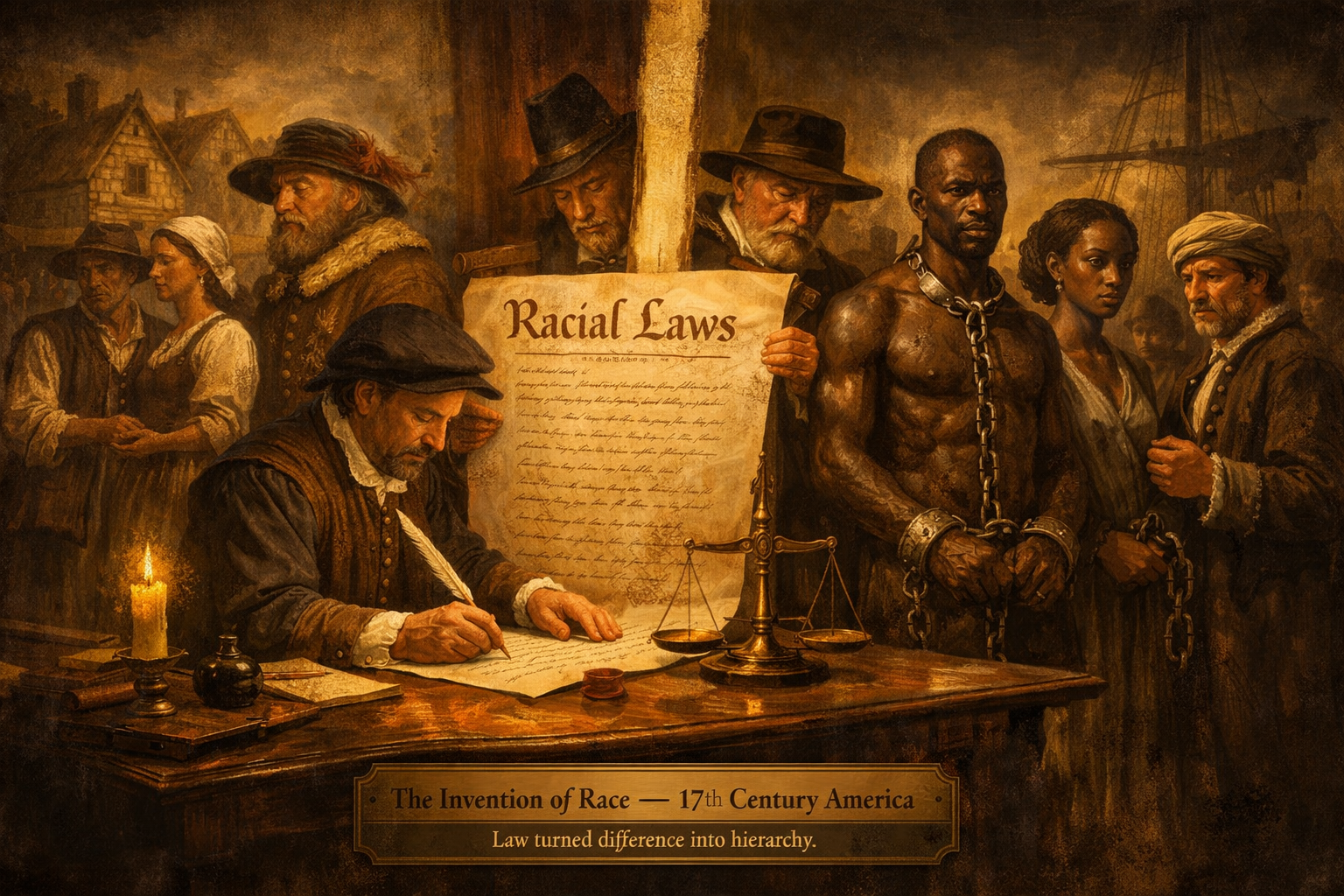
Colonial elites quickly learned a dangerous lesson: poor Europeans and Africans working together were a threat. Uprisings like Bacon’s Rebellion revealed that class solidarity could destabilize colonial power. The response was not justice, but invention. A new identity was created—one that had never existed before. “White.”
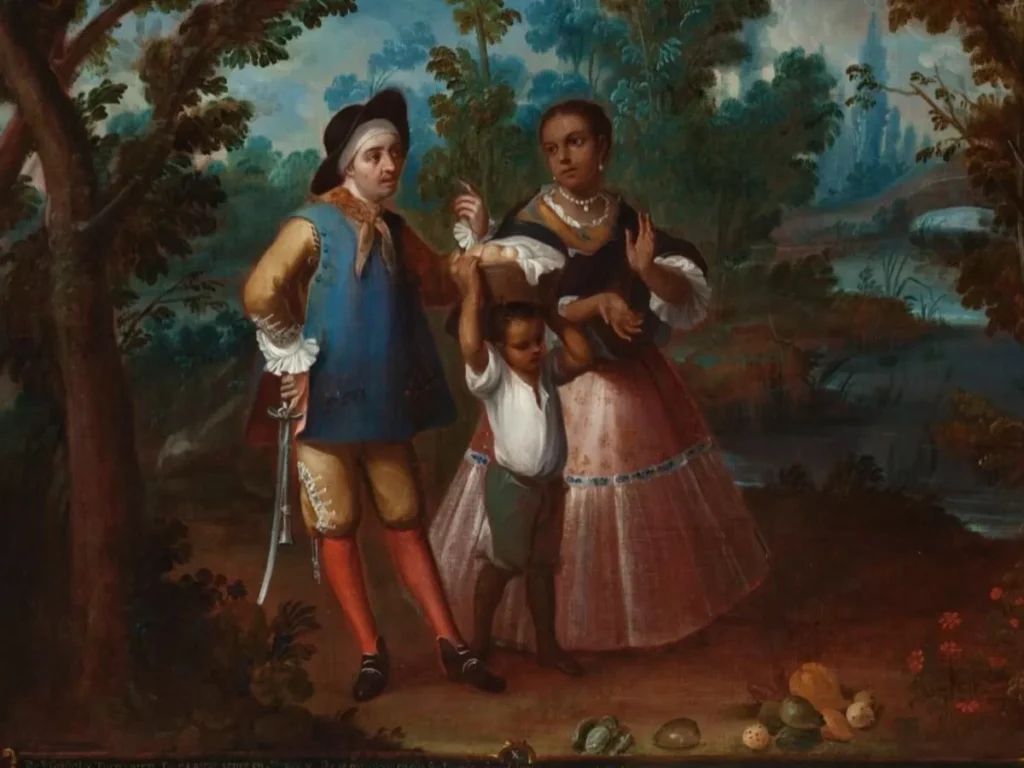
Whiteness was not culture. It was not heritage. It was law. Colonial governments passed statutes that granted poor Europeans small privileges—access to land, lighter punishments, legal protections—while Africans were stripped of humanity permanently. Slavery became lifelong. Slavery became inherited. Freedom became tied to skin color. The racial categories of “white” and “black” were born together, serving opposite purposes within the same system.
This invention worked exactly as intended. It divided laborers who might have united. It redirected anger away from elites and toward the enslaved. It gave poor Europeans a psychological wage in place of real economic power. They were no longer peasants or servants—they were white. And that label carried just enough status to protect the system that continued to exploit them.
This is why understanding history matters. Because race was never about biology. It was about control. Whiteness was created to protect wealth, not people. Blackness was imposed to justify extraction, exploitation, and permanent subjugation. Once you understand this, the modern world begins to make sense—from wealth gaps to policing, from labor inequality to global power structures.
The story we were taught was incomplete by design. But when you trace it back far enough, the truth becomes unavoidable.
Race didn’t create hierarchy.
Hierarchy created race.
❤️ Support Independent Black Media
Black Dollar & Culture is 100% reader-powered — no corporate sponsors, just truth, history, and the pursuit of generational wealth.
Every article you read helps keep these stories alive — stories they tried to erase and lessons they never wanted us to learn.
Hashtags
#BlackHistory #HiddenHistory #RaceWasInvented #Whiteness #BlackDollarAndCulture #Colonialism #PowerStructures #EconomicHistory #TruthOverMyths #GlobalHistory
Slug:
how-whiteness-was-invented-and-how-black-people-were-branded
Meta Description:
Discover how race was invented to protect power—how Europeans became “white,” how Black people were branded, and how hierarchy shaped the modern world.