
Tucked just north of New Orleans’ bustling French Quarter lies Faubourg Tremé, one of the oldest Black neighborhoods in the United States. Its cobblestone streets whisper stories of resilience, artistry, and activism—stories that, despite their profound impact on American history, often go untold. This vibrant community was home to free people of color long before the Civil War, hosted the nation’s first civil rights movement, and fostered Black-owned businesses, musicians, and newspapers that shaped the course of history.
A Community of Free Black People
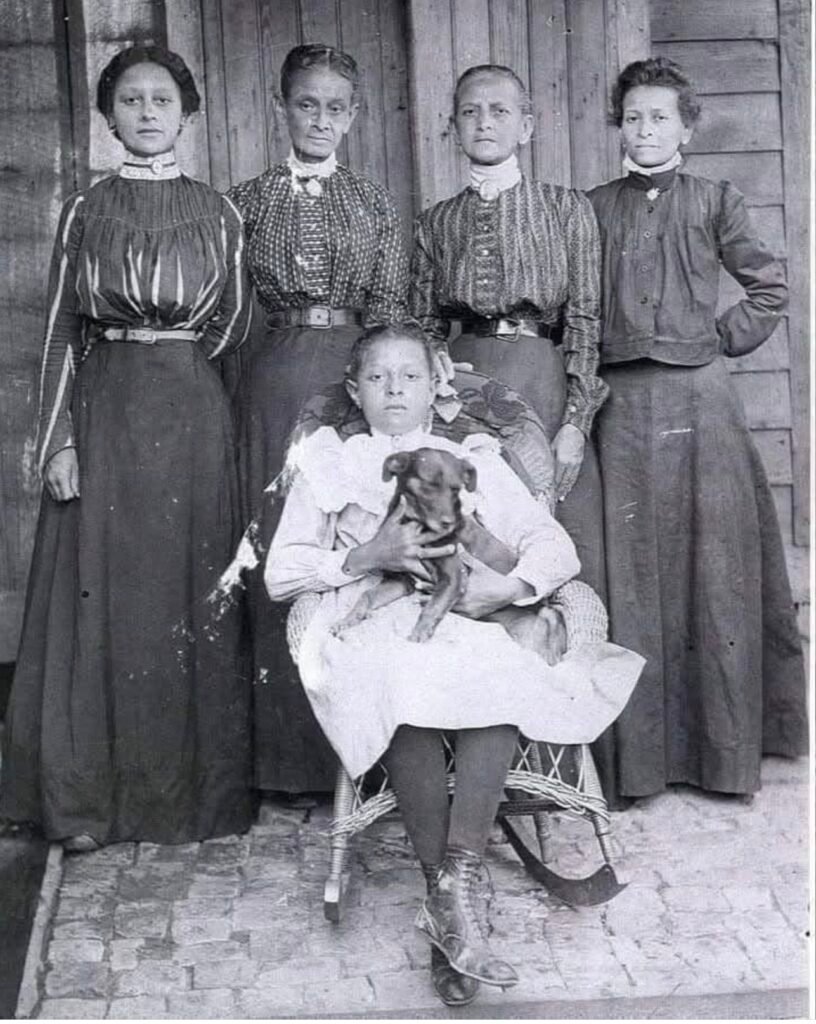
Unlike most Southern cities where Black life was bound by slavery, Faubourg Tremé was unique. In the late 18th and early 19th centuries, it became a sanctuary for free people of color (gens de couleur libres)—a distinct class of African-descended individuals who were neither enslaved nor fully accepted by white society. Many were skilled artisans, educators, and entrepreneurs, building a thriving economy and culture within their own community.
During this period, Black people in Tremé owned property, started businesses, and became influential figures in New Orleans society. Some, like Thomy Lafon, amassed considerable wealth through real estate and philanthropy, funding schools and charities for Black residents. Others, like the violinist and composer Basile Barès, helped shape the city’s musical legacy, laying the groundwork for what would later become jazz.
The Birth of Black Journalism and Civil Rights Activism
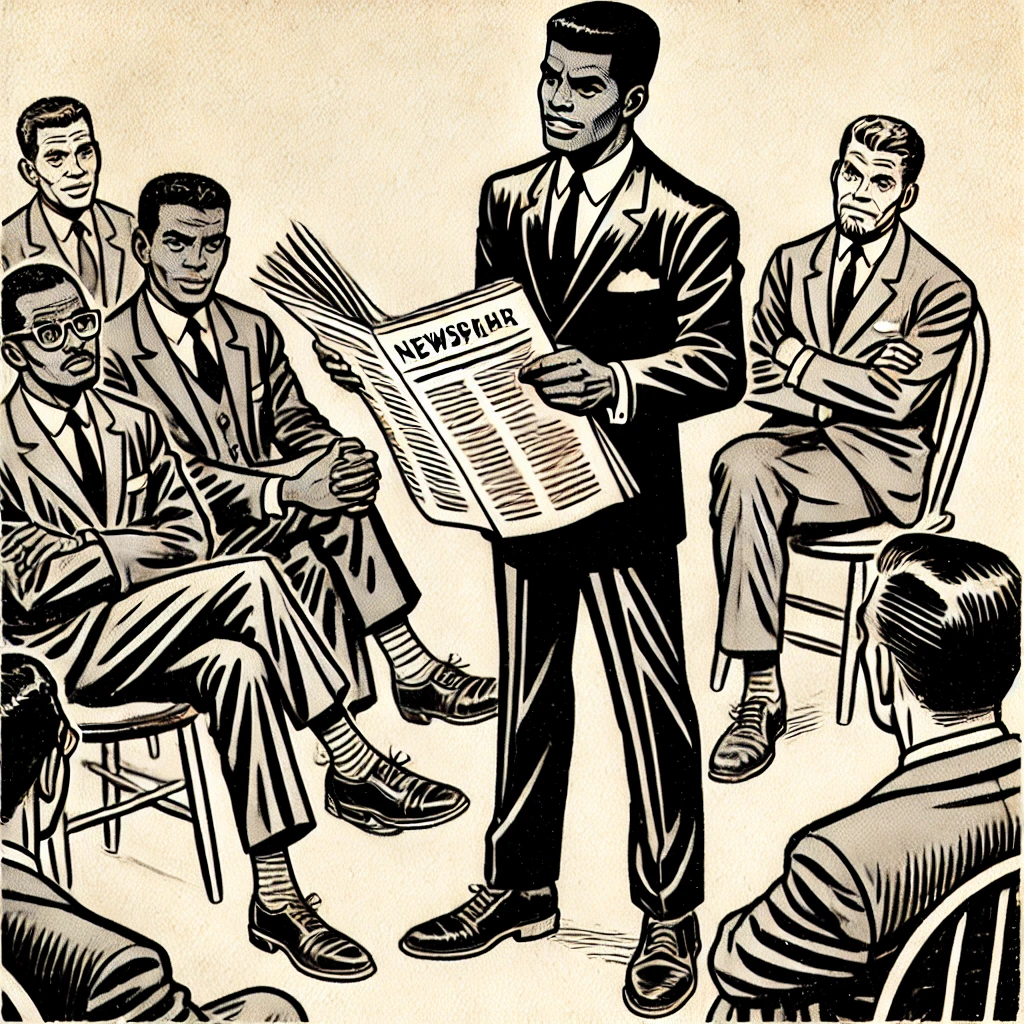
Faubourg Tremé was more than just a cultural hub—it was also a battleground for racial justice. At a time when Black voices were often silenced, the neighborhood became home to L’Union, the first Black-owned daily newspaper in the United States. Founded in 1862 during the Civil War, it later evolved into The New Orleans Tribune, which still exists today.
Through these publications, Black writers and activists challenged racism, advocated for equal rights, and fought against segregation long before the modern civil rights movement. Figures like Jean Baptiste Roudanez, the Tribune’s publisher, used their platforms to demand political representation, access to education, and economic opportunities for Black citizens.
This activism laid the foundation for later movements. Tremé’s residents were among the first to protest segregation in public transportation, decades before Rosa Parks’ famous stand in Montgomery. In 1896, Homer Plessy, a resident of Tremé, became the central figure in Plessy v. Ferguson, the Supreme Court case that legalized racial segregation under the doctrine of “separate but equal.”
Music, Culture, and the Birth of Jazz
If Tremé is known for one thing, it is its music. The neighborhood is the spiritual home of jazz, a genre born from the rhythms of African drumming, the melodies of European classical music, and the improvisational genius of Black musicians.
The famous Congo Square, located in what is now Armstrong Park, was a gathering place where enslaved and free Black people could express themselves through dance and music. Every Sunday, these gatherings filled the air with beats and chants, keeping African traditions alive and influencing what would become jazz.
Pioneers like Sidney Bechet, Louis Armstrong, and Jelly Roll Morton either grew up in Tremé or were deeply influenced by its musical culture. The neighborhood’s brass bands and Mardi Gras Indians continue to celebrate this legacy, ensuring that the spirit of Tremé remains alive through song and dance.
Challenges and Gentrification
Despite its rich history, Faubourg Tremé has faced many challenges, from systemic racism to displacement. The construction of Interstate 10 in the 1960s tore through the heart of the neighborhood, destroying homes and businesses and disrupting the community. In more recent years, gentrification has threatened to erase the neighborhood’s Black heritage, with rising property prices pushing out long-time residents.
Yet, through all of this, Tremé endures. Activists, historians, and residents continue to fight for its preservation, ensuring that its story is told and its contributions recognized.
Conclusion: A Legacy Worth Remembering
Faubourg Tremé is more than just a neighborhood—it is a testament to Black resilience, creativity, and activism. From the first Black-owned newspaper to the birthplace of jazz, its impact on American culture and civil rights is immeasurable.
As we honor this legacy, we must also ensure that Tremé’s history is not erased but celebrated. Whether through music, literature, or activism, the people of Tremé have shaped the soul of New Orleans and the nation. Their stories deserve to be told—not just in history books, but in the heartbeats of those who continue their fight for justice and cultural preservation.
#FaubourgTreme #BlackHistory #NewOrleans #CivilRights #JazzLegacy #BlackOwnedBusiness








One Response
I am glad to be one of the visitants on this outstanding site (:, thankyou for putting up.