
Introduction to Dr. Daniel Hale Williams
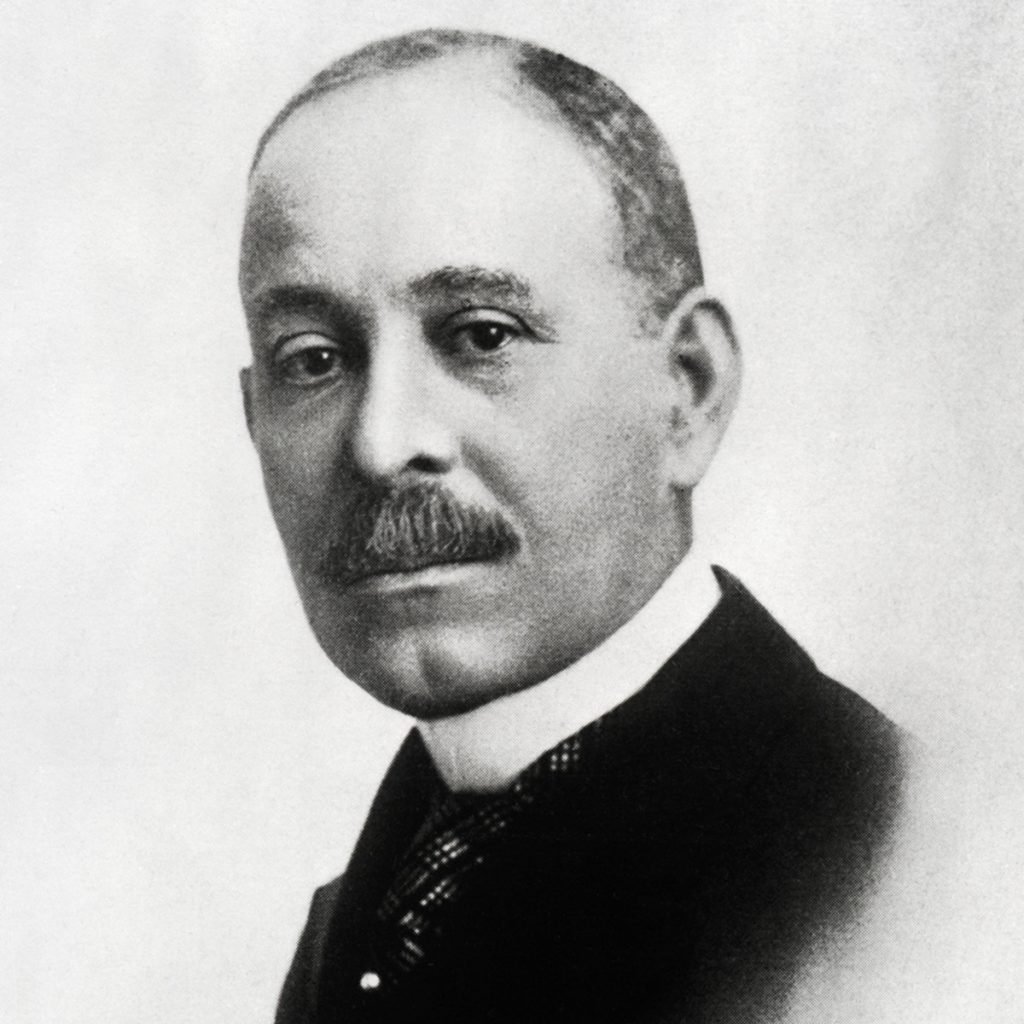
Dr. Daniel Hale Williams, born on January 18, 1856, in Hollidaysburg, Pennsylvania, emerged as a transformative figure in the realm of medicine and a staunch advocate for equality in healthcare. The son of a former slave, his early life was characterized by the challenges faced by African Americans in a society marred by systemic racism. Despite these adversities, Williams demonstrated an aptitude for education, which paved the way for his future contributions to medicine. Determined to pursue a career in healthcare, he initially began his professional journey as a barber, where he honed practical skills that later informed his medical practice.
Williams’ passion for the medical field led him to study at Chicago Medical College, where he graduated in 1883. This step marked a significant milestone not just in his journey but also in the broader context of African American representation in medicine. Williams became one of the first African Americans to earn a medical degree in the United States. His commitment to furthering medical care for marginalized communities was evident from the beginning of his career, as he worked tirelessly to provide healthcare to those who had been denied access.
In a time when racial inequality was deeply entrenched in American society, Williams established the Provident Hospital in Chicago in 1891, recognized as the first non-segregated hospital in the United States. This institution was pivotal in training African American nurses and physicians, thus challenging the status quo of racial segregation in the medical profession. His groundbreaking work in heart surgery in 1893 further cemented his legacy, as he successfully performed one of the first documented open-heart surgeries. Williams’ achievements not only advanced surgical techniques but also served as a beacon of hope for future generations of medical practitioners from diverse backgrounds.
The Historic Open-Heart Surgery of 1893
Dr. Daniel Hale Williams achieved a remarkable milestone in the field of medicine by performing one of the first successful open-heart surgeries in 1893. This groundbreaking procedure took place at the Provident Hospital in Chicago, a facility founded by Dr. Williams himself, dedicated to serving underrepresented communities. The patient, a 46-year-old man named James Cornish, had suffered a severe stab wound to the chest, which resulted in a life-threatening pericardial effusion. With limited options at his disposal, Dr. Williams took the bold decision to operate, knowing that he was venturing into uncharted territory.
During the surgery, Dr. Williams faced numerous challenges, including the absence of modern surgical tools, anesthesia, and antibiotics. He relied on his extensive training and experience in surgery. Employing meticulous techniques, Dr. Williams carefully opened the chest cavity, gaining access to the heart. With steady hands, he sutured the wounds around the damaged pericardium, an unprecedented move that had never been attempted with such skill or care in that era. The lack of the conveniences we now consider essential, such as sterilization protocols or blood transfusions, heightened the risks associated with the operation. Nevertheless, his unwavering commitment to his patient played a significant role in its success.
The operation lasted several hours, culminating in a successful outcome. James Cornish made an extraordinary recovery, which not only highlighted the potential of surgical advancements at the time but also served as a testimony to Dr. Williams’s skill and dedication. This surgery marked a pivotal moment in the history of cardiac care and paved the way for future developments in open-heart surgery. Dr. Williams’s achievement demonstrated that with persistence and innovative thinking, groundbreaking advancements were possible, reshaping a field of medicine that would evolve significantly in the decades to follow.
Founding Provident Hospital: A Step Towards Equality
Dr. Daniel Hale Williams significantly contributed to the advancement of medical practices and the civil rights movement through his establishment of Provident Hospital in 1891. This landmark institution holds the distinction of being the first non-segregated hospital in the United States, a monumental achievement during a period when racial discrimination permeated various aspects of society, including healthcare. The founding of Provident Hospital was not merely a professional venture for Dr. Williams; it was rooted in a deep-seated desire to provide equitable healthcare to all, irrespective of race.
Dr. Williams was motivated by the pervasive racial segregation within hospitals, which limited access to quality healthcare for African Americans. The lack of opportunities for black doctors and nurses in predominantly white medical facilities prompted him to create an environment where African American medical professionals could work and thrive. Provident Hospital served as a sanctuary that embraced the talents of black physicians and nurses, allowing them to serve their communities without the barriers posed by racist policies. This enabled the hospital to not only serve a diverse patient population but also fostered the professional development of black healthcare workers, thereby contributing to a more inclusive medical field.
The impact of Provident Hospital extended beyond healthcare; it became a crucial component in the broader civil rights movement by challenging prevailing norms and advocating for equality in the healthcare system. The establishment of this hospital signified a pivotal moment in the fight against racial discrimination in medicine, inspiring future generations to continue advocating for equitable treatment in all aspects of society. In essence, the founding of Provident Hospital represented a significant milestone towards the evolution of equality, highlighting the urgent need to address systemic injustices while simultaneously improving healthcare accessibility for marginalized populations.
Legacy and Impact on Medicine and Society
Dr. Daniel Hale Williams is widely recognized for his groundbreaking contributions to both the field of medicine and the broader societal context of his time. As the first surgeon to successfully perform open-heart surgery in the United States, his surgical innovations have had a profound impact on cardiac medicine. This pioneering procedure, achieved in 1893, not only advanced surgical techniques but also established new standards for patient care and safety that continue to be relevant today. Williams’ meticulous approach to surgery and his commitment to excellence have inspired countless medical professionals to pursue careers in surgery and healthcare.
Beyond his medical achievements, Dr. Williams was a formidable advocate for racial equality and social justice. In an era marked by significant racial barriers and discrimination, he became a powerful voice for African Americans seeking equity within the medical profession. He co-founded the National Medical Association in 1895, which aimed to expand opportunities for black physicians who were systematically excluded from the American Medical Association. His leadership and advocacy have laid the groundwork for future generations of healthcare professionals to continue the fight against inequality and discrimination in medicine.
Williams’ influence extends further into public health as well. He was instrumental in promoting health initiatives that targeted underserved communities, emphasizing the importance of accessibility to quality healthcare. His commitment to serving in African American communities helped to highlight the disparities in health outcomes that existed at the time and sparked a movement toward greater inclusivity in healthcare services. The principles he championed resonate in today’s discussions surrounding health equity and the necessity of ensuring that all individuals have access to adequate medical care, regardless of their background.
In conclusion, Dr. Daniel Hale Williams’ legacy embodies a dual commitment—to medicine and to social justice. His pioneering surgical techniques and unwavering advocacy for racial equality continue to inspire healthcare professionals striving for equity and excellence within the medical community. His contributions serve as a testament to the impactful intersection of medicine and society, and they remain relevant as we consider the ongoing challenges faced in achieving healthcare equity today.