How Thomas Edison Tried to Steal from Granville T. Woods and Lewis Latimer

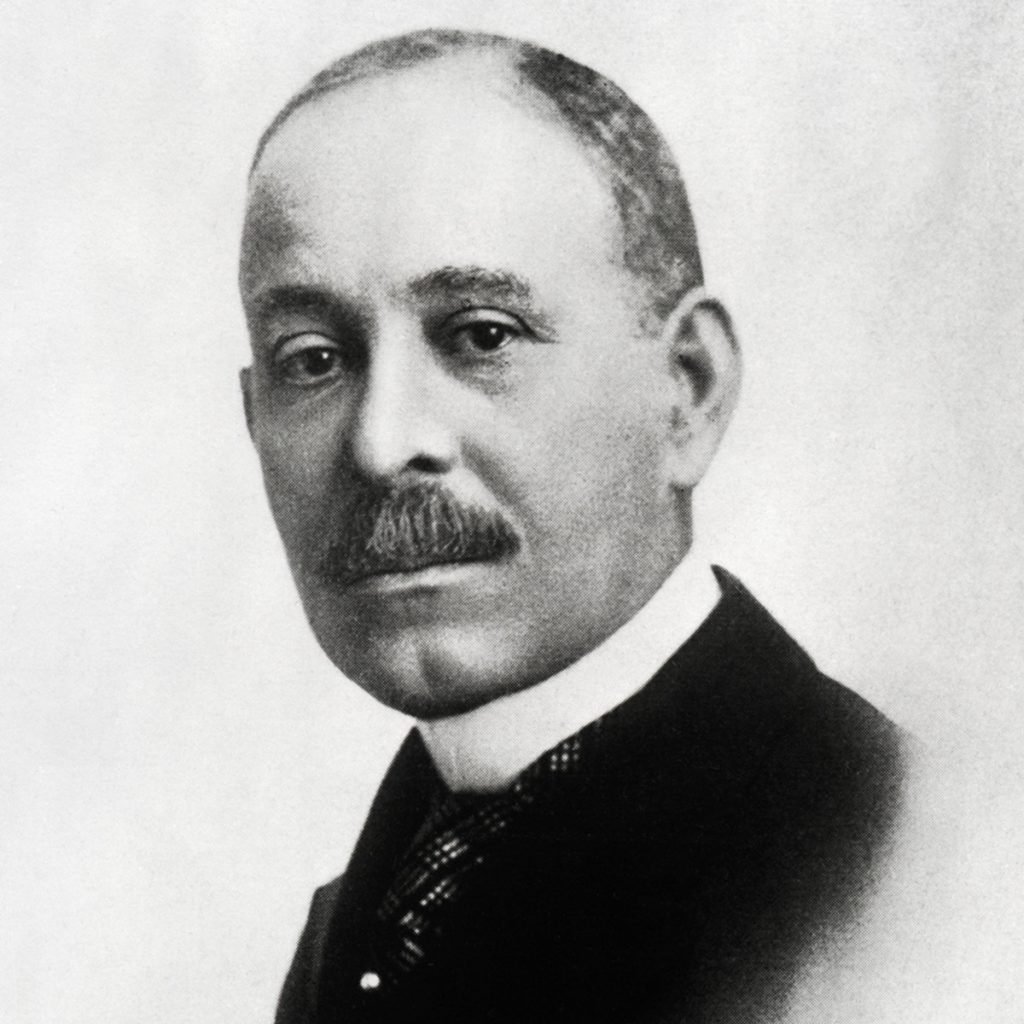
How Thomas Edison Tried to Steal from Granville T. Woods and Lewis Latimer When we think of great inventors, Thomas Edison often comes to mind. However, behind many of the technological advancements of the 19th and early 20th centuries stood brilliant Black inventors like Granville T. Woods and Lewis Latimer. These men not only made groundbreaking contributions but also had to fight for their rightful credit—sometimes even taking Edison to court. Granville T. Woods vs. Thomas Edison: The Battle for Innovation Granville T. Woods, often referred to as the “Black Edison,” was a self-taught electrical and mechanical engineer. He held over 50 patents, many of which were instrumental in improving railway systems, including the development of an advanced telegraph system that allowed moving trains to communicate with stations. In the late 1880s, Edison claimed credit for Woods’ invention of the induction telegraph system, a device that helped prevent train collisions by allowing operators to send and receive messages. Woods took Edison to court—and won. Edison, recognizing Woods’ brilliance, later offered him a job at his company. However, Woods refused, preferring to maintain his independence as an inventor. Lewis Latimer: The Unsung Hero of the Lightbulb Lewis Latimer was another Black inventor whose genius helped shape modern technology. He worked closely with Alexander Graham Bell and played a crucial role in developing the telephone. However, his most significant contribution came in the form of improving Edison’s electric lightbulb. While Edison is credited with inventing the lightbulb, it was Latimer who revolutionized it by creating a longer-lasting carbon filament. Before Latimer’s innovation, lightbulbs burned out quickly and were not practical for widespread use. His work made electric lighting more affordable and accessible. Despite his pivotal role, Latimer often had to fight for recognition, as Edison’s name overshadowed his contributions. The Fight for Recognition Both Woods and Latimer faced a harsh reality: Black inventors were often overlooked or had their ideas stolen. While their legal victories over Edison were rare wins for Black innovators at the time, they symbolized a larger struggle for intellectual recognition. Their contributions continue to impact modern technology, reminding us that innovation knows no racial boundaries. Woods’ and Latimer’s perseverance in the face of adversity serves as an inspiration, proving that talent and ingenuity cannot be suppressed, no matter how powerful the opposition. Final Thoughts The stories of Granville T. Woods and Lewis Latimer are reminders that history often favors the names of those with power and influence, rather than those who truly made a difference. By shedding light on their achievements and struggles, we can ensure their legacies are honored and their rightful place in history is secured.

From Broadway to Hollywood: The Early Days of Loretta Devine and Sheryl Lee Ralph

Before they became the household names we know today, Loretta Devine and Sheryl Lee Ralph were young, ambitious performers chasing their dreams on Broadway. Their journey to stardom began in the early 1980s when they starred in the original Broadway production of Dreamgirls, a groundbreaking musical that showcased Black talent and changed the landscape of theater. The Rise of Two Powerhouses In 1981, Dreamgirls premiered on Broadway, telling the story of a fictional girl group inspired by The Supremes. Loretta Devine played Lorrell Robinson, while Sheryl Lee Ralph took on the role of Deena Jones. Alongside Jennifer Holliday, they formed a trio that electrified audiences and made history with their unforgettable performances. For Loretta Devine, Dreamgirls was the start of a long and successful career in Hollywood. Before hitting the Broadway stage, she had already paid her dues in theater and television. With her signature voice and undeniable charm, she transitioned into TV and film, becoming a fan favorite in shows like A Different World and movies such as Waiting to Exhale and The Preacher’s Wife. Sheryl Lee Ralph, on the other hand, also used Dreamgirls as a launching pad, proving that she was more than just a talented singer—she was a star. Her early career included a mix of theater, television, and film, eventually leading her to roles in Moesha, Sister Act 2, and later, the award-winning Abbott Elementary. Sisterhood and Legacy What makes their story even more special is the sisterhood they built along the way. As young women in a competitive industry, they supported one another through challenges and triumphs. Decades later, they continue to inspire a new generation of Black actresses by showing what’s possible with talent, perseverance, and authenticity. From their days as fresh-faced Broadway stars to their current status as Hollywood icons, Loretta Devine and Sheryl Lee Ralph have remained symbols of grace, excellence, and resilience. Their journey is a testament to the power of Black women in entertainment—and a reminder that true legends never fade. #Dreamgirls #LorettaDevine #SherylLeeRalph #BlackBroadway #HollywoodIcons #Throwback

10 Ways to Not Just Survive, But Thrive in America’s Decline

The United States is facing serious economic, social, and political challenges. With inflation, rising living costs, unhealthy food options, and constant social conflict, many Americans feel like the country is on the verge of collapse. However, instead of being overwhelmed by uncertainty, now is the time to take control and position yourself to not only survive but thrive. Here are 10 realistic and attainable steps you can take: 1. Build Multiple Streams of Income Relying on a single job is risky in today’s economy. Explore freelancing, investing, or creating digital assets like YouTube channels, e-books, or online courses. Consider industries that are recession-proof, such as healthcare, tech, and logistics. The more diverse your income, the more financially secure you’ll be. 2. Learn to Grow & Source Your Own Food Food prices are rising, and quality is declining. Take control by starting a home garden, learning hydroponics, or joining local farmer’s markets and co-ops. If possible, raise chickens or source meat directly from local farms to ensure you’re getting fresh, high-quality food. 3. Reduce Debt & Live Below Your Means Inflation is crushing household budgets, making financial discipline more important than ever. Pay off high-interest debt, cut unnecessary expenses, and downsize if needed. Focus on acquiring assets rather than liabilities. 4. Develop a Mobile Income & Consider Leaving the U.S. If America’s cost of living and instability become too much, having a mobile income allows you to relocate. Many countries, such as Portugal, Mexico, Ghana, and Thailand, offer a lower cost of living, safer environments, and better food options. Research digital nomad-friendly locations where you can thrive. 5. Strengthen Your Community & Network A strong network is invaluable in uncertain times. Build relationships with like-minded people who can support you in business, security, and food sharing. A trusted community can provide both opportunities and protection. 6. Invest in Hard Assets (Gold, Silver, Land, Crypto) The U.S. dollar is weakening, and economic instability is growing. Protect your wealth by diversifying into physical assets such as gold, silver, land, or decentralized currencies like Bitcoin. Real estate in affordable, high-growth areas can also be a strong investment. 7. Get Fit & Learn Self-Defense Good health is critical for long-term survival. Prioritize physical fitness and consider learning martial arts or firearm safety (where legally permitted). A strong body and the ability to defend yourself provide security in uncertain times. 8. Improve Your Survival & Practical Skills Self-sufficiency is key. Learn essential skills like first aid, basic mechanics, construction, and emergency preparedness. The more skills you have, the less reliant you are on failing systems. 9. Educate Yourself Outside the System Traditional education isn’t preparing people for the real world. Take learning into your own hands by reading books on history, finance, and survival. Teach your children financial literacy, entrepreneurship, and critical thinking to prepare them for an uncertain future. 10. Stay Mentally & Spiritually Strong In times of chaos, a strong mindset is your greatest asset. Engage in meditation, prayer, or personal development activities. Mental and spiritual resilience will help you adapt, find solutions, and stay ahead of the curve. Final Thoughts America may be going through serious challenges, but individuals who plan strategically will always find ways to thrive. Whether you choose to adapt within the country or explore opportunities abroad, these steps will help you secure your future. Take action today and build the life you deserve!

The Legacy of Billie Holiday: Celebrating March 27

March 27 is a significant day in the world of music, not just because it marks the birth of legendary jazz singer Billie Holiday but because it highlights the profound impact her artistry had on both music and culture. Born on this day in 1915 in Philadelphia, Holiday became one of the most influential vocalists of the 20th century, with a voice that transcended generations and genres. The Power of Billie Holiday’s Voice Billie Holiday, often called “Lady Day,” had a voice that was raw, emotional, and deeply personal. Unlike any other, her phrasing, timing, and delivery allowed listeners to connect with her songs in a way few could replicate. Her ability to convey pain, joy, love, and sorrow made her music timeless. Her singing style, marked by its improvisational quality and soul-deep vulnerability, set her apart in a time when jazz was a growing genre. March 27: A Day to Reflect on Her Legacy The celebration of Billie Holiday on March 27 goes beyond just remembering her music. It’s a day to recognize the trials she endured in her life—growing up in poverty, suffering through personal and professional struggles, and facing the racism and gender inequality of her time. Despite these challenges, she left behind a musical legacy that continues to inspire generations of artists across all genres. Her iconic tracks, like “Strange Fruit,” which boldly addressed the lynching of African Americans, elevated her status as not just a performer but a voice of resistance. Her courage to use her platform to speak on social issues was ahead of its time and earned her a lasting place in the civil rights movement. Her ability to channel her personal struggles into her music helped pave the way for other artists to do the same. The Enduring Influence of Billie Holiday Billie Holiday’s legacy is evident in the work of artists who followed her, from the likes of Nina Simone to Amy Winehouse. Her music continues to influence and shape genres far beyond jazz. Even after her passing in 1959, Billie’s voice remains a powerful tool for expression, and her contributions to music are recognized globally. So, every March 27, we take a moment to honor and reflect on the lasting impact of Billie Holiday. Her music resonates today as it did in her time—timeless, authentic, and unforgettable. #BillieHoliday #JazzLegend #LadyDay #March27 #MusicHistory #Legacy

Sarah Vaughan: The Divine One Who Transformed Jazz Forever

On March 27, 1924, in Newark, New Jersey, a jazz legend was born—Sarah Vaughan. With a voice that could glide effortlessly across octaves, delivering both power and intimacy, Vaughan became one of the most celebrated jazz singers of all time. Her mastery of scat singing, impeccable phrasing, and rich, expressive tone set her apart, earning her the nickname “The Divine One.” A Musical Prodigy in the Making Sarah Vaughan’s journey into music began early. Raised in a musically inclined family, she started piano lessons as a child and developed her vocal talents singing in church. By her teenage years, she was already drawn to jazz and would sneak into Newark’s nightclubs to listen to the music that would later define her career. Her big break came in 1942, when she won the Amateur Night competition at the Apollo Theater in Harlem. That victory caught the attention of jazz great Earl Hines, who hired her as a pianist and vocalist. This opportunity led her to work with Billy Eckstine’s band, where she shared the stage with future jazz icons like Dizzy Gillespie and Charlie Parker—pioneers of the bebop movement. The Rise of a Jazz Legend By the mid-1940s, Vaughan embarked on a solo career, quickly establishing herself as one of jazz’s leading vocalists. Songs like “Tenderly,” “Misty,” and “Lullaby of Birdland” showcased her unique ability to blend jazz with pop and R&B influences. Her voice was unlike any other—deep, velvety, and capable of astonishing range and control. Whether delivering heart-wrenching ballads or intricate scat solos, Vaughan’s vocal agility and emotional depth made her a standout in a golden era of jazz singers. Awards and Legacy Throughout her career, Sarah Vaughan earned numerous accolades, including: She influenced countless artists, from Aretha Franklin to Whitney Houston, and her impact on jazz remains immeasurable. Vaughan continued to perform and record music until her passing in 1990, leaving behind a legacy that solidified her as one of the greatest voices in music history. Final Notes: The Divine One’s Enduring Influence Sarah Vaughan’s contribution to jazz transcends time. Her soul-stirring voice, fearless improvisation, and ability to connect with audiences have kept her music alive for generations. Today, jazz lovers and musicians continue to celebrate The Divine One, ensuring that her legacy remains as timeless as the music she left behind. #SarahVaughan #JazzLegend #TheDivineOne #JazzHistory #MusicIcons

Alonzo “Lonnie” Clayton: The Youngest Kentucky Derby Winner in History

March 27 marks the birth of Alonzo “Lonnie” Clayton in 1876, a name that should be celebrated in the annals of horse racing and Black history. At just 15 years old, Clayton made history by becoming the youngest jockey to win the Kentucky Derby—a record that still stands today. His victory was not just a personal triumph but a testament to the dominance of Black jockeys in the early days of American horse racing. A Rising Star in Horse Racing Born in Kansas City, Missouri, Clayton moved with his family to Arkansas at a young age. He was drawn to the world of horse racing early on, inspired by his older brother Albertus, who was also a jockey. By the time he was a teenager, Clayton had developed a reputation as a skilled and fearless rider, catching the attention of top trainers and owners. In 1892, Clayton rode Azra to victory in the 18th running of the Kentucky Derby at Churchill Downs. Competing against seasoned jockeys, his poise and skill led him to an unforgettable win, securing his place in history. The Golden Era of Black Jockeys During the late 19th century, Black jockeys dominated the sport. The very first Kentucky Derby in 1875 was won by Oliver Lewis, a Black rider, and 15 of the first 28 Derby winners were Black. However, racial discrimination and segregation later pushed Black jockeys out of the sport, erasing their contributions from mainstream history. Despite his early success, Clayton’s career was short-lived due to increasing racism in horse racing, which eventually led to the exclusion of Black riders from major races. Legacy and Impact Though his time in the spotlight was brief, Lonnie Clayton’s record as the youngest Derby winner remains unbroken. His victory serves as a reminder of the immense contributions Black athletes made to horse racing before being systematically pushed out. As we honor his legacy, it’s important to continue sharing the stories of Black pioneers whose achievements have been overlooked. Clayton’s success paved the way for future generations of Black jockeys, reminding us that talent and determination can break barriers—no matter the odds. #LonnieClayton #BlackJockeys #KentuckyDerbyHistory #BlackHistory #HorseRacingLegends

The Chicago Defender: How Robert Sengstacke Abbott Used Journalism to Empower Black America

The Legacy of Robert Sengstacke Abbott and The Chicago Defender On this day, March 27, 1915, history was made with the founding of The Chicago Defender, one of the most influential Black newspapers in American history. Established by Robert Sengstacke Abbott, The Chicago Defender was more than just a newspaper—it was a catalyst for social change, a voice for the voiceless, and a driving force behind the Great Migration. The Vision of Robert Sengstacke Abbott Born in 1870 to formerly enslaved parents, Abbott understood firsthand the challenges that African Americans faced in the post-Reconstruction South. After earning a law degree from Kent College of Law in Chicago, he struggled to find work due to racial discrimination. Instead of accepting defeat, Abbott turned to journalism, believing that a Black-owned newspaper could empower African Americans and challenge systemic racism. The Birth of The Chicago Defender With just 25 cents and a dream, Abbott launched The Chicago Defender in his landlady’s kitchen. The newspaper initially had a limited reach, but through relentless effort, it grew into a national powerhouse. By the 1920s, it had a circulation of over 100,000, making it one of the most widely read Black newspapers in the country. A Catalyst for the Great Migration One of The Chicago Defender’s most significant contributions was its role in the Great Migration. The newspaper published firsthand accounts of racial violence in the South and highlighted opportunities for African Americans in northern cities. It even provided practical advice on moving north, such as train schedules and job listings. This coverage directly influenced thousands of Black families to leave the oppressive conditions of the South in search of better opportunities in cities like Chicago, Detroit, and New York. Fighting for Civil Rights Beyond the Great Migration, The Chicago Defender played a crucial role in advocating for civil rights. It campaigned against lynching, promoted voter registration, and called for the desegregation of the U.S. military and public spaces. The newspaper also challenged racist portrayals of African Americans in mainstream media and uplifted stories of Black excellence. The Lasting Impact Even after Abbott’s passing in 1940, The Chicago Defender continued to thrive, shaping the careers of influential Black journalists and activists. Today, it remains a powerful symbol of Black press and the fight for justice. Robert Sengstacke Abbott’s vision of using media as a tool for empowerment remains relevant today. His legacy lives on in the continued work of Black journalists, media outlets, and activists striving for equality and truth. Conclusion March 27 marks an important date in Black history, reminding us of the power of the press in shaping social movements. Abbott’s work through The Chicago Defender not only informed but transformed the lives of millions, proving that words have the power to change the world. #BlackHistory #TheChicagoDefender #GreatMigration #CivilRights #BlackPress

William Still: The Father of the Underground Railroad

William Still was a hero of the abolitionist movement, yet his name isn’t as widely recognized as it should be. Born free in 1821 to formerly enslaved parents in New Jersey, he dedicated his life to fighting for the freedom and dignity of Black people. As an Underground Railroad conductor, author, and historian, Still’s contributions helped free hundreds of enslaved individuals and preserved the stories of their courageous escapes. A Lifelong Commitment to Freedom Still’s abolitionist work began when he moved to Philadelphia and secured a job with the Pennsylvania Anti-Slavery Society. In this role, he became a key figure in the Underground Railroad, assisting freedom seekers who made their way north. Unlike many abolitionists, Still was not just an organizer—he provided direct assistance, including shelter, resources, and connections to safe routes. Reuniting Families Torn by Slavery One of Still’s most remarkable contributions was documenting the stories of those he helped. He kept detailed records of escapees, hoping to reunite families separated by slavery. This meticulous record-keeping led to an emotional reunion with his own long-lost brother, Peter, who had been sold into slavery as a child. The Underground Railroad’s Historian After the Civil War, Still compiled his notes into a groundbreaking book, The Underground Railroad Records (1872). This work remains one of the most detailed firsthand accounts of the Underground Railroad, preserving the voices and experiences of those who risked everything for freedom. A Legacy of Resistance William Still’s legacy extends beyond his Underground Railroad efforts. He was also an advocate for Black civil rights, fought against segregation in public transportation, and helped establish schools for Black children. His dedication laid the foundation for future generations in the fight for equality. Despite the dangers he faced, Still remained committed to justice, proving that everyday people could make an extraordinary impact in the battle against oppression. His story is one of resilience, strategy, and an unyielding belief in the power of freedom. #BlackHistory #WilliamStill #UndergroundRailroad #Abolitionist #FreedomFighter

Hennessy: From French Origins to a Cultural Icon in Black America

Hennessy is more than just a luxury cognac—it’s a brand deeply woven into history, culture, and global influence. From its origins in 18th-century France to its enduring popularity in hip-hop and Black culture, Hennessy has stood the test of time. Origins: The Birth of Hennessy Cognac Hennessy was founded in 1765 by Richard Hennessy, an Irish military officer who settled in Cognac, France. With a vision for producing premium spirits, Hennessy established what would become the world’s most famous cognac house. By the 19th century, the brand had expanded internationally, becoming a favorite in Europe and beyond. Hennessy’s Growth and Global Reach By the early 20th century, Hennessy was a leader in the cognac industry. The brand innovated with its grading system, introducing labels like VS (Very Special), VSOP (Very Superior Old Pale), and XO (Extra Old), setting the standard for aged cognacs worldwide. Hennessy and Black America: A Unique Relationship Unlike many alcohol brands that overlooked Black consumers, Hennessy recognized their value early on. In the 1950s, Hennessy became one of the first liquor brands to feature Black people in advertisements, supporting Black excellence and progress. After World War II, Black American soldiers stationed in France were introduced to cognac, developing a taste for the refined spirit. This exposure, combined with Hennessy’s inclusive marketing, made it a preferred brand in the Black community. The Rise of Hennessy in Hip-Hop Culture In the 1990s and 2000s, Hennessy became synonymous with hip-hop. Artists like 2Pac, Nas, and Busta Rhymes frequently mentioned the brand in their lyrics, elevating its status as a symbol of success, wealth, and celebration. The brand embraced this connection, partnering with artists, athletes, and entrepreneurs to solidify its presence in pop culture. Hennessy Today: A Legacy of Luxury and Influence Today, Hennessy is the world’s top-selling cognac, known for its smooth taste and premium quality. It continues to invest in Black culture, sponsoring events, supporting Black entrepreneurs, and maintaining its strong ties with the community. Conclusion Hennessy’s journey from a French cognac house to a global cultural icon is a testament to its quality, smart marketing, and deep-rooted connections. Whether enjoyed in a classic cocktail or straight from the bottle, Hennessy remains a timeless favorite for many around the world. #Hennessy #Cognac #HipHopCulture #LuxurySpirits #BlackExcellence