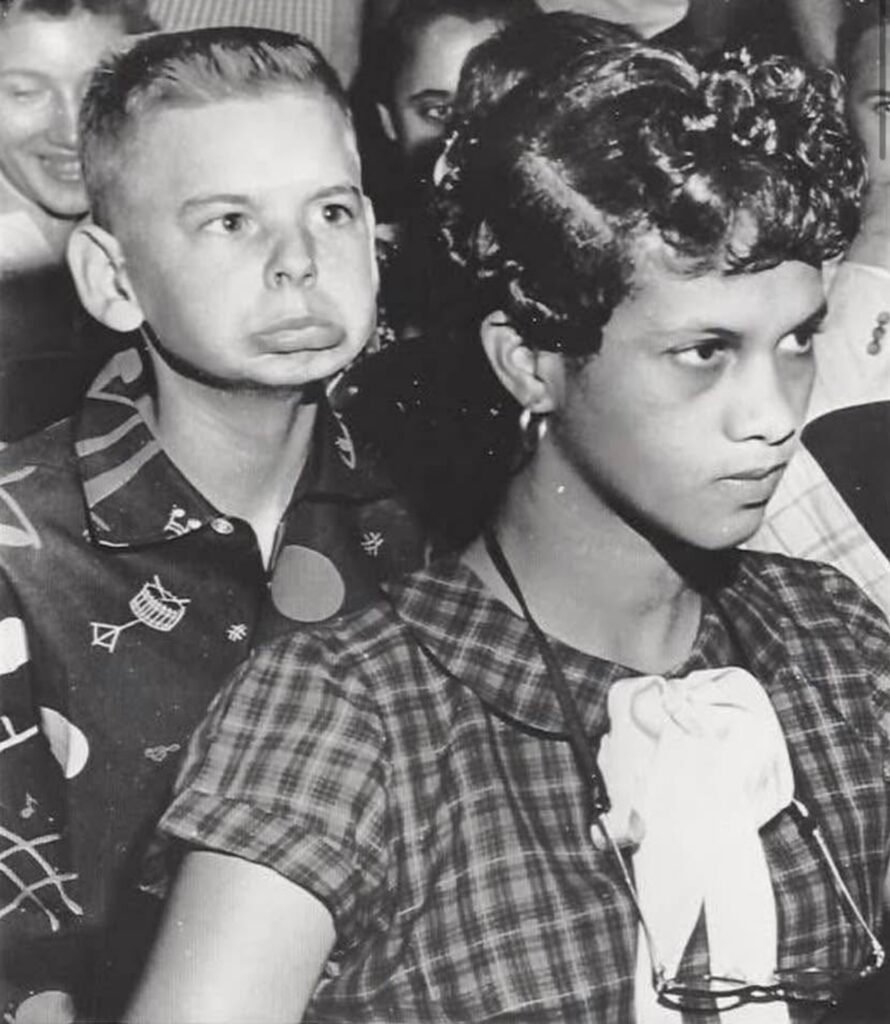
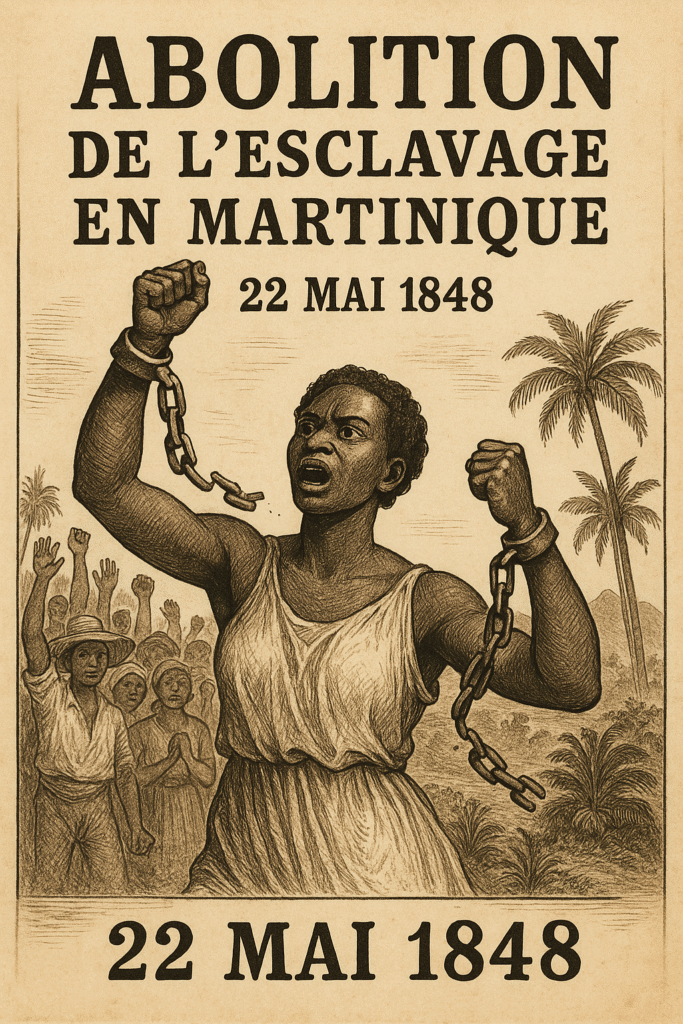
A Journey Through Time: Puerto Ricans Traveling to New York in 1946
Historical Context of Puerto Rican Migration Post-War In the aftermath of World War II, the migration of Puerto Ricans to the mainland United States, particularly New York, surged significantly. This movement stemmed from a combination of socio-economic factors that reshaped life both on the island and in urban America. The post-war period saw a booming economy in the United States, partially fueled by military spending and the expansion of industries. This economic growth created an abundance of job opportunities, particularly in manufacturing, construction, and service sectors, which attracted many Puerto Ricans seeking a better quality of life. The political status of Puerto Rico as a territory of the United States also played a crucial role in this migration wave. Following the war, the island experienced economic difficulties characterized by high unemployment rates and limited resources. As Puerto Ricans faced financial instability, many were compelled to seek opportunities on the mainland. The U.S. government extended its investment in Puerto Rico through initiatives like Operation Bootstrap, aimed at modernizing its economy, yet many residents found that prospects were limited. Consequently, migrating to New York and other states became a viable option for countless individuals and families. Moreover, U.S. immigration policies during this era became more favorable towards Puerto Ricans, differentiating them from other immigrant groups. Notably, the 1940s introduced changes that permitted easier access for Puerto Ricans to travel and settle in the United States. This facilitated the movement of thousands who sought to escape the hardships of island life and embrace the promise of economic advancement and greater social mobility. Thus, the decade of the 1940s marked a pivotal moment not only for those migrating but also for the Puerto Rican communities that would soon emerge in urban settings, particularly in New York City. Life on the Plane: The Lawn Chairs Phenomenon In the immediate post-war period of 1946, air travel was a nascent industry, characterized by limited accessibility and affordability. For many Puerto Ricans, the dream of traveling to New York was often tempered by economic constraints. As the island grappled with post-war recovery, flying became a distant aspiration for numerous families. In this context, an extraordinary phenomenon emerged—some daring souls took to the skies in improvised lawn chairs, a testament to their resilience and creativity. The circumstances that led to travelers commandeering lawn chairs were unique. Flights were few, and with the price of tickets positioned beyond the means of many, the ingenuity of individuals shone through. For those who dreamt of reunification with family or seeking better opportunities, the simple lawn chair became a symbol of determination and resourcefulness. Boarding a plane with a lawn chair might have seemed an unconventional choice, yet, it reflected an era where necessity often birthed innovative solutions. The sensory experiences aboard these flights added to the allure and excitement of the journey. Passengers were enveloped in the sounds of engines and the thrilling turbulence that accompanied ascents and descents. There was a palpable sense of camaraderie among fellow travelers, all sharing the same dreams of a new life in New York. The sight of clouds whizzing past their makeshift seating further inspired awe and wonder, enhancing the emotion of this pioneering experience. Feelings of hope and trepidation blended as the plane soared into the unknown, marking a significant transition from their homely skies to the bustling urban landscape awaiting them. Ultimately, the lawn chairs phenomenon encapsulated the spirit of Puerto Ricans in their quest for improved livelihoods. It was not just a means of transport; it was a statement of aspiration, embodying the very essence of cultural resilience and the relentless human desire to forge ahead despite facing considerable obstacles. Cultural Implications of the Migration Experience The migration of Puerto Ricans to New York in 1946 marks a significant chapter in both Puerto Rican and American history, profoundly influencing the cultural landscape of urban America. The influx of Puerto Rican migrants contributed to the evolution of a distinct cultural identity, often referred to as Nuyorican culture, which reflects the blend of Puerto Rican traditions with the dynamic environment of New York City. This cultural interchange not only enriched the lives of those who migrated but also left a lasting imprint on the city itself. As Puerto Ricans established themselves in New York, vibrant neighborhoods such as East Harlem and the Bronx emerged, characterized by their unique cultural expressions. These neighborhoods became epicenters of social and cultural life, fostering a strong sense of community among migrants. The shared experiences of adaptation and resilience led to the strengthening of cultural bonds among Puerto Ricans, promoting solidarity and a collective identity despite the challenges faced in a foreign land. The artistic expressions of Nuyorican culture, particularly in music, literature, and visual arts, reflect the rich heritage of Puerto Rico while also addressing the realities of urban life in New York. Genres such as salsa and distinctive forms of poetry emerged as platforms for Puerto Ricans to convey their experiences and aspirations. The arts became a means to not only celebrate their identity but also to engage with broader societal issues, making significant contributions to American culture as a whole. Community organizations played a vital role in supporting Puerto Rican migrants by providing resources, advocacy, and cultural programs that facilitated adaptation. These organizations not only offered assistance in navigating life in a new city but also worked to preserve and promote Puerto Rican cultural values, ensuring they remained integral to the fabric of New York City. The interplay of migration and community development during this period has left an indelible mark, shaping the identity of Puerto Ricans in America and fostering a rich cultural legacy that continues to thrive today. Legacy and Memory: Reflecting on the Journey The migration of Puerto Ricans to New York in the 1940s represents a pivotal chapter in the narrative of both Puerto Rican and American history. This movement, often characterized by the imagery of travel in lawn chairs, served as a literal and metaphorical representation of the hopes and
The Last American Slave Ship: The Story of Cudjo Lewis and Africatown

Introduction to the Last Slave Ship In the annals of American history, the arrival of the Clotilda in 1860 signifies a poignant and contentious chapter, as it marks the culmination of the transatlantic slave trade. Captained by William Foster, the Clotilda’s voyage stood in stark contrast to the legal framework established by the United States, which had outlawed the importation of enslaved individuals since 1808. Nevertheless, this ship bravely sailed into the depths of moral and legal defiance, carrying over 100 West Africans to the shores of Mobile, Alabama. The clandestine manner in which the Clotilda operated exemplifies the desperation and ongoing demand for labor during a period when slavery was already facing increasing scrutiny and resistance within the nation. In a daring attempt to bypass federal laws, Foster engaged in an illegal endeavor that would not only allow him to profit from the disreputable trade but also result in the transportation of these individuals under the most harrowing conditions. These West Africans were subsequently forced into slavery despite the illegality of their journey, symbolizing the persistent injustices surrounding the institution of slavery even as it was nearing its legal end in the United States. The story of Cudjo Lewis, one of the last survivors from the Clotilda, is inextricably linked to the ship’s legacy. After being brought to America, many of these Africans were eventually able to settle in a community that would come to be known as Africatown, a settlement established in an effort to preserve their cultural heritage amid their new reality. The arrival of the Clotilda not only serves as a stark reminder of the brutal history of slavery but also invites us to explore the rich and complex narrative of those who endured its consequences. This historical context forms the foundation for understanding Cudjo Lewis’s remarkable journey and the lasting impact of the Clotilda’s illicit voyage on American society. Cudjo Lewis: A Survivor’s Journey Cudjo Lewis, born in the West African kingdom of Dahomey in 1840, became an emblematic figure in the narrative of the transatlantic slave trade. His journey as a captive began when he was forcibly taken from his homeland aboard the notorious ship, Clotilda, in 1860. As one of the last individuals to be captured for slavery, Lewis’s story not only reflects the brutality of human trafficking but also highlights the complexities of cultural identity amidst extreme adversity. Upon reaching Alabama, Cudjo Lewis faced significant challenges as he encountered a foreign land filled with a new language and customs. This initial period of adjustment was compounded by the threat to his cultural heritage. Having been raised in a rich cultural context, Lewis was acutely aware of the potential eradication of his traditions and identity. The environment he found himself in was rife with hostility and systemic oppression, which sought to strip him of his past. Despite these overwhelming odds, Lewis exhibited remarkable resilience. His determination became evident as he sought to maintain connections to his African roots while navigating the harsh realities of enslavement. Cudjo worked tirelessly, using his skills and knowledge to create a semblance of community among fellow captives. This was not merely a survival tactic; it was an assertion of identity in the face of dislocation and despair. Lewis eventually gained his freedom, and in the years that followed, he became a voice for his community, advocating for the establishment of Africatown, a place where former slaves could preserve their heritage. Ultimately, Cudjo Lewis’s journey exemplifies the enduring human spirit amidst the traumas of exploitation and cultural disintegration. His life serves as a reminder of the resilience necessary to reclaim one’s identity and heritage in a world that seeks to erase it. The legacy of Lewis and Africatown remains a poignant testament to the strength and tenacity of those who survived the darkest chapters of American history. Gaining Freedom: The Aftermath of Slavery The story of Cudjo Lewis, a pivotal figure in American history, highlights the complex dynamics surrounding the aftermath of slavery. Following the illegal importation of enslaved Africans aboard the Clotilda in 1860, Lewis’s path to freedom was fraught with both legal and social challenges characteristic of post-Civil War America. Lewis, having survived the harrowing journey across the Atlantic and the horrors of enslavement, was granted his freedom after the Civil War ended in 1865. This transition came at a time when former enslaved individuals were navigating a rapidly transforming social landscape. In the years directly following emancipation, the legal frameworks established through the Thirteenth Amendment created pathways for liberation. However, these laws were often inadequately enforced, and many former enslaved people encountered hostility and discrimination. Lewis became a symbol of resilience in a society that was grappling with the larger implications of freedom. Upon gaining his freedom, he returned to Alabama, where he and other survivors of the Clotilda founded Africatown, a vibrant community that reflected their cultural heritage and desire for self-determination. The establishment of Africatown can be viewed as a direct response to the dislocation experienced by formerly enslaved individuals. The community became a sanctuary, fostering a sense of identity and belonging. Interwoven within the struggles for economic autonomy, social justice, and community cohesion, Lewis’s story exemplifies the complexities faced by many African Americans during this era. Social dynamics, including the interactions with the local white population and the establishment of new labor systems, influenced the development of Africatown. Overall, Lewis’s experience underscores the significance of agency in the aftermath of slavery, illustrating how former enslaved individuals laid the groundwork for their future despite the systemic challenges they encountered. Building Africatown: A Community of Hope The establishment of Africatown was a pivotal moment in the history of its residents and their quest for autonomy and community after the harrowing experience of slavery. Cudjo Lewis, a prominent figure among the survivors of the last American slave ship, played a critical role in this endeavor by purchasing two acres of land in Mobile, Alabama. This act was not merely the acquisition of property; it symbolized
Katherine Johnson: The Mathematician Who Helped Shape Apollo’s Success
Early Life and Education Katherine Johnson was born on August 26, 1918, in White Sulphur Springs, West Virginia, to a family that recognized the importance of education. Her father, a farmer, and her mother, a school teacher, fostered a love for learning, which undoubtedly influenced her early fascination with numbers and mathematics. Growing up in a segregated environment, Johnson faced unique challenges, yet her family’s support equipped her with the determination to excel academically. From an early age, Katherine exhibited a natural aptitude for mathematics, often outpacing her peers in school. This talent did not go unnoticed; she was enrolled in high school by the age of 10, subsequently graduating summa cum laude at the age of 18. Despite her impressive accomplishments, the options for higher education were limited for black students during the 1930s. Nevertheless, Johnson persevered and attended West Virginia University, where she became one of the first African American women to enroll. While at university, Katherine experienced significant obstacles, including racial discrimination and a lack of support from some faculty members. Despite these challenges, she excelled in her coursework, earning her degree in mathematics in 1937. Johnson’s path was fraught with hurdles, but her inherent capability and unwavering resolve allowed her to overcome the societal constraints of her time. The rigorous education she received laid a solid foundation for her future, preparing her to tackle complex mathematical problems that would later be crucial in the success of NASA’s Apollo missions. Katherine Johnson’s early life and educational experiences not only honed her mathematical skills but also instilled in her a spirit of resilience. This combination would prove vital as she broke barriers and achieved greatness in a traditionally male-dominated field. Career at NASA Katherine Johnson began her illustrious career at NASA in the early 1950s, a time when the field of space exploration was burgeoning, yet fraught with challenges, particularly for women and minorities. Initially employed at the Langley Research Center, she was part of a group of “computers,” a term used to describe individuals who performed complex calculations by hand before the advent of electronic computers. Johnson’s exceptional mathematical skills quickly set her apart, enabling her to take on increasingly important responsibilities. One of her most significant contributions came in 1962, when she was tasked with calculating the trajectory for John Glenn’s historic orbital flight. Glenn, aware of Johnson’s reputation for accuracy, requested that she personally verify the calculations produced by computers. This pivotal moment not only highlighted her expertise but also underscored the critical role she played in ensuring the safety and success of the mission. The successful launch of Friendship 7 was a milestone in American spaceflight and a testament to Johnson’s analytical prowess. Johnson’s work extended beyond the initial phases of space travel, impacting the Apollo missions significantly. Her meticulous calculations were instrumental in ensuring that Apollo 11 could land on the Moon and return safely to Earth. The complexity of these missions, combined with the era’s technological limitations, showcased her exceptional abilities amidst a predominantly male workforce. Her perseverance and dedication in overcoming both racial and gender barriers are pivotal narratives in the history of NASA. Throughout her career, Johnson received numerous accolades, including the Presidential Medal of Freedom, recognizing her invaluable contributions to the field of mathematics and space science. Her legacy continues to inspire countless individuals to pursue careers in mathematics, science, technology, and engineering, proving that talent knows no boundaries. Impact on Space Exploration and Legacy Katherine Johnson’s contributions to space exploration extend far beyond her calculations for the trajectories of various missions; they have fundamentally shaped the course of NASA’s history and the future of aerospace navigation. Her mathematical prowess was instrumental in ensuring the success of pivotal missions, most notably the historic flight of John Glenn, who became the first American to orbit the Earth in 1962. Johnson’s precise calculations for Glenn’s flight trajectory were crucial, as they provided the necessary data to guide the spacecraft safely. The reliability of her work not only highlighted her exceptional talent but also reinforced the value of mathematics in the realm of space travel. Johnson’s legacy as a pioneering figure in mathematics and science has inspired countless individuals, particularly young women and people of color interested in pursuing careers in STEM (Science, Technology, Engineering, and Mathematics) fields. By breaking barriers in a predominantly male and racially segregated environment, she demonstrated that talent and capability know no bounds. Johnson has become a role model, profoundly influencing future generations to consider careers in mathematics and science, encouraging them to challenge societal norms and strive for excellence. Her recognition through various awards and honors, including the Presidential Medal of Freedom and being featured in the film “Hidden Figures,” has further cemented her place in history. These accolades serve not only to acknowledge her significant contributions to aerospace navigation but also to promote awareness of the crucial role that diversity plays in scientific advancements. Johnson’s story motivates ongoing discussions about equity and representation in STEM, emphasizing the importance of creating inclusive opportunities for all aspiring mathematicians and scientists. As society continues to celebrate her achievements, Katherine Johnson remains a symbol of resilience, intellect, and inspiration in the field of space exploration. Katherine Johnson’s Influence on Diversity in STEM Katherine Johnson’s remarkable contributions to the field of mathematics extended well beyond her numerical prowess; they also significantly influenced the discourse surrounding diversity and inclusion within STEM (Science, Technology, Engineering, Mathematics) fields. As a pioneering African American woman who broke through racial and gender barriers at NASA, Johnson not only excelled in her work but also served as a beacon of hope for underrepresented groups in these traditionally male-dominated disciplines. Her advocacy for equal opportunities played a crucial role in challenging the systemic inequities faced by minority groups in STEM. Johnson’s legacy continues to inspire contemporary initiatives aimed at increasing representation within the technical workforce. Programs such as STEM scholarships for underprivileged students, mentorship initiatives, and coding boot camps focused on women and minorities reflect the
Nvidia’s Stock Plunges: Impact of China’s Chip Controls
Understanding Nvidia’s Stock Impact The recent decline in Nvidia’s stock has raised significant concerns among investors and market analysts. In a short span, the company’s stock price experienced a notable drop, which can largely be attributed to new chip export controls implemented by China. These regulations are not only pivotal in geopolitics but have also created a considerable ripple effect in the semiconductor market. Reports indicate that Nvidia anticipates a staggering $5.5 billion reduction in its expected revenue, a consequence directly linked to these new restrictions. China’s latest chip controls severely limit the types of technologies that can be exported, targeting crucial areas such as artificial intelligence and high-performance computing where Nvidia excels. As one of the leading suppliers of graphics processing units (GPUs) and AI technologies, the restrictions pose a significant risk to Nvidia’s operations. For instance, Chinese customers had accounted for a substantial portion of Nvidia’s sales. This abrupt reduction in business potential has caused investor confidence to wane, resulting in the sharp decline of Nvidia’s market value. Statistical data reflects this downturn vividly. At its peak, Nvidia’s stock was priced at remarkable highs due to high demand and investor enthusiasm surrounding the AI and gaming sectors. However, the advent of these chip controls has led to a negative revaluation of the stock as the market responds to the new economic realities. Therefore, the implications of these developments extend beyond simple stock price metrics; they highlight the vulnerabilities of a leading tech firm heavily reliant on a global market dynamic that is increasingly marred by regulatory challenges. Overall, the downturn in Nvidia’s stock serves as a compelling case study on how international trade policies, particularly regarding technology and semiconductors, can significantly influence corporate fortunes. The Role of China’s Chip Export Controls In recent months, China has implemented a series of chip export controls that have sent ripples through the global semiconductor industry. These measures, aimed primarily at limiting the export of advanced semiconductor technologies, play a crucial role in China’s strategy to bolster its domestic technological capabilities while countering perceived threats from foreign nations, particularly the United States. The Chinese government’s regulations specifically target a range of technologies, from high-performance computing chips to advanced manufacturing equipment, directly impacting companies like Nvidia. The strategic rationale behind these export controls is multifaceted. Firstly, it underscores China’s ambition to gain self-sufficiency in semiconductors, a critical technology sector that has vast implications for national security and economic development. By restricting access to high-tech chips and manufacturing tools, China is attempting to foster its domestic semiconductor sector, encouraging local companies to innovate and produce chips that can compete globally. This shift is likely intended as a countermeasures against US sanctions and export restrictions that have hindered Chinese firms from acquiring cutting-edge technology. The global semiconductor industry is responding to these challenges by reevaluating supply chains and production strategies. Companies dependent on high-performance chips, such as Nvidia, must navigate a landscape altered by China’s regulations, which increase the costs and risks associated with doing business in the region. Analysts predict that these export controls may lead to a significant reconfiguration of supply chains, as firms seek to diversify sources and mitigate the risks associated with regulatory volatility. Moreover, experts are expressing concerns over the potential long-term implications for international trade, as these controls could lead to increased fragmentation in the semiconductor market and strain relations among major economies. Investor Reactions and Market Trends The recent plunge in Nvidia’s stock has elicited a range of reactions from investors, reflecting the complex dynamics at play within the technology sector. Following the announcement of China’s chip controls, Nvidia’s share prices experienced significant volatility, leading to a ripple effect across the broader tech market. Investor sentiment tends to fluctuate in response to such impactful news, and many market participants have adopted a cautious approach. Stocks from companies closely tied to the semiconductor supply chain, including manufacturers and software developers, are witnessing a similar downturn as investors weigh the repercussions of heightened geopolitical tensions. Amidst this uncertainty, analysts remain divided on Nvidia’s long-term prospects. A segment of financial experts expresses concern over the company’s ability to navigate the implications of export restrictions and diminished access to key markets. Consequently, downgrade predictions have emerged, as some analysts adjust their earnings forecasts based on these heightened risks. Conversely, a more optimistic outlook prevails among others, attributing Nvidia’s historical resilience and technological advancement as potential catalysts for recovery. These analysts suggest that, if managed adeptly, the stock could rebound as demand for advanced computing solutions continues to surge globally. The immediate trends in the market indicate a broadening of the negative sentiment beyond Nvidia, suggesting a potential tightening for the tech sector overall. As other semiconductor firms and tech companies grapple with similar challenges, investor confidence may wane, resulting in increased market volatility. The interconnected nature of these businesses means that a concerning development for Nvidia could set a precedent for other firms, leading to a domino effect on stock prices across the industry. This situation accentuates the importance of monitoring both Nvidia’s strategic responses and the larger macroeconomic conditions, which could guide investors’ decisions in the upcoming periods. Future Outlook for Nvidia and the Semiconductor Industry The current geopolitical landscape, especially the evolving nature of China’s chip controls, poses significant challenges for Nvidia and the broader semiconductor industry. As a leading company in the design of graphics processing units (GPUs), Nvidia’s ability to pivot strategically in response to these chip regulations will be crucial for its future. The restrictions on chip technologies could disrupt Nvidia’s supply chains and market reach, particularly in one of its largest markets—China. Thus, a fortified response through innovation and diversification will be vital for maintaining its competitive edge. Looking ahead, Nvidia may need to explore new strategic partnerships or collaborations with nations that are more amenable to technological exchanges. Additionally, investing in research and development can yield innovative solutions and next-generation technologies that might not be affected by geopolitical tensions. Expanding its portfolio to cater
Chicago’s True Founder: The Legacy of Jean Baptiste Point Du Sable

Early Life and Background Jean Baptiste Point Du Sable was born around 1745 in Saint-Domingue, a colony known today as Haiti. His early life was marked by a diverse cultural heritage, as he was the son of a French father and an African mother. This mixed lineage not only contributed to his unique identity but also endowed him with a wide array of skills and experiences that would later define his role as the founder of Chicago. Growing up in Saint-Domingue, a place that was a hub of economic activity, Du Sable was immersed in an environment that fostered entrepreneurial spirit. His upbringing in a multi-ethnic and multilingual society enabled him to master various languages, including French and Spanish, which would prove advantageous in his later endeavors in North America. The environment of Saint-Domingue, which thrived on trade and commerce, exposed him to the intricacies of business and human relations, skills that became essential as he navigated through his future ventures. Du Sable’s experiences in Saint-Domingue shaped his worldview and ambitions. He was no stranger to the complexities of colonial life, and the societal dynamics he witnessed would influence his understanding of community and commerce. His remarkable ability to adapt to changing circumstances provided him with the foundation necessary for his journey, eventually leading him to North America. Du Sable’s migration was not merely geographical; it represented a pursuit of opportunities and a desire to establish a legacy. These formative experiences laid the groundwork for his remarkable contributions to the region, particularly in the establishment of what would become the city of Chicago. Establishment of Chicago’s First Settlement Jean Baptiste Point Du Sable is credited with the establishment of Chicago’s first settlement at the mouth of the Chicago River during the late 1770s to early 1780s. This strategic location was not only pivotal for transportation but also served as an essential nexus for trade in the Great Lakes region. Du Sable, a man of mixed heritage, demonstrated considerable foresight and entrepreneurial spirit by recognizing the site’s potential long before it became the bustling metropolis we know today. The settlement constructed by Du Sable was composed of several key structures that functioned as both a home and a trading post. His homestead included a large mansion that provided living quarters, stables that housed horses, and trading facilities essential for commerce. This complex became a focal point for various groups, as it attracted Native Americans, French fur traders, and later American settlers seeking goods and trade opportunities. Du Sable’s efforts established a foundation for economic activity in the region, turning the area into a melting pot of cultures and commerce. Du Sable’s settlement was characterized by its multicultural interactions, with Native American communities often engaging in trade with the French fur traders who frequented the site. This exchange was crucial in laying the groundwork for future relations between different ethnic groups in the area. As a precursor to Chicago, Du Sable’s establishment set a precedent for the rich tapestry of cultural exchange that would continue to define the city long after his departure. In essence, the complex Du Sable built at the mouth of the Chicago River was not merely a settlement; it represented a convergence of cultures and the beginning of an economic engine that would, decades later, evolve into one of America’s largest cities. Jean Baptiste Point Du Sable’s legacy thus serves as a reminder of the deep historical roots that underpin Chicago’s identity. Legacy and Historical Erasure Jean Baptiste Point Du Sable’s legacy is intrinsically linked to the very foundation of Chicago as a bustling urban center. As the first permanent non-Indigenous settler in the area, Du Sable not only established a trading post but also created a vital nexus for commerce and cultural exchange between Indigenous people and European settlers. His strategic positioning along the Chicago River facilitated trade routes that would later shape the city’s economic development. However, the rich narrative of his contributions has faced significant historical erasure, often overshadowed by more prominent figures in American history. Du Sable’s marriage to Kitihawa, a Potawatomi woman, serves as a poignant symbol of unity and cooperation between differing cultures during a time of significant transition. Their partnership highlights the diplomatic relations and cultural exchange that existed between Indigenous peoples and European settlers in the early 19th century. Despite this, Du Sable’s contributions to Chicago’s formation remained largely unrecognized for many years, reflecting a broader trend in American historiography that often marginalizes the experiences and contributions of people of color. The acknowledgment of Du Sable as Chicago’s founder gained traction only in recent decades, culminating in a formal recognition in 2006 that marked a crucial step toward rectifying historical oversights. This recognition is essential, not only in celebrating his role in shaping the city but also in fostering a more inclusive historical narrative that honors the diverse tapestry of Chicago’s roots. Acknowledging Du Sable’s legacy offers an opportunity to revisit the complexities of Chicago’s history and the cultural influences that molded it, providing a more comprehensive understanding of the city’s identity today. Commemoration and Modern Recognition Jean Baptiste Point Du Sable, recognized as the founder of Chicago, is increasingly acknowledged in contemporary society. His legacy is being commemorated through various initiatives aimed at honoring his invaluable contributions to the city’s foundation and history. One significant landmark named after him is the DuSable Harbor, located along the city’s waterfront. This harbor stands as a tribute to Point Du Sable’s role in establishing Chicago as a vital trading hub. Furthermore, the DuSable Black History Museum serves as a crucial space dedicated to celebrating African American culture and history, further integrating Point Du Sable’s narrative into the broader tapestry of Chicago’s diverse heritage. Efforts to recognize Point Du Sable extend beyond mere naming of places. Educational programs, public art installations, and community events are part of a broader strategy to elevate awareness around his life and accomplishments. Initiatives such as Point Du Sable Day, celebrated annually in Chicago, serve to inform
Dr. Daniel Hale Williams: The Heart Surgery Pioneer and Advocate for Equality

Introduction to Dr. Daniel Hale Williams Dr. Daniel Hale Williams, born on January 18, 1856, in Hollidaysburg, Pennsylvania, emerged as a transformative figure in the realm of medicine and a staunch advocate for equality in healthcare. The son of a former slave, his early life was characterized by the challenges faced by African Americans in a society marred by systemic racism. Despite these adversities, Williams demonstrated an aptitude for education, which paved the way for his future contributions to medicine. Determined to pursue a career in healthcare, he initially began his professional journey as a barber, where he honed practical skills that later informed his medical practice. Williams’ passion for the medical field led him to study at Chicago Medical College, where he graduated in 1883. This step marked a significant milestone not just in his journey but also in the broader context of African American representation in medicine. Williams became one of the first African Americans to earn a medical degree in the United States. His commitment to furthering medical care for marginalized communities was evident from the beginning of his career, as he worked tirelessly to provide healthcare to those who had been denied access. In a time when racial inequality was deeply entrenched in American society, Williams established the Provident Hospital in Chicago in 1891, recognized as the first non-segregated hospital in the United States. This institution was pivotal in training African American nurses and physicians, thus challenging the status quo of racial segregation in the medical profession. His groundbreaking work in heart surgery in 1893 further cemented his legacy, as he successfully performed one of the first documented open-heart surgeries. Williams’ achievements not only advanced surgical techniques but also served as a beacon of hope for future generations of medical practitioners from diverse backgrounds. The Historic Open-Heart Surgery of 1893 Dr. Daniel Hale Williams achieved a remarkable milestone in the field of medicine by performing one of the first successful open-heart surgeries in 1893. This groundbreaking procedure took place at the Provident Hospital in Chicago, a facility founded by Dr. Williams himself, dedicated to serving underrepresented communities. The patient, a 46-year-old man named James Cornish, had suffered a severe stab wound to the chest, which resulted in a life-threatening pericardial effusion. With limited options at his disposal, Dr. Williams took the bold decision to operate, knowing that he was venturing into uncharted territory. During the surgery, Dr. Williams faced numerous challenges, including the absence of modern surgical tools, anesthesia, and antibiotics. He relied on his extensive training and experience in surgery. Employing meticulous techniques, Dr. Williams carefully opened the chest cavity, gaining access to the heart. With steady hands, he sutured the wounds around the damaged pericardium, an unprecedented move that had never been attempted with such skill or care in that era. The lack of the conveniences we now consider essential, such as sterilization protocols or blood transfusions, heightened the risks associated with the operation. Nevertheless, his unwavering commitment to his patient played a significant role in its success. The operation lasted several hours, culminating in a successful outcome. James Cornish made an extraordinary recovery, which not only highlighted the potential of surgical advancements at the time but also served as a testimony to Dr. Williams’s skill and dedication. This surgery marked a pivotal moment in the history of cardiac care and paved the way for future developments in open-heart surgery. Dr. Williams’s achievement demonstrated that with persistence and innovative thinking, groundbreaking advancements were possible, reshaping a field of medicine that would evolve significantly in the decades to follow. Founding Provident Hospital: A Step Towards Equality Dr. Daniel Hale Williams significantly contributed to the advancement of medical practices and the civil rights movement through his establishment of Provident Hospital in 1891. This landmark institution holds the distinction of being the first non-segregated hospital in the United States, a monumental achievement during a period when racial discrimination permeated various aspects of society, including healthcare. The founding of Provident Hospital was not merely a professional venture for Dr. Williams; it was rooted in a deep-seated desire to provide equitable healthcare to all, irrespective of race. Dr. Williams was motivated by the pervasive racial segregation within hospitals, which limited access to quality healthcare for African Americans. The lack of opportunities for black doctors and nurses in predominantly white medical facilities prompted him to create an environment where African American medical professionals could work and thrive. Provident Hospital served as a sanctuary that embraced the talents of black physicians and nurses, allowing them to serve their communities without the barriers posed by racist policies. This enabled the hospital to not only serve a diverse patient population but also fostered the professional development of black healthcare workers, thereby contributing to a more inclusive medical field. The impact of Provident Hospital extended beyond healthcare; it became a crucial component in the broader civil rights movement by challenging prevailing norms and advocating for equality in the healthcare system. The establishment of this hospital signified a pivotal moment in the fight against racial discrimination in medicine, inspiring future generations to continue advocating for equitable treatment in all aspects of society. In essence, the founding of Provident Hospital represented a significant milestone towards the evolution of equality, highlighting the urgent need to address systemic injustices while simultaneously improving healthcare accessibility for marginalized populations. Legacy and Impact on Medicine and Society Dr. Daniel Hale Williams is widely recognized for his groundbreaking contributions to both the field of medicine and the broader societal context of his time. As the first surgeon to successfully perform open-heart surgery in the United States, his surgical innovations have had a profound impact on cardiac medicine. This pioneering procedure, achieved in 1893, not only advanced surgical techniques but also established new standards for patient care and safety that continue to be relevant today. Williams’ meticulous approach to surgery and his commitment to excellence have inspired countless medical professionals to pursue careers in surgery and healthcare. Beyond his medical achievements, Dr.
Virginia Union University Makes History with Doula Certification Program for Black Maternal Health

Introduction to the Doula Certification Program Virginia Union University (VUU), a prominent Historically Black College and University located in Richmond, Virginia, has taken a groundbreaking step in addressing the urgent needs of maternal health among Black women by introducing the first doula certification program at an HBCU in the state. This initiative aims to equip individuals with the knowledge and skills necessary to serve as doulas, providing essential support to expectant mothers during pregnancy, labor, and postpartum recovery. The role of a doula transcends mere physical assistance; it encompasses emotional and informational support, which is critical in navigating the complexities of childbirth and motherhood. The importance of doulas becomes particularly pronounced when examining the historical disparities in maternal health care outcomes experienced by Black women. Research indicates that Black women are disproportionately affected by higher rates of maternal mortality and morbidity compared to their white counterparts. This disparity can be attributed to various factors, including socioeconomic challenges, systemic racism within healthcare systems, and a lack of culturally competent care. In light of these issues, VUU’s certification program stands as a vital response to the community’s needs, ensuring that Black women receive compassionate and informed care throughout their maternal journey. By empowering a new generation of doulas through education and training, VUU aims to create a network of advocates who can provide culturally sensitive support to mothers, thereby enhancing the overall maternal health landscape. Doulas play a crucial role in advocating for the needs and rights of mothers during childbirth, helping to bridge gaps in communication with healthcare providers. This program not only represents a significant educational opportunity for participants but also reflects VUU’s commitment to promoting health equity and improving maternal outcomes for Black women, fostering an environment where they can experience safer and more supported pregnancies. The Importance of Doulas in Black Maternal Health The role of doulas is increasingly recognized as essential in addressing the maternal health challenges faced by Black women. Doulas are trained professionals who provide continuous emotional and physical support during pregnancy, labor, and the postpartum period. Their advocacy for the unique needs of mothers influences the birth experience, helping to ensure that women are heard and their preferences respected. In the context of Black maternal health, where systemic disparities prevail, the presence of a doula can lead to significantly improved outcomes. Black women experience higher rates of maternal mortality and morbidity than their white counterparts. According to the Centers for Disease Control and Prevention (CDC), Black women are three to four times more likely to die from pregnancy-related complications. This alarming statistic underscores the urgent need for enhanced support systems during the maternal journey. Doulas not only provide vital emotional support but also assist in navigating health care systems, ensuring that pregnant individuals receive appropriate care. Their presence can help reduce stress and anxiety during pregnancy and labor—factors that are known to impact health outcomes. Research indicates that the support of a doula can lead to more positive birth experiences. Studies show that women who have continuous labor support, such as that provided by a doula, are less likely to need interventions like cesarean sections, and they report higher satisfaction with their childbirth experience. Furthermore, doulas can educate mothers on their rights and choices in the birthing process, empowering them to advocate for themselves and their newborns. By fostering a culture of support and understanding, doulas play a pivotal role in bridging the gap between healthcare providers and Black mothers, ultimately contributing to healthier birth outcomes. Overview of the Doula Certification Program Virginia Union University (VUU) has implemented a groundbreaking Doula Certification Program aimed specifically at enhancing Black maternal health outcomes. This program is strategically designed to equip aspiring doulas with the necessary knowledge and skills to support expectant mothers in their journey through pregnancy, childbirth, and postpartum care. Central to the curriculum are topics that address cultural competency, reproductive health, and emotional support, all crucial elements for doulas working within the Black community. The training methods employed in this certification program include a blend of theoretical coursework, practical workshops, and hands-on training. Classes are delivered by experienced professionals in the doula and maternal health fields, ensuring that participants receive an enriching and comprehensive learning experience. Participants will also engage in peer-to-peer simulations that help them develop their skills in a supportive environment, encouraging collaboration and shared learning. To achieve certification, candidates are required to complete a series of coursework and practical training hours, followed by a capstone project that showcases their understanding and application of doula principles. This rigorous process is designed to ensure that only qualified individuals receive certification and are prepared to meet the unique needs of their communities effectively. The primary goal of this certification program is to empower Black individuals to become knowledgeable and effective doulas, thereby improving maternal healthcare literacy within their communities. Targeting not only aspiring doulas but also community health advocates, the program is expected to foster a new generation of professionals committed to reducing health disparities and improving maternal outcomes. VUU’s mission to promote health equity is further supported through collaborations with local health organizations and experienced doulas, which enhance the program’s credibility and community impact. The Impact on Community and Future Generations The introduction of the doula certification program at Virginia Union University marks a significant milestone in the landscape of Black maternal health. This initiative not only empowers a new generation of Black doulas but also fosters a stronger advocacy for Black maternal health within the community. By training aspiring doulas, the program equips them with the essential skills and knowledge needed to provide culturally competent care, ensuring that the unique challenges faced by Black mothers are addressed with sensitivity and understanding. Testimonials from students who have participated in the program highlight its transformative power. Many express how the curriculum has shifted their perspectives on pregnancy and childbirth, enabling them to connect deeply with the community they wish to serve. One student noted, “Becoming a doula has opened my eyes to the
The Unyielding Legacy of Ida B. Wells: A Crusader for Justice
Introduction to Ida B. Wells Ida B. Wells was a pioneering African American journalist, educator, and a staunch civil rights activist whose work has left an indelible mark on American history. Born on July 16, 1862, in Holly Springs, Mississippi, Wells emerged from a tumultuous socio-political landscape characterized by the aftermath of the Civil War and rampant racial discrimination. The daughter of former slaves, Wells was the eldest of eight children. Her parents, Elizabeth and James Wells, instilled in her a strong sense of justice and resilience, qualities that would define her lifelong mission to combat racial injustices. Wells’s early life was profoundly shaped by the systemic racism and violence she witnessed in the Mississippi Delta. The assassination of her father during a white mob attack and her mother’s subsequent passing from sickness left young Ida to support her siblings at the tender age of sixteen. This harsh reality became a crucial catalyst for her activism, motivating her to pursue education and eventually embark on a career in journalism. Wells attended Rust College in Holly Springs, where her education laid the foundation for her future endeavors. During the late 19th century, when Jim Crow laws institutionalized racial segregation, Wells used her platform to address the urgent matters of her time. The rampant lynching of African Americans stirred her to action, and she began documenting these heinous acts through investigative reporting. Her courage to speak out against injustice against her community, particularly in her famous pamphlet, “Southern Horrors: Lynch Law in All Its Phases,” established her as a formidable voice in the struggle for civil rights. Wells’s relentless dedication not only amplified the plight of African Americans but also placed her at the forefront of the early civil rights movement, solidifying her legacy as a crucial figure in the fight for justice and equality. Through her work, she challenged the dominant narratives of her time, making significant contributions to journalism and civil rights advocacy. The Early Years: Education and Personal Life Ida B. Wells was born on July 16, 1862, in Holly Springs, Mississippi, during a tumultuous period in American history. Her family had a profound impact on her values and work ethic. Both her parents were active in the struggle for education and civil rights, which instilled in Wells a sense of responsibility from a young age. Her father, a carpenter and a member of the Freedmen’s Aid Society, emphasized the importance of education, while her mother, a former slave, was a teacher who nurtured a love for learning in her children. Tragedy struck early in Wells’ life when she lost both of her parents to yellow fever in 1878. At just sixteen, she assumed the responsibility of raising her younger siblings, which thrust her into a position of leadership and instilled a strong sense of resilience. Her experiences with loss also deepened her understanding of the struggles faced by African Americans, particularly women, in a society rife with racial prejudice. This early exposure to injustice would later shape her commitment to activism. Despite the challenges she encountered, Wells recognized the importance of education as a means of empowerment. She attended Rust College but was expelled due to her outspoken nature. This setback did not deter her; instead, it fueled her desire to advocate for civil rights. Her early experiences with systemic racism and societal limitations ignited a fire within her, pushing her toward journalism and social activism. These formative years not only provided the foundation for her subsequent work but also highlighted the vital role of education and personal resolve in the fight for justice. Journalism as Activism: The Power of the Pen Ida B. Wells firmly believed that journalism could be a powerful tool for social change and justice. As an astute journalist, she employed her writing skills not just to report facts, but to advocate for the disenfranchised and to challenge the pervasive injustices of her time. In 1889, she co-founded a newspaper named The Memphis Free Speech, which would become a platform for voicing the grievances of African Americans in the South. This initiative marked a significant turning point in her career, as it allowed her to reach a broader audience and influence public opinion through the written word. Wells’s most notable work centered around her fearless reporting on the lynching epidemic that plagued the American South. By meticulously documenting the circumstances surrounding these brutal acts of violence, she was able to shed light on the realities faced by Black individuals and communities. In her publications, she exposed the often unfounded accusations used to justify lynching and highlighted the complicity of law enforcement and local governments in these heinous crimes. This investigative journalism not only provided evidence of racial terror but also questioned the broader social norms and systems that allowed such injustices to persist. The impact of her reporting extended beyond mere documentation. Wells’s journalistic efforts ignited a national conversation on race, violence, and justice, illustrating the power of the pen as an agent for change. Through her relentless pursuit of truth, she inspired many to recognize and address the systemic racism embedded within American society. Wells’s activism through journalism laid the groundwork for future civil rights movements and remains a pertinent example of how one individual can challenge the status quo through informed writing and courageous reporting. The Lynching Crisis: A Call for Justice The lynching crisis that erupted in America during the late 19th and early 20th centuries represented one of the darkest chapters in the nation’s history. This heinous form of racial violence was predominantly aimed at African Americans and served as a tool of oppression and terror. Ida B. Wells emerged as a passionate and fearless advocate against this grotesque injustice. Her investigative work and her writings brought much-needed attention to the widespread occurrence of lynching, which was often cloaked in a veneer of legality and social acceptance. <p.wells 1892.="" a="" accusations="" african="" against="" all="" american="" and="" as="" black="" brutally="" by="" calvin="" cases="" cases,="" catalyst="" contradicted="" criminality="" deserving="" details="" documented=""
The Remarkable Journey of Joshua Beckford: The Genius Black Kid at Just Six Years Old

Introduction to Joshua Beckford Joshua Beckford is a remarkable six-year-old prodigy who has captured global attention for his extraordinary intellect and unique talents. Born in London, Joshua grew up in a nurturing environment that prioritized education and creativity. His family, particularly his parents, played a significant role in fostering his intellectual curiosity from an early age. His mother, a former teacher, recognized early indicators of brilliance in her son, which spurred her initiative to provide educational resources tailored to his advanced cognitive abilities. From an early age, Joshua exhibited a keen interest in a variety of subjects, including mathematics, languages, and science. Stories of his remarkable feats, such as reading at an exceptionally young age and demonstrating advanced mathematical skills, quickly spread and drew attention from educators and the media alike. His ability to not just understand complex concepts but to also express them has been a testament to his unparalleled intellect, which is often likened to the prodigious children throughout history. What sets Joshua apart is not just his intelligence but his determination to inspire others and advocate for the importance of education. His story serves as a beacon of hope for many families, particularly within the Black community, where stories of young achievers are often overshadowed. Joshua Beckford’s journey encourages children everywhere to pursue their dreams with ardor and resilience. It is a narrative that resonates with many, reminding us of the vast potential that exists within each child. As we delve deeper into his achievements and contributions, it is essential to recognize how his story transcends age and circumstance, prompting conversations about intelligence, creativity, and the importance of nurturing young talent. A Glimpse into His Genius: Achievements and Talents Joshua Beckford’s intellectual journey is a testament to the extraordinary capabilities that some children possess from an early age. His profound interest in complex subjects such as mathematics and history was evident as early as the age of two. By demonstrating an uncanny ability to comprehend advanced concepts, Joshua quickly garnered attention as a child prodigy. His enthusiasm for learning transcended the ordinary, allowing him to explore subjects that are typically reserved for much older students. One of the pivotal highlights of Joshua’s remarkable journey is his enrollment in the prestigious online program of Oxford University. At just six years old, he became the youngest person in the world to be accepted into this renowned institution, an achievement that speaks volumes about his exceptional aptitude and passion for education. The rigorous standards of Oxford University provided Joshua with a platform to expand his knowledge and further develop his skills in a challenging environment. In addition to his academic endeavors, Joshua participated in various competitions that showcased his extraordinary abilities. He won accolades at both local and international levels, competing against peers who were significantly older than him. For instance, he gained recognition in mathematics competitions, further reinforcing his status as a young genius. His achievements go beyond mere academic excellence; they serve as an inspiration to others, particularly young learners from diverse backgrounds, emphasizing that age is not a barrier when it comes to intelligence and ambition. As a child prodigy, Joshua Beckford exemplifies how talent, determination, and an unquenchable thirst for knowledge can culminate in extraordinary achievements. His journey is not merely a reflection of his capabilities but also a beacon of hope and motivation for many aspiring young minds. Through his many accomplishments, Joshua continues to redefine the expectations placed upon young learners, showcasing the remarkable potential that exists within them. Inspiration and Impact: Joshua’s Role in Advocacy Joshua Beckford, recognized for his extraordinary cognitive abilities at an early age, has not only made waves in the academic realm but also carved a niche for himself as a prominent advocate for gifted children, particularly among the Black community. His journey encompasses more than individual success; it has evolved into a broader movement aimed at inspiring and empowering young learners from diverse backgrounds to pursue their passions and talents. As a child prodigy who began exploring complex subjects like history, mathematics, and computing at just six years old, Joshua has leveraged his experiences to become a voice for gifted children. His advocacy work is rooted in the belief that every child, regardless of their background or socio-economic status, should have access to quality education and support that nurtures their unique abilities. Through various initiatives, he promotes the importance of education, self-belief, and untapped potential among young people. One of Joshua’s most significant contributions is his involvement in programs that emphasize the development of intellectual giftedness in children from minority communities. By partnering with educational organizations and participating in mentorship programs, he aims to provide resources and opportunities to children who may face barriers in accessing advanced academic experiences. His story serves as a beacon of hope, illustrating that with determination and proper support, giftedness can flourish irrespective of one’s background. Furthermore, Joshua’s online presence plays a crucial role in his advocacy. By sharing his insights and experiences on various platforms, he connects with a wider audience, inspiring countless young individuals. His experiences resonate deeply, fostering a sense of representation that is crucial for Black children aspiring to achieve greatness. In this way, Joshua Beckford continues to not only advocate for gifted youth but also reshape societal perceptions regarding the capabilities and potential of children from diverse backgrounds. Conclusion: The Future of Joshua Beckford As we reflect on the remarkable journey of Joshua Beckford, it is evident that his contributions to education and society have transcended his young age. Demonstrating an exceptional intellect and a profound love for learning at just six years old, Joshua has not only set a high standard for what can be achieved by young individuals but has also inspired countless others to pursue their own academic interests. His achievements serve as a testament to the importance of recognizing and nurturing talent, regardless of age. Looking to the future, it is crucial to consider how society can foster environments that encourage the growth
The Legacy of Jack Johnson: The First Black Heavyweight Champion

Early Life and Upbringing Jack Johnson was born on March 31, 1878, in Galveston, Texas, amidst a backdrop of racial segregation and economic disparity. His parents, Henry and Tina Johnson, were former slaves, and their experiences directly influenced Jack’s upbringing. The family faced numerous challenges in a society that relegated African Americans to the margins, where opportunities for advancement were scarce. Despite these obstacles, his parents instilled in him a strong work ethic and a sense of pride in his heritage. Johnson’s childhood was marked by the harsh realities of living in a racially divided America. He experienced firsthand the discrimination and limitations placed on Black individuals. These experiences fueled his determination to rise above societal expectations and pursue his aspirations. The socio-economic conditions during his formative years saw many African Americans struggling for basic rights and access to education, yet Jack Johnson remained resolute in his ambitions. These early experiences profoundly shaped Johnson’s character and resolve. Facing systemic adversity, he cultivated a fierce ambition that propelled him toward success in boxing. The socio-political climate of the late 19th century, compounded by his family’s influence, played a pivotal role in molding Johnson into the legendary figure he would eventually become. His early life was not merely a precursor to his boxing career but a defining period that laid the foundation for his identity as a trailblazer in a sport that was systematically closed to Black athletes. Rise to Fame and Championship Success Jack Johnson’s ascent in the boxing world is not only a tale of athletic prowess but also a significant chapter in the fight against racial inequality in America. Born in 1878 in Galveston, Texas, Johnson’s journey began in a racially segregated society that offered scant opportunities for African Americans. Nevertheless, he displayed boundless determination, competing against various opponents and consistently emerging victorious. His early fights in the late 1890s and early 1900s against both black and white boxers showcased his exceptional skills and tenacity. Johnson’s relentless pursuit of greatness began to bear fruit as he amassed a series of impressive victories. His performances caught the attention of fans and promoters alike, leading to his eventual shot at the heavyweight title. The pivotal moment in his career came in 1908 when he faced then-champion Tommy Burns. Despite the overwhelming racial tensions surrounding the match, Johnson emerged victorious, claiming the heavyweight championship and making history as the first African American to do so. This milestone was monumental, shattering the color barrier in boxing and igniting fervent reactions from supporters and detractors. The public’s response to Johnson’s success was a complex tapestry of admiration and hostility. Many in the racially charged society of the time viewed his triumph with disdain, as his victory illuminated the uncomfortable reality of an African American champion. Media portrayals often oscillated between reverence for his abilities and derogatory comments reflecting societal prejudices. Johnson’s flamboyant lifestyle and unyielding confidence further fueled the animosity directed towards him. He lived openly, flaunting his success and defying the conventional expectations placed on black men of his era. His very presence as a champion posed a direct challenge to the social norms of the early 20th century and laid the groundwork for future generations of athletes fighting against racial injustice. Controversies and Racial Tensions Jack Johnson, the first Black heavyweight champion, was a figure who garnered immense admiration but also faced considerable controversies stemming from his personal life and the societal norms of his era. One of the primary sources of contention was Johnson’s relationships with white women, which provoked outrage among many segments of white society. At a time when racial segregation and discrimination were deeply entrenched in the United States, Johnson’s defiance of these societal norms not only astounded his contemporaries but also incited vehement backlash against him. His open romantic relationships with white women became a flashpoint for racial tensions, fueling animosity and aggression from those who felt threatened by his success and visibility. In 1913, Johnson faced legal troubles that culminated in his conviction for violating the Mann Act, a law that prohibited the transportation of women across state lines for immoral purposes. This charge was widely viewed as racially motivated, representing not just a personal assault against Johnson but a broader attempt to undermine the achievements of African Americans during a period of systemic racism. The aftermath of his conviction led Johnson to a life on the run, reflecting the precarious position he occupied as a Black man of prominence in a racially divided America. His legal battles and subsequent societal ostracism drastically impacted his boxing career and public image. Johnson’s championship reign unfolded during an era of intense racial strife. His success in the ring made him a source of pride for many African Americans, who saw him as a symbol of resilience against systemic oppression. However, this also positioned him as a provocative figure, evoking ire among those who felt his success challenged the racial hierarchy of the time. Thus, Jack Johnson remains a complex figure whose life and legacy illustrate the intersecting themes of race, identity, and the determined fight for personal autonomy within the bounds of a deeply divided nation. Later Years and Legacy Jack Johnson faced considerable challenges in his later years, particularly following his boxing career, which was marked by both triumph and controversy. After becoming the first Black heavyweight champion, Johnson’s victories in the ring were overshadowed by societal issues, including racial discrimination and legal battles. Following his conviction for transporting a white woman across state lines in 1913, he spent years in exile, living in Europe and battling the stigma attached to his legacy. During this time, he struggled to find meaningful work, as many opportunities in the sports world were closed off to him due to his race and the social climate of the time. It was not until the late 1920s that Johnson made his return to the United States. Upon his arrival, he engaged in various forms of activism, advocating for civil rights and