The Legacy of The New Orleans Tribune: Dr. Louis Charles Roudanez and His Vision for Bilingual Journalism
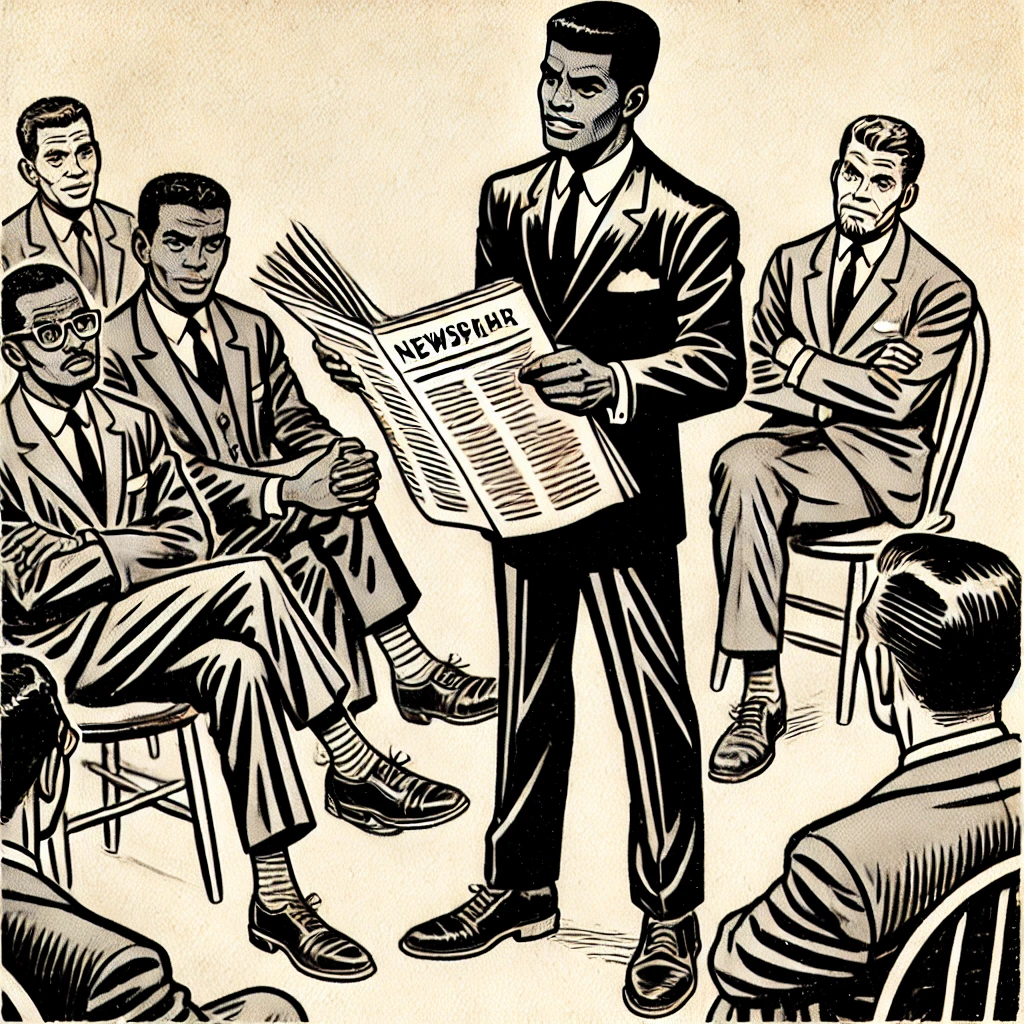
Who Was Dr. Louis Charles Roudanez? Dr. Louis Charles Roudanez was a prominent figure in the realms of medicine, journalism, and civil rights during the 19th century, particularly noted for his efforts in promoting bilingual journalism through the establishment of The New Orleans Tribune. Born in 1823 in New Orleans to a family of mixed African and European descent, Roudanez was deeply influenced by his Creole heritage, which forged his commitment to addressing the social issues faced by the Creole community and African Americans at large. Roudanez’s education in medicine began in the United States, wherein he became one of the few African American physicians of his time, graduating with a medical degree. This accomplishment not only demonstrated his intellectual prowess but also positioned him as a leader who could advocate for the health and well-being of his community. His medical practice was characterized by a commitment to providing care to those who were often marginalized and underserved. However, his influence extended beyond the field of medicine. The founding of The New Orleans Tribune in 1864 marked a significant milestone for Roudanez, as he aimed to create a platform that would provide news and information pertinent to the African American and Creole populations. His vision for bilingual journalism was pivotal, as it allowed for the dissemination of ideas and information in both French and English, reflecting the diverse cultural fabric of New Orleans. Through the Tribune, Roudanez championed civil rights, equality, and social justice, addressing critical issues such as racial discrimination and advocating for the rights of newly freed African Americans. Roudanez’s legacy is imbued with a deep-seated belief in the power of communication and education, which he viewed as essential tools in the struggle for equality. His work in journalism not only illuminated the pressing issues of his time but also laid the groundwork for future generations of journalists to continue this vital mission. His contributions have left an indelible mark on both the history of Louisiana and the broader context of American civil rights, illustrating the impact of his bilingual vision on the discourse surrounding social justice. The Birth of The New Orleans Tribune The establishment of The New Orleans Tribune in 1864 by Dr. Louis Charles Roudanez marked a significant milestone in the landscape of American journalism, especially within the context of post-Civil War conditions. Roudanez, an astute physician and visionary, sought to create a platform that would champion the voices of marginalized communities, particularly those of African Americans and the Francophone population in New Orleans. The motivation behind founding this bilingual publication stemmed from the pressing need for a medium that could address the socio-political issues of the time, such as racial discrimination, inequality, and the fight for civil rights. In a society grappling with tensions and strife between various racial and ethnic groups, Roudanez faced numerous challenges. The period was characterized by instability and a lack of representation for the French-speaking majority as well as the newly liberated Black populace. This landscape made it paramount for Roudanez to navigate complex social dynamics while attempting to cultivate a sense of unity and empowerment through journalism. By offering content in both French and English, The New Orleans Tribune aimed to bridge the gap between the two communities, fostering understanding and collaboration. Moreover, Roudanez’s determination to launch this publication came at a time when the demand for authentic representation in media was growing. Confronted with hurdles such as financial constraints and opposition from those resistant to change, Roudanez remained steadfast in his commitment. The Tribune not only provided news and commentary on local issues but also highlighted the achievements of African Americans, thereby playing a crucial role in the civil rights movement. Consequently, The New Orleans Tribune served as more than a newspaper; it became a beacon of hope and a vital instrument for advocating social justice in a transformative era for American society. The Impact of The New Orleans Tribune The New Orleans Tribune, established by Dr. Louis Charles Roudanez in 1864, played a pivotal role in shaping the landscape of journalism in New Orleans and beyond. Serving predominantly French-speaking Creole communities, the newspaper was instrumental in advocating for civil rights and addressing social issues prevalent during a time of significant racial turmoil. It became a crucial platform for marginalized voices, ensuring that their concerns and aspirations were not only heard but also documented. The Tribune’s commitment to reporting on civil rights and social justice was remarkable, particularly in the aftermath of the Civil War and the challenge of Reconstruction. Roudanez and his team used the publication to tackle pressing issues such as voter suppression, education equity, and workplace discrimination. This advocacy resonated deeply within the Creole community, fostering a robust sense of identity and cultural pride among its readers. The bilingual format further enriched its outreach, allowing both French and English speakers to engage with the content, and thus broadening its influence. Moreover, The New Orleans Tribune’s approach to journalism set an exemplary standard for subsequent publications aimed at serving minority communities. By prioritizing inclusivity and representation, the newspaper demonstrated how journalism could be a transformative tool for social change. The legacy of this publication continues to inspire contemporary journalists who strive to uphold the principles of fairness and community-oriented reporting. The Tribune not only chronicled the struggles and triumphs of Creole citizens but also laid the groundwork for future media initiatives focused on advocacy, ensuring that the voices of the marginalized remain prominent in the ongoing discourse surrounding civil rights and social justice. Roudanez’s Vision for Bilingual Journalism Dr. Louis Charles Roudanez, a pioneer in the realm of journalism, envisioned a media landscape that embraced linguistic and cultural diversity. His creation, The New Orleans Tribune, exemplified this vision through its commitment to bilingual journalism, offering content in both French and English. This dual-language approach not only catered to the diverse population of New Orleans but also served as a medium to promote cultural integration. By producing media in both languages, Roudanez opened up channels
Stock Market News: Dow Futures Slump After Trump’s Tariff Announcement

Overview of Trump’s Tariff Announcement On [insert date of announcement], President Donald Trump unveiled a significant change in economic policy regarding tariffs, which is poised to reshape various sectors within the finance landscape. The administration proposed new tariffs aimed at a broad spectrum of imported goods, with particular emphasis on products originating from [specific countries or regions]. This decision is underpinned by the administration’s ongoing effort to bolster American manufacturing and protect domestic industries from what it perceives as unfair trade practices by foreign competitors. According to the details made public, the proposed tariffs, which are set to apply to a range of goods, will primarily impact industries such as steel, aluminum, and technology. The rationale behind these tariffs is rooted in the desire to enhance domestic production capabilities, foster job creation, and improve the overall trade balance. Proponents of the measure argue that these tariffs will curb the influx of cheaper foreign goods that undermine American manufacturers, thereby stimulating local economic growth. However, the announcement of these tariffs has sparked considerable debate about their broader implications for global trade relations. Critics warn that implementing such measures could lead to retaliatory actions from affected countries, potentially inciting a trade war that may disrupt established networks. Financial analysts are closely monitoring the market reaction, as shifts in trade policies can reverberate across industries and ultimately influence consumer prices. The news of Trump’s tariff announcement has led many investors to reassess their strategies, as they navigate the uncertain waters of international commerce in light of such sweeping economic measures. Market Reaction to the Announcement The announcement made by President Donald Trump on April 2, 2025, regarding the imposition of new tariffs, elicited a notable reaction in the stock market. Following the news, U.S. stock index futures experienced a significant downturn. Notably, the Dow futures, which stood at a promising 235-point advance earlier in the day, swiftly succumbed to investor apprehension, plunging sharply after the tariff revelations. This immediate reaction serves as a critical indicator of market sentiment, reflecting broader concerns within the financial sector regarding the implications of the proposed trade measures. Investors swiftly reevaluated their positions, leading to increased selling pressure across various sectors. The tariff announcement starkly highlighted the volatility that often accompanies government policy changes, particularly those related to international trade. Many market participants feared that the tariffs could exacerbate existing trade tensions, creating uncertainty that may hinder economic growth. Consequently, the value of stocks began to tumble, indicating a widespread lack of confidence among investors navigating the unpredictable landscape of tariffs and trade relations. Incorporating real-time market data, it became evident that sectors most vulnerable to tariff impacts, such as manufacturing and technology, experienced pronounced declines. Graphical representations of market trends during this period reveal the sharp divergence in stock prices, amplifying concerns regarding future economic conditions. The lasting sway of Trump’s tariff policy continues to shape the stock market dynamics, prompting investors to stay alert to subsequent developments that may influence finance and trade relations. As the news unfolded, analysts began reassessing their projections, determining how such tariff implementations could impact corporate earnings and market valuations in the coming months. This ongoing narrative around tariffs and their effects not only influences stock behavior but also shapes the overall economic climate moving forward. Economic Implications of Tariffs President Donald Trump’s tariff announcements have far-reaching economic implications that resonate across various sectors of the economy. Tariffs are essentially taxes imposed on imported goods, which can lead to an increase in prices for consumers. The rationale behind these tariffs often centers around protecting domestic industries from foreign competition. However, while they may benefit specific sectors, the ripple effects can be detrimental to the broader economy. One immediate impact of tariffs is the potential increase in consumer prices. When import costs rise, companies typically pass on these expenses to consumers, resulting in higher prices for goods. This inflationary pressure can erode purchasing power and shift consumer behavior, leading to reduced spending in other sectors. As prices rise, consumers may opt for cheaper alternatives or cut back on discretionary spending, which can ultimately undermine economic growth. Further complicating matters is the likelihood of retaliatory actions from trading partners affected by these tariffs. When the U.S. imposes tariffs, countries impacted may respond with their own tariffs on American goods, which can hurt exporters and threaten jobs in those sectors. For instance, industries that predominantly rely on exports may face declining demand overseas, stifling their growth and potentially resulting in layoffs. The uncertainty surrounding tariffs can also influence overall business investments. Companies may hesitate to invest in expansion when faced with unpredictable trade policies. Additionally, the labor market may feel the strain as some industries contract, leading to higher unemployment rates. As the tariffs drive inflation, the Federal Reserve may find it challenging to navigate monetary policy, further compounding the economic uncertainties. In conclusion, while tariffs may be designed to safeguard certain U.S. industries, their broader economic implications can include increased consumer prices, potential job losses, and decreased economic growth. The interplay of these factors reflects the complexity of international trade policies and their profound impact on the U.S. economy. Looking Ahead: What This Means for Investors The recent announcement of tariffs by President Donald Trump has sent ripples through the stock market, prompting investors to reassess their strategies moving forward. As finance experts weigh in, it is clear that the implications of these announcements could reverberate across multiple sectors, potentially influencing investor sentiment and market stability. The immediate effects of tariffs can lead to heightened volatility as stocks react to changing trade dynamics; however, understanding the longer-term impacts is crucial for effective investing. In the realm of finance, sectors such as manufacturing, technology, and agriculture are poised to experience differing levels of impact from tariff changes. For instance, manufacturing could face increased costs due to changes in imported materials, whereas certain agricultural sectors may find new export opportunities as markets adjust to the tariffs imposed. Investors are advised to closely monitor these
The Ghana Empire: The Land So Rich, Arabs Thought Gold Grew There

A Kingdom Built on Gold The Ghana Empire, which flourished between the 6th and 13th centuries, derived its immense wealth predominantly from the lucrative gold and salt trade. Geographically situated in what is now southeastern Mauritania and western Mali, the empire was ideally placed near rich gold deposits, particularly in regions such as Bambuk and Wangara. These areas were critical for gold extraction, serving as the primary sources that fueled the economy of the kingdom. The abundance of these resources attracted traders from afar, establishing Ghana as a key player in regional and trans-Saharan trade networks. At the height of its prosperity, the Ghana Empire acted as a vital intermediary between the gold miners of West Africa and the merchants of North Africa and the Middle East. The complex trade routes facilitated not only the exchange of gold but also allowed for the trade of salt, which was an equally valuable commodity during this period. Salt, essential for preservation and consumption, complemented the empire’s wealth in gold. Consequently, the Ghanaian rulers capitalized on this strategic position by imposing taxes on goods that passed through their territory, further contributing to the state’s financial strength. The tax system implemented by the empire ensured a steady flow of revenue, which was reinvested into the military and administrative structures, thereby fortifying the kingdom’s influence. It is noteworthy that the fascination of Arab traders with the Ghana Empire led to various misconceptions about gold in the region, with some believing that gold literally grew from the ground. Such narratives, though exaggerated, underscore the empire’s significant role in shaping cultural perceptions of wealth. The tales told by traders played a part in further mythologizing the empire’s riches and solidifying its place in historical discourse. This intricate connection between geography, trade, and cultural narratives illustrates how the Ghana Empire thrived as a dominant economic power in West African history. The Riches of the Ghanaian Kings The Ghana Empire, recognized for its extraordinary wealth, was ruled by kings whose opulence was a testament to their immense power and influence. As described by Arab geographer Al-Bakri, the royal court was a spectacle of grandeur that captivated visitors and chroniclers alike. The Ghanaian kings exemplified affluence not only through their possessions but also in their ceremonial displays, which were integral to maintaining their status and the reverence of their subjects. The attire of the king was nothing short of extravagant, often adorned with golden ornaments and luxurious fabrics. It is said that the king’s robe, richly woven and embellished with gold, became a symbol of authority. His golden throne, which was delicately crafted and set apart from the rest, served as a powerful emblem of his royal status and the empire’s wealth. Such displays were essential in reinforcing the king’s divinely ordained authority, establishing an aura of superiority that permeated the courtly atmosphere. The structure of power within the Ghanaian court complemented the king’s lavish lifestyle. A hierarchy of nobles, advisors, and military leaders surrounded the monarch, each playing a crucial role in the administration of the empire. This intricate system not only upheld the king’s position but also facilitated the management of the empire’s vast resources, including the gold that was so abundant in the region. The wealth generated under the king’s reign enabled the empire to establish and foster trade relations with distant lands, exchanging gold for goods such as ivory, salt, and textiles. This dynamic trade network significantly influenced global trade patterns of the time, solidifying the Ghana Empire’s status as a hub of economic prosperity. The Empire’s Decline The decline of the Ghana Empire, once a formidable force in West Africa, can be traced to a multitude of factors that emerged by the 11th century. One of the most significant external pressures came from the military incursions of the Almoravids, a Berber dynasty from North Africa. Their desire to control trade routes and expand influence led to sustained invasions that severely weakened the empire’s military and political stability. These invasions disrupted not only the security of the region but also the vital trade networks that had contributed to the empire’s prosperity. Additionally, internal strife played a crucial role in the empire’s fragmentation. Discontent among the various ethnic groups within the empire became pronounced as centralized authority weakened. The leadership struggled to maintain cohesion, with factions competing for power and influence, leading to civil discord. This internal conflict hampered the empire’s ability to respond effectively to external threats and manage its vast territories. Another critical aspect contributing to the decline of the Ghana Empire was socio-economic instability, especially concerning the depletion of gold reserves. The empire’s wealth was largely drawn from its abundant gold resources; however, as these began to dwindle, so did the empire’s economic foundations. The decline in gold production not only eroded the financial base of the kingdom but also diminished its appeal as a trading partner, resulting in reduced trade revenues. The combination of external invasions, internal discord, and economic crises set in motion a trajectory towards fragmentation, allowing for the rise of successor states such as the Mali Empire. This transition highlights the complex and interconnected dynamics that ultimately led to the fall of the once-mighty Ghana Empire, making way for the emergence of new powers in West Africa. Legacy of Ghana’s Golden Age The Ghana Empire, often referred to as the “Land of Gold,” played a pivotal role in shaping the historical landscape of West Africa. Its reign, which occurred between the 6th and 13th centuries, established extensive trade networks that thrived on the exchange of gold, salt, and other commodities. This vibrant trade deeply influenced the culture and governance of successive empires in the region, such as the Mali and Songhai Empires, which drew upon the administrative frameworks and economic practices initiated by Ghana. The legacy of the Ghana Empire persists not only in historical accounts but also in the contemporary identity of West Africa. The significance of the Ghana Empire extends beyond mere economic prosperity; it symbolizes Africa’s
Jeremiah Hamilton: Wall Street’s First Black Millionaire
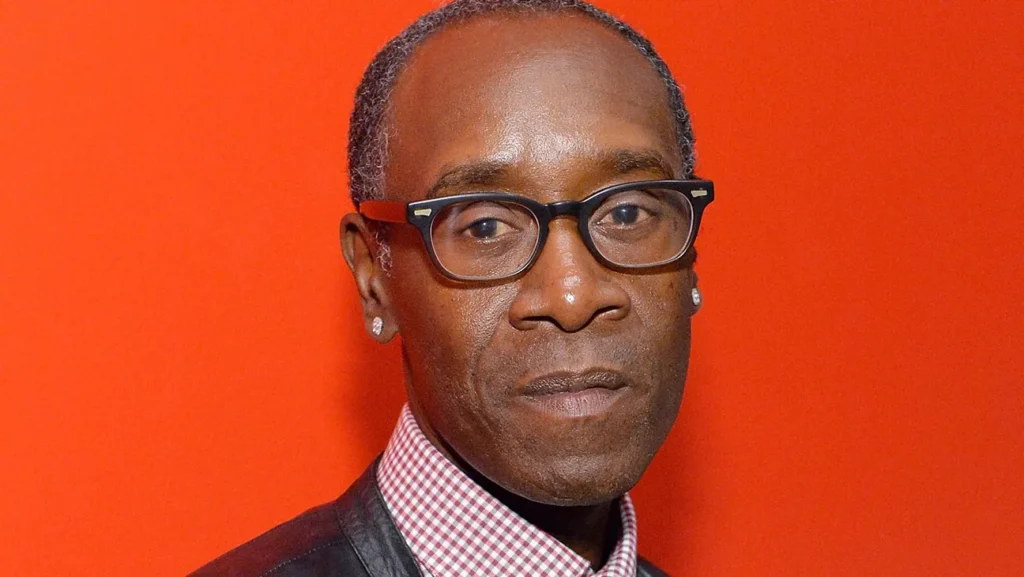
Early Life and Background Jeremiah Hamilton was born in the West Indies around 1807, amidst a society deeply rooted in sugar plantations and colonial economies, which defined the socio-economic landscape of the time. There is limited information regarding his family background; however, it is evident that the environment Hamilton grew up in was strife with complexities. The Caribbean was dominated by colonial rule, and for many, opportunities for advancement were restricted by the prevailing socio-political attitudes. His heritage as a person of color in a predominantly white society likely shaped his perspective on wealth and ambition. Emerging from this backdrop, Hamilton migrated to the United States, driven by aspirations for economic success and a desire to change his fortunes. Arriving in the early 19th century, he found himself amidst a rapidly growing nation, characterized by the rise of capitalism and industrialization. During this period, Wall Street was becoming the financial epicenter of the United States, with burgeoning opportunities for individuals willing to navigate its complexities. However, racial discrimination and systemic barriers posed unique challenges that Hamilton had to overcome. In a society that often marginalized people of color, Hamilton’s journey signifies a broader narrative of resilience and determination. His early life experiences would influence his later strategies and dealings in finance, as he sought to dismantle the socio-economic barriers that limited the possibilities for individuals from similar backgrounds. By the time he firmly established himself in the financial landscape of New York, even in the face of adversity, Hamilton’s story would become a testament to the potential for success against the odds, laying the foundation for his future as Wall Street’s first Black millionaire. Rise to Wealth: The Hedge Fund Pioneer Jeremiah Hamilton’s journey to wealth is a remarkable tale, marked by his innovative approach to finance and adept navigation of the Wall Street landscape. As one of the first Black millionaires in America, Hamilton established himself as a pioneer in the hedge fund industry, utilizing strategies that would influence future generations of investors. His financial acumen allowed him to identify lucrative investment opportunities that were often overlooked by his contemporaries. To build his wealth, Hamilton employed various investment strategies that included investing in real estate, stocks, and bonds. His methodical assessment of market trends enabled him to make informed decisions that maximized returns while minimizing risks. One notable strategy involved leveraging debt to acquire undervalued assets, particularly during market downturns. This approach not only diversified his portfolio but also enhanced his capital’s appreciation as the market recovered. In a predominantly white industry rife with racial bias, Hamilton’s ability to distinguish himself was fueled by his exceptional negotiation skills and sharp instincts. He was known to cultivate relationships with influential figures on Wall Street. By doing so, he gained critical insights and opportunities that his peers might have missed. Furthermore, his innovative practices set the foundation for the modern hedge fund model, emphasizing the importance of risk management and the strategic allocation of capital across various sectors. Moreover, Hamilton’s ventures into insurance and transport sectors showcased his understanding of emerging markets, exemplifying his proactive mindset. He consistently looked for gaps in the market, capitalizing on them to forge a path toward considerable wealth. His achievements not only contributed to his personal success but also paved the way for other aspiring Black entrepreneurs in the finance sector, leaving a lasting legacy that resonates to this day. Confronting Prejudice: A Black Millionaire’s Battle Jeremiah Hamilton, regarded as Wall Street’s first Black millionaire, navigated a tumultuous landscape marked by racial prejudice during his career. Born in 1806, Hamilton entered a world that was not only unwelcoming but quite hostile to individuals of African descent seeking success in finance and commerce. His journey was emblazoned with instances of systemic racism that tested his resilience and determination. One of the most notable episodes in Hamilton’s fight against prejudice was his famous lawsuit against Cornelius Vanderbilt. Hamilton had established his standing in the shipping industry, and when he accused Vanderbilt of fraudulent practices, he faced opposition not just in the courtroom but also within the societal framework that often viewed his social ambitions as an affront. Hamilton’s legal battle, which he ultimately won, was a bold assertion of his rights and undermined the prevailing racial hierarchies of the time. Additionally, Hamilton showed remarkable fortitude during the 1863 draft riots, a grim period when racial tensions surged in New York. Although the riots were primarily fueled by anti-Black sentiment and fears about the Union draft, Hamilton refused to allow fear to dictate his life. His courageous stance during this period went beyond mere survival; it showcased a defiance against the societal norms that sought to marginalize him. He stood his ground, often confronting those who tried to intimidate him, reinforcing his belief that his accomplishments were legitimate and deserved respect. These instances reflect Hamilton’s unwavering resolve to claim his rightful place in a society riddled with racial biases. Through his tenacity and audacity, he not only confronted the prejudice of his contemporaries but also paved a way for future generations to aspire towards equity in the financial sector. His legacy as a pioneer in fighting racial injustice remains a significant chapter in American history. Legacy and Contributions: More Than a Millionaire Jeremiah Hamilton stands as a pivotal figure in American history, representing more than just wealth; he embodies the struggle and triumph of Black entrepreneurs in a racially segregated society. As Wall Street’s first Black millionaire, Hamilton’s achievements in finance and real estate are remarkable, but his contributions extend far beyond his personal success. His journey serves as an inspiration for future generations of Black investors and business leaders, providing a roadmap for navigating the complexities of a racially biased financial landscape. Hamilton’s legacy is deeply embedded in the foundation he laid for subsequent Black entrepreneurs. By breaking barriers in the 19th century, he not only amassed wealth but also challenged the prevailing norm, demonstrating that economic power was attainable for African Americans. His strategies in
The Legend of Yasuke: The Black Samurai of Japan

Origins of Yasuke: A Journey from Africa to Japan The historical figure Yasuke, renowned as Japan’s first black samurai, represents a unique intersection of African heritage and Japanese culture during a period of significant global exploration. Yasuke is believed to have been born in Africa, although precise details regarding his birthplace remain elusive. The late 16th century was marked by the transcontinental activities of Portuguese traders, who were largely involved in the exchange of goods, spices, and slaves. It is during this time that Yasuke’s journey likely began, as he was possibly brought to Japan as a servant or slave accompanying Portuguese missionaries. Upon his arrival in the Japanese port city of Nagasaki in 1579, Yasuke’s appearance was striking, with his height and dark skin setting him apart in a predominantly homogeneous society. His presence captivated the Japanese, particularly Oda Nobunaga, a powerful feudal lord, who was intrigued by this extraordinary individual. Nobunaga’s curiosity led to Yasuke being granted the unprecedented status of a samurai, an honor that symbolized the fusion of cultures at a time when black history and African influences were virtually absent in Japan. This cultural exchange not only highlighted the progressive attitudes of certain Japanese leaders but also signaled the complexities of global interactions during the early modern era. The arrival of Yasuke can be seen as a pivotal moment in Japan’s historical narrative, illustrating the impact of African heritage through the lens of samurai culture. His life story weaves together themes of identity, race, and power dynamics in a rapidly changing world, as he navigated the challenges and opportunities posed by his background. Yasuke’s journey is a reminder of the global connections that have historically shaped individual narratives, transcending geographical boundaries and calling into question the perceived limitations of race and ethnicity. Yasuke’s Rise to Samurai Status The story of Yasuke, the first known African samurai in Japan, begins in the late 16th century, a time of significant upheaval and transition in Japanese society. Arriving in Japan as a servant of the Portuguese Jesuits, Yasuke caught the attention of Oda Nobunaga, one of the most formidable warlords of the Sengoku period. Nobunaga, known for his keen eye for talent and ability to leverage unique individuals, was particularly fascinated by Yasuke’s distinct appearance and extraordinary physical prowess. This initial encounter proved to be the pivotal moment for Yasuke’s rise to prominence within the complex world of samurai culture. Upon meeting him, Nobunaga expressed a genuine curiosity about Yasuke’s origins, allowing the foreigner to showcase his remarkable strength and skills. This unusual fascination laid the groundwork for Yasuke’s ascent. Despite the prevalent discrimination he faced as a black man in a predominantly homogeneous society, Yasuke’s exceptional abilities began to overshadow societal prejudices. His stature and combat skills contributed to a growing respect among the samurai, proving that merit could often transcend racial barriers. As Yasuke became a part of Nobunaga’s inner circle, he navigated the intricate social hierarchy of Samurai life, which was heavily dictated by honor and loyalty. In a somewhat unusual move, Nobunaga honored Yasuke with a samurai title, elevating him from a foreign servant to a respected warrior. Throughout his service, Yasuke remained loyal, demonstrating not only his combat skills but also his commitment to the unification of Japan under Nobunaga’s rule. The dynamic relationship between these two figures illustrates the complexities of black history in Japan and serves as a testament to Yasuke’s individuality against the backdrop of cultural constraints. His journey as a samurai highlights both the possibilities and limitations that foreign individuals experienced in Japan during this era. The Impact of Yasuke: A Cultural Exemplar The story of Yasuke, the Black Samurai of Japan, extends far beyond his remarkable achievements as a warrior and servant to the great warlord Oda Nobunaga. His legacy serves as a cultural exemplar, highlighting the complexities of identity and representation within Japan and beyond. Yasuke’s presence in a predominantly homogenous society illustrates the intersections of culture, race, and history, presenting a unique narrative about the experiences of African individuals in Japan during the late 16th century. Yasuke’s arrival in Japan is often perceived as a critical moment, one that challenged the conventional perception of Black individuals in Japanese history. He is not merely a fascinating figure; rather, he acts as a symbol of diversity, bridging the gap between East and West. This confluence can also stimulate discussions about race and cultural representation in contemporary Japan, suggesting an evolution of social norms and attitudes that can promote inclusivity. Yasuke’s legacy inspires current dialogue surrounding diversity, further pushing the boundaries of understanding about cultural exchange. In artistic and literary circles, Yasuke’s life story has transcended its historical roots to inspire numerous works, from manga and anime to novels and films. These interpretations often depict him not only as a courageous warrior but also as a complex individual navigating the challenges of being an outsider. This embodiment of resilience and tenacity resonates with contemporary movements advocating for representation and equity, showcasing how Yasuke remains relevant to modern discussions on race. His story invites a reflection on broader themes of acceptance and the importance of including diverse narratives in the cultural discourse of Japan. In conclusion, Yasuke’s impact on Japanese culture extends beyond the boundaries of time and geography. His story serves as a poignant reminder of the significance of representation, profoundly influencing how African people and narratives are perceived in Japan. As cultural conversations continue to evolve, Yasuke remains a powerful symbol of the richness that diversity brings to society. The Mythology of Yasuke: Legacy and Modern Reinterpretations The narrative of Yasuke, the renowned black samurai in Japan, has transcended historical accounts to evolve into a rich tapestry of mythology. His life, marked by extraordinary events and unique circumstances, serves as a potent foundation for reimagining themes of diversity, resilience, and belonging. Over the years, Yasuke’s legacy has found its way into various forms of media, reflecting modern society’s inclination to celebrate diversity through the lens of historical
The Genius of George Washington Carver: Innovator and Inventor

Early Life and Education George Washington Carver was born into slavery in the early 1860s in Diamond, Missouri. His enslaved mother, Mary, was owned by the Parker family, who also had a son named Moses. After the Civil War, a series of events brought about significant changes in Carver’s life. He was freed, but his mother was kidnapped by raiders, prompting young George to live with Moses and his family. This period was the foundation of his identity, a time that forged his resilience and relentless pursuit of knowledge. Despite the overwhelming obstacles as a Black child in the United States during this era, Carver exhibited a profound curiosity about the natural world. His fascination with plants and farming was profoundly influenced by the Brer Rabbit folklore, which imbued him with a deep respect for nature’s processes. These stories often depicted clever animals who used their surroundings to survive, thus instilling in him the notion that ingenuity could lead to solving problems. This formative connection between folklore and his passion for agriculture would remain a cornerstone of his intellectual pursuits throughout his life. George’s quest for education was arduous. In pursuit of learning, he walked several miles to attend a school for Black children in Neosho, where he faced discrimination and limited resources. However, Carver’s determination and commitment to education were unwavering. In his late teens, he earned a high school diploma and subsequent admission to Simpson College in Iowa, where he was initially one of the few Black students enrolled. His significant overcoming of adversity was a testament to his character; it embodied the spirit of perseverance that would define his later work in agricultural sciences. This early life, marked by hardship, shaped Carver into an innovative thinker. His experiences laid the groundwork for advocating agricultural innovation, particularly for impoverished farmers in the American South. Carver would go on to revolutionize cotton farming and promote sustainable agriculture, reflecting the profound impact of his early experiences on his future endeavors. Innovations in Agriculture George Washington Carver stands out as a revolutionary figure in agriculture, particularly for his innovative contributions that profoundly impacted farming practices in the early 20th century. One of Carver’s most notable advancements was his promotion of crop rotation, a practice that had significant implications for soil health and productivity. By encouraging farmers to alternate crops—specifically integrating legumes such as peanuts and sweet potatoes—Carver addressed the soil depletion caused by monoculture, which had been rampant due to the reliance on cotton farming. This rotation not only rejuvenated the soil but also introduced farmers to diverse crops that could be cultivated, leveraging the natural nitrogen-fixing properties of legumes to enhance soil fertility. Furthermore, Carver’s advocacy for alternative crops opened new economic avenues for many farmers, particularly in the impoverished regions of the Southern United States. He championed crops like peanuts and sweet potatoes, which could thrive in poor soils and provided excellent nutritional benefits. Carver’s inventions and methodologies facilitated the creation of numerous products derived from these crops, including peanut butter, flour, and various household goods. This diversification in agriculture helped farmers to not only sustain their livelihoods but also improve their economic status by exploring new markets. Additionally, Carver’s inventive spirit led him to develop a suite of sustainable farming methods aimed at improving crop yield while conserving the environment. By introducing practices such as composting and organic farming, he emphasized self-sufficiency and reduced reliance on chemical fertilizers. His commitment to education ensured that many farmers were equipped with the knowledge needed to implement these innovative techniques, thus reinforcing his belief in the power of agricultural innovation as a means to uplift impoverished communities. Inventions and Discoveries George Washington Carver is esteemed not only for his contributions to agriculture but also for his remarkable array of inventions and discoveries that extend well beyond traditional farming techniques. His innovative work with peanuts, sweet potatoes, and other crops has led to a multitude of products that have transformed both agricultural practices and industrial applications. Carver’s extensive research resulted in the creation of over 300 derivatives from peanuts alone, including soaps, plastics, and dyes, each demonstrating the versatility and potential of this seemingly simple legume. One notable example is Carver’s development of a variety of peanut-based dyes. His exploration into natural colorants not only provided sustainable alternatives to synthetic dyes but also highlighted the importance of utilizing plant byproducts in novel ways. In addition to his efforts with peanuts, his work with sweet potatoes has yielded over 100 products, showcasing his relentless pursuit of innovation. Products such as flour, vinegar, and even athletic shoes made from the sweet potato have emerged from his creativity and experimental methodologies. Carver was a proponent of practical science, advocating for the idea that experimentation and innovation should be accessible to all. By encouraging farmers, scientists, and entrepreneurs to think creatively about agricultural byproducts, he fostered a culture of ingenuity that emphasized the potential of local resources. His methods often included hands-on experimentation and collaboration, which proved effective in disseminating knowledge and encouraging communal progress. The philosophical underpinnings of his work reflected a deep understanding of the interconnectedness of ecological systems, economic stability, and technological advancement, making him a pioneer in sustainable practices. Ultimately, George Washington Carver’s findings and inventions significantly impacted the economy and industry, laying the groundwork for future technologies that utilize agricultural byproducts. His legacy highlights the importance of innovation in addressing societal needs and environmental challenges, which remains relevant today. Legacy and Influence George Washington Carver stands as a pivotal figure in the realms of agriculture, education, and environmental sustainability, leaving an enduring legacy that continues to resonate today. His innovative agricultural practices, rooted in the philosophy of sustainability and ecological balance, transformed traditional farming methods during a time when soil depletion posed a significant threat to crops. Carver’s emphasis on crop rotation and the significance of legumes, such as peanuts and soybeans, not only improved soil health but also diversified farmers’ incomes, demonstrating a profound understanding of agricultural ecology. Beyond
The Fight to Reclaim Africa’s Stolen Heritage: Who’s Returning Looted Artifacts?
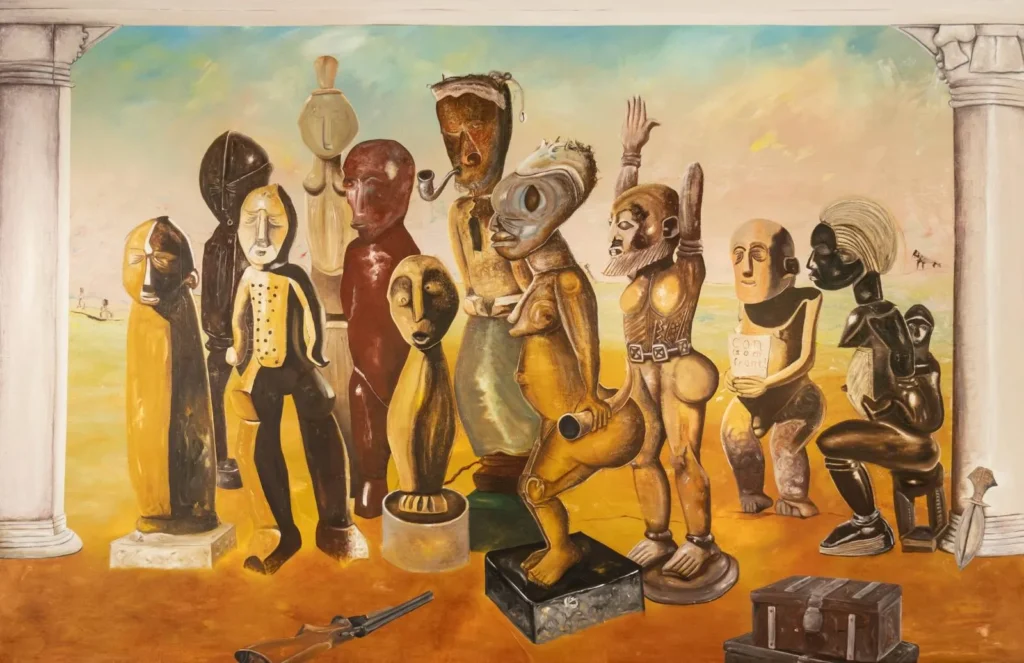
For centuries, African artifacts have been displayed in Western museums and private collections, far from their origins. Many of these treasures were looted during colonial rule, taken by European powers that saw Africa as a land to be exploited rather than respected. Today, a growing movement is demanding the return of these stolen cultural and historical artifacts. But who is actually giving them back? A Long History of Theft During the colonial era, European nations pillaged Africa’s artistic and cultural heritage. From the infamous Benin Bronzes stolen by British forces in 1897 to sacred Ethiopian manuscripts taken by European invaders, these artifacts were shipped off to museums and private collections, often with little acknowledgment of their origins. These objects were not just decorative pieces—they held deep spiritual, historical, and cultural significance for the communities they were taken from. For decades, African nations have been calling for their return, but resistance from museums and governments has slowed the process. Many institutions have argued that they are “preserving” the artifacts or that returning them would set a dangerous precedent. However, recent years have seen significant progress in the restitution movement. Who’s Giving African Artifacts Back? United Kingdom The British Museum holds a vast collection of looted African artifacts, including the Benin Bronzes and Egyptian antiquities. While the museum has resisted returning them, some institutions within the UK have taken action. In 2022, the University of Cambridge’s Jesus College and the Horniman Museum returned several Benin Bronzes to Nigeria. Germany Germany has made one of the largest steps toward restitution. In 2022, it returned over 1,100 Benin Bronzes to Nigeria and signed agreements for further repatriation of looted objects. The German government has also pledged to return stolen artifacts from Namibia and Tanzania, two of its former colonies. France In 2017, French President Emmanuel Macron promised to return African artifacts held in France’s national collections. In 2021, France returned 26 royal artifacts to Benin, which had been taken by French troops in 1892. However, many more stolen artifacts remain in French museums, and activists continue to push for their full return. Belgium Belgium, which brutally colonized the Democratic Republic of Congo under King Leopold II, has been working to return looted artifacts. The Royal Museum for Central Africa in Brussels houses thousands of Congolese artifacts taken during the colonial era. In 2022, Belgium announced plans to transfer ownership of these items back to the DRC, though the process has been slow. Netherlands The Dutch government has also taken steps to return stolen heritage. In 2023, the Netherlands repatriated looted artifacts to Ghana and Indonesia. The country has committed to further restitution efforts in collaboration with former colonies. United States Some U.S. institutions have begun returning African artifacts, especially Benin Bronzes. In 2022, the Smithsonian Institution announced the return of 29 Benin Bronzes to Nigeria. Other American museums and universities, including the Metropolitan Museum of Art and Princeton University, have also followed suit. Why Does This Matter? The restitution of stolen African artifacts is about more than just returning physical objects—it’s about justice, historical accountability, and cultural preservation. For African nations, these artifacts represent stolen history and identity. Their return allows communities to reconnect with their past and reclaim what was wrongfully taken. However, challenges remain. Many Western institutions still resist restitution, arguing that these artifacts are “global heritage” or that African nations lack the resources to properly care for them. Some governments have even introduced legal barriers to prevent museums from returning looted objects. The Future of Repatriation The momentum for returning stolen African artifacts is growing. Activists, scholars, and governments continue to push for justice, and more institutions are recognizing their moral responsibility to return these items. With increasing global pressure, the hope is that African cultural heritage will one day be fully restored to its rightful owners. Final Thoughts While progress is being made, the fight for restitution is far from over. African nations deserve to have their stolen history returned, and Western institutions must acknowledge and correct the wrongs of the past. The conversation around artifact repatriation is not just about history—it’s about fairness, respect, and the right of African nations to own their cultural legacy. #Repatriation #AfricanArtifacts #BeninBronzes #CulturalHeritage #JusticeForAfrica
Harlem’s Debutante Balls of the 1960s: A Celebration of Black Elegance and Excellence

In the heart of Harlem, amid the cultural vibrancy of the 1960s, a time-honored tradition flourished—the debutante ball. These grand events, where young Black women from distinguished families were formally introduced to society, were more than just elegant affairs. They symbolized grace, achievement, and the strength of Black communities during a transformative era in American history. A Tradition of Prestige and Pride Debutante balls had long been a tradition in elite circles, but for Harlem’s Black community, these events carried deeper significance. In a time when racial barriers excluded Black families from many elite spaces, debutante balls became a means of uplifting young Black women and honoring their education, poise, and social standing. These balls, often hosted by social organizations like Jack and Jill of America, The Links, and the National Urban League, were a rite of passage for young women transitioning into adulthood. Dressed in elegant white gowns, symbolizing purity and new beginnings, debutantes were escorted by young men in sharp tuxedos, performing choreographed waltzes before an audience of proud parents, civic leaders, and celebrities. More Than a Ball: A Celebration of Black Excellence The debutante balls of Harlem weren’t just about glamour—they were about legacy and empowerment. These events fostered: The Changing Times By the mid-1960s, as the Civil Rights and Black Power movements gained momentum, ideas of Black identity and empowerment evolved. Some young women embraced debutante culture, while others saw it as a relic of the past. Yet, the spirit of these balls—uplifting Black youth and celebrating achievement—remained strong. Legacy of Harlem’s Debutante Balls Today, the legacy of these Harlem debutante balls lives on through organizations that continue to host cotillions and scholarship galas. These events serve as a bridge between past and present, ensuring that Black elegance, excellence, and empowerment remain at the forefront. Would you have attended a Harlem debutante ball in the 1960s? Let’s discuss in the comments! #Harlem #DebutanteBall #BlackExcellence #1960s #BlackHistory
The African Renaissance Monument: A Towering Symbol of Black Strength and Unity

Perched high above Dakar, Senegal, the African Renaissance Monument is more than just the tallest statue in Africa—it’s a bold declaration of Black resilience, unity, and progress. But what does it truly represent, and why has it stirred so much conversation since its unveiling? A Vision of Black Empowerment Standing 49 meters (160 feet) tall, this massive bronze statue depicts a strong Black man, a woman, and a child, all looking toward the future. Designed by Senegalese architect Pierre Goudiaby Atepa, the monument was commissioned by then-President Abdoulaye Wade and inaugurated on April 4, 2010, to celebrate Senegal’s 50th anniversary of independence. The towering figures symbolize: A Monument Surrounded by Controversy Despite its powerful message, the monument has faced intense criticism: A Tourist Landmark and Cultural Icon Today, the African Renaissance Monument remains a major tourist attraction, offering breathtaking panoramic views of Dakar from its summit. Inside, visitors can explore a museum that delves into African history, independence struggles, and the continent’s future. Final Thoughts: A Symbol That Stands Tall Regardless of the controversies, the African Renaissance Monument is a monumental reminder of Africa’s resilience. It stands as a bold symbol of Black power, cultural pride, and hope for the future. Whether seen as a masterpiece or a misstep, its presence is undeniable—a giant declaration that Africa is rising. Would you visit the African Renaissance Monument? Let’s talk in the comments! #AfricanRenaissance #Senegal #BlackExcellence #Monuments #AfricanPride
Polly Jackson: The Underground Railroad’s Fearless Defender
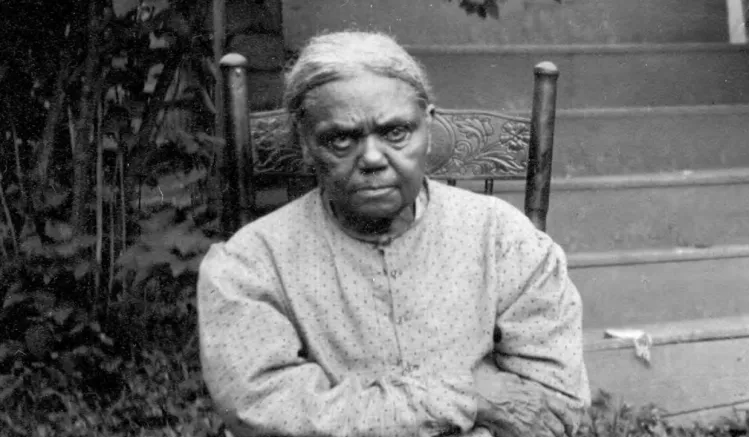
In the dark of the night, as the whispers of freedom seekers filled the air, Polly Jackson stood guard—armed not just with hope but with a kettle of boiling water and a butcher knife. A former enslaved woman turned conductor on the Underground Railroad, she became a fierce protector of those who dared to escape bondage. A Life of Courage and Resistance Polly Jackson lived in a free Black community near Ripley, Ohio, a region known for its strong abolitionist movement. Ripley was home to individuals like John Rankin, who helped many enslaved people find their way to freedom, but Polly’s contribution stood out due to her direct and physical resistance against those who sought to return people to enslavement. Unlike many conductors who worked in secrecy, Polly Jackson was unafraid to fight. When slave catchers came prowling, she met them with unexpected weapons—a boiling pot and a blade. Stories tell of her scalding those who tried to capture freedom seekers, striking fear into those who profited from human suffering. A Legacy of Strength and Defiance Jackson’s story is a powerful reminder that the Underground Railroad was not just about secret routes and safe houses—it was also about the brave men and women who risked everything to protect the vulnerable. While history often highlights figures like Harriet Tubman, Polly Jackson’s name deserves a place among the greats. She represents the countless Black women who not only sought their own freedom but also fought fiercely to ensure others could claim theirs. Her story is a testament to the unbreakable spirit of resistance and the extraordinary courage of those who refused to be silenced. Polly Jackson wasn’t just a conductor on the Underground Railroad—she was a warrior for freedom. #BlackHistory #UndergroundRailroad #PollyJackson #FreedomFighter