Historical Context of Puerto Rican Migration Post-War
In the aftermath of World War II, the migration of Puerto Ricans to the mainland United States, particularly New York, surged significantly. This movement stemmed from a combination of socio-economic factors that reshaped life both on the island and in urban America. The post-war period saw a booming economy in the United States, partially fueled by military spending and the expansion of industries. This economic growth created an abundance of job opportunities, particularly in manufacturing, construction, and service sectors, which attracted many Puerto Ricans seeking a better quality of life.
The political status of Puerto Rico as a territory of the United States also played a crucial role in this migration wave. Following the war, the island experienced economic difficulties characterized by high unemployment rates and limited resources. As Puerto Ricans faced financial instability, many were compelled to seek opportunities on the mainland. The U.S. government extended its investment in Puerto Rico through initiatives like Operation Bootstrap, aimed at modernizing its economy, yet many residents found that prospects were limited. Consequently, migrating to New York and other states became a viable option for countless individuals and families.
Moreover, U.S. immigration policies during this era became more favorable towards Puerto Ricans, differentiating them from other immigrant groups. Notably, the 1940s introduced changes that permitted easier access for Puerto Ricans to travel and settle in the United States. This facilitated the movement of thousands who sought to escape the hardships of island life and embrace the promise of economic advancement and greater social mobility. Thus, the decade of the 1940s marked a pivotal moment not only for those migrating but also for the Puerto Rican communities that would soon emerge in urban settings, particularly in New York City.
Life on the Plane: The Lawn Chairs Phenomenon
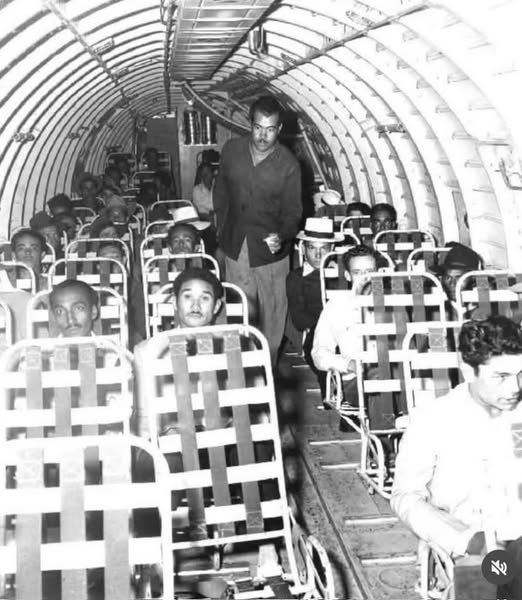
In the immediate post-war period of 1946, air travel was a nascent industry, characterized by limited accessibility and affordability. For many Puerto Ricans, the dream of traveling to New York was often tempered by economic constraints. As the island grappled with post-war recovery, flying became a distant aspiration for numerous families. In this context, an extraordinary phenomenon emerged—some daring souls took to the skies in improvised lawn chairs, a testament to their resilience and creativity.
The circumstances that led to travelers commandeering lawn chairs were unique. Flights were few, and with the price of tickets positioned beyond the means of many, the ingenuity of individuals shone through. For those who dreamt of reunification with family or seeking better opportunities, the simple lawn chair became a symbol of determination and resourcefulness. Boarding a plane with a lawn chair might have seemed an unconventional choice, yet, it reflected an era where necessity often birthed innovative solutions.
The sensory experiences aboard these flights added to the allure and excitement of the journey. Passengers were enveloped in the sounds of engines and the thrilling turbulence that accompanied ascents and descents. There was a palpable sense of camaraderie among fellow travelers, all sharing the same dreams of a new life in New York. The sight of clouds whizzing past their makeshift seating further inspired awe and wonder, enhancing the emotion of this pioneering experience. Feelings of hope and trepidation blended as the plane soared into the unknown, marking a significant transition from their homely skies to the bustling urban landscape awaiting them.
Ultimately, the lawn chairs phenomenon encapsulated the spirit of Puerto Ricans in their quest for improved livelihoods. It was not just a means of transport; it was a statement of aspiration, embodying the very essence of cultural resilience and the relentless human desire to forge ahead despite facing considerable obstacles.
Cultural Implications of the Migration Experience
The migration of Puerto Ricans to New York in 1946 marks a significant chapter in both Puerto Rican and American history, profoundly influencing the cultural landscape of urban America. The influx of Puerto Rican migrants contributed to the evolution of a distinct cultural identity, often referred to as Nuyorican culture, which reflects the blend of Puerto Rican traditions with the dynamic environment of New York City. This cultural interchange not only enriched the lives of those who migrated but also left a lasting imprint on the city itself.
As Puerto Ricans established themselves in New York, vibrant neighborhoods such as East Harlem and the Bronx emerged, characterized by their unique cultural expressions. These neighborhoods became epicenters of social and cultural life, fostering a strong sense of community among migrants. The shared experiences of adaptation and resilience led to the strengthening of cultural bonds among Puerto Ricans, promoting solidarity and a collective identity despite the challenges faced in a foreign land.
The artistic expressions of Nuyorican culture, particularly in music, literature, and visual arts, reflect the rich heritage of Puerto Rico while also addressing the realities of urban life in New York. Genres such as salsa and distinctive forms of poetry emerged as platforms for Puerto Ricans to convey their experiences and aspirations. The arts became a means to not only celebrate their identity but also to engage with broader societal issues, making significant contributions to American culture as a whole.
Community organizations played a vital role in supporting Puerto Rican migrants by providing resources, advocacy, and cultural programs that facilitated adaptation. These organizations not only offered assistance in navigating life in a new city but also worked to preserve and promote Puerto Rican cultural values, ensuring they remained integral to the fabric of New York City. The interplay of migration and community development during this period has left an indelible mark, shaping the identity of Puerto Ricans in America and fostering a rich cultural legacy that continues to thrive today.
Legacy and Memory: Reflecting on the Journey
The migration of Puerto Ricans to New York in the 1940s represents a pivotal chapter in the narrative of both Puerto Rican and American history. This movement, often characterized by the imagery of travel in lawn chairs, served as a literal and metaphorical representation of the hopes and dreams of many seeking better opportunities. As families embarked on this journey, they carried with them not only their belongings but also their culture, traditions, and aspirations. This experience has since become ingrained in collective memory, shaping the identities of generations to come.
In many ways, the legacy of this migration can be seen in the vibrant Puerto Rican communities that exist in New York City today. The stories of hardship and resilience have been woven into the fabric of cultural narratives, underscoring the determination to thrive despite adversity. These early settlers laid crucial groundwork, fostering a sense of belonging while simultaneously bridging the gap between their indigenous island culture and the urban landscape of New York. Consequently, contemporary Puerto Ricans reflect on this historical episode with a blend of pride and introspection, acknowledging both the challenges their ancestors faced and the rich contributions they made to the cultural mosaic of the city.
Moreover, this early migration experience provides context for understanding modern migration patterns. As new waves of Puerto Ricans—along with individuals from various Latin American countries—arrive, they inevitably encounter the legacies of those who journeyed before them. The parallels between past and present travels, struggles, and triumphs continue to resonate within the Puerto Rican community, prompting reflections on identity, belonging, and the ongoing quest for social and economic stability. In encapsulating the journey from Puerto Rico to New York, we not only honor the past but also shape the future narrative of Puerto Rican identity in the face of contemporary migration challenges.