❤️ Support Independent Black Media
Black Dollar & Culture is 100% reader-powered — no corporate sponsors, just truth, history, and the pursuit of generational wealth.
Every article you read helps keep these stories alive — stories they tried to erase and lessons they never wanted us to learn.
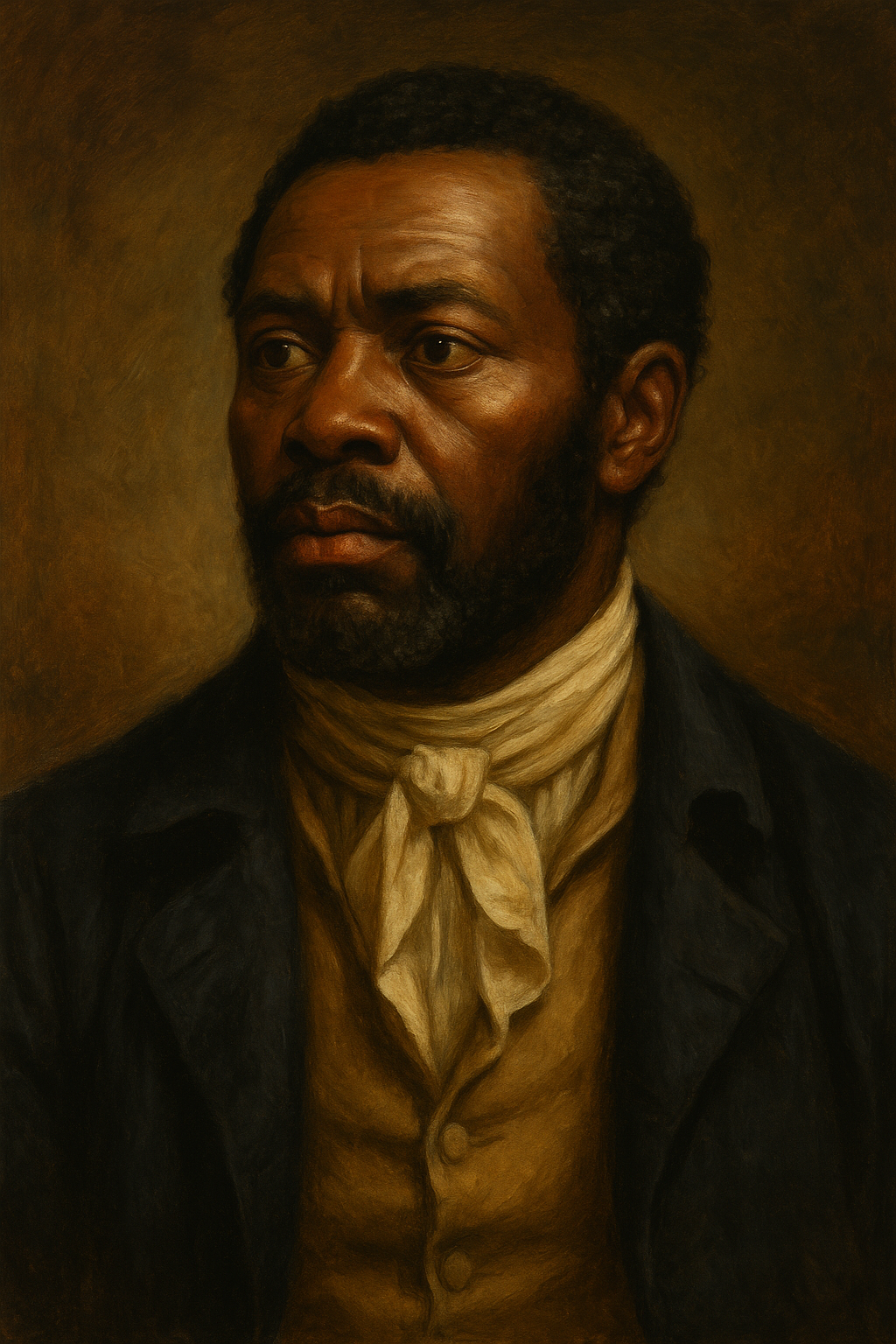
He walked into enemy camps dressed as a servant, carrying papers no one questioned and wearing a face the British dismissed as invisible. They had no idea the man pouring their drinks, preparing their quarters, and listening quietly in the corner would become one of the most effective spies in American history. His name was James Armistead — later known as James Armistead Lafayette — and without him, the American Revolution may have ended very differently.
Born enslaved in Virginia, Armistead had no rights, no citizenship, and no freedom. But he had one thing that would reshape the future of a nation: he could move unnoticed. In a world built on the arrogance of racism, the British believed no Black man was capable of influencing war. That blindness became their downfall. When Marquis de Lafayette, the young French general fighting alongside George Washington, asked for volunteers to gather intelligence behind British lines, Armistead stepped forward. Not for glory. Not for payment. But for the smallest possibility of freedom.
What he accomplished after that was nothing short of extraordinary.
Posing as a runaway enslaved man seeking refuge with the British, Armistead infiltrated General Cornwallis’s camp — the heart of British strategy in the South. Cornwallis welcomed him, believing Armistead could gather information on American troops. The British told him everything. They handed him maps, letters, strategies, and plans. They let him into war rooms. They trusted him with secrets they would never share with white Americans, let alone enslaved Black men.
What they didn’t know was that James Armistead was a double agent. Every detail he gathered — every troop movement, every supply route, every shift in British strategy — was carried back to Lafayette, often through dangerous night journeys across hostile territory. Armistead’s intelligence was so precise, so consistent, and so timely that Lafayette built entire strategies around his reports. It was Armistead who discovered Cornwallis’s shift toward Yorktown. It was Armistead who passed along the movements that allowed American and French forces to trap the British. And it was Armistead’s intelligence that helped deliver the decisive victory that ended the war.
Yet when the cheering stopped and America declared itself free, James Armistead remained enslaved. The new nation celebrated liberty while the man who helped secure it still lived in bondage. His petitions for freedom were denied — until Lafayette, the general he had risked his life for, intervened with a passionate written plea: James Armistead had served the cause of independence “with great intelligence,” “great zeal,” and “great fidelity.” He deserved his liberty.
The Virginia Assembly finally agreed. In honor of the man who advocated for him, James took the name Lafayette, a symbol of the bond between the young French general and the Black spy who changed American history. James Armistead Lafayette went on to buy land, raise a family, and live freely on soil he helped liberate.
And yet, despite the magnitude of his contribution, the story of this man — this brilliant strategist, this courageous double agent, this forgotten hero — remains buried beneath myths of the Revolution that center only on white founding fathers. But the truth is clear: America would not exist in its current form without him.
James Armistead Lafayette proved something revolutionary: that even in chains, Black brilliance can shift the course of nations. His story is a reminder that the fight for freedom has always included us, even when the history books tried to write us out.
#JamesArmisteadLafayette #BlackHistory #AmericanRevolution #HiddenFigures #UnsungHeroes #BlackDollarAndCulture