Word Count: ~1,250
There’s a small town that history tried to erase.
A place that once stood as proof that Black ownership wasn’t a dream — it was a reality.
That place was Rosewood, Florida.
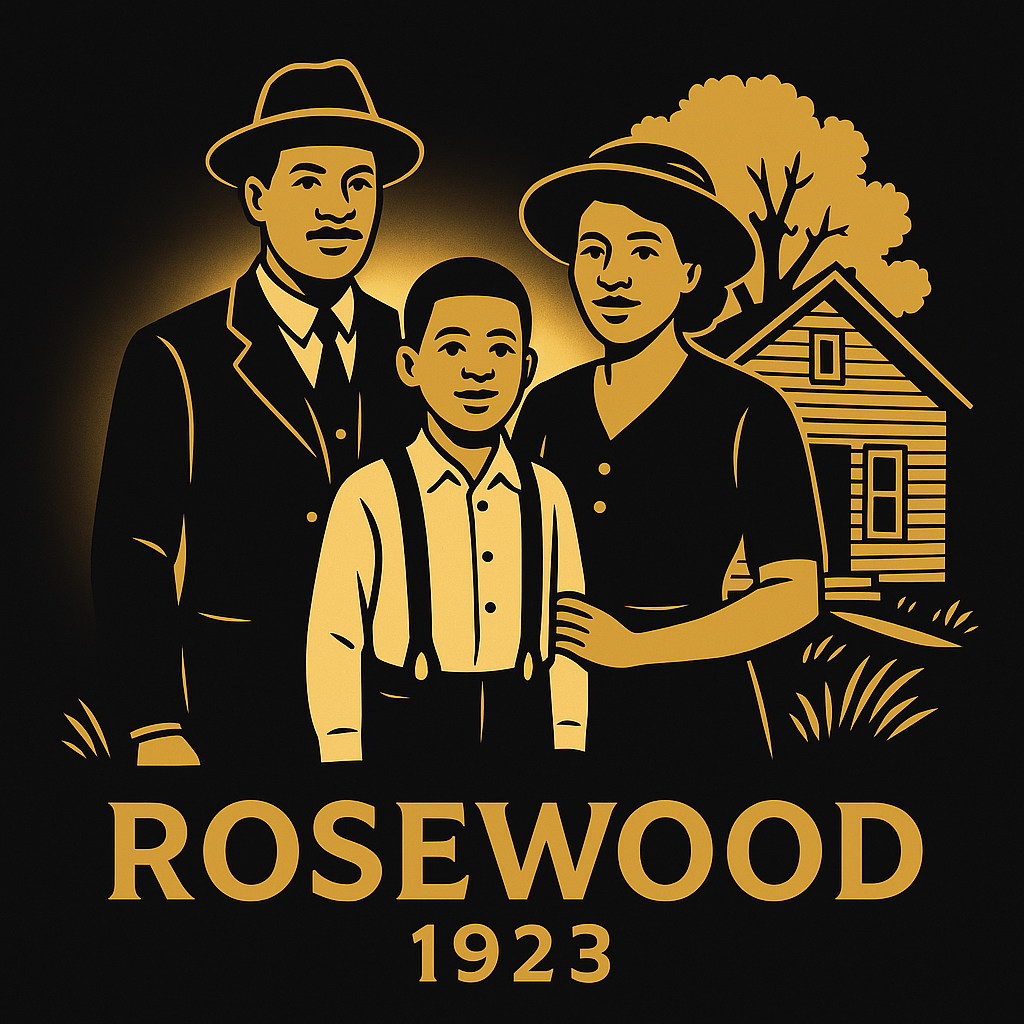
Before the flames and violence of 1923, Rosewood was a thriving, self-sustained Black community.
Families owned land, ran businesses, and built wealth in peace — until jealousy and racism destroyed it all.
But what they built — and what we can learn from it — still matters today.
Because Rosewood wasn’t just a town. It was a template.
1. Ownership Was Their Foundation
At the start of the 1900s, Rosewood was filled with Black-owned homes, farms, and businesses.
Families owned hundreds of acres of land.
They didn’t wait for handouts or equality — they bought freedom, acre by acre.
That’s the first lesson Rosewood teaches us:
You can’t build wealth on borrowed ground.
Ownership is security.
It’s the difference between surviving and establishing legacy.
They knew that whoever owns the land controls the narrative.
2. Real Estate Was Power, Not Just Property
In Rosewood, property wasn’t about status — it was about stability.
That land gave Black families independence.
They farmed it, built on it, and passed it down.
They didn’t need approval from the outside world because they had what most people still dream of today — self-sufficiency.
In today’s world of mortgages, Airbnbs, and high rent, the same rule applies:
Land is still the greatest equalizer.
3. They Built Generational Systems Before the Term Existed
The families of Rosewood weren’t just surviving — they were strategizing.
Land was passed through generations.
Businesses supported each other.
Money circulated locally, feeding an ecosystem of teachers, farmers, and tradesmen.
That’s the model we’ve drifted from — but can rebuild digitally and physically today.
Ownership wasn’t a flex. It was a plan.
4. The Tragedy That Tried to Erase Wealth
In January 1923, a lie — fueled by racism and hate — ignited violence that destroyed everything.
Homes were burned. Land was stolen. Lives were taken.
The wealth, the property, the inheritance — gone.
And to make it worse, no one was held accountable.
Rosewood’s families never received compensation until 1994, when Florida finally acknowledged the massacre.
The message is haunting but clear:
When we don’t protect what we own, history can repeat itself.
That’s why legal protection — through trusts, insurance, and documentation — isn’t optional. It’s survival.
5. Protecting the Legacy: Modern Lessons from Rosewood
Here’s what Rosewood teaches every Black family and entrepreneur in 2025:
- Document Everything. Ownership means nothing if you can’t prove it.
- Use Trusts and LLCs. Protect your land from lawsuits, taxes, or heirs who might sell it off.
- Educate the Family. Wealth dies when knowledge does.
- Invest Together. Don’t just buy; build cooperatives and community ownership.
- Insure and Archive. If tragedy strikes, the paper trail must speak louder than the lies.
Rosewood’s story reminds us that wealth isn’t just built — it must be protected.
6. Rebuilding Rosewood Through Modern Real Estate
The new “Rosewood” doesn’t have to be a small Florida town — it can be every community we rebuild.
Today, real estate ownership looks different. It’s:
- Families pooling funds for land investments.
- Developers turning abandoned blocks into cultural centers.
- Entrepreneurs creating digital property — eBooks, courses, and brands — that generate ownership in new ways.
Every plot of land, every business, every digital asset can be a piece of a modern Rosewood.
The goal isn’t to rebuild what was lost — it’s to build something that can’t be burned again.
7. The Power of Remembering
Rosewood’s pain is part of our collective memory — but so is its power.
Every home we buy, every property we invest in, every legacy we protect — that’s justice.
That’s how we turn tragedy into triumph.
Because even when they tried to destroy Rosewood’s land, they couldn’t destroy the lesson it left behind:
Land equals leverage. Ownership equals power. Legacy equals protection.
Final Word: We Are the New Rosewood
We don’t honor Rosewood by just remembering it.
We honor it by rebuilding what it stood for.
In every city, there’s a block waiting to be bought.
A neighborhood waiting to be revived.
A generation waiting to inherit structure, not struggle.
Rosewood showed us what happens when we build — and what happens when we stop protecting what we’ve built.
So let’s make sure our legacy doesn’t need rescuing — it just needs recording.
Because the next Rosewood won’t be erased.
It’ll be documented, digitized, and defended — forever.