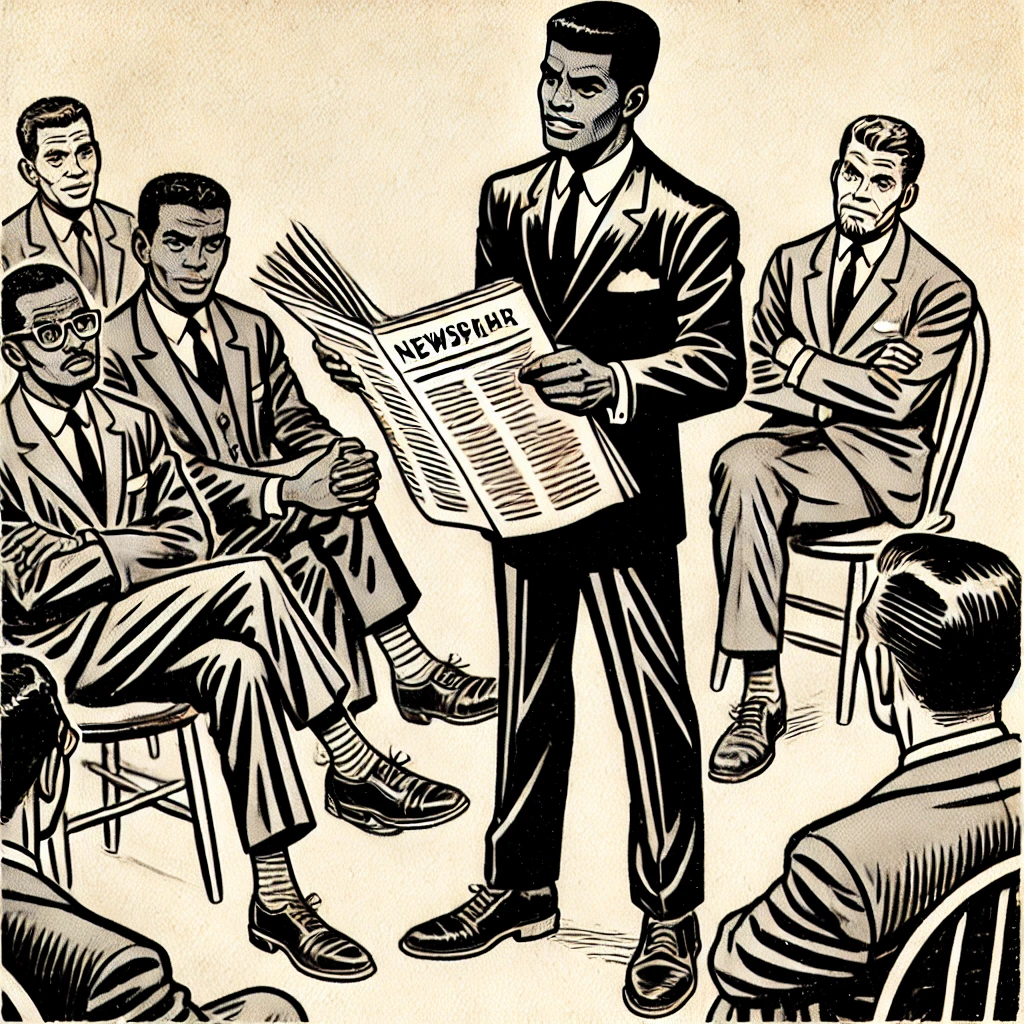
The 13 Buffalo Soldiers of the Houston Riot- A Dark Chapter in Black U.S. Military History
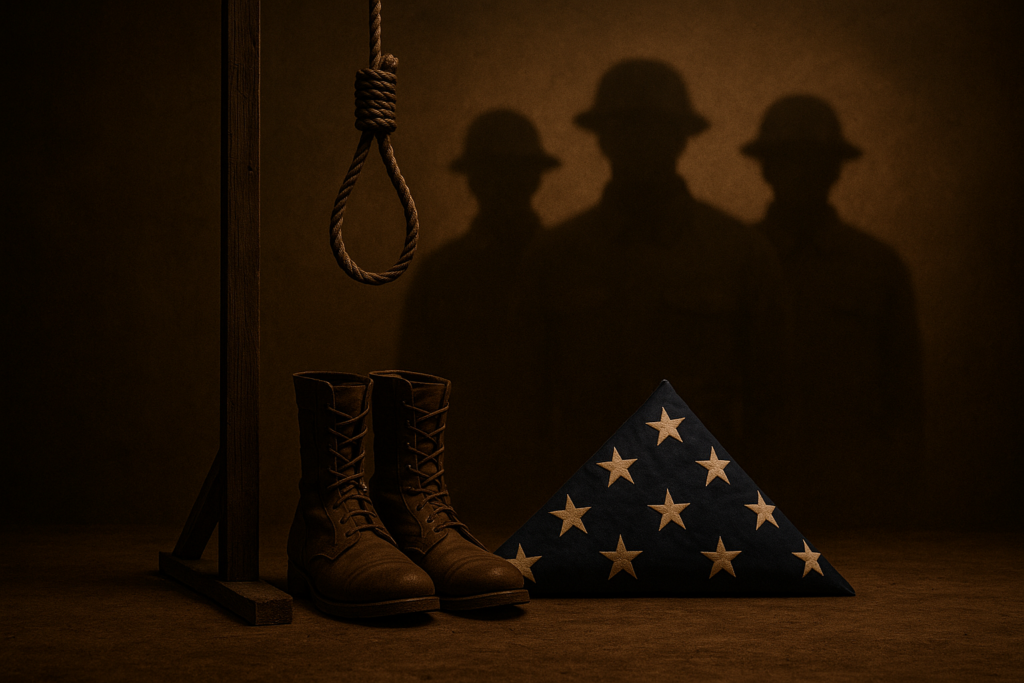
When the sun rose over Houston, Texas, on August 23, 1917, the Black soldiers of the 24th Infantry Regiment—men known with pride as Buffalo Soldiers—had already endured weeks of verbal abuse, beatings, threats, and relentless harassment by the city’s police force. These men were veterans, disciplined and decorated, trained to protect the nation overseas, yet they found themselves unprotected on American soil. Stationed in a Jim Crow city that treated Black people with open hostility, they faced a constant barrage of violence from officers who saw their uniforms not as symbols of honor, but as targets. On this day in Black History—December 11—we revisit the darkest moment that followed: the mass execution of thirteen of these soldiers after the Houston Riot of 1917, the largest mass execution of American troops in U.S. history and a chilling example of justice denied. The tension started long before the riot. Houston police would beat Black soldiers for walking on the wrong sidewalk, arrest them without cause, and assault Black women in front of them. One afternoon, police violently attacked a Black woman in the neighborhood. When a soldier stepped in to defend her, he was beaten and arrested. Later that same day, a Black military policeman was assaulted, shot at, and jailed when he tried to investigate the incident. Rumors spread through the camp that he had been killed. Fear mixed with anger, creating a storm no one could stop. Chaos erupted when soldiers, believing their comrade dead and fearing an imminent white mob attack, armed themselves to protect one another. Shots were fired in the dark. Panic ruled the city. When the smoke cleared, the Army responded not with investigation or fairness, but with swift punishment meant to appease Houston’s white leadership. Nearly 150 Black soldiers were rounded up and put on trial. They faced an all-white panel of officers, no legal representation, and no true chance to defend themselves. Witnesses contradicted one another, evidence was missing, and many of the accused had never even fired a weapon. Yet the verdict came with chilling speed: death. On December 11, 1917, before sunrise, thirteen Black soldiers were marched to a gallows built overnight. They sang hymns as they walked. Some prayed. Others looked to the sky. All maintained their innocence. Hooded and bound, they died as martyrs of a nation that demanded their loyalty but denied them dignity. For decades, this story was buried—quieted in textbooks, ignored by military historians, and dismissed as a “riot” rather than the desperate reaction of men cornered by racial terror. But as scholars revisited the case, the truth resurfaced: the trials were fundamentally unfair, the soldiers denied constitutional rights, and the rush to execution was driven by racism, pressure, and fear. The Army kept their graves unmarked for 70 years. It wasn’t until recent decades that their names were restored and their innocence acknowledged, marking a slow but powerful correction in history. These men were not criminals—they were victims of a system designed to break them. Yet this moment also revealed something deeper about Black resilience in America. Even after witnessing blatant injustice, Black troops continued to serve in World War I, World War II, Korea, Vietnam, and beyond. They fought for a country that didn’t fight for them because they believed in a future where freedom would eventually match the ideals written on paper. The story of the 13 Buffalo Soldiers forces us to face an uncomfortable truth: America has often punished its most loyal defenders when those defenders were Black. But remembering their names, their courage, and their sacrifice becomes an act of reclamation. It is a reminder that our history is not defined by oppression alone, but by the unstoppable determination of a people who refused to disappear. Today, we honor the thirteen men who walked to the gallows with dignity and faith, believing that someday the truth would set them free. Today, that truth is spoken aloud. ❤️ Support Independent Black MediaBlack Dollar & Culture is 100% reader-powered — no corporate sponsors, just truth, history, and the pursuit of generational wealth.Every article you read helps keep these stories alive — stories they tried to erase and lessons they never wanted us to learn. #BlackHistory #TodayInBlackHistory #BuffaloSoldiers #HoustonRiot1917 #24thInfantry #MilitaryInjustice #BlackHeroes #AmericanHistory #HiddenHistory #BlackDollarAndCulture #BDCHistory Keyphrase: Buffalo Soldiers Houston RiotSlug: buffalo-soldiers-houston-riot-december-11Meta Description: On December 11, 1917, thirteen Black Buffalo Soldiers were executed after an unjust trial following the Houston Riot. This long-form BD&C narrative reveals their true story, their courage, and America’s harshest military injustice. Most Americans never learned this story—but on December 11, thirteen Black soldiers were executed in silence after one of the most unjust trials in U.S. history. Click to uncover the truth.