
Trump Tariffs: The Chaos in Markets and What It Means for You
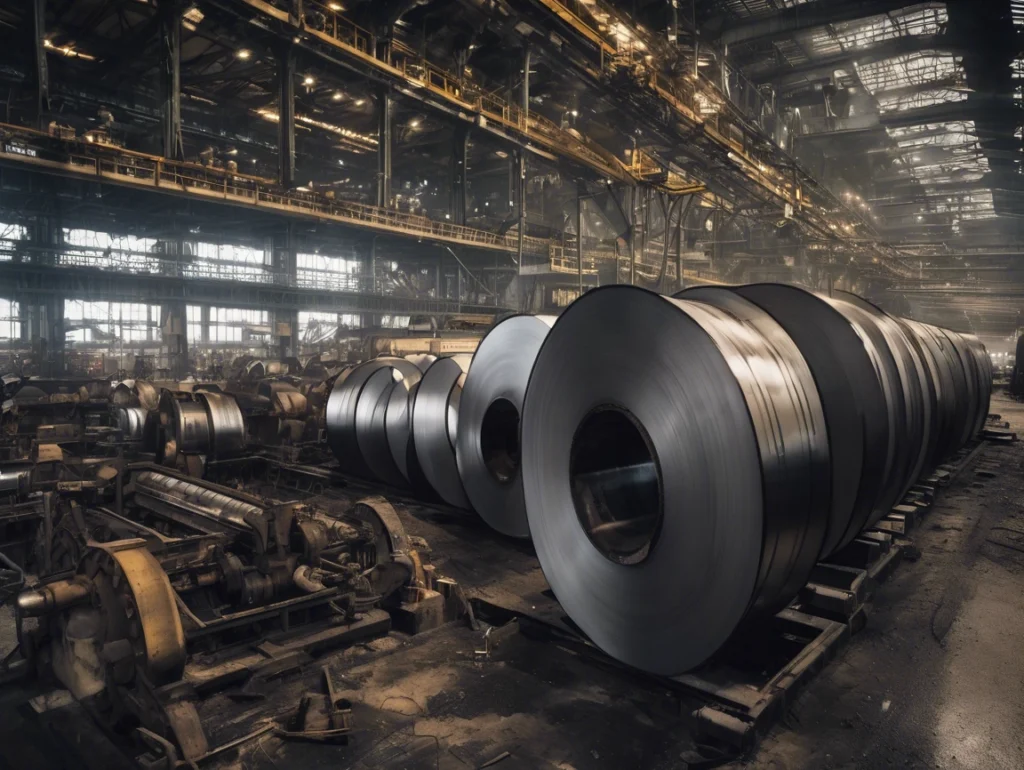
Understanding Trump Tariffs: Origins and Impact The origins of Trump’s tariff policies can be traced back to his 2016 presidential campaign, where he prominently advocated for a more protectionist trade stance. His administration aimed to reshape trade relations to favor American workers, industries, and the overall economy. By implementing tariffs on a range of imported goods, he sought to deter foreign competition and incentivize domestic production. These tariffs were envisioned as a strategy to protect American jobs and address trade imbalances, particularly with key trading partners such as China, Canada, and the European Union. One of the primary motivations behind the tariffs was to address what Trump characterized as unfair trade practices that disadvantaged American manufacturers. For example, the tariffs imposed on steel and aluminum in 2018 were justified by the administration as essential measures to safeguard national security and bolster domestic industries. The intent was to revitalize sectors that had struggled under the pressure of cheaper foreign imports, thus supporting millions of jobs across the country. The impact of these tariffs has been multifaceted, affecting various sectors of the economy in different ways. For instance, the agricultural sector faced significant repercussions, with retaliatory tariffs from other nations leading to a decline in export markets for American farmers. In contrast, industries reliant on steel and aluminum experienced increased costs, which in turn influenced consumer prices for goods ranging from household appliances to automobiles. Statistical analysis reveals that the tariffs had a mixed effect on the economy. While certain domestic industries showed signs of growth, overall economic performance was also impacted, leading to heightened market volatility. The uncertainty surrounding trade policies left investors in a state of apprehension, resulting in fluctuations in stock markets and ultimately affecting everyday consumers. Market Volatility: How Tariffs Trigger Financial Turbulence The imposition of tariffs can dramatically alter the dynamics of global markets, creating significant volatility that investors must navigate. When former President Trump’s administration announced tariffs on various imports, the immediate reaction from financial markets was often swift and dramatic. For instance, in March 2018, the announcement of steel and aluminum tariffs sparked a rapid decline in stock prices, as companies reliant on these materials braced for increased costs. This reaction exemplifies how tariffs can lead to heightened uncertainty, ultimately causing investors to reconsider their positions. Market volatility, triggered by tariff announcements, often manifests in sharp fluctuations in stock prices and surges in trading volumes. Research indicates that markets react not only to the specifics of the tariff but also to the perceived future implications for economic growth. Investor sentiment plays a crucial role in this phenomenon; emotions such as fear and uncertainty can lead to panic selling or buying frenzies. For instance, following tariffs on Chinese goods, there were substantial shifts in trading activity as traders sought to mitigate risk amid the unpredictable economic landscape. Moreover, sectors directly affected by tariffs—such as manufacturing, agriculture, and technology—often experience pronounced market reactions. This is evident from case studies where agricultural stocks faced downward pressure after the announcement of Chinese tariffs, reflecting concerns over diminished export markets. The interconnected nature of global supply chains means that tariffs can reverberate through various sectors, amplifying market chaos. In conclusion, the relationship between tariffs and market volatility is complex and multifaceted. Investor behaviors driven by uncertainty can lead to tangible financial turbulence, highlighting the importance of staying informed about such policy changes for effective risk management in the investments portfolio. Sector-Specific Effects: Winners and Losers The implementation of Trump’s tariffs has created a pronounced divide across various sectors of the economy, categorizing them into winners and losers. Understanding these dynamics is critical for businesses and consumers alike as they navigate the complexities of the tariff landscape. One of the sectors that emerged as a clear beneficiary of the tariffs is the steel and aluminum industry. Increased costs of imported metals led to a rise in domestic prices, which provided a much-needed boost for local manufacturers. This increase has revitalized some struggling steel mills, resulting in job creation and increased production capacity. The protectionist measures, while controversial, have offered these sectors a competitive edge against foreign imports, catering to a short-term recovery in domestic operations. On the other end of the spectrum, industries such as agriculture have faced significant challenges due to retaliatory tariffs imposed by other countries. U.S. farmers, particularly those in the soybean and pork markets, have experienced reduced access to international markets, leading to plummeting prices and diminished revenue streams. Many agriculture businesses have had to adapt by shifting focus or seeking new markets, highlighting the long-term implications of such protective measures. Moreover, the consumer goods sector has seen a mixed impact due to higher costs associated with imported products, particularly electronics and clothing, which rely heavily on overseas manufacturing. As companies absorb or pass on these costs to consumers, the potential for inflation increases, affecting consumer purchasing power. Businesses in this sector are exploring methods to mitigate costs, such as focusing on domestic sourcing or enhancing operational efficiencies to remain competitive. The intricate balance of winners and losers in the tariffs scenario reveals the need for strategic adaptation among businesses. Each sector must navigate heightened costs and shifting market dynamics while considering long-term sustainability in an evolving economic landscape influenced by tariffs. Navigating Financial Chaos: Strategies for Investors The current market environment has been significantly impacted by the implementation of tariffs, creating uncertainty and volatility. For investors seeking to navigate this chaos, a proactive and informed approach is essential. One effective strategy is portfolio diversification. By spreading investments across various asset classes, sectors, and geographical regions, investors can mitigate risk and reduce the impact of adverse market movements. In times of heightened uncertainty, such as during tariff disputes, a diversified portfolio can serve as a buffer against potential losses. Understanding geopolitical influences is also crucial. Investors should stay informed about global events and how they may affect market dynamics. Tariffs can create ripple effects, influencing currency values, supply chains, and consumer behavior. By keeping abreast of