How to Invest in Gold (Beginner-Friendly Guide)

Gold has survived recessions, wars, crashes, and every economic disaster in world history — and it’s still one of the easiest investments to start with just a little money. ❤️ Support Independent Black MediaBlack Dollar & Culture is 100% reader-powered — no corporate sponsors, just truth, history, and the pursuit of generational wealth.Every article you read helps keep these stories alive — stories they tried to erase and lessons they never wanted us to learn. 1. Why Gold Is Still One of the Smartest Investments Gold is older than every currency on earth — and it has never gone to zero.That alone makes it one of the safest assets you can own. Here’s why people invest in gold: Gold = stability.Gold = security.Gold = long-term wealth protection. 2. The 3 Main Ways to Invest in Gold 1. Physical Gold (Coins, Bars, Rounds) This is the classic way to invest. You can buy: Pros: Cons: Best for:People who want real, tangible wealth they can hold. 2. Gold ETFs (Paper gold on the stock market) These track the price of gold and can be bought in any brokerage app. Examples: Pros: Cons: Best for:People who want simplicity and liquidity. 3. Gold Mining Stocks These are companies that mine gold. Examples: Pros: Cons: Best for:People comfortable with market swings. 3. How Much Gold Should You Buy? Financial experts recommend putting 5%–10% of your portfolio into gold. If you’re starting small: Gold stacking is a slow, steady play — not a get-rich-quick thing. 4. Where to Buy Gold Safely Never buy gold from strangers online or random marketplaces. Use trusted dealers like: For ETFs or mining stocks: 5. How to Store Physical Gold Without Stress Your options: Home safe Fireproof + waterproof + hidden.(Do NOT tell people you have gold at home.) Bank safe deposit box Secure but not accessible 24/7. Private vaulting service Highly secure but has annual fees. Choose based on your needs, budget, and trust level. 📌 Final Word Gold is one of the easiest and safest ways to start building real wealth — even if you don’t have a lot of money. It protects your savings.It grows when the economy falls.It’s valuable everywhere you go. Start small.Stay consistent.And watch your gold stack become one of the strongest parts of your generational wealth game. #InvestInGold #FinancialLiteracy #BlackWealth #BlackDollarAndCulture #GenerationalWealth
The Hidden Black History of Blue Jeans
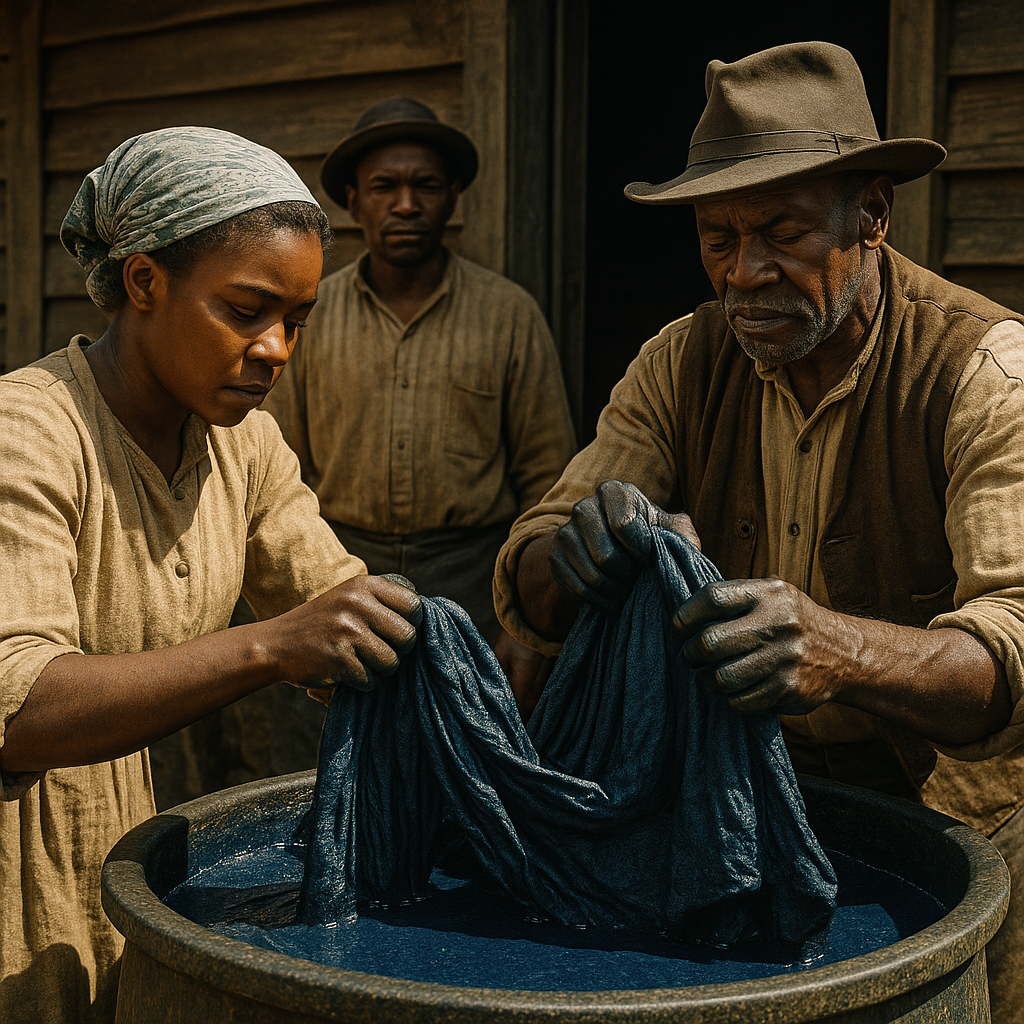
Everybody credits Levi Strauss with inventing blue jeans — but the truth is the foundation of denim was built by Black hands, Black science, and Black craftsmanship long before Levi ever filed a patent. ❤️ Support Independent Black MediaBlack Dollar & Culture is 100% reader-powered — no corporate sponsors, just truth, history, and the pursuit of generational wealth.Every article you read helps keep these stories alive — stories they tried to erase and lessons they never wanted us to learn. 1. The Myth We Were Taught: “Levi Strauss Invented Blue Jeans” That’s the version found in textbooks and brand marketing.But inventions don’t happen in a vacuum — they have a foundation. And the foundation of blue jeans wasn’t stitched in San Francisco.It was stitched on plantations. Before Levi ever touched denim, Black people had already created every major element that makes jeans what they are today. 2. Indigo Dye — A Science Mastered by Africans, Not America The famous “blue” in blue jeans came from indigo, a dye science Africans perfected centuries before the U.S. existed. People from: were known globally for their mastery of indigo cultivation and dyeing techniques. When enslaved Africans were brought to the Carolinas and the Deep South, plantation owners relied heavily on their expertise to build America’s early indigo industry — one of the country’s first major cash crops. This dye, this color, this chemistry — it was Black genius. 3. The First Workwear Pants Were Crafted by Enslaved Africans Long before factories and sewing machines: These garments were the ancestors of modern denim jeans — rugged, durable, built to withstand the worst conditions imaginable. Jeans were born out of Black labor, not Levi’s imagination. 4. So What Did Levi Strauss Actually Do? Levi Strauss didn’t invent: ❌ the pants❌ the dye❌ the style❌ the craftsmanship❌ the tradition of workwear His key contribution was one patent: 👉 metal rivets to reinforce pockets and seams. That patent helped him mass-produce a garment Black people had been creating for years — and it launched a billion-dollar industry. But the blueprint wasn’t his. 5. A Billion-Dollar Global Industry Built on Erased Black Foundations Today, denim is a $90+ billion global industry. Yet the people who: were never given recognition, credit, or generational wealth from it. This isn’t just fashion history.It’s economic history.It’s Black history.And it deserves to be restored to the center of the narrative. 📌 Final Word Blue jeans are as American as apple pie — but their origin is African. Before Levi Strauss became a household name, Black hands had already: This is yet another example of how Black brilliance built industries that the world profits from today. Black history is world history — and it deserves to be told truthfully. #BlueJeansHistory #BlackHistory #IndigoDye #UntoldStories #BlackExcellence #BlackDollarAndCulture
How to Turn Pain Into Profit

Some of the most successful businesses didn’t begin with inspiration — they began with pain. The question is not whether you’ve been hurt, but whether you will turn that hurt into a paycheck, a platform, or a legacy. 1. Pain Is Not the Opposite of Purpose — It’s the Path to It We were raised to hide our pain.Work through it. Pray over it. Push past it. But what if pain isn’t just something to survive? What if your pain is the blueprint for the business you were meant to build? History proves it: Your pain is not the enemy.Your pain is data. 2. Pain Creates Three Things You Can Sell When you survive something, you gain three valuable assets: ✔ A story to tell People pay attention to transparency, not perfection. ✔ A solution to sell If you solved a problem for yourself, thousands need that same solution. ✔ A community to serve Pain makes you relatable — your audience finds you faster. That’s how pain becomes profit. 3. Examples of People Who Turned Pain into Profit You don’t need fame to do this — just the courage to share and build. Pain Profit A single mother overwhelmed by bills Built a budgeting workbook + course Man who lost job during COVID Started a recession-proof cleaning business Woman recovering from heartbreak Created a healing podcast + coaching offer Teen bullied for hair Built a natural hair product line Your story may be different.But your opportunity is the same. 4. Ways You Can Turn Pain Into a Business 1. Write an eBook or guide Teach people what you wish you knew sooner. 2. Launch a YouTube/TikTok channel Your survival story could free someone else. 3. Offer coaching or consulting Turn your lessons into transformation for others. 4. Create a product that solves what hurt you Supplements, apps, journals, courses, apparel, memberships. 5. Build a support community or membership People are paying for belonging, not just information. 5. The Mindset Shift: You Are Not What Happened to You To turn pain into profit, you have to release one lie: “What I went through disqualifies me.” No.What you went through prepared you. You’re not monetizing trauma —you’re monetizing the solutions that came from it. 6. The Business Formula for Turning Pain Into Profit Here is your 4-step transformation model: 1️⃣ Identify the painWhat problem did you overcome? 2️⃣ Document the processWhat steps did you take? 3️⃣ Package the solutionDigital product, course, coaching, community, etc. 4️⃣ Share the storyYour vulnerability is a marketing advantage. People don’t buy products.They buy who they become after using them. 📌 Final Word You are not defined by pain.You are refined by it. Some people suffer and stay silent.Others survive and become symbols. But the builders?The builders turn lessons into legacy…and pain into profit. The world is waiting on what you healed from.Don’t just recover — monetize the recovery. #HowToTurnPainIntoProfit #BlackWealth #EntrepreneurMindset #PurposeToProfit #BlackDollarAndCulture
Provident Hospital: The Legacy Dr. Daniel Hale Williams Built Still Lives On
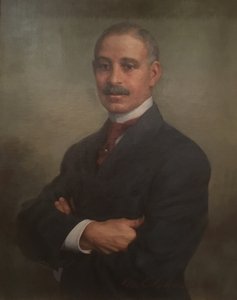
Word Count: ~1,250 In 1891, at a time when segregation ruled medicine and opportunity was locked behind color lines, Dr. Daniel Hale Williams didn’t wait for a seat at the table.He built his own table — and a hospital to go with it. That hospital was Provident Hospital in Chicago.And it didn’t just save lives — it changed history. Today, over a century later, its legacy still pulses through every Black doctor, nurse, and healthcare entrepreneur carrying forward Dr. Williams’ vision:Black excellence through ownership, education, and care. 1. A Hospital Born from Necessity — and Vision At the turn of the 19th century, Black patients were denied care in most hospitals.Black doctors couldn’t work, train, or even study in white institutions. Dr. Daniel Hale Williams — a man who refused to accept that barrier — saw only one option:“If they won’t let us in, we’ll build our own.” And so, in 1891, he opened Provident Hospital, the first Black-owned and operated hospital in the United States. It wasn’t just a hospital.It was a declaration: we will heal ourselves, educate ourselves, and build our own systems of excellence. 2. The Heartbeat of a Movement Provident wasn’t about exclusion — it was about inclusion.Dr. Williams opened the doors to all patients, regardless of race. That decision made Provident more than a medical institution — it became a model for equality and dignity in care. For decades, it served as the lifeline for communities that America’s healthcare system ignored.And it became the training ground for hundreds of Black doctors and nurses who would go on to break barriers worldwide. 3. The Surgery That Shocked the World Two years after founding Provident, Dr. Williams made medical history. In 1893, without modern anesthesia, x-rays, or advanced tools, he performed the first successful open-heart surgery in American history. His patient — a man named James Cornish — survived. That operation placed Dr. Williams among the great pioneers of modern medicine.And he did it all from inside a hospital built for people the world refused to acknowledge. Provident became proof that Black brilliance isn’t just talent — it’s innovation under pressure. 4. Training the Next Generation of Healers Provident wasn’t just a hospital — it was a school of excellence. Dr. Williams established a nursing program, one of the first in the nation to admit Black women.That program trained some of the most skilled nurses in America, including pioneers who went on to lead medical programs of their own. He understood something powerful: Healing the body means nothing if you don’t empower the hands that hold the instruments. His vision created not just health professionals, but leaders. 5. A Blueprint for Building Our Own Institutions Provident’s story holds a lesson every generation needs:When the system says “no,” build your own “yes.” That’s how every movement starts — not with permission, but with purpose. In the business world, in education, in tech — the same principle applies:Ownership is the only way to guarantee access. Dr. Williams’ vision was bigger than medicine — it was about self-determination.He showed that we don’t have to fight to be included; we can create systems that include us by design. 6. The Legacy Still Lives On Though Provident Hospital faced financial challenges over the years, its spirit never died.It’s still open today in Chicago’s South Side — a living monument to Black innovation and endurance. Its alumni and legacy continue through generations of Black healthcare professionals, many of whom trace their inspiration back to Dr. Williams. Every clinic built in our neighborhoods, every Black medical school graduate, every nurse breaking barriers — they’re all part of that ripple effect. Legacy doesn’t fade. It evolves. 7. Lessons for Today’s Builders and Dreamers Here’s what Provident’s story teaches every modern entrepreneur and dreamer: Dr. Williams didn’t just build a hospital.He built a model for every Black innovator: start with vision, lead with excellence, and never wait for validation. Final Word: The Legacy Beats On Provident Hospital was more than a building — it was a heartbeat. A heartbeat that said we belong in every room we build.A heartbeat that continues every time a Black doctor walks into an operating room, every time a young medical student raises their hand, every time we invest in our own. Dr. Daniel Hale Williams didn’t just heal hearts — he gave us one. And more than 130 years later, Provident’s heartbeat still echoes — reminding us that legacy never dies when it’s built on purpose. #ProvidentHospital #DanielHaleWilliams #BlackExcellence #BlackHistory #BlackDollarAndCulture