How to Invest in ETFs for Beginners (Step-by-Step)

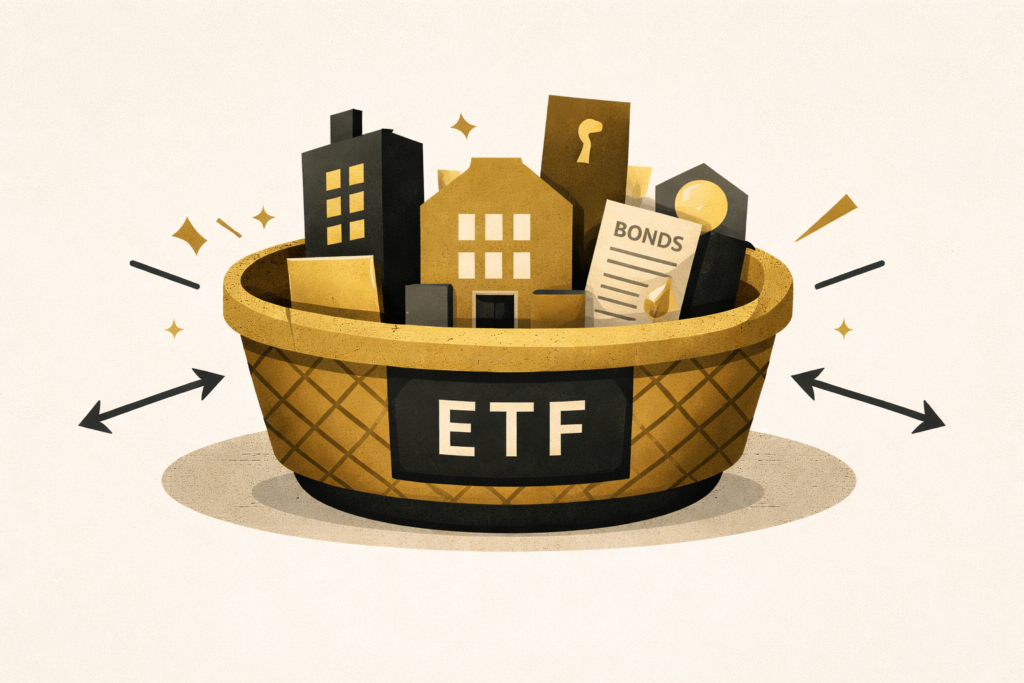
Most people don’t avoid investing because they’re lazy.They avoid it because Wall Street made it sound complicated on purpose. Charts, jargon, talking heads, and fear — all designed to make everyday people feel like investing is something other people do. People with suits, connections, or insider knowledge. The truth is much simpler. Exchange-traded funds — ETFs — were created so regular people could build wealth without needing to guess the next hot stock, time the market perfectly, or sit in front of screens all day. If you understand the basics and stay consistent, ETFs can quietly do the heavy lifting for you. This guide walks you through exactly how to invest in ETFs as a beginner, step by step. 1. What an ETF Actually Is (Plain English) An ETF (exchange-traded fund) is a collection of investments bundled together into one product that trades on the stock market. Instead of buying one company at a time, an ETF lets you buy small pieces of many companies at once. For example: When you buy an ETF, you’re not betting on one company — you’re betting on entire markets. That’s why ETFs are beginner-friendly: they reduce risk through diversification. 2. Why ETFs Are Ideal for Beginners ETFs solve many of the problems that stop people from investing in the first place. Low CostMost ETFs charge extremely low fees compared to traditional mutual funds. Over time, lower fees mean more money stays in your pocket. Instant DiversificationOne purchase can spread your money across dozens, hundreds, or even thousands of assets. Simple to UnderstandYou don’t need to analyze earnings reports or follow daily stock news. FlexibleETFs can be bought and sold just like stocks during market hours. For beginners, ETFs remove complexity without sacrificing growth. 3. Before You Invest: Set the Foundation Before buying any ETF, handle three basics first. Emergency CushionHave some cash set aside. Even $500–$1,000 helps prevent you from pulling investments out at the wrong time. High-Interest DebtCredit cards charging 20% interest will erase investment gains faster than the market can grow them. Clear GoalKnow why you’re investing. Retirement. Long-term wealth. Financial freedom. The goal determines how aggressive or conservative you should be. Investing works best when it supports your life — not when it creates stress. 4. Choose the Right Type of Account You don’t buy ETFs directly — you buy them through an account. The two main options: Taxable Brokerage AccountBest for flexibility. You can invest, withdraw, and add money anytime. You’ll pay taxes on gains. Retirement Accounts (IRA / Roth IRA / 401k)Designed for long-term wealth. Tax advantages make these powerful if you don’t need the money soon. If you’re unsure, many beginners start with a taxable brokerage and later add retirement accounts as income grows. 5. Understand Risk Without Fear Risk isn’t the enemy — misunderstanding it is. Stocks go up and down. That’s normal. ETFs smooth this volatility by spreading risk across many assets. As a beginner, your biggest risk is not investing at all. General rule: Time reduces risk. Panic increases it. 6. Beginner-Friendly ETF Categories You don’t need dozens of ETFs. Most beginners do well starting with just a few types. Total Market ETFsTrack the entire U.S. stock market. Broad, simple, effective. S&P 500 ETFsFocus on America’s largest companies. Historically strong long-term growth. International ETFsExpose you to markets outside the U.S. for global diversification. Bond ETFsProvide stability and income. Useful as your portfolio grows. Dividend ETFsFocus on companies that pay consistent dividends, offering income alongside growth. You don’t need everything — just balance. 7. How Much Money Do You Need to Start? There is no minimum “wealth level” to begin. Many ETFs allow: What matters is consistency, not size. A small amount invested regularly beats a large amount invested once and forgotten. 8. The Power of Dollar-Cost Averaging Dollar-cost averaging means investing the same amount on a schedule — regardless of market conditions. This approach: Markets reward patience, not prediction. 9. How to Place Your First ETF Trade The mechanics are simple. Once purchased, the real work is doing nothing. Overtrading hurts beginners more than market downturns. 10. How Often Should You Check Your Investments? Not often. Checking daily leads to emotional reactions. Long-term investing doesn’t require constant attention. A healthy rhythm: Wealth grows quietly — not through constant movement. 11. Common Beginner Mistakes to Avoid Chasing hypeIf everyone is talking about it, the opportunity is often already priced in. OvercomplicatingMore ETFs doesn’t mean better results. Selling during downturnsMarket drops are normal. Selling locks in losses. Ignoring feesSmall percentages compound over time — in either direction. Simplicity wins. 12. The Long View: Why ETFs Build Quiet Wealth ETFs don’t promise overnight riches. They promise something better: ownership, participation, and compounding over time. Many everyday investors built wealth not by brilliance, but by staying invested through recessions, booms, crashes, and recoveries. The market rewarded discipline, not drama. This is how wealth is built when no one is watching. Final Thought: Start Small, Stay Consistent You don’t need permission to invest.You don’t need perfect timing.You don’t need expert predictions. You need a plan, patience, and consistency. ETFs allow everyday people to participate in systems once reserved for institutions. Used correctly, they become quiet tools of freedom — growing in the background while you live your life. The best time to start was yesterday.The second best time is today. Focus Keyphrase how to invest in ETFs for beginners Slug how-to-invest-in-etfs-for-beginners Meta Description Learn how to invest in ETFs for beginners with this step-by-step guide from Black Dollar & Culture. Understand ETFs, reduce risk, and build long-term wealth with confidence.