Jean-Jacques Dessalines: The Warrior Who Broke the Chains of Haiti
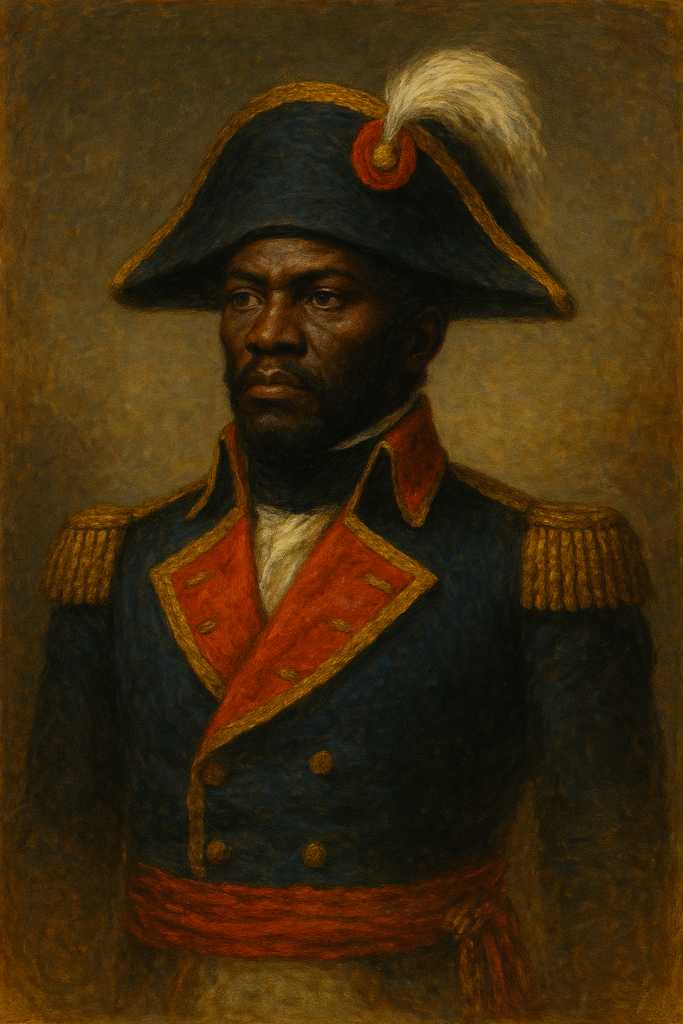
They tried to erase him. They tried to bury his name beneath the rubble of a revolution that terrified every white empire on Earth. But history has a way of remembering the men who refused to kneel—men who rose from unthinkable suffering and reshaped the world with their bare hands. Jean-Jacques Dessalines was one of them. Born enslaved in Saint-Domingue, beaten, branded, and treated as less than human, he would one day become the man who shattered the greatest military force of his era and built the first free Black republic in the Western Hemisphere. His story does not begin in triumph—it begins in chains. Yet every chain became a lesson, every scar a reminder, every act of cruelty a spark. By the time Dessalines grew into adulthood, he was carved into a weapon—unyielding, brilliant, and unwavering in his hatred of oppression. When the Haitian Revolution erupted, the world met a general unlike any other. Dessalines fought with a fury fueled by generations of suffering, but behind that fury was precision, strategy, and a deep understanding of battlegrounds where enslaved Africans had been forced to toil. He knew the terrain. He knew the people. And he knew the cost of failure. Under Toussaint Louverture, he became the sharpest blade of the revolution. But when Toussaint was kidnapped by the French—betrayed and shipped to die in a cold European prison—Dessalines stepped forward to confront the full weight of Napoleon’s army. France expected obedience. Dessalines gave them fire. With brilliant guerrilla tactics, scorched-earth strategies, and an unbreakable will, he broke the French military machine piece by piece. Soldiers trained under Europe’s finest generals fell at the hands of farmers, field workers, mothers, and sons led by a man who refused to let Haiti return to bondage. And when Napoleon’s forces were finally crushed, Dessalines did what no enslaved nation had ever done: he declared Haiti free—permanently, irrevocably, unapologetically. On January 1, 1804, he proclaimed the world’s first Black republic and renamed the land “Haiti” in honor of its Indigenous roots. But freedom was not symbolic to Dessalines. It was a blood oath. He wrote into law that no foreign power would ever again enslave the people of Haiti. He built a nation designed to protect Black sovereignty at all costs. Yet power paints targets, and Dessalines’ own people, influenced by internal tensions and foreign manipulation, turned against him. He was assassinated in 1806, his body mutilated by those who feared the force of his convictions. But empires trembled long after he was gone. Haiti’s victory inspired uprisings in Jamaica, rebellions in the American South, and fear across Europe’s slaveholding economies. The United States refused to recognize Haiti for 60 years—because Dessalines had proven that the enslaved could overthrow their masters. His name was whispered, distorted, and buried in history books written by the descendants of those he defeated. But today, his truth rises. Jean-Jacques Dessalines was not simply a revolutionary—he was the architect of Black liberation in the Americas, the warrior who shattered the myth of white invincibility, and the man who proved that the fight for freedom begins the moment someone decides they are no longer a slave in their spirit. Haiti stands today because of him. And every struggle for Black freedom echoes his name, whether the world admits it or not. #BlackHistory #Haiti #JeanJacquesDessalines #HaitianRevolution #BDandC #BlackLiberation #HiddenHistory #AfricanDiaspora #BlackExcellence #UntoldStories 🔑 Keyphrase Jean-Jacques Dessalines Haitian Revolution story 🔗 Slug jean-jacques-dessalines-warrior-who-broke-the-chains-of-haiti 📝 Meta Description Discover the powerful story of Jean-Jacques Dessalines, the revolutionary general who defeated Napoleon’s army and built the first free Black republic in the Western Hemisphere.
The Vision of Fred Hampton — December 4 Reflection
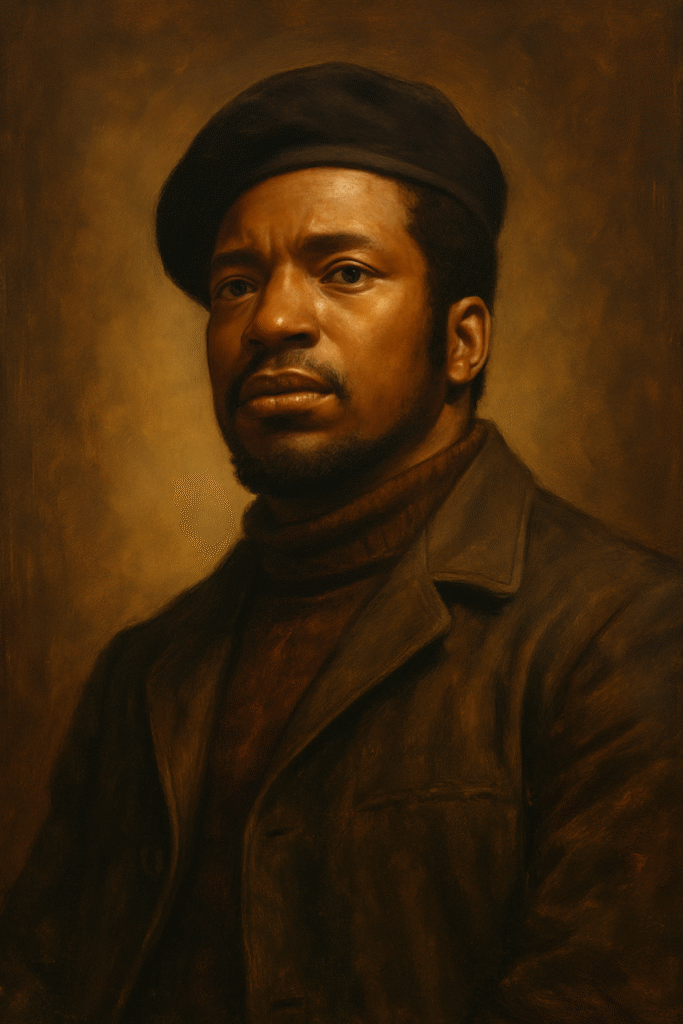
On December 4th, we pause to honor a man whose clarity, conviction, and courage made him one of the most important voices of the 20th century. Fred Hampton did not lead with fear; he led with vision — a vision so bold and so rooted in community power that even at twenty-one, he was shaping movements far bigger than himself. When Fred Hampton spoke, he didn’t just speak to Black people — he spoke to the poor, the working class, the overlooked, and the underserved. He had the unique ability to cut through race and status and remind everyone that they shared a common struggle: the fight for dignity. Hampton believed in unity at a level America was not ready to accept. He formed the Rainbow Coalition, bringing together Black, Latino, and poor white organizations under one mission: economic justice and political empowerment. He understood that racism and poverty were tools — tools used to divide people who, if united, could shift the balance of power forever. His message was dangerous only to those who depended on division to maintain control. But Fred Hampton’s brilliance wasn’t limited to speeches or ideology. He turned vision into action. Under his leadership, the Chicago Black Panther Party fed thousands of children through free breakfast programs, offered free healthcare, created community education centers, and built systems of support the city itself failed to provide. These weren’t charity efforts — they were acts of empowerment. They taught people that they deserved better, and that they had the power to build it themselves. And maybe that was the most radical thing about Fred Hampton: he made people believe again. Believe in themselves, believe in each other, believe in their communities, and believe that a new world was not just possible, but necessary. Hampton’s ability to inspire wasn’t built on fear, hate, or anger. It was built on love — revolutionary love. A love that demanded dignity. A love that expected accountability. A love that told Black people, “You are worth more than the world has ever allowed you to believe.” December 4th is not only a reminder of the day he was taken from us — it is a reminder of the vision he left behind. A vision that stretched beyond politics and protests into the everyday lives of ordinary people. A vision that continues to ripple through modern movements, community programs, and grassroots organizing. A vision built on unity, compassion, and collective strength. Fred Hampton’s life teaches us that real leadership doesn’t wait for permission. It rises when the people need it. It sacrifices when the community calls. And though his time was short, his impact is eternal. His voice still echoes in our conversations about justice. His ideas still guide our understanding of community power. His legacy still challenges us to imagine more, build more, and unify more. On this December 4th, as we reflect on Fred Hampton’s life, we honor not just the tragedy of his passing but the brilliance of his vision — a vision still alive, still urgent, and still calling us higher. #BlackHistory #FredHampton #PantherLegacy #RevolutionaryLove #BlackDollarAndCulture Fred Hampton wasn’t just a leader — he was a vision in motion. And on December 4, we honor the ideas that shook America and continue to inspire generations.
Lewis Latimer: The Black Inventor Who Actually Made the Lightbulb Work
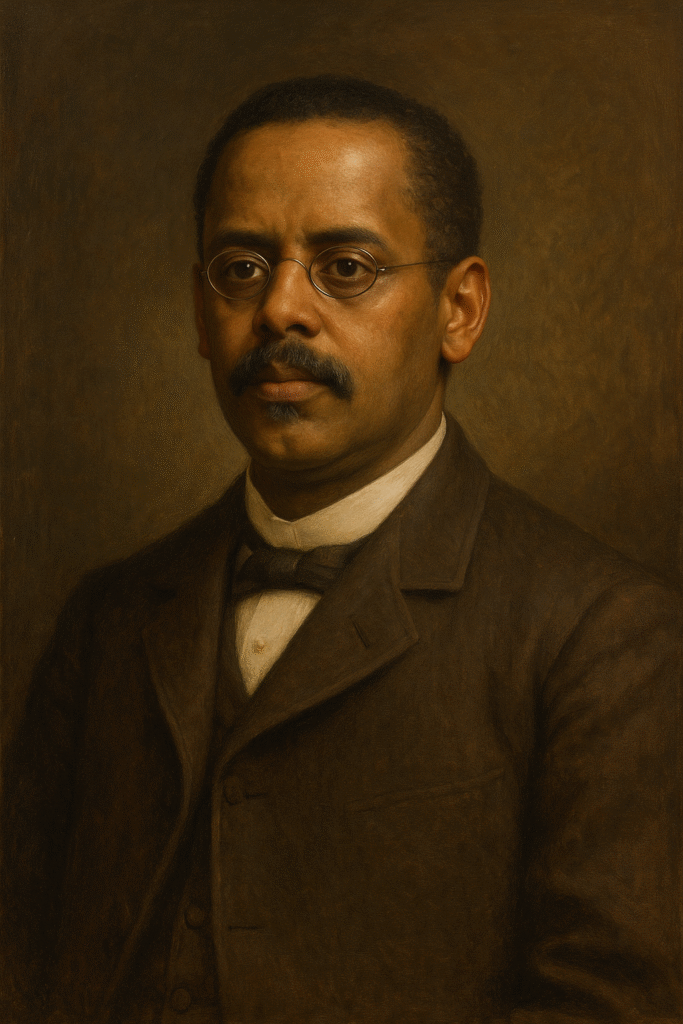
Before America ever glowed with electric light, before cities pulsed with brightness after sunset, and long before Thomas Edison became a household name, a quiet Black genius was doing the work that made it all possible. His name was Lewis Howard Latimer, and the light that fills our world today carries his fingerprints even if most history books pretend otherwise. Picture America in the late 1800s — a country reborn from the Civil War, racing into an industrial future, but still deeply infected with racism, segregation, and a belief that Black minds were not meant to innovate. Into this world was born a man whose brilliance could not be dimmed. Latimer was the son of formerly enslaved parents who escaped bondage and fought for freedom in a world determined to silence them. They raised a boy who would one day illuminate the world — literally. As a teenager, Lewis Latimer had no pathway to success laid out for him. No scholarships. No apprenticeships. No elite schools waiting to welcome him. Instead, he lied about his age just to get a job as an office boy at a patent law firm. Most would have stayed in that position forever. But Latimer watched. He studied. He learned the language of invention in silence, absorbing everything from gears to wiring to mechanical diagrams. And then, with nothing but determination and a sharpened pencil, he taught himself the most advanced skill of the era: mechanical drafting. Within months, he was crafting diagrams so precise, so clean, so ahead of his time that the attorneys promoted him from an office boy to the firm’s top draftsman. Not because they wanted to — but because his talent was undeniable. And that talent put him in the room with giants. When Alexander Graham Bell rushed to file his patent for the telephone before a competitor beat him to it, it was Lewis Latimer — not Bell — who created the official drawings that secured the patent and changed telecommunications forever. When companies were scrambling to harness the power of electricity, it was Latimer who understood how to make light not just flicker… but last. This is where the truth takes a turn. Edison gets the credit for inventing the lightbulb because history is often written for convenience — and comfort. But Edison’s early bulbs burned out in minutes. They were too fragile, too expensive, too unstable to be used by everyday people. The “lightbulb” that Edison showcased was closer to a prototype than a practical invention. And every inventor knew the same truth: unless someone figured out a way to make carbon filaments stronger, longer-lasting, and cheaper to produce, the electric light would never leave the laboratory. That “someone” was Lewis Latimer. He developed a new, revolutionary process for creating carbon filaments — the tiny internal threads that determine whether a bulb glows for a moment or glows for hours. Latimer’s method made bulbs durable, affordable, and commercially viable. With his innovation, electricity spread into homes, factories, and entire cities. Without Lewis Latimer, the modern lightbulb as we know it would not exist. Edison’s fame, Edison’s empire, Edison’s legacy — all of it sat on top of Latimer’s work. Yet Latimer was not just an inventor of things; he was an architect of systems. He traveled the country installing electric lighting, training engineers, and designing cities for the electrical age. He wrote one of the earliest books on electric lighting, educating an entire generation of electricians. He worked for the Edison Electric Light Company as one of the only Black engineers in a field that barely allowed Black people to enter the front door. Imagine the courage it took to walk into rooms filled with men who doubted your intelligence before you even spoke. Imagine the pressure of carrying a nation’s future in your inventions while knowing that credit might never come your way. Imagine being the reason the world lights up every night — and still being omitted from the chapter. But Latimer never chased fame. He chased excellence. He chased solutions. He chased a vision of a world powered by innovation — innovation he helped create. And that is the story they tried to bury. Because acknowledging Latimer means confronting a truth America has avoided for generations:Black brilliance built this country — not just with labor, but with ideas, with genius, with innovation that shaped the modern world. In the shadows of history where textbooks refused to shine a light, Lewis Latimer held the match. His life is proof that Black excellence didn’t begin with the Civil Rights Movement and it didn’t begin with integration. It has always existed — in spite of chains, in spite of laws, in spite of systems designed to keep it hidden. Latimer’s legacy is not just about invention; it’s about recognition. It’s a reminder that erasing a name does not erase its impact. Every time a streetlamp flickers on…Every time a building glows at night…Every time a child asks how a lightbulb works… Lewis Latimer stands there, quietly illuminating the world he helped brighten. His fingerprint is in the glow. His contribution is in the current. His genius is in the light. And today, we bring his name out of the shadows and into the spotlight — where it always deserved to be.
Today in History: Marcus Garvey’s “Redemption Day”
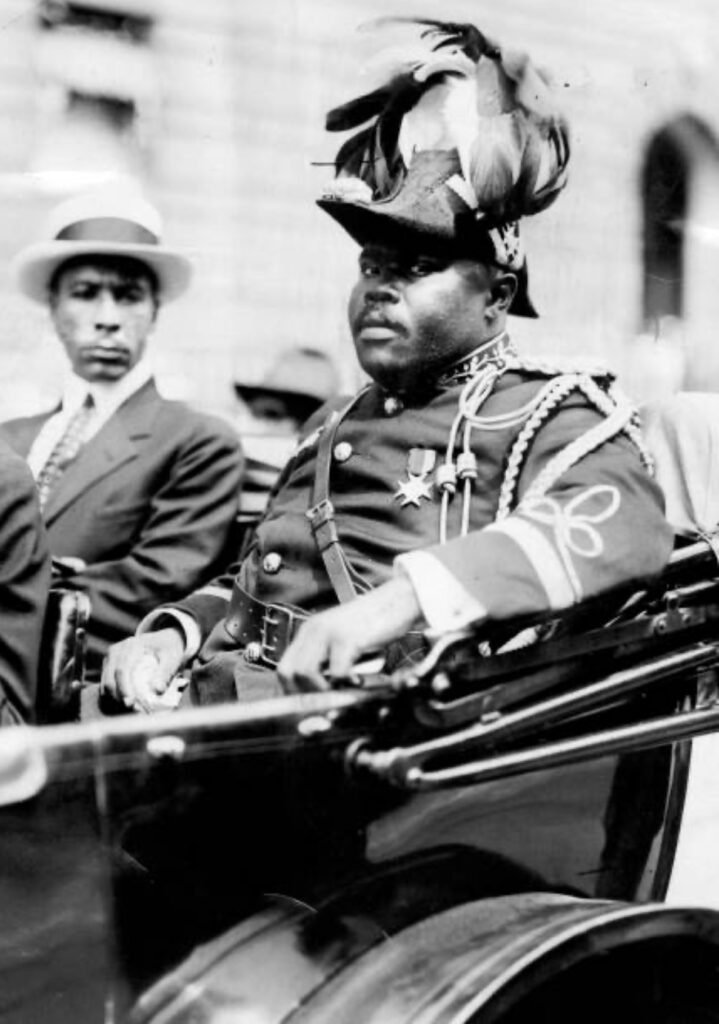
Before the world had microphones, viral videos, or social media movements, there was a single Black man standing on a wooden platform in Harlem, speaking with a voice so powerful it traveled across oceans. On this day, Marcus Mosiah Garvey delivered what the world would come to know as his “Redemption” message — a fiery call for Black people everywhere to reclaim their identity, their unity, and their global destiny. It wasn’t just a speech. For millions across the African diaspora, it was the sound of awakening. Garvey spoke at a time when Black people were told to shrink, to remain invisible, to believe they were powerless. Yet here he was — a man from Jamaica, standing in the heart of America, declaring boldly that Black people were heirs of empires, not the ruins left behind. His voice carried the weight of ancestors, and his words lifted the heads of people taught never to look themselves in the mirror with pride. “Redemption,” he said, “means rising from the ruins. It means rebuilding the greatness that was taken from us.” And when he said it, it was as if he was speaking not to one crowd, but to every Black person scattered across continents and time zones. In those days, Harlem overflowed with Garvey supporters — men, women, children, workers fresh from the docks, West Indian immigrants, African-Americans weary from Jim Crow, and Africans watching colonial nations carve up their homeland. They gathered in streets, halls, and balconies just to hear this man who dared to speak of liberation. Garvey’s Redemption message wasn’t about politics; it was about possibility. He told Black people to see themselves not as victims of history but as authors of the next chapter. He reminded them that the blood of kings, queens, scholars, farmers, builders, and warriors didn’t disappear when the ships crossed the Atlantic — it survived inside every one of them. Redemption, to Garvey, meant rebuilding what was stolen: dignity, unity, purpose, nationhood. It meant understanding that Africa wasn’t a place to pity, but a homeland to restore. It meant seeing the Black diaspora — from Jamaica to Chicago to Ghana — as one people with one destiny. And that idea alone terrified governments. Because once a people stop believing the lies told about them, their power becomes limitless. Garvey’s Redemption movement grew everywhere: in Caribbean ports, in West African cities, across South America, in London, and throughout Black America. His message was simple: You are somebody. You come from greatness. Stand tall and reclaim it. And for many Black families, these were words they had never heard before. For the first time, generations beaten down by racism and colonialism felt their spirits lifted by a leader who didn’t ask for permission to be Black and proud — he demanded it. A century later, his voice still echoes. Every time we build Black businesses, teach Black history, support Black media, invest in our families, protect our culture, and refuse to shrink ourselves to fit someone else’s comfort, we honor Redemption Day. Every time a Black entrepreneur steps into ownership, every time a child learns where they truly come from, every time a family chooses legacy over survival, Garvey’s prophecy unfolds a little more. Marcus Garvey’s Redemption message wasn’t meant for a moment — it was meant for a people. A people rising. A people rebuilding. A people remembering who they are. On this day in history, Garvey didn’t ask the world for permission. He told Black people everywhere: the time to reclaim your destiny is now. And today, as new generations rediscover his words, Redemption is no longer a speech — it is a movement that lives on through us. #MarcusGarvey #RedemptionDay #BlackHistory #PanAfricanism #BlackExcellence #BlackDollarAndCulture
Jeremiah Hamilton: The Forgotten Black King of Wall Street
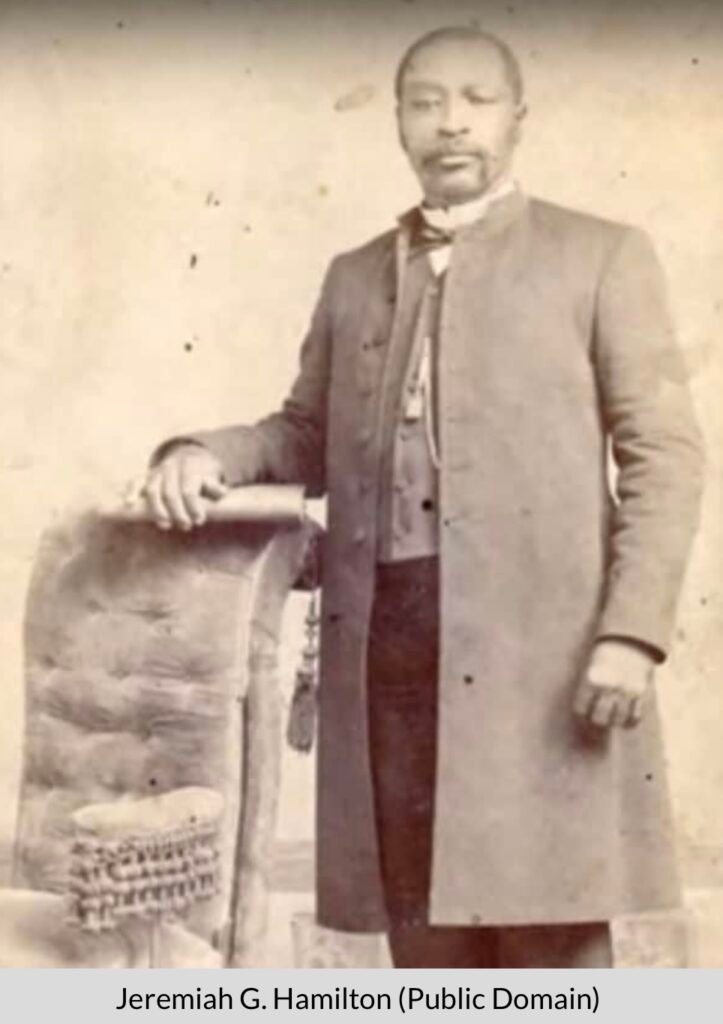
Long before Wall Street was a canyon of steel towers and billion-dollar firms, when lower Manhattan still smelled of seawater, coal smoke, and horse iron, a lone Black man walked its narrow, uneven streets with the confidence of someone who knew he didn’t belong there—yet refused to leave. His name was Jeremiah Hamilton, and during the mid-1800s, in the era of slavery, segregation, and violent racism, he did what no one believed possible: he became New York’s first Black millionaire, dominating a financial system that was never meant to include him. His story isn’t just rare.It is revolutionary.And it was nearly erased. Hamilton didn’t inherit generational wealth. He wasn’t protected by a powerful white family or backed by elite institutions. He built his empire inside a society structured to crush Black ambition at its roots. He played a game where the rules were written by his enemies—and still beat them at it. Even those who hated him confessed he was brilliant, fearless, calculating, and dangerous in the way only a man breaking racial boundaries can be. Born around 1806 in the Caribbean, Hamilton arrived in New York as a teenager. The city at the time was a paradox: a booming economic hub powered by global trade, yet still deeply entangled in slavery. Free Black people existed in a fragile, uncertain space—free, but not equal; present, but unwelcome. It was here that Hamilton carved out his identity. While most Black people were trapped in labor jobs or shut out of opportunities altogether, Hamilton pushed himself into commerce, international trade, and high-level negotiation—worlds dominated exclusively by wealthy white men. By his mid-20s, Hamilton had already developed a reputation for extraordinary intelligence and unbreakable nerve. Newspapers described him as “bold,” “audacious,” “daring,” and “dangerous.” These weren’t compliments—they were warnings. In a society where Black obedience was expected, Hamilton’s sharp mind and refusal to be intimidated were viewed as threats. His early rise came through an operation involving counterfeit coins, insurance loopholes, and trade violations. If a white merchant had done it, it would’ve been called “creative business tactics.” But Hamilton, as a Black man with ambition, was hunted. He was chased by mobs, nearly murdered, and forced to flee. Most men would have disappeared into the shadows. Hamilton came back stronger. When he returned to New York, he didn’t hide or play small. He stepped further into the belly of New York’s financial system—Wall Street—a place where no one wanted him and almost everyone wished he dead. Instead of breaking under the pressure, he studied the system, mastered it, and began beating men at their own game. He became so strategic, so calculating, that many wealthy businessmen had no choice but to partner with him or be destroyed by him. By the 1830s, Jeremiah Hamilton was a giant in the world of real estate speculation. He bought distressed properties, underwater mortgages, and land in neighborhoods where Black ownership was unheard of. He purchased parcels in Manhattan, Harlem, modern-day Tribeca, and beyond. He played chess while the city played checkers. Then came the Great Fire of 1835, one of the most devastating disasters in New York history. Flames consumed warehouses, docks, businesses, and some of the wealthiest commercial blocks in the country. While most businessmen wept over their losses, Hamilton saw opportunity. He used his cash reserves to buy fire-damaged properties at a fraction of their value. He loaned money at high interest to desperate merchants. He rebuilt, resold, and reinvested while the city was still smoking. That fire made him a multimillionaire in today’s money. By the 1840s, Hamilton controlled a financial network that stretched across real estate, insurance, trading, and lending. White elites despised him because they couldn’t control him. They couldn’t intimidate him. They couldn’t outsmart him. Newspapers, angry traders, and political enemies gave him the name meant to be an insult: “The Black Napoleon of Wall Street.” But the title exposed something else:Jeremiah Hamilton wasn’t just a wealthy Black man.He was a powerful one. Hamilton intimidated men who had never feared a Black person in their lives. He sued white businessmen and won. He walked into boardrooms where no Black person had ever stepped and left with deals sealed. He overcame racist laws, exclusionary banks, corrupt officials, and violent mobs—and still built an empire. Even his personal life defied the era’s norms. Hamilton lived in a wealthy white neighborhood, married a white woman, and raised mixed-race children during a time when interracial marriage was not only taboo, but often illegal. He owned a large mansion in New Jersey, complete with servants, groundskeepers, and luxuries unheard of for Black Americans at that time. Every day of his life was an act of rebellion. And yet, Hamilton was not someone who sought community approval. He didn’t involve himself in Black organizations, abolitionist circles, or social movements. Some say he avoided them because association made him a bigger target. Others say he didn’t trust the Black elite—he saw how quickly they distanced themselves from controversy, and Hamilton thrived in chaos. He chose to survive alone, on his own terms, in a world determined to destroy him. When he died in 1875, his estate was worth millions in today’s dollars. He left behind land, buildings, securities, and financial records that showed just how deep he’d carved his influence into New York’s economic landscape. Yet not a single Black newspaper published an obituary. Not a single major Black historian of the era claimed him. White newspapers only mentioned him to mock him or erase his accomplishments. His story faded from textbooks, archives, and public memory. For over a century, Jeremiah Hamilton became a ghost. But today, he rises again. Hamilton’s legacy is powerful not only because he was wealthy, but because of how he became wealthy—through intelligence, courage, and relentless determination in the face of racism so violent it’s hard to imagine today. His life proves that Black brilliance has always existed at the highest level of American finance, even when the world pretended
The Hidden Black History of Blue Jeans
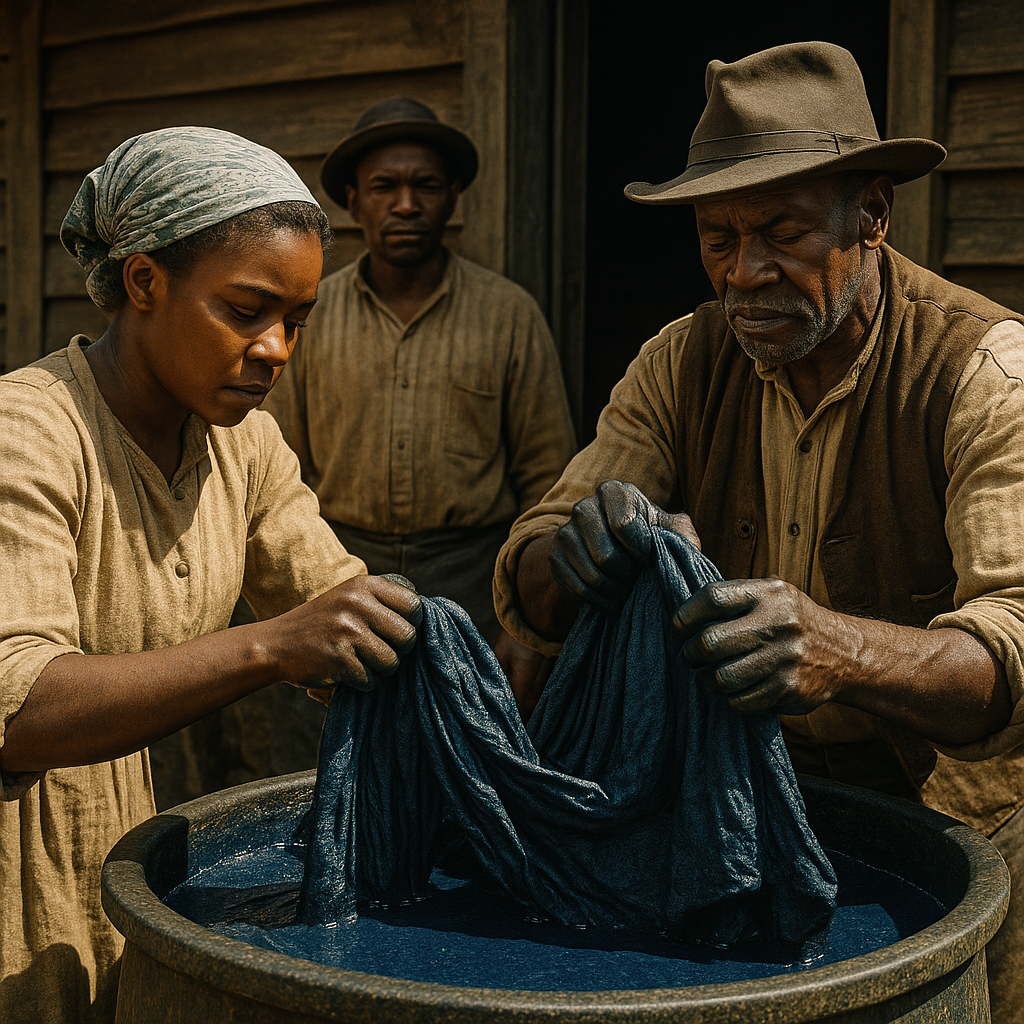
Everybody credits Levi Strauss with inventing blue jeans — but the truth is the foundation of denim was built by Black hands, Black science, and Black craftsmanship long before Levi ever filed a patent. ❤️ Support Independent Black MediaBlack Dollar & Culture is 100% reader-powered — no corporate sponsors, just truth, history, and the pursuit of generational wealth.Every article you read helps keep these stories alive — stories they tried to erase and lessons they never wanted us to learn. 1. The Myth We Were Taught: “Levi Strauss Invented Blue Jeans” That’s the version found in textbooks and brand marketing.But inventions don’t happen in a vacuum — they have a foundation. And the foundation of blue jeans wasn’t stitched in San Francisco.It was stitched on plantations. Before Levi ever touched denim, Black people had already created every major element that makes jeans what they are today. 2. Indigo Dye — A Science Mastered by Africans, Not America The famous “blue” in blue jeans came from indigo, a dye science Africans perfected centuries before the U.S. existed. People from: were known globally for their mastery of indigo cultivation and dyeing techniques. When enslaved Africans were brought to the Carolinas and the Deep South, plantation owners relied heavily on their expertise to build America’s early indigo industry — one of the country’s first major cash crops. This dye, this color, this chemistry — it was Black genius. 3. The First Workwear Pants Were Crafted by Enslaved Africans Long before factories and sewing machines: These garments were the ancestors of modern denim jeans — rugged, durable, built to withstand the worst conditions imaginable. Jeans were born out of Black labor, not Levi’s imagination. 4. So What Did Levi Strauss Actually Do? Levi Strauss didn’t invent: ❌ the pants❌ the dye❌ the style❌ the craftsmanship❌ the tradition of workwear His key contribution was one patent: 👉 metal rivets to reinforce pockets and seams. That patent helped him mass-produce a garment Black people had been creating for years — and it launched a billion-dollar industry. But the blueprint wasn’t his. 5. A Billion-Dollar Global Industry Built on Erased Black Foundations Today, denim is a $90+ billion global industry. Yet the people who: were never given recognition, credit, or generational wealth from it. This isn’t just fashion history.It’s economic history.It’s Black history.And it deserves to be restored to the center of the narrative. 📌 Final Word Blue jeans are as American as apple pie — but their origin is African. Before Levi Strauss became a household name, Black hands had already: This is yet another example of how Black brilliance built industries that the world profits from today. Black history is world history — and it deserves to be told truthfully. #BlueJeansHistory #BlackHistory #IndigoDye #UntoldStories #BlackExcellence #BlackDollarAndCulture
Daniel Hale Williams — The Black Surgeon Who Performed the First Successful Open-Heart Surgery
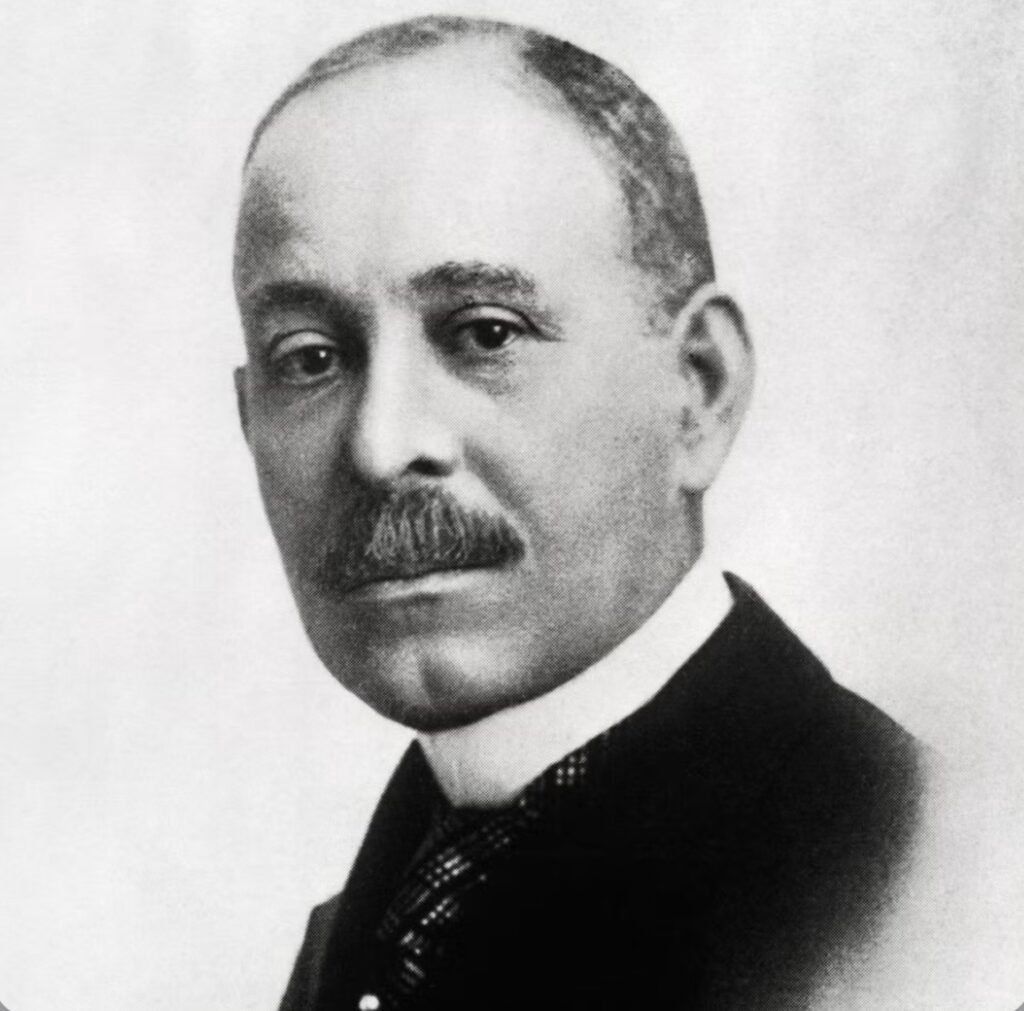
Before textbooks whispered his name, a Black surgeon in Chicago changed medical history. Daniel Hale Williams opened a man’s chest and repaired a beating heart — at a time when white hospitals refused to treat Black patients. ❤️ Support Independent Black MediaBlack Dollar & Culture is 100% reader-powered — no corporate sponsors, just truth, history, and the pursuit of generational wealth.Every article you read helps keep these stories alive — stories they tried to erase and lessons they never wanted us to learn. 1. The Night That Changed Medicine Forever On July 10, 1893, a man named James Cornish was rushed into Provident Hospital after being stabbed in the chest.His chances of surviving were slim. The heart was considered untouchable — too dangerous to operate on. But Dr. Daniel Hale Williams refused to accept that. At a time when: Williams opened the chest, carefully exposed the heart, and repaired the torn pericardium, the sac that protects it. Cornish lived. Medicine would never be the same. 2. Provident Hospital — When We Build Our Own, We Save Our Own Dr. Williams performed the groundbreaking surgery at Provident Hospital, the first Black-owned, Black-operated hospital in the United States. Why did it exist? Because Black doctors, nurses, and patients were denied treatment in white hospitals. Provident became: Without Provident Hospital, that surgery may never have happened. Ownership wasn’t just economic.It was life and death. 3. Why Most Textbooks Skip This Story Even after proving his brilliance, Dr. Williams faced resistance: Yet his impact is unmistakable: 🏥 Inspired the founding of Black medical institutions🩺 Advanced sterile surgical practices❤️ Proved that heart surgery was possible📚 Opened doors for Black physicians nationwide History didn’t forget him by accident — it was suppressed. 4. Legacy in Modern Medicine Thousands of heart surgeries performed today connect back to that night in 1893. Dr. Williams later helped lead: His legacy lives on every time a heart patient survives what was once a guaranteed death sentence. 5. What This Means for Black America Today This isn’t just history. It’s a blueprint. Lessons we carry forward: ✔ We must own institutions — hospitals, banks, schools, media✔ Black brilliance thrives when barriers are removed✔ Our children must learn not just the history of oppression, but the history of innovation Dr. Williams didn’t wait for permission.He built what we needed. So must we. 📌 Final Word Dr. Daniel Hale Williams didn’t just save a life.He changed the future of medicine — and proved that Black excellence is not new, it is continuous. They tried to shut us out of hospitals, so we built our own.They said heart surgery was impossible — we proved it wasn’t. Our legacy is not struggle.Our legacy is genius. #DanielHaleWilliams #BlackHistory #BlackExcellence #ProvidentHospital #BlackDollarAndCulture #MedicalHistory
How “Famous Amos” Lost His Company — and the Lesson Every Entrepreneur Should Learn
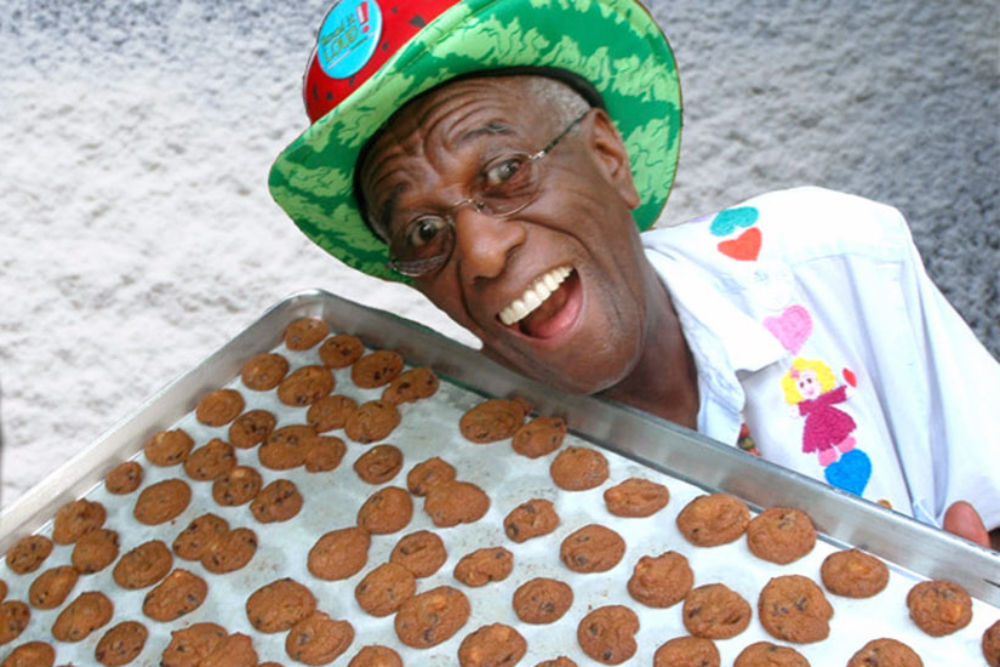
Word Count: ~1,200 We all know the name: Famous Amos.Those small, crunchy, chocolate chip cookies that filled lunchboxes, gas stations, and grocery shelves for decades. But behind that brand was a man — Wally Amos — a Black entrepreneur with a million-dollar smile and a dream even sweeter than his cookies. He built an empire that changed snack food forever… then lost it all.And his story holds one of the most important wealth lessons every entrepreneur should know. 1. The Rise of the Original Cookie King In the 1970s, Wally Amos wasn’t just baking cookies — he was baking history. Before the world knew him as Famous Amos, he was a Hollywood talent agent representing legends like Simon & Garfunkel and Diana Ross. But his true passion was in the kitchen. Using his aunt’s recipe, he started gifting homemade chocolate chip cookies to clients. They were so good, people said, “You could sell these.”So he did. In 1975, he opened the first gourmet cookie store in Los Angeles — with just $25,000 in startup money and his magnetic personality as his main ingredient. Within a few years, Famous Amos became a nationwide sensation. His smile was the brand. His recipe was the soul. His cookies were the dream. 2. The Sweet Taste of Success Wally was a natural-born marketer.He wore his straw hat and bow tie everywhere, personally greeting customers and signing boxes like autographs. By the early 1980s, his cookies were in every grocery store in America.He became the first Black entrepreneur to build a major national food brand from scratch. Sales exploded.Media appearances followed.And “Famous Amos” became not just a product — but a symbol of Black excellence and entrepreneurship. 3. The Bitter Turn — Losing the Brand But fame can be expensive. As the company grew, so did its costs.Wally took on investors to help expand, and over time, he gave away more and more ownership. By the mid-1980s, his shares were diluted — and by 1988, he had completely lost control of his company and his name. That’s right:He no longer owned Famous Amos, and he wasn’t even allowed to use his own name on future businesses. It’s the cruelest twist in entrepreneurship — building a brand so powerful that you can’t even use your own name. 4. The Emotional Cost of Selling Out When Wally lost his company, he also lost his identity. Imagine watching the cookies you created being sold on shelves with your face — but not your profits. He said in interviews that losing “Famous Amos” felt like losing a part of himself.But he didn’t stop there. He later launched new ventures like “Uncle Noname’s Cookies” and “The Cookie Kahuna,” continuing to share his recipes and his joy. But the brand power he built under “Famous Amos” was gone — and the big corporations who bought it continued to profit off his legacy. 5. The Lesson: Own Your Name, Own Your Power Wally’s story is bigger than cookies.It’s about ownership. He was the heart of the brand — but not the holder of the equity. And that’s the biggest mistake too many creators and entrepreneurs make. Talent creates value. Ownership keeps it. If your business has your name on it — trademark it.If you build a brand — protect it before you promote it.And if you take on investors — read the fine print twice. Because in business, control is sweeter than any cookie. 6. The Rebirth of Wally Amos Even after losing everything, Wally never stopped smiling. He became an author, motivational speaker, and advocate for literacy.He once said, “You can’t be famous for being famous. You have to stand for something.” And he did.His life became a testament to resilience — to starting over with humility, humor, and hope. Famous Amos is now owned by the Ferrero Group (the same company that makes Nutella and Ferrero Rocher).But the man who started it all still represents the heart of the brand. Because you can’t trademark legacy — only ownership. 7. The Real Takeaway for Black Entrepreneurs Wally Amos’s story should be taught in every business class. It’s proof that creativity alone isn’t enough.You need contracts.You need trademarks.You need to understand how to own the empire you build. The next generation of Black creators must move from talent to ownership, from brand deals to brand equity. Because in America, the recipe for wealth isn’t just genius — it’s legal structure. Final Word: Never Lose Your Name Wally Amos’s story is both inspiring and heartbreaking. He built a household name from nothing.He broke barriers and built a legacy of joy and entrepreneurship.But he lost it because the system wasn’t built to protect him. The world still eats his cookies — but only a few know his story. So next time you see “Famous Amos” on a shelf, remember:Behind that label was a man who showed us how far vision can take you — and how ownership can keep you there. Don’t just build brands. Build ownership. #FamousAmos #BlackEntrepreneurs #Ownership #BlackHistory #BlackDollarAndCulture
The Real Woman Behind Aunt Jemima

Word Count: ~1,250 You’ve seen her face on syrup bottles and pancake mix boxes for decades.That warm smile. That headscarf. That image that became one of the most recognizable brands in American history. But behind the logo was a real woman — a pioneer, a cook, and a performer who was far more than a marketing character. Her name was Nancy Green, and her story is one of brilliance, exploitation, and the power of legacy. 1. From Slavery to Symbol Nancy Green was born into slavery in Montgomery County, Kentucky, in 1834.She lived through an era that denied her humanity — yet she became one of the most influential figures in American consumer history. After gaining her freedom, Nancy moved to Chicago, where she worked as a cook and caretaker. Her skills in the kitchen weren’t just good — they were legendary. So legendary, in fact, that in 1893, she was chosen to represent the Aunt Jemima brand at the World’s Fair in Chicago. That moment changed everything. 2. The Birth of an Icon The Aunt Jemima character was created by two white men — Charles Rutt and Charles Underwood — who based the brand on a minstrel song that mocked Black women. But Nancy Green brought the character to life in a way they never expected. At the World’s Fair, she drew huge crowds. Her pancakes were famous. Her personality was electric. Her storytelling captivated audiences. She turned a caricature into a character — real, relatable, and full of joy. People didn’t just love the pancakes. They loved her. 3. The Face of a National Brand — Without the Fortune Nancy Green became the first living trademark in American advertising history.Her face and likeness sold millions of products. But while her image built wealth for others, she never shared in that success. Quaker Oats bought the Aunt Jemima brand in 1925 and kept her image on the packaging for nearly a century — without ever properly crediting or compensating her descendants. It’s a painful reminder of how Black labor, talent, and creativity built industries that often excluded the very people who made them thrive. Her face made millions. But her legacy was hidden in the fine print. 4. Beyond the Brand — The Real Nancy Green Nancy Green wasn’t just a “mammy” stereotype.She was a philanthropist, a missionary, and a woman of deep faith. She used her platform to support her church and local causes in Chicago.She was known for feeding the hungry, caring for children, and serving her community with the same warmth that made her famous. When she passed away in 1923, she was buried in an unmarked grave — her contributions to history left untold for nearly a century. 5. The Rebrand That Sparked Reflection In 2020, following nationwide conversations about racial imagery and justice, Quaker Oats retired the Aunt Jemima brand. They replaced it with Pearl Milling Company, the original name of the mill that created the pancake mix in 1888. While the move was symbolic, it sparked something more powerful: a reckoning. People began asking, “Who was the real woman behind Aunt Jemima?”And that question led millions to Nancy Green — her story, her strength, and her silence. 6. The Lesson: Own Your Image, Own Your Power Nancy’s story isn’t just history — it’s a blueprint. It reminds us that ownership matters.That every face, every brand, every idea has value. And that when we build — whether it’s a blog, a product, or a brand — we must protect it, name it, and profit from it. The same way they trademarked her image, we must trademark our legacy. Because if you don’t own your image, someone else will — and they’ll sell it back to you. 7. Reclaiming the Narrative Today, Nancy Green’s story is finally being told by educators, historians, and creators like you — people dedicated to rewriting what was erased. Her legacy is more than a syrup bottle. It’s a lesson in self-worth, ownership, and resilience. She was more than Aunt Jemima.She was the blueprint for turning struggle into story — and story into power. Final Word: From Pancakes to Power Nancy Green’s name deserves to be remembered — not as a logo, but as a legacy. She showed the world that even when the odds are stacked, your gift can make the world stop and watch.But her story also warns us — that brilliance without ownership can become bondage all over again. So today, when you see that smiling face on a vintage box, remember the woman behind it.A woman who cooked her way into history.A woman who made a brand unforgettable — even when the world tried to forget her. #NancyGreen #AuntJemima #BlackHistory #BlackExcellence #BlackDollarAndCulture
Provident Hospital: The Legacy Dr. Daniel Hale Williams Built Still Lives On
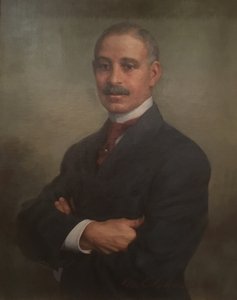
Word Count: ~1,250 In 1891, at a time when segregation ruled medicine and opportunity was locked behind color lines, Dr. Daniel Hale Williams didn’t wait for a seat at the table.He built his own table — and a hospital to go with it. That hospital was Provident Hospital in Chicago.And it didn’t just save lives — it changed history. Today, over a century later, its legacy still pulses through every Black doctor, nurse, and healthcare entrepreneur carrying forward Dr. Williams’ vision:Black excellence through ownership, education, and care. 1. A Hospital Born from Necessity — and Vision At the turn of the 19th century, Black patients were denied care in most hospitals.Black doctors couldn’t work, train, or even study in white institutions. Dr. Daniel Hale Williams — a man who refused to accept that barrier — saw only one option:“If they won’t let us in, we’ll build our own.” And so, in 1891, he opened Provident Hospital, the first Black-owned and operated hospital in the United States. It wasn’t just a hospital.It was a declaration: we will heal ourselves, educate ourselves, and build our own systems of excellence. 2. The Heartbeat of a Movement Provident wasn’t about exclusion — it was about inclusion.Dr. Williams opened the doors to all patients, regardless of race. That decision made Provident more than a medical institution — it became a model for equality and dignity in care. For decades, it served as the lifeline for communities that America’s healthcare system ignored.And it became the training ground for hundreds of Black doctors and nurses who would go on to break barriers worldwide. 3. The Surgery That Shocked the World Two years after founding Provident, Dr. Williams made medical history. In 1893, without modern anesthesia, x-rays, or advanced tools, he performed the first successful open-heart surgery in American history. His patient — a man named James Cornish — survived. That operation placed Dr. Williams among the great pioneers of modern medicine.And he did it all from inside a hospital built for people the world refused to acknowledge. Provident became proof that Black brilliance isn’t just talent — it’s innovation under pressure. 4. Training the Next Generation of Healers Provident wasn’t just a hospital — it was a school of excellence. Dr. Williams established a nursing program, one of the first in the nation to admit Black women.That program trained some of the most skilled nurses in America, including pioneers who went on to lead medical programs of their own. He understood something powerful: Healing the body means nothing if you don’t empower the hands that hold the instruments. His vision created not just health professionals, but leaders. 5. A Blueprint for Building Our Own Institutions Provident’s story holds a lesson every generation needs:When the system says “no,” build your own “yes.” That’s how every movement starts — not with permission, but with purpose. In the business world, in education, in tech — the same principle applies:Ownership is the only way to guarantee access. Dr. Williams’ vision was bigger than medicine — it was about self-determination.He showed that we don’t have to fight to be included; we can create systems that include us by design. 6. The Legacy Still Lives On Though Provident Hospital faced financial challenges over the years, its spirit never died.It’s still open today in Chicago’s South Side — a living monument to Black innovation and endurance. Its alumni and legacy continue through generations of Black healthcare professionals, many of whom trace their inspiration back to Dr. Williams. Every clinic built in our neighborhoods, every Black medical school graduate, every nurse breaking barriers — they’re all part of that ripple effect. Legacy doesn’t fade. It evolves. 7. Lessons for Today’s Builders and Dreamers Here’s what Provident’s story teaches every modern entrepreneur and dreamer: Dr. Williams didn’t just build a hospital.He built a model for every Black innovator: start with vision, lead with excellence, and never wait for validation. Final Word: The Legacy Beats On Provident Hospital was more than a building — it was a heartbeat. A heartbeat that said we belong in every room we build.A heartbeat that continues every time a Black doctor walks into an operating room, every time a young medical student raises their hand, every time we invest in our own. Dr. Daniel Hale Williams didn’t just heal hearts — he gave us one. And more than 130 years later, Provident’s heartbeat still echoes — reminding us that legacy never dies when it’s built on purpose. #ProvidentHospital #DanielHaleWilliams #BlackExcellence #BlackHistory #BlackDollarAndCulture