
Yasuke: The African Samurai Who Defied History in 16th-Century Japan
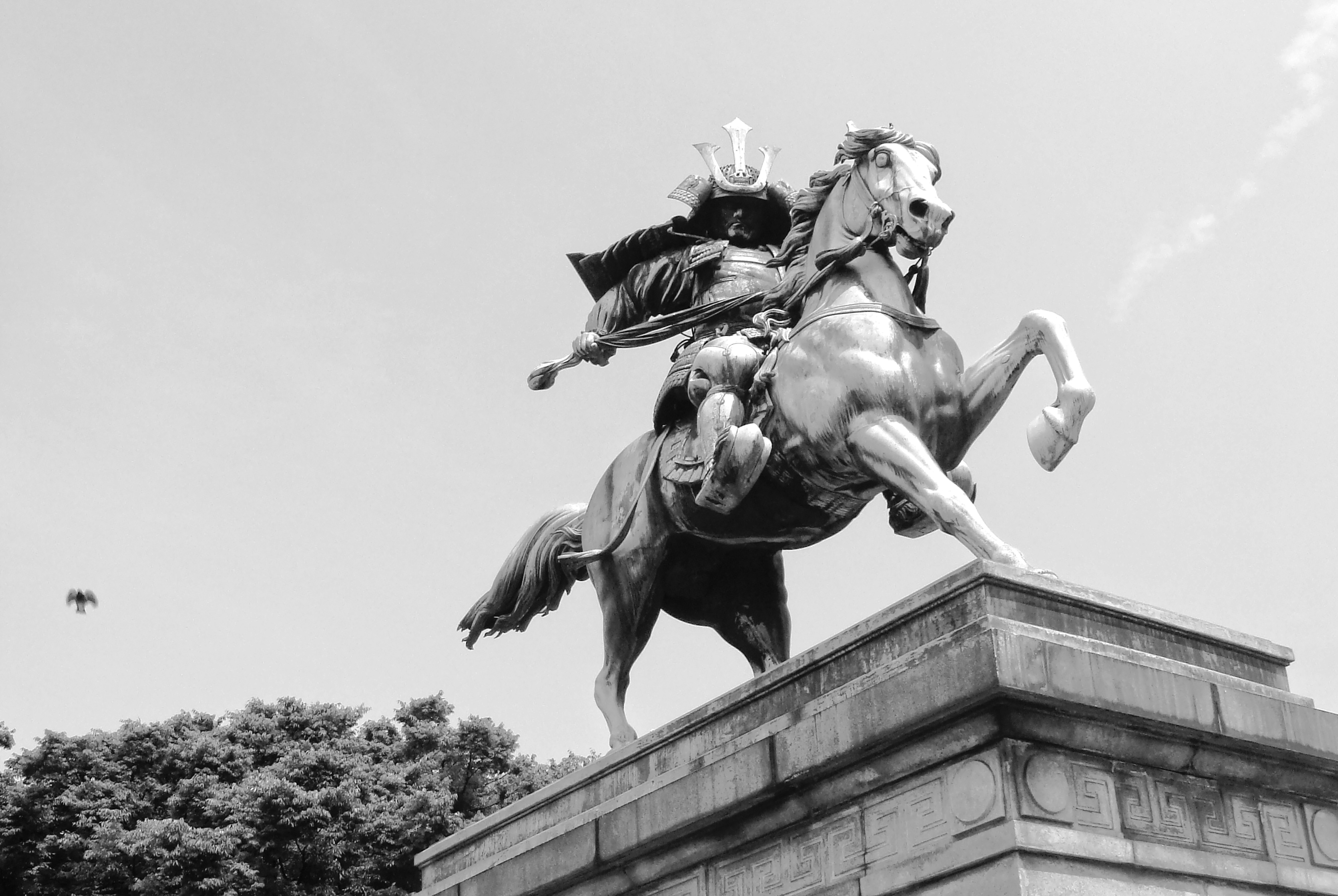
An Unexpected Arrival Yasuke’s arrival in Japan during the late 16th century represents a remarkable occurrence in the historical narrative of the era. Linked to a group of Jesuit missionaries, Yasuke was an African who arrived on Japanese shores, challenging the strict socio-cultural expectations of a society that was, at the time, predominantly homogeneous. His introduction to Japan was not merely a personal voyage, but rather a significant moment that would resonate through the ages, particularly in discussions surrounding race and identity. Upon arrival, it is documented that Yasuke caused a profound sensation among the local populace. The striking difference in his appearance, coupled with his status as a foreigner, incited a mixture of curiosity and apprehension among the Japanese. Such cultural shock invited various interpretations; for instance, some viewed him as an enigma, while others regarded him with skepticism, reflective of the rigid norms prevalent in the society of that time. The physical traits that set Yasuke apart, namely his skin color and stature, inevitably prompted conversations about what it meant to belong or to be accepted within a society that had long been defined by its insular identity. Moreover, Yasuke’s presence opened up dialogues about race that had hitherto been minimal, if not entirely absent, in Japan. His status as a samurai not only punctuated the complexities of cultural exchange but also illustrated how individuals could defy societal boundaries. Yasuke’s life story became a confluence of different worlds, where the traditional Japanese constructs of merit and honor intersected with the broader narratives of colonialism and globalization. As the legacy of Yasuke unfolds, it becomes evident that his unexpected arrival was a catalyst for challenging preconceived notions of race and identity, setting the stage for a more inclusive understanding of humanity in a time characterized by conformity. First Impressions: The Reaction of Japanese Society The arrival of Yasuke in Japan in 1579 caused quite an uproar, as the local populace had never encountered someone of African descent before. The sight of this towering, muscular man, with his deep skin tone and unique features, elicited immediate astonishment and intrigue among the Japanese people. His physical differences, epitomizing a stark contrast to the prevailing populace of the time, led to a blend of wonder and prejudice. Some viewed him with admiration, interpreting his distinctiveness as a sign of strength, while others succumbed to stereotypes that challenged their understanding of foreign cultures. Cultural integration in 16th-century Japan proved to be a complex process for Yasuke. While he was initially met with bewilderment, this fascination quickly morphed into curiosity as the Japanese sought to learn more about this enigmatic figure. Yasuke’s unique background as an African brought forth numerous questions from the local community. They were captivated by his stories from lands far away, igniting imaginations and breaking down some barriers of misunderstanding. As Yasuke garnered attention, he faced challenges that often accompany the integration of an outsider into a tightly-knit society. Stereotypes surrounding his appearance and origin led to initial skepticism regarding his capabilities, particularly in a culture that placed immense value on honor and tradition. However, his adeptness in adapting to local customs and his prowess in martial arts facilitated a gradual shift in perception. This ability to conform while still retaining his unique identity contributed to his acceptance and rising significance in Japanese society. Ultimately, Yasuke’s presence served as a reminder of the complex interplay between culture, identity, and societal norms during a time of significant change and exchange. The initial reactions of the Japanese people not only reflected their views on difference but also marked the beginning of Yasuke’s remarkable journey towards becoming a samurai, effectively defying the boundaries imposed by history and culture. Earning the Trust of Oda Nobunaga Yasuke’s journey from an African foreigner to the trusted samurai of one of Japan’s most powerful daimyos, Oda Nobunaga, is a remarkable narrative that encapsulates themes of loyalty and mutual respect. When Yasuke first arrived in Japan, he was an exotic figure, eliciting curiosity due to his distinct appearance. His stature and commanding presence caught the attention of Nobunaga, who was intrigued by this seemingly extraordinary warrior. The pivotal moment in their relationship came when Nobunaga personally met Yasuke. Histories recount that Yasuke’s impressive demeanor and strength left a profound impression on Nobunaga. Instead of dismissing Yasuke as just a foreigner, Nobunaga recognized his potential, thus beginning a relationship built on trust and admiration. This moment marked the beginning of Yasuke’s transformation into a samurai, a role reserved traditionally for those of Japanese descent, which signifies the breakdown of racial barriers in feudal Japan. As Yasuke proved his loyalty and combat skills, his bond with Nobunaga deepened. He was not only a capable warrior but also a confidant, accompanying Nobunaga in numerous campaigns. This level of acceptance and respect from Nobunaga highlights a significant departure from the societal norms of the time, where ethnic differences would typically delineate hierarchies. Instead, through actions that demonstrated valor, Yasuke earned a place of honor, further solidifying the trust between him and Nobunaga. Yasuke’s evolution from a foreign slave to a revered samurai showcases how personal merit can transcend cultural boundaries. Their relationship serves as an inspiring example of loyalty, illustrating how trust can be fostered through mutual respect and shared experiences in a tumultuous era. The Legacy and Mystery of Yasuke’s Fate The narrative of Yasuke, the first recorded African samurai in Japan, is intricately tied to the tumultuous history of 16th-century Japan, particularly the fall of the powerful daimyō Oda Nobunaga. After Nobunaga’s demise in 1582, much of Yasuke’s fate becomes shrouded in ambiguity. Various accounts suggest that he may have fought alongside Nobunaga until the end, yet definitive records of his life thereafter remain elusive. This uncertainty highlights not just the individual story of Yasuke but also illuminates the broader complexities of historical narratives concerning race and identity. Yasuke’s journey from Africa to Japan and his rise to the ranks of samurai challenges the traditional narratives of race and