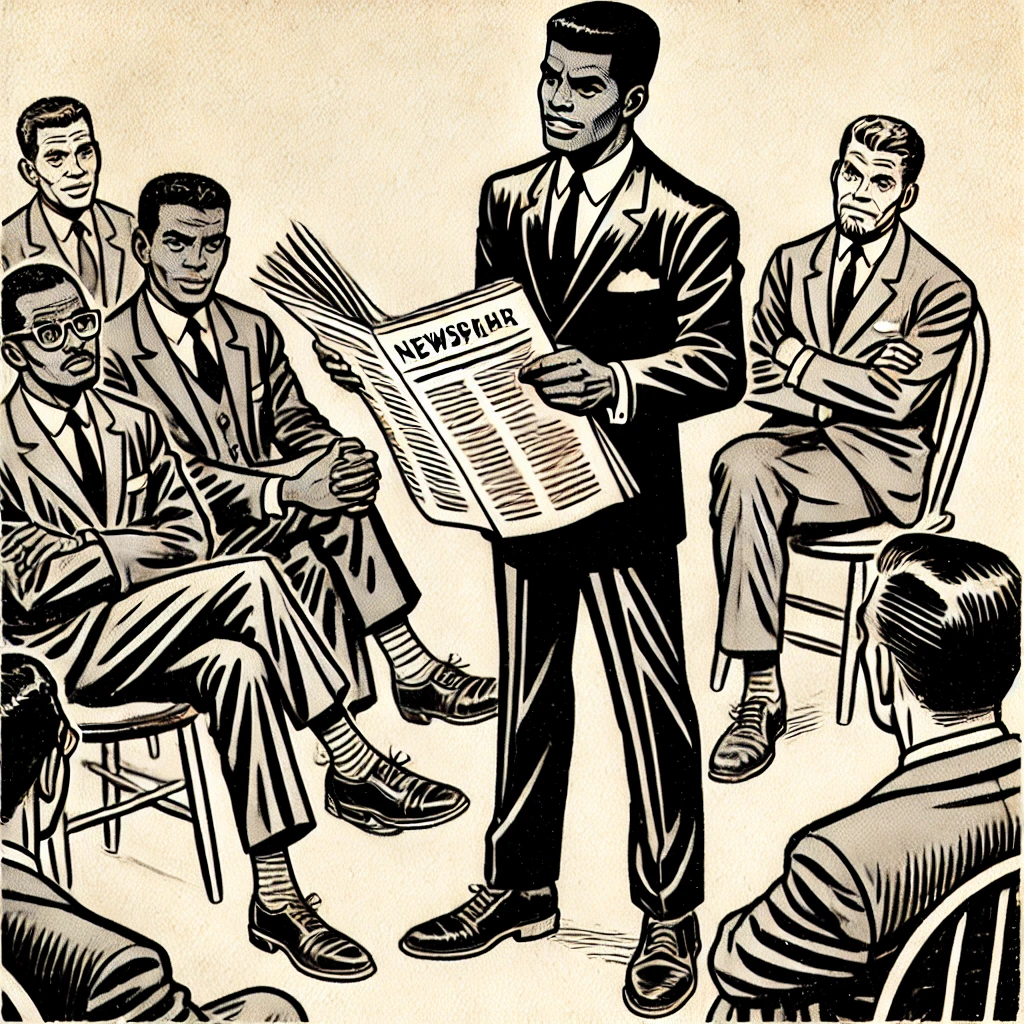
The Daring Escape: Robert Smalls and His Courageous Journey to Freedom

The Context of Slavery and the Civil War The institution of slavery in the United States emerged as a foundational aspect of Southern society and economy from the early 17th century. Enslaved individuals were subjected to inhumane conditions, forced labor, and systemic dehumanization, which were integral to the agricultural wealth derived from cash crops like cotton and tobacco. This exploitation played a significant role in shaping the economic landscape of the South, where plantation owners relied heavily on the labor of enslaved people to maintain their prosperity. As these injustices became deeply entrenched, the moral implications of slavery spurred considerable national debate and increasing tensions. By the mid-19th century, as the nation approached the Civil War, the divide between the North and South intensified. The Northern states, largely industrialized, began to advocate for abolitionist movements, while the Southern states staunchly defended their right to the institution of slavery, claiming it as essential to their economic survival and social order. The conflict over the expansion of slavery into new territories further exacerbated these tensions, culminating in a complex social climate teetering toward civil unrest. The election of Abraham Lincoln in 1860, who opposed the expansion of slavery, acted as a catalyst, leading to the secession of Southern states and the onset of war. As the Civil War progressed, enslaved individuals played a pivotal role in shaping its course. Many seized the opportunity to escape, join Union forces, or provide essential support to northern troops. The perception of their rights began to shift as abolitionist sentiments gained traction and the Union recognized the strategic advantages of incorporating formerly enslaved individuals into their ranks. Their invaluable contributions not only aided the Union’s efforts but also laid the groundwork for the eventual emancipation of enslaved people, marking a significant turning point in American history. Robert Smalls: A Life Before the Escape Robert Smalls was born into captivity in 1839 in Beaufort, South Carolina, an environment that shaped his early years and fueled his desire for freedom. As an enslaved man, Smalls was subjected to the harsh realities of plantation life. However, his circumstances shifted when he was hired out to work as a laborer and later as a sailor on the Confederate ship CSS Planter. This experience proved pivotal, as it provided him with valuable knowledge of maritime operations and the layout of Charleston Harbor, ultimately laying the groundwork for his audacious escape plan. During his time on the CSS Planter, Smalls developed a keen understanding of the ship’s mechanics, navigation, and the routines of its crew. Working alongside other enslaved men, Smalls forged relationships that transcended the limitations imposed by their condition. These camaraderie and shared experiences fostered a spirit of solidarity and mutual support, which became crucial as they navigated the oppressive structures of the Confederate South. While Smalls was acutely aware of his status as property, these relationships nurtured a sense of hope and collective resilience among the crew. Despite the oppressive environment, Smalls was a strategic thinker who consistently contemplated the potential for freedom. His aspirations were not limited to his own escape; he envisioned a future where his family and fellow enslaved individuals might also experience liberation. This vision solidified his resolve and guided his planning. On May 13, 1862, his meticulous preparations would culminate in a bold act of defiance, one that would not only alter the course of his life but also inspire countless others seeking liberty. Smalls’ early life, marked by adversity yet characterized by his indomitable spirit and foresight, became the foundation for his daring journey to freedom. The Audacious Escape: May 13, 1862 On the morning of May 13, 1862, Robert Smalls, a skilled pilot of the Confederate ship CSS Planter, embarked on a daring escape that would alter the course of his life and the lives of his family. The stakes were high; enslaved and yearning for freedom, Smalls meticulously orchestrated his plan to commandeer the vessel and flee to safety. As dawn broke, he gathered his family and a few trusted comrades, outlining the risk-laden plan that hinged on stealth and tactical brilliance. The initial challenge was to convince the Confederate guards of his intent. Smalls donned the uniform of a Confederate captain, a clever ruse that would allow him to navigate the ship safely past enemy lines. With his family and friends hidden in the boat, he expertly piloted the CSS Planter out of its berth in Charleston, knowing that detection would mean certain capture or death. The combination of his intimate knowledge of the waterways and the element of surprise provided a desperate advantage. As they traversed the Charleston harbor, Smalls faced significant hurdles, including navigating through a maze of Confederate defenses. The sound of cannon fire echoed ominously, a reminder of the dangers that lay ahead. Employing his understanding of the area, he skillfully maneuvered the ship toward the Union blockade, knowing that safety could only be found in the protection of Union forces. Smalls deftly handled the situation, employing a mix of bravery and ingenuity to maintain their cover. As they approached the blockade, his heartbeat quickened; their fate rested on maintaining their masquerade as Confederate sailors. Ultimately, as the CSS Planter reached the Union ships—marked by the flag of freedom—Robert Smalls and his crew of family and friends not only defied the odds but became symbols of courage in the face of oppression. This pivotal moment encapsulated Smalls’ resilience and determination, reflecting the perilous yet liberating path to reclaiming their lives from the grips of slavery. The Aftermath: Impact and Legacy of Robert Smalls The audacious escape of Robert Smalls not only changed his own life but also had profound implications during the Civil War and beyond. After obtaining his freedom, Smalls became a notable figure in both military and political spheres. He joined the Union Navy, serving as a pilot and navigator of the very ship he had once manned as a slave, the CSS Planter. His participation in naval engagements not only showcased his