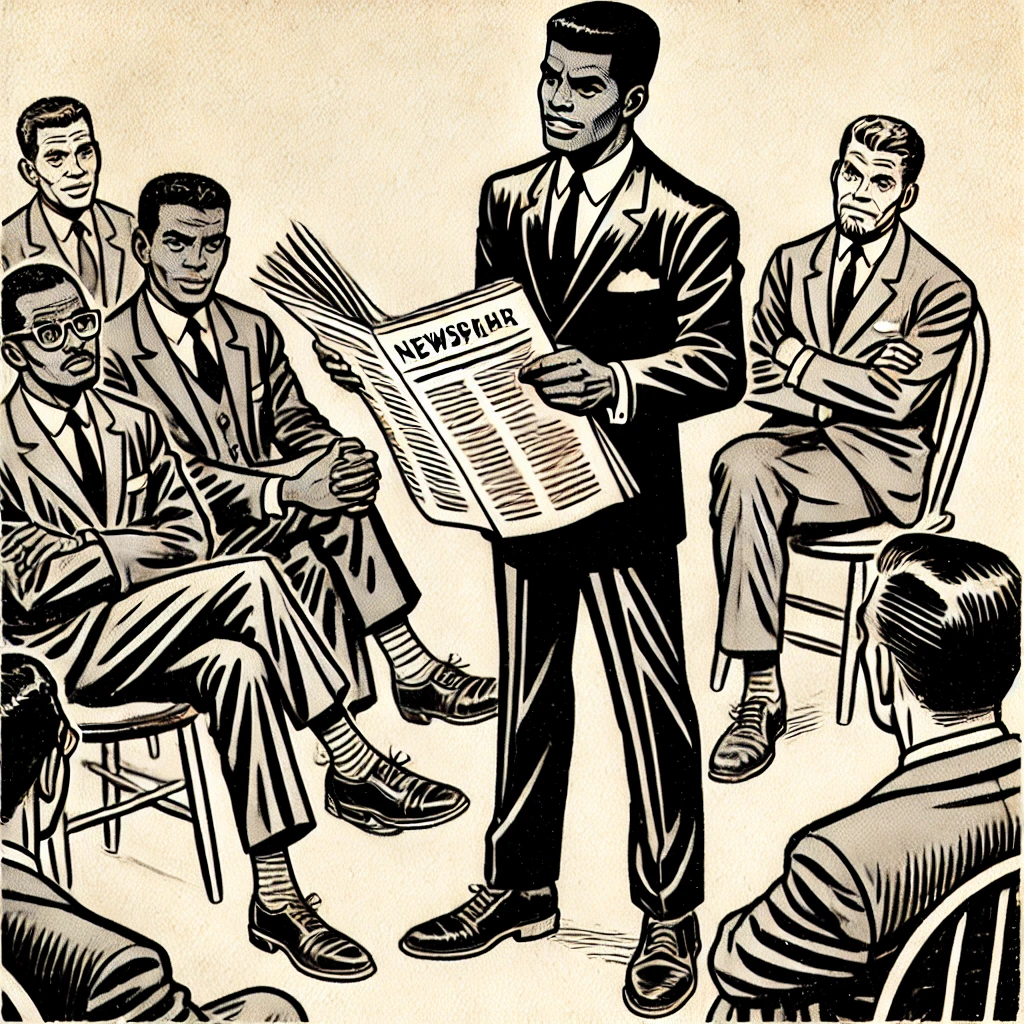
The Road to Freedom: The Submission of the Emancipation Proclamation Draft in 1861

Historical Context of the Emancipation Proclamation The years leading up to 1861 were marked by profound socio-political unrest in the United States, primarily centered around the institution of slavery and the contentious debate over states’ rights. As the nation expanded westward, the question of whether new territories should be free or slave states became increasingly polarizing. The Missouri Compromise of 1820 and the Kansas-Nebraska Act of 1854 only intensified these divisions, engendering violent confrontations known as “Bleeding Kansas.” This period of strife underscored the growing rift between Northern and Southern states, with the former largely opposing slavery and the latter staunchly defending their societal structure, which relied heavily on enslaved labor. Enslaved individuals endured inhumane conditions, stripped of their fundamental rights and freedoms, serving as mere property to their owners. The abolitionist movement gained momentum, marked by prominent figures such as Frederick Douglass and Harriet Tubman, who fiercely advocated for the end of slavery and the rights of African Americans. These efforts galvanized public opinion in the North, culminating in increased support for anti-slavery initiatives and the formation of organizations dedicated to emancipation. As the nation approached the Civil War, the conflict between the Union and Confederate states grew increasingly severe. The Southern states argued for their autonomy, seeking to preserve their way of life, which hinged upon the institution of slavery. Conversely, the Northern states aimed to maintain the Union and uphold federal authority. This enduring tension was not merely political but also moral, as many perceived slavery as an affront to human rights. In this tumultuous environment, President Abraham Lincoln recognized that addressing the issue of slavery head-on was essential to not only preserving the Union but also redefining the very ethos of America. It was against this backdrop of conflict, advocacy, and moral reckoning that the draft of the Emancipation Proclamation emerged, poised to change the course of history. Abraham Lincoln’s Vision for Emancipation Abraham Lincoln’s stance on slavery and emancipation was not only a personal conviction but also a profound political strategy influenced by the tumultuous context of the Civil War. Initially, Lincoln’s primary objective was the preservation of the Union; he believed that maintaining the integrity of the nation was essential to securing freedom for all its citizens. His early speeches, including the House Divided speech of 1858, suggest that while he personally opposed slavery’s expansion, he did not initially advocate for its outright abolition in states where it already existed. As the Civil War progressed, however, the moral and strategic dimensions of slavery began to reshape his perspectives. Lincoln recognized that the southern states’ economy relied heavily on enslaved labor, and he increasingly understood that ending slavery could weaken the Confederacy. The war’s violence and the human cost brought a sense of urgency to the issue, persuading Lincoln to adopt a more radical approach. His thoughts evolved notably over time, culminating in pivotal moments such as the issuance of the preliminary Emancipation Proclamation in September 1862, which declared that all enslaved individuals in the rebellious states would be freed. In his letter to Horace Greeley, Lincoln articulated his primary goal was to preserve the Union, regardless of his views on slavery. Yet, as the war intensified, he became more assertive about emancipation, viewing it as a necessary step toward victory and unity. The final draft of the Emancipation Proclamation, which became effective on January 1, 1863, showcased his dual commitment to both winning the Civil War and redefining the American landscape. It not only transformed the character of the war but also laid the groundwork for the future of civil rights in the United States, as Lincoln aspired to build a nation that upheld the ideals of liberty and justice for all. The Cabinet Meeting: A Turning Point in History On July 22, 1862, President Abraham Lincoln convened a crucial cabinet meeting that would significantly influence the course of the Civil War and the future of slavery in the United States. The preliminary draft of the Emancipation Proclamation was presented during this meeting, marking a seminal moment not only in Lincoln’s presidency but also in American history. This draft laid the groundwork for a change in the federal government’s approach to slavery, which had previously been a contentious issue. The cabinet members gathered for this meeting displayed a range of reactions, reflecting the complexities and divisions surrounding the matter of emancipation. Among Lincoln’s advisors, some openly embraced the idea of emancipation as a moral imperative; they viewed it as a necessary step toward justice and equality. In contrast, other cabinet members expressed their apprehensions and skepticism about the political ramifications of such a bold move. They feared that emancipation could alienate border states and hinder support for the Union cause. This dichotomy of opinion highlighted the delicate balance of Lincoln’s leadership, as he navigated the turbulent waters of wartime strategy while also considering the ethical dimensions of his decisions. Discussions at the meeting revealed not only the differing perspectives within Lincoln’s cabinet but also the broader societal attitudes toward slavery. While some members advocated for a gradual approach to emancipation, others argued for immediate and decisive action. Lincoln himself had to weigh these debates carefully, understanding that any decision he made would resonate deeply throughout the nation. The cabinet meeting was ultimately pivotal in shaping the final version of the Emancipation Proclamation, reflecting the complexities of leadership and the critical nature of unity in a divided nation during a time of immense conflict. Legacy of the Emancipation Proclamation The Emancipation Proclamation, initially presented as a draft in 1861, had profound and multifaceted impacts on American society, the ongoing Civil War, and the eventual abolition of slavery. Although its formal issuance did not occur until January 1, 1863, the preliminary draft laid the groundwork for future developments. The Proclamation signaled a pivotal shift in the Union’s war aims, transcending the mere preservation of the Union to encompass the moral imperative of ending slavery. This strategic pivot galvanized public sentiment and reinvigorated the war effort,