Today in History: Marcus Garvey’s “Redemption Day”
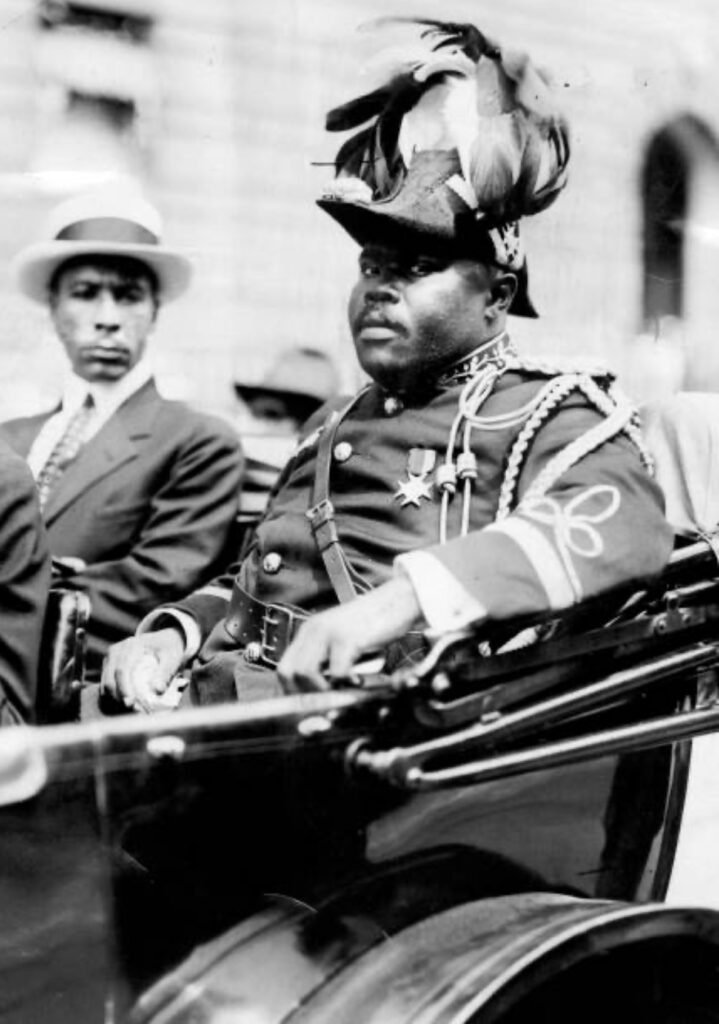
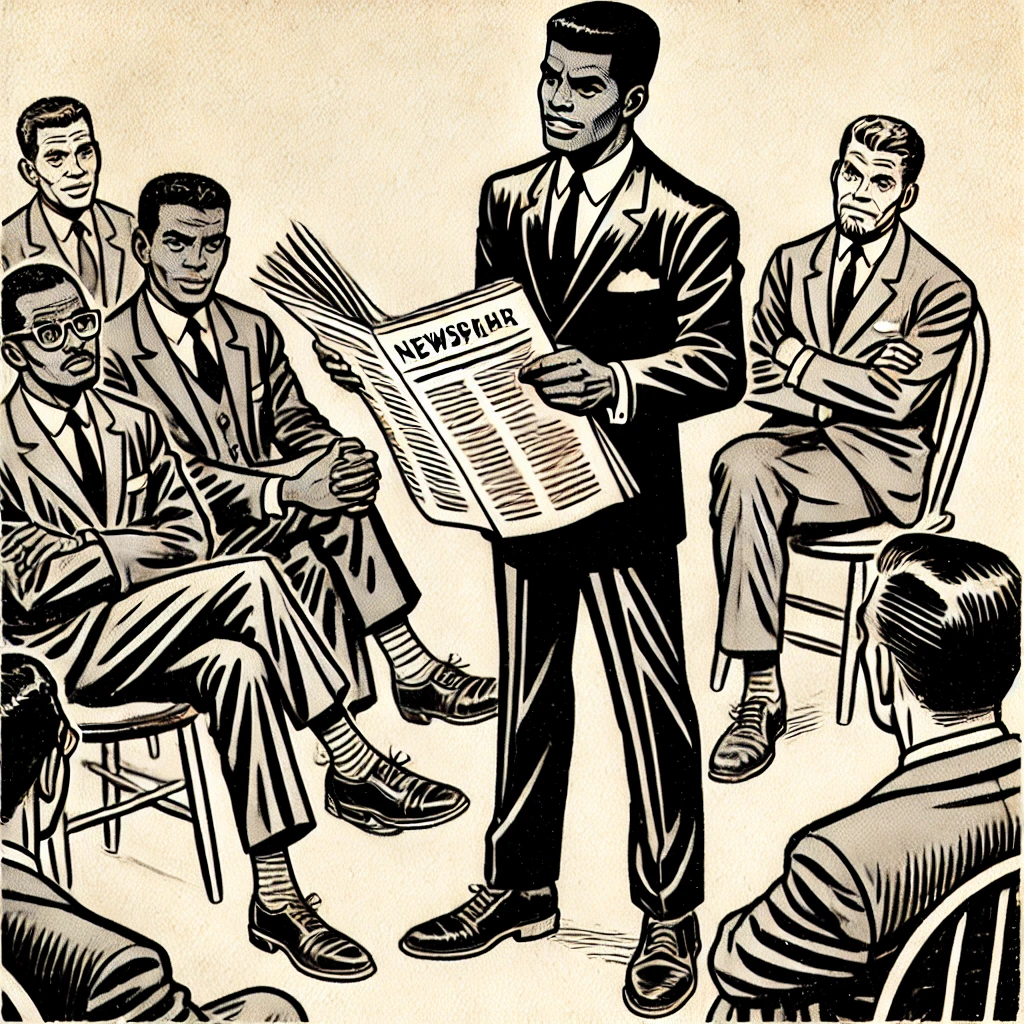
Before the world had microphones, viral videos, or social media movements, there was a single Black man standing on a wooden platform in Harlem, speaking with a voice so powerful it traveled across oceans. On this day, Marcus Mosiah Garvey delivered what the world would come to know as his “Redemption” message — a fiery call for Black people everywhere to reclaim their identity, their unity, and their global destiny. It wasn’t just a speech. For millions across the African diaspora, it was the sound of awakening. Garvey spoke at a time when Black people were told to shrink, to remain invisible, to believe they were powerless. Yet here he was — a man from Jamaica, standing in the heart of America, declaring boldly that Black people were heirs of empires, not the ruins left behind. His voice carried the weight of ancestors, and his words lifted the heads of people taught never to look themselves in the mirror with pride. “Redemption,” he said, “means rising from the ruins. It means rebuilding the greatness that was taken from us.” And when he said it, it was as if he was speaking not to one crowd, but to every Black person scattered across continents and time zones. In those days, Harlem overflowed with Garvey supporters — men, women, children, workers fresh from the docks, West Indian immigrants, African-Americans weary from Jim Crow, and Africans watching colonial nations carve up their homeland. They gathered in streets, halls, and balconies just to hear this man who dared to speak of liberation. Garvey’s Redemption message wasn’t about politics; it was about possibility. He told Black people to see themselves not as victims of history but as authors of the next chapter. He reminded them that the blood of kings, queens, scholars, farmers, builders, and warriors didn’t disappear when the ships crossed the Atlantic — it survived inside every one of them. Redemption, to Garvey, meant rebuilding what was stolen: dignity, unity, purpose, nationhood. It meant understanding that Africa wasn’t a place to pity, but a homeland to restore. It meant seeing the Black diaspora — from Jamaica to Chicago to Ghana — as one people with one destiny. And that idea alone terrified governments. Because once a people stop believing the lies told about them, their power becomes limitless. Garvey’s Redemption movement grew everywhere: in Caribbean ports, in West African cities, across South America, in London, and throughout Black America. His message was simple: You are somebody. You come from greatness. Stand tall and reclaim it. And for many Black families, these were words they had never heard before. For the first time, generations beaten down by racism and colonialism felt their spirits lifted by a leader who didn’t ask for permission to be Black and proud — he demanded it. A century later, his voice still echoes. Every time we build Black businesses, teach Black history, support Black media, invest in our families, protect our culture, and refuse to shrink ourselves to fit someone else’s comfort, we honor Redemption Day. Every time a Black entrepreneur steps into ownership, every time a child learns where they truly come from, every time a family chooses legacy over survival, Garvey’s prophecy unfolds a little more. Marcus Garvey’s Redemption message wasn’t meant for a moment — it was meant for a people. A people rising. A people rebuilding. A people remembering who they are. On this day in history, Garvey didn’t ask the world for permission. He told Black people everywhere: the time to reclaim your destiny is now. And today, as new generations rediscover his words, Redemption is no longer a speech — it is a movement that lives on through us. #MarcusGarvey #RedemptionDay #BlackHistory #PanAfricanism #BlackExcellence #BlackDollarAndCulture