How “Famous Amos” Lost His Company — and the Lesson Every Entrepreneur Should Learn
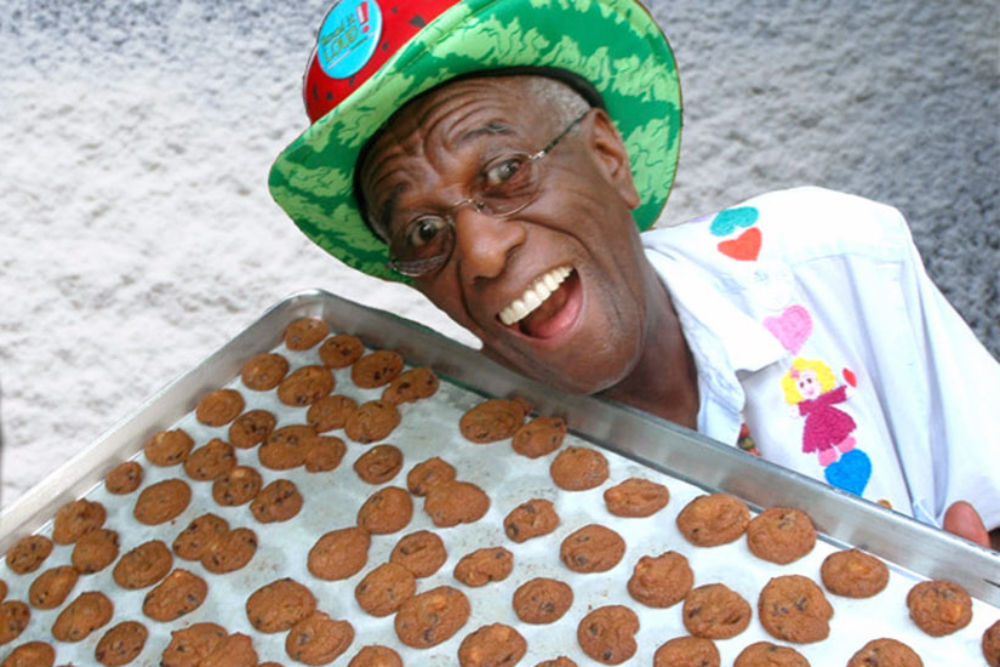
Word Count: ~1,200 We all know the name: Famous Amos.Those small, crunchy, chocolate chip cookies that filled lunchboxes, gas stations, and grocery shelves for decades. But behind that brand was a man — Wally Amos — a Black entrepreneur with a million-dollar smile and a dream even sweeter than his cookies. He built an empire that changed snack food forever… then lost it all.And his story holds one of the most important wealth lessons every entrepreneur should know. 1. The Rise of the Original Cookie King In the 1970s, Wally Amos wasn’t just baking cookies — he was baking history. Before the world knew him as Famous Amos, he was a Hollywood talent agent representing legends like Simon & Garfunkel and Diana Ross. But his true passion was in the kitchen. Using his aunt’s recipe, he started gifting homemade chocolate chip cookies to clients. They were so good, people said, “You could sell these.”So he did. In 1975, he opened the first gourmet cookie store in Los Angeles — with just $25,000 in startup money and his magnetic personality as his main ingredient. Within a few years, Famous Amos became a nationwide sensation. His smile was the brand. His recipe was the soul. His cookies were the dream. 2. The Sweet Taste of Success Wally was a natural-born marketer.He wore his straw hat and bow tie everywhere, personally greeting customers and signing boxes like autographs. By the early 1980s, his cookies were in every grocery store in America.He became the first Black entrepreneur to build a major national food brand from scratch. Sales exploded.Media appearances followed.And “Famous Amos” became not just a product — but a symbol of Black excellence and entrepreneurship. 3. The Bitter Turn — Losing the Brand But fame can be expensive. As the company grew, so did its costs.Wally took on investors to help expand, and over time, he gave away more and more ownership. By the mid-1980s, his shares were diluted — and by 1988, he had completely lost control of his company and his name. That’s right:He no longer owned Famous Amos, and he wasn’t even allowed to use his own name on future businesses. It’s the cruelest twist in entrepreneurship — building a brand so powerful that you can’t even use your own name. 4. The Emotional Cost of Selling Out When Wally lost his company, he also lost his identity. Imagine watching the cookies you created being sold on shelves with your face — but not your profits. He said in interviews that losing “Famous Amos” felt like losing a part of himself.But he didn’t stop there. He later launched new ventures like “Uncle Noname’s Cookies” and “The Cookie Kahuna,” continuing to share his recipes and his joy. But the brand power he built under “Famous Amos” was gone — and the big corporations who bought it continued to profit off his legacy. 5. The Lesson: Own Your Name, Own Your Power Wally’s story is bigger than cookies.It’s about ownership. He was the heart of the brand — but not the holder of the equity. And that’s the biggest mistake too many creators and entrepreneurs make. Talent creates value. Ownership keeps it. If your business has your name on it — trademark it.If you build a brand — protect it before you promote it.And if you take on investors — read the fine print twice. Because in business, control is sweeter than any cookie. 6. The Rebirth of Wally Amos Even after losing everything, Wally never stopped smiling. He became an author, motivational speaker, and advocate for literacy.He once said, “You can’t be famous for being famous. You have to stand for something.” And he did.His life became a testament to resilience — to starting over with humility, humor, and hope. Famous Amos is now owned by the Ferrero Group (the same company that makes Nutella and Ferrero Rocher).But the man who started it all still represents the heart of the brand. Because you can’t trademark legacy — only ownership. 7. The Real Takeaway for Black Entrepreneurs Wally Amos’s story should be taught in every business class. It’s proof that creativity alone isn’t enough.You need contracts.You need trademarks.You need to understand how to own the empire you build. The next generation of Black creators must move from talent to ownership, from brand deals to brand equity. Because in America, the recipe for wealth isn’t just genius — it’s legal structure. Final Word: Never Lose Your Name Wally Amos’s story is both inspiring and heartbreaking. He built a household name from nothing.He broke barriers and built a legacy of joy and entrepreneurship.But he lost it because the system wasn’t built to protect him. The world still eats his cookies — but only a few know his story. So next time you see “Famous Amos” on a shelf, remember:Behind that label was a man who showed us how far vision can take you — and how ownership can keep you there. Don’t just build brands. Build ownership. #FamousAmos #BlackEntrepreneurs #Ownership #BlackHistory #BlackDollarAndCulture