
Unearthing History: The Stolen African Burial Ground in NYC
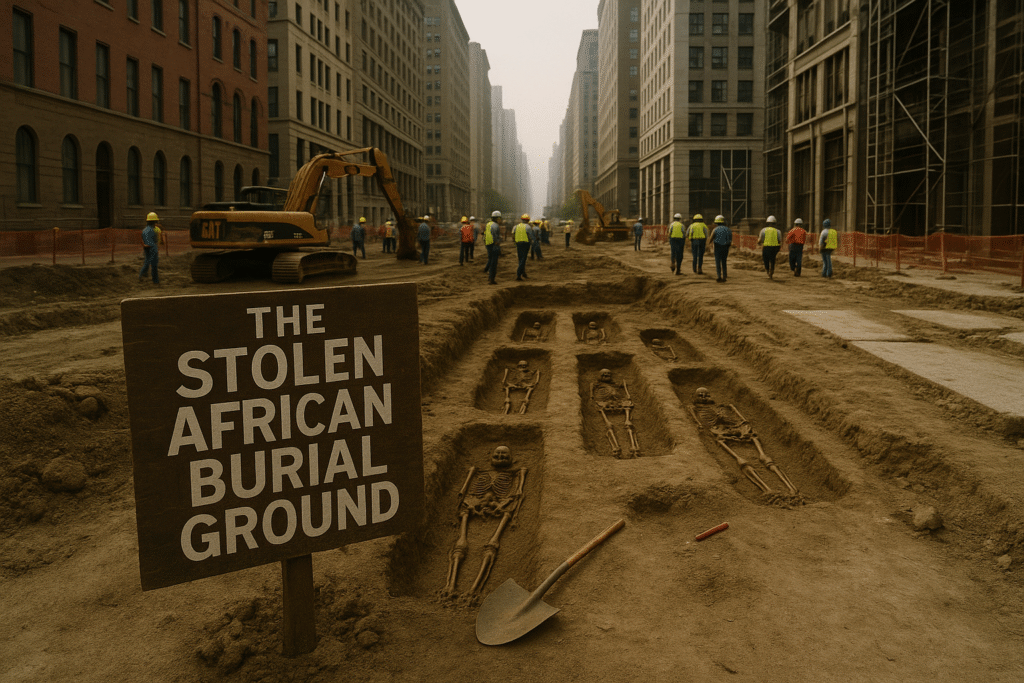
Introduction: The Discovery of the Burial Ground In the early 1990s, a remarkable event unfolded in Manhattan when construction crews unearthed a significant historical site: the African Burial Ground. Originally discovered during excavation for a skyscraper near Wall Street, the site was not only unexpected but also profound in its implications. As workers unearthed human remains and artifacts, it became clear that they had stumbled upon a burial ground that dated back to the 17th and 18th centuries, serving as the final resting place for an estimated 15,000 to 20,000 Africans and African Americans. This unexpected discovery triggered immediate responses from city officials, historians, and the community, highlighting the historical significance of the area. The African Burial Ground was established during a period when slavery was legal in New York, and it became a crucial space for the African community. The initial reactions to the discovery varied; some authorities aimed to proceed with construction plans, while others recognized the cultural and historical value of the site. Advocacy from community leaders and historians led to the halting of construction, allowing time for research and excavation. This pause highlighted a growing awareness of the need to respect and honor the site’s historical importance. As the excavation continued, archaeologists began to gather invaluable information about the lives, customs, and burial practices of those interred at the burial ground. The findings provided insights into the rich cultural tapestry of early New York, revealing stories of resilience and community that had long been overlooked. The site is now recognized not only as a burial ground but as a memorial to the contributions and struggles of African Americans throughout history. The discovery of the African Burial Ground marks a critical turning point in the recognition of New York’s diverse past and sets the stage for further exploration of its historical context. Historical Context: The Origins of the African Burial Ground The African Burial Ground in New York City holds profound historical significance, tracing its origins back to the 17th century during a period when enslaved Africans were forcibly brought to the region. This cemetery served as a crucial and poignant marker of the lives of thousands of Africans who lived and died in colonial New York. Initially, the area was designated as a burial site for those of African descent, contrasting sharply with the burial practices for white residents, which symbolized the stark social hierarchies of the era. During the late 1600s and into the 1700s, New York became a burgeoning center for the transatlantic slave trade. The city’s growing economy was heavily dependent on the labor of enslaved individuals, who were integral to the agricultural and domestic sectors. As a result, a significant population of Africans resided in the city, leading to the establishment of the African Burial Ground as a necessary means to provide a final resting place for the deceased. This cemetery reflected not just a physical space but a cultural recognition of the deceased, honoring their lives and traditions in the face of the systemic dehumanization they endured. The burial ground, covering approximately 6.6 acres, would eventually become the resting place for an estimated 15,000 to 20,000 individuals. This separate cemetery highlighted the racial divisions of the time, revealing how African Americans were relegated to specific social roles, including in death. The remains buried within this sacred ground serve as a testament to the rich, yet often painful, history of African and African American experiences in New York, encapsulating centuries of resilience and struggle amidst oppression. As we explore this historical context, it becomes necessary to acknowledge the collective memory that continues to resonate from this site, urging a deeper understanding of America’s complex past. The Rediscovery: An Overview of the Excavation In the early 1990s, a significant excavation effort took place in Lower Manhattan, prompted by construction activities that sought to erect a new government building. As workers began to dig, they unexpectedly unearthed human remains, which led to the discovery of the African Burial Ground, a historic grave site that had been long forgotten. This site, dating back to the 17th and 18th centuries, proved to be a vital link to understanding the lives and burial practices of enslaved Africans in colonial New York. The excavation process was complex and required a collaborative effort between construction crews, archaeologists, and historians. Initial findings included thousands of skeletal remains, along with artifacts such as ceramics, metal objects, and other personal belongings. These discoveries unveiled a rich tapestry of cultural heritage, revealing evidence of African traditions and customs. Archaeologists employed a range of methods during the excavation, including stratigraphic analysis and careful field mapping, to ensure that every detail of the site was documented properly. This rigorous process helped to preserve the integrity of the findings while allowing for a comprehensive analysis of the burial ground. Despite the excitement surrounding the discovery, the excavation faced challenges. The immediate tension between development and preservation raised critical concerns about respecting the heritage site and the individuals buried within it. Archaeologists had to navigate legal and ethical complexities, leading to discussions about how best to honor the memories of those interred. Moreover, the scale of the excavation expanded as further remains were uncovered, unveiling a startling number of graves. Ultimately, this revelation sparked a broader dialogue about the importance of acknowledging and preserving the history of marginalized communities in the face of modern development. The Significance of the Findings The discovery of the African Burial Ground in New York City marks an important archaeological milestone, revealing critical insights into the lives of enslaved Africans during the colonial period. This site, which served as a final resting place for thousands, has yielded a remarkable array of artifacts and remains that speak volumes about the social, cultural, and economic conditions faced by this marginalized community. The findings have significant implications for our understanding of African American history, challenging the prevailing narratives that often overlook or misrepresent the experiences of enslaved individuals. Among the artifacts uncovered are items