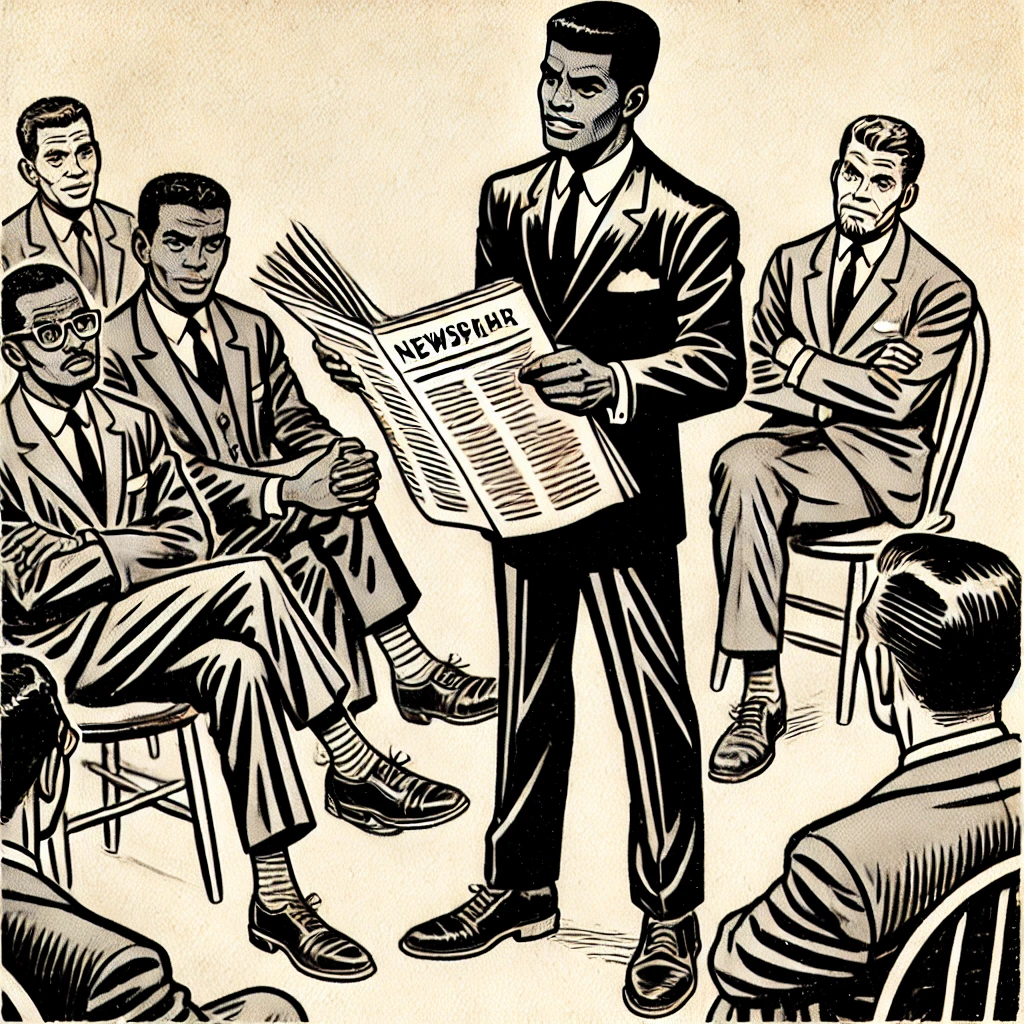
Forgotten Warriors: The Black Militias That Fought Back and Vanished from History
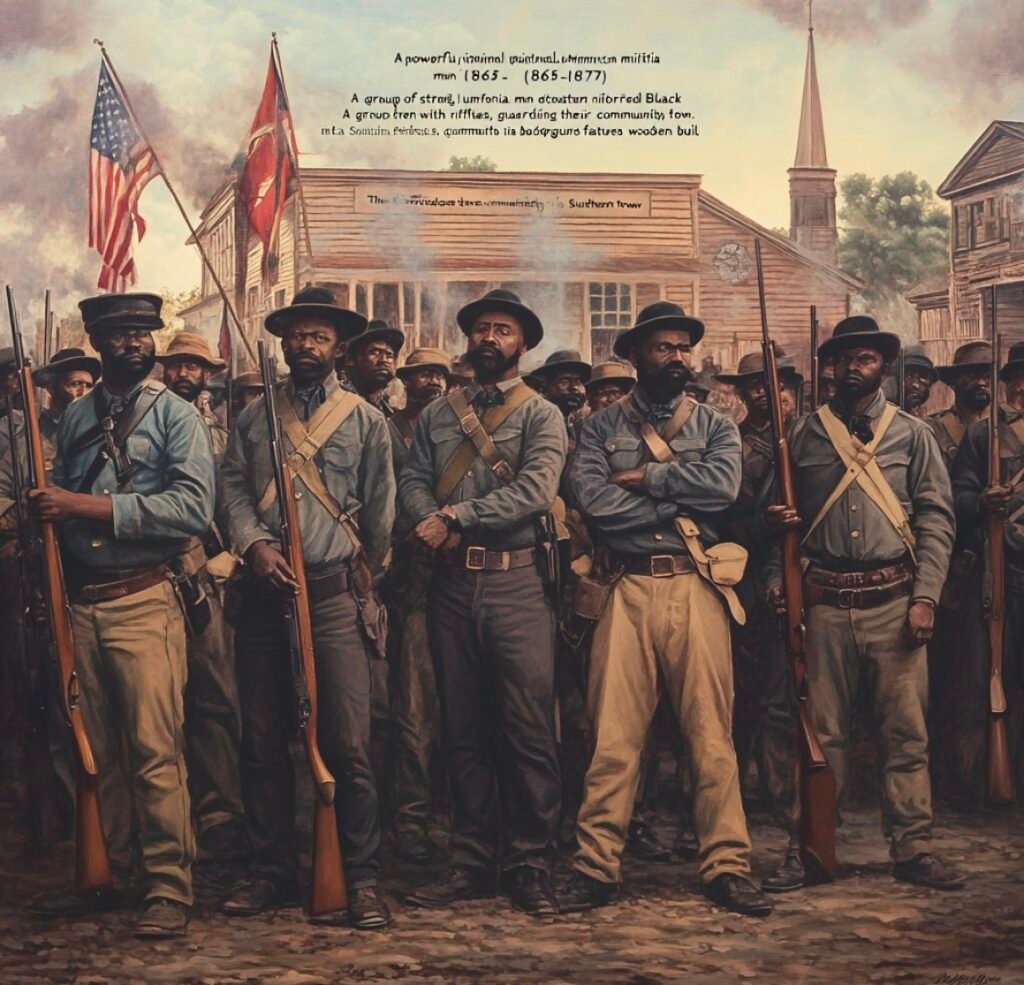
The Legacy of Enslavement and Resistance The history of slavery in America is marked by severe brutality and systemic oppression. Enslaved individuals experienced inhumane treatment, forced labor, and total subjugation in a society that dehumanized them. This oppressive framework was designed to quell any aspiration for liberation among African Americans. Nevertheless, the spirit of resistance was pervasive among enslaved people, manifesting in various forms throughout the history of slavery. These acts of defiance, ranging from subtle forms of resistance like work slowdowns and tool destruction to outright rebellions, reflected an undeniable quest for freedom and autonomy. One significant aspect of this resistance was the emergence of Black militias, which served dual purposes: they were both instruments of rebellion and protectors of the enslaved community. These militias were often formed in the aftermath of uprisings or in anticipation of violent reprisals from slave owners. They provided a means for African Americans to defend their families and communities against potential threats, showcasing a proactive response to systemic violence. Furthermore, these groups contributed to the gradual empowerment of enslaved individuals, as they took up arms to fight back against their oppressors, signaling a crucial shift in their narrative. The period following emancipation saw the continuation of this legacy, as newly freed African Americans sought to protect their hard-won rights and ensure their survival in a society that still harbored racial animus. Black militias again became essential, as they provided necessary support in the face of growing tensions and violence during Reconstruction. The functions of these groups extended beyond mere defense; they were crucial in providing leadership and fostering a sense of unity among African Americans navigating a challenging post-slavery landscape. Thus, the story of these militias intertwines with the broader narrative of resistance and resilience in African American history, forming an integral chapter that deserves recognition in the annals of America’s past. The Rise of Black Militias Post-Emancipation Following the Emancipation Proclamation and the conclusion of the Civil War, African Americans began to mobilize to defend their newly acquired rights and communities. The Reconstruction era, marked by profound changes and conflict, saw the formation of numerous black militias across the Southern United States. These armed groups emerged not only as a response to the ongoing threats from white supremacist organizations such as the Ku Klux Klan, but also as a means for African Americans to assert their autonomy and power in a society that largely sought to suppress them. The establishment of black militias was pivotal during this time, as they provided protection for African American families and communities. Notable militias, including the Louisiana Native Guards and the Union League, became instrumental in organizing their members for defense. These groups were often composed of formerly enslaved men who had served in the Union Army and were accustomed to the realities of combat. Their military training equipped them to confront racial terrorism effectively. Black militias not only took on the role of protectors but also became symbols of hope and resistance against systematic oppression. They participated in numerous confrontations aimed at deterring violent acts perpetrated by white supremacists. However, their activities often led to tensions with government authorities, particularly as black militias began to assert their right to self-defense. The tension between these armed groups and the state was amplified by the federal government’s hesitance to adequately support African Americans’ right to bear arms. As these militias gained prominence, their existence challenged the prevailing narrative of racial superiority and sought to redefine the social order in favor of equity and justice. However, the eventual decline of black militias came about as the Reconstruction era waned, and the violent backlash against African Americans undermined these efforts. The legacy of these black militias remains a critical part of understanding this tumultuous period in American history. Forgotten Heroes: The Erasure of Black Militias from History The history of black militias in America is a testimony to the resilience and agency of black communities during times of oppression. However, these contributions have often been systematically erased from mainstream historical narratives. This omission is not merely a result of oversight; it reflects a broader cultural amnesia that has permeated the documentation of American history. The reasons for this erasure are multifaceted, encompassing societal biases, the prioritization of narratives centered on dominant groups, and a reluctance to acknowledge the complex roles that black militias played in shaping resistance and autonomy. Historically, black militias emerged as essential defenders of their communities, stepping in where institutional protections were absent. From the early colonial period through the Civil War and beyond, these groups actively engaged in both local and larger conflicts, often under dire conditions. Yet, contemporary accounts frequently neglect their pivotal roles, focusing instead on the contributions of white militias or official military forces. This imbalance creates a distortion in our understanding of American resistance movements, which are often portrayed as singular narratives centered on whiteness. Such a portrayal not only diminishes the contributions of black militias but also fosters a limited perspective on America’s racial history. The implications of this erasure extend beyond historical narratives; they impact contemporary discussions about race, identity, and power dynamics. By undervaluing the historic role of black militias, mainstream history often undermines the very essence of black resilience. Reclaiming these stories is essential—not only to provide a more accurate representation of the past but also to celebrate the strength and agency of black communities that have consistently fought for their rights and freedoms. As we delve deeper into these forgotten accounts, we can begin to rectify the historical imbalances and acknowledge the vital contributions of black militias to America’s ongoing struggle for justice and equity. Reviving the Narrative: The Need for Recognition and Education The history of black militias is rich and often overlooked, encompassing stories of resistance, bravery, and agency during some of the most turbulent times in American history. Recognizing these narratives is essential not only for honoring the individuals who fought valiantly for their rights and freedoms but also for educating future