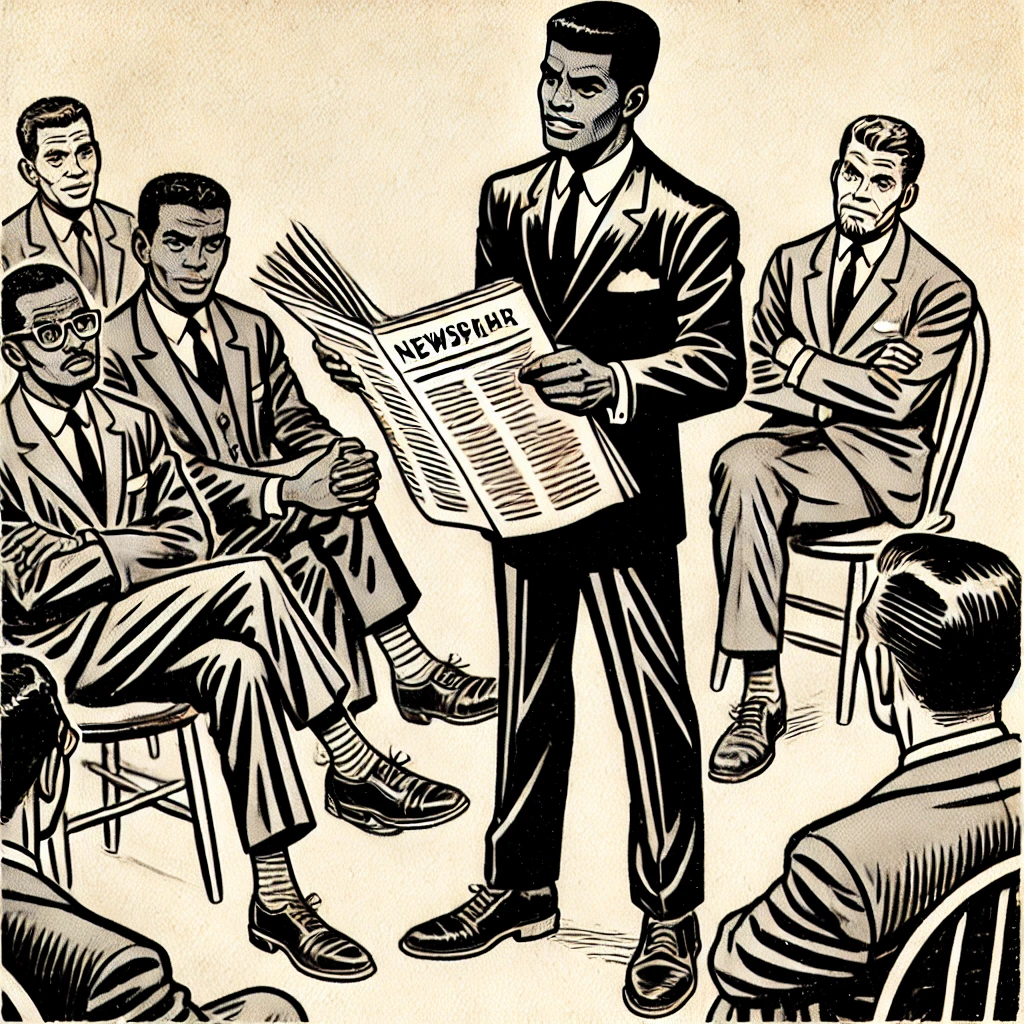
The Significance of December 19, 1865: A Pivotal Moment in Black History
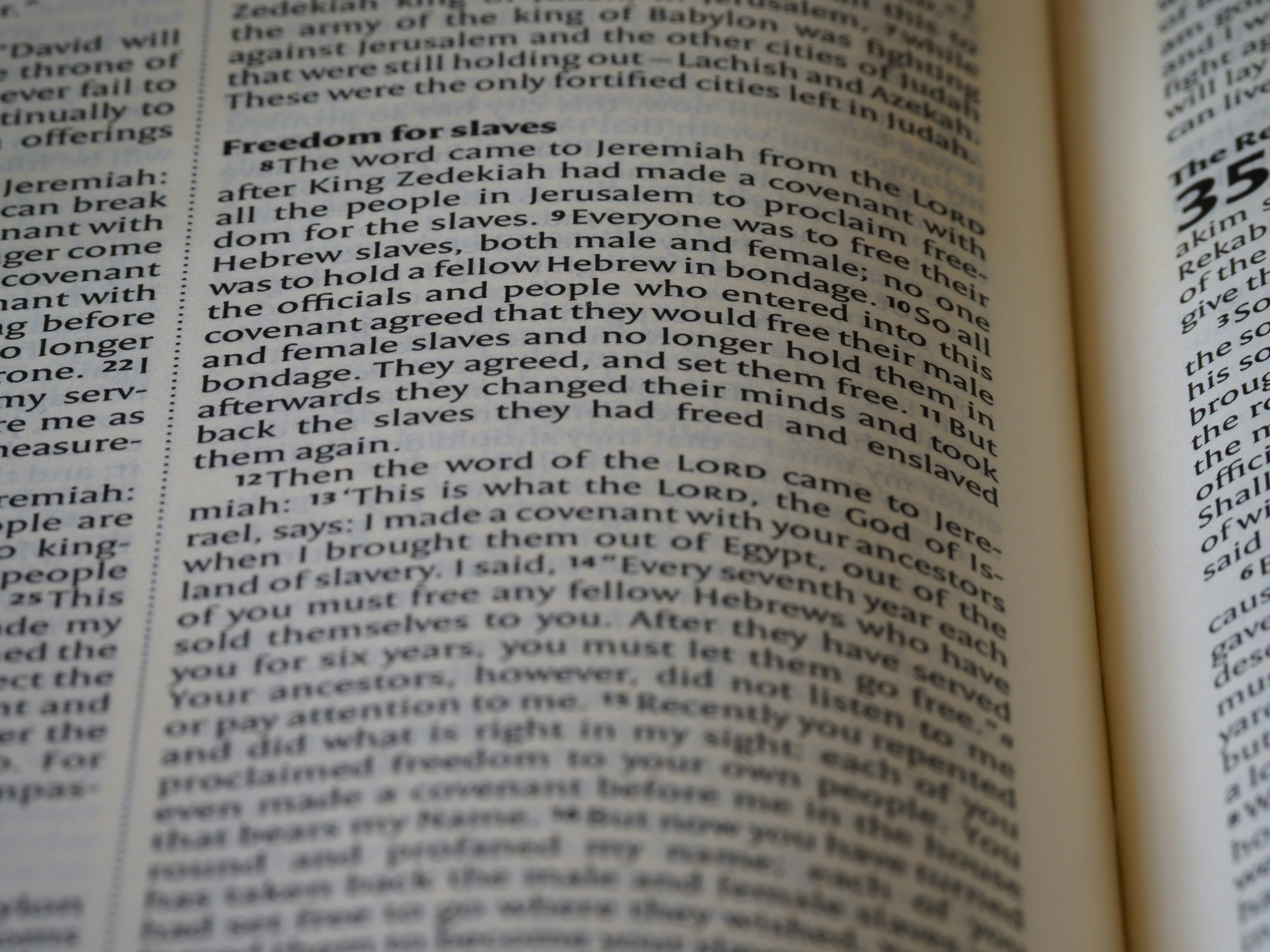
Understanding the 13th Amendment The 13th Amendment, ratified on December 6, 1865, represents a critical juncture in American history, particularly in the advancement of civil rights for African Americans. It abolished slavery and involuntary servitude, except as punishment for a crime, thereby laying the groundwork for future legislative and social reforms aimed at achieving equality. The Amendment’s roots can be traced back to the broader context of the Civil War, where the fight against the Confederacy was also a fight against the institution of slavery itself. The passage of the 13th Amendment was championed by numerous abolitionists, politicians, and leaders of the Union. Key figures such as President Abraham Lincoln played a pivotal role, utilizing his influence to promote emancipation as a war measure. During the war, the moral imperative to end slavery gained traction, causing a significant shift in public opinion. This advocacy was set against a backdrop of intense political strife, as various factions within Congress debated the future of the Union and the fate of millions of enslaved individuals. The political climate of the time was marked by a struggle for power between pro-slavery and anti-slavery factions. The Republican Party, having emerged from the abolitionist movement, found its platform centered around the idea of freedom for all individuals. The Civil War solidified the urgency for the passage of the 13th Amendment, as the Union victory prompted discussions about the reconstruction of the nation and the status of freed slaves. Ultimately, the amendment’s ratification marked a significant change in the constitutional fabric of the United States, signaling a new era in which African Americans could begin to claim their rights as free citizens. The Implications of Freedom without Economic Power The abolition of slavery in 1865 marked a significant milestone in American history, ushering in a new era of freedom for African Americans. However, this newfound freedom often came with the harsh reality of economic disenfranchisement. While individuals were freed from the shackles of bondage, they were not provided with the resources or opportunities necessary to thrive in a competitive economy. The transition from slavery to freedom did not automatically translate into equality, particularly in terms of economic power. Many newly freed African Americans found themselves without land, capital, or education, which severely limited their ability to achieve financial independence. The promise of land grants and economic support was largely unmet, leaving them to navigate a landscape marred by systemic barriers. The practice of sharecropping emerged as a dubious solution, perpetuating a cycle of debt and poverty. In this system, African Americans would rent land from white landowners in exchange for a share of the crop, often leading to exploitation and barely subsistence living. Moreover, labor exploitation was rampant, as many freed individuals were relegated to low-paying jobs that offered no room for advancement. Economic opportunities were scarce, as racial discrimination restricted access to skilled employment and education. Such circumstances perpetuated economic disparities that would haunt Black communities for generations. Without access to economic resources, the struggle for true freedom continued, affecting the social fabric and future prospects of African Americans. This intersection of freedom with economic power underscores an essential understanding of Black history, highlighting the ongoing challenges faced by these communities in their pursuit of equality. Legacy of the 13th Amendment in Modern America The passage of the 13th Amendment on December 6, 1865, marked a significant turning point in American history by signaling the formal abolition of slavery. However, the legacy of this pivotal amendment extends far beyond its initial intent, as it continues to influence discussions on racial inequality and social justice in contemporary society. While the formal institution of slavery ended, various systemic issues, such as mass incarceration and economic disparities, have arisen that disproportionately affect African Americans. Mass incarceration has emerged as a leading concern in discussions surrounding the 13th Amendment. Many advocates argue that although the amendment abolished slavery, it inadvertently allowed for a new form of servitude through prison labor. The current penal system, with its disproportionate representation of Black individuals, raises critical questions about the true nature of freedom. Activists cite the over-policing of African American communities and harsh sentencing laws as modern manifestations of racial discrimination that demand attention and reform. In addition to incarceration, economic empowerment remains a significant challenge for African Americans. Despite legal advancements since the 13th Amendment, there are ongoing disparities in wealth and employment opportunities. Efforts to address these disparities, such as advocating for fair hiring practices and equitable access to education, are essential steps towards achieving true equality. Grassroots movements led by organizations focused on civil rights, such as Black Lives Matter, have emerged in response to these challenges, further emphasizing the need for systemic change. In examining the enduring legacy of the 13th Amendment, it is clear that the fight for freedom and equality for African Americans is far from complete. Historical and contemporary issues intersect to create a complex landscape that requires continued advocacy and policy reform to ensure that the promise of the 13th Amendment is fully realized. Only through persistent efforts can the ideals of freedom and equality be truly achieved for all citizens. Commemoration and Reflection on December 19 December 19, 1865, marks a significant turning point in Black history, representing a time when African Americans began to gain momentum in their fight for freedom and equality. This date is not only a historical milestone but also serves as a reminder of the ongoing struggles faced by Black communities. In the years since, various educational initiatives have been instituted to ensure that this pivotal moment is recognized and remembered. Schools, colleges, and community organizations often host events on this day to foster awareness and understanding of its importance. Black leaders and movements play a crucial role in advocating for economic justice, promoting the significance of this date as a cornerstone of freedom. These leaders often remind us that the fight for equality extends beyond the abolition of slavery, encompassing various facets of social justice, including access
Cleopatra VII: The Wealthiest Queen Rome Ever Feared
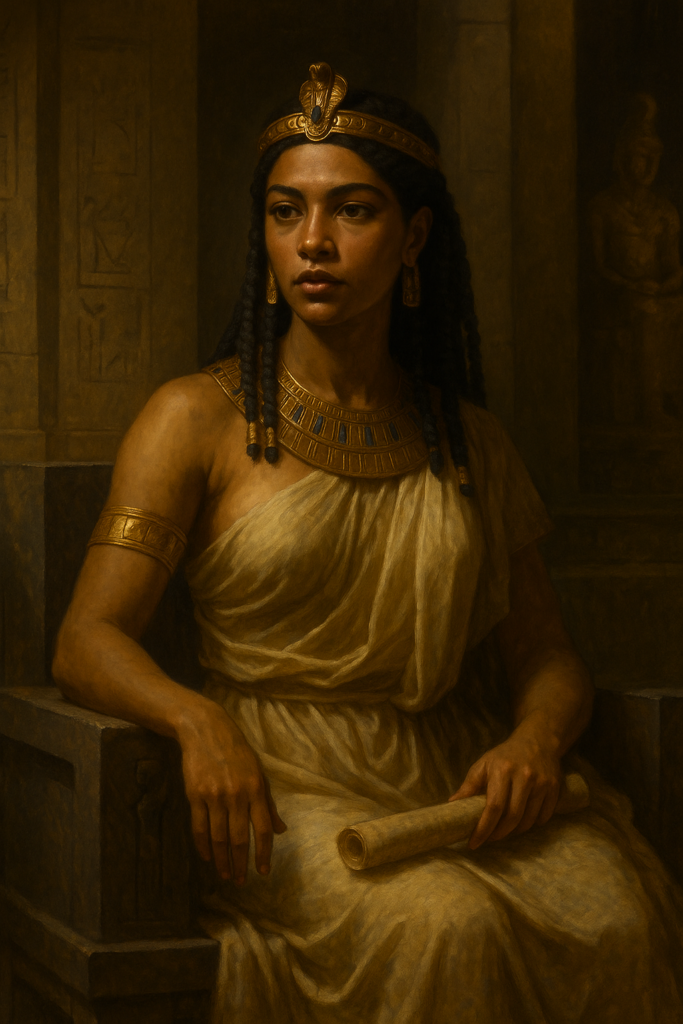
History remembers Cleopatra VII as a lover, a seductress, a woman whose power supposedly came from beauty and manipulation. That version of her story is convenient. It’s also a lie. Cleopatra VII was not dangerous because of romance. She was dangerous because she controlled one of the richest economies on Earth at the exact moment Rome was starving for resources, legitimacy, and money. Empires do not smear women they consider harmless. They rewrite the stories of rulers who threaten them. When Cleopatra took the throne of Egypt in 51 BCE, she inherited more than a crown. She inherited an economic machine that had fed civilizations for centuries. Egypt was not simply a kingdom; it was the financial backbone of the Mediterranean world. Its grain fields along the Nile supplied food to Rome’s swelling population. Its ports controlled trade routes between Africa, the Middle East, and Europe. Its treasuries held gold, silver, and state reserves accumulated over generations. Cleopatra did not stumble into power. She was trained from childhood to manage it. Unlike many rulers of her era, Cleopatra spoke multiple languages fluently, including Egyptian, Greek, and Latin. This was not a cultural flex; it was a strategic weapon. She could negotiate directly with merchants, diplomats, and military leaders without translators who diluted meaning or leaked information. She understood trade, taxation, logistics, and statecraft. Cleopatra ruled Egypt not as a figurehead but as a chief executive of a sovereign economic power. Rome, by contrast, was drowning in ambition and debt. Its military campaigns were expensive. Its political elite fought constantly for dominance. Its population depended heavily on Egyptian grain to avoid famine and unrest. Cleopatra knew this. She understood leverage better than most men who sat in the Roman Senate. Control the food, and you control the empire that eats it. When Julius Caesar entered her story, it was not romance that drew Cleopatra to him; it was survival and strategy. Egypt faced internal power struggles and Roman interference. Aligning with Caesar stabilized her throne and protected Egypt’s autonomy. In return, Rome gained access to Egypt’s resources under negotiated terms rather than outright conquest. Cleopatra used diplomacy to buy time, preserve sovereignty, and keep Egypt independent in a world where Rome swallowed kingdoms whole. After Caesar’s assassination, Cleopatra aligned with Mark Antony, not as a love-struck queen but as a ruler securing military protection and political balance. Together they controlled enormous territory, trade routes, and naval power. At their height, Cleopatra and Antony governed lands that rivaled Rome’s influence. This was not scandal; it was geopolitics. Rome did not panic because Cleopatra was charming. Rome panicked because she was effective. What followed was not merely a military conflict but a propaganda war. Octavian, later known as Augustus, understood that Rome could not admit it feared a foreign Black queen who commanded wealth, loyalty, and economic leverage. So he reframed the narrative. Cleopatra became painted as immoral, manipulative, and decadent. Antony was portrayed as weak and corrupted by foreign influence. This narrative justified Rome’s aggression and masked the truth: Rome crushed Egypt not to save morality, but to seize resources. After Cleopatra’s death, Egypt was absorbed into the Roman Empire. Its treasuries were looted. Its grain supply was nationalized for Rome’s benefit. The wealth Cleopatra once controlled now fed Roman dominance for generations. And just like that, history shifted its tone. Cleopatra’s intelligence was erased. Her financial mastery was ignored. Her leadership was reduced to gossip. But facts do not disappear simply because empires prefer myths. Cleopatra VII ruled one of the richest states in human history. She controlled food, trade, gold, language, and diplomacy with precision. She understood that power is not loud; it is organized. And that is why Rome destroyed her image after destroying her kingdom. They could defeat her militarily, but they could not allow future generations to understand what she truly represented: a sovereign ruler who proved that wealth, intelligence, and strategy are far more threatening than swords. Cleopatra’s legacy is not romance. It is a lesson. Those who control resources shape the world, and those who challenge empires rarely get fair biographies. History often belongs to the victors, but wealth always leaves a trail. And if you follow the money, the grain, and the power, you find Cleopatra VII exactly where Rome feared her most — at the center of the economic world. ❤️ Support Independent Black Media Black Dollar & Culture is 100% reader-powered — no corporate sponsors, just truth, history, and the pursuit of generational wealth. Every article you read helps keep these stories alive — stories they tried to erase and lessons they never wanted us to learn. Focus Keyphrase: Cleopatra VII wealth and power Slug: cleopatra-vii-wealth-power-rome Meta Description: Cleopatra VII was not just a queen but a powerful economic strategist who controlled Egypt’s wealth, trade, and grain supply—making her one of the most feared rulers Rome ever faced.
The 13 Buffalo Soldiers of the Houston Riot- A Dark Chapter in Black U.S. Military History

When the sun rose over Houston, Texas, on August 23, 1917, the Black soldiers of the 24th Infantry Regiment—men known with pride as Buffalo Soldiers—had already endured weeks of verbal abuse, beatings, threats, and relentless harassment by the city’s police force. These men were veterans, disciplined and decorated, trained to protect the nation overseas, yet they found themselves unprotected on American soil. Stationed in a Jim Crow city that treated Black people with open hostility, they faced a constant barrage of violence from officers who saw their uniforms not as symbols of honor, but as targets. On this day in Black History—December 11—we revisit the darkest moment that followed: the mass execution of thirteen of these soldiers after the Houston Riot of 1917, the largest mass execution of American troops in U.S. history and a chilling example of justice denied. The tension started long before the riot. Houston police would beat Black soldiers for walking on the wrong sidewalk, arrest them without cause, and assault Black women in front of them. One afternoon, police violently attacked a Black woman in the neighborhood. When a soldier stepped in to defend her, he was beaten and arrested. Later that same day, a Black military policeman was assaulted, shot at, and jailed when he tried to investigate the incident. Rumors spread through the camp that he had been killed. Fear mixed with anger, creating a storm no one could stop. Chaos erupted when soldiers, believing their comrade dead and fearing an imminent white mob attack, armed themselves to protect one another. Shots were fired in the dark. Panic ruled the city. When the smoke cleared, the Army responded not with investigation or fairness, but with swift punishment meant to appease Houston’s white leadership. Nearly 150 Black soldiers were rounded up and put on trial. They faced an all-white panel of officers, no legal representation, and no true chance to defend themselves. Witnesses contradicted one another, evidence was missing, and many of the accused had never even fired a weapon. Yet the verdict came with chilling speed: death. On December 11, 1917, before sunrise, thirteen Black soldiers were marched to a gallows built overnight. They sang hymns as they walked. Some prayed. Others looked to the sky. All maintained their innocence. Hooded and bound, they died as martyrs of a nation that demanded their loyalty but denied them dignity. For decades, this story was buried—quieted in textbooks, ignored by military historians, and dismissed as a “riot” rather than the desperate reaction of men cornered by racial terror. But as scholars revisited the case, the truth resurfaced: the trials were fundamentally unfair, the soldiers denied constitutional rights, and the rush to execution was driven by racism, pressure, and fear. The Army kept their graves unmarked for 70 years. It wasn’t until recent decades that their names were restored and their innocence acknowledged, marking a slow but powerful correction in history. These men were not criminals—they were victims of a system designed to break them. Yet this moment also revealed something deeper about Black resilience in America. Even after witnessing blatant injustice, Black troops continued to serve in World War I, World War II, Korea, Vietnam, and beyond. They fought for a country that didn’t fight for them because they believed in a future where freedom would eventually match the ideals written on paper. The story of the 13 Buffalo Soldiers forces us to face an uncomfortable truth: America has often punished its most loyal defenders when those defenders were Black. But remembering their names, their courage, and their sacrifice becomes an act of reclamation. It is a reminder that our history is not defined by oppression alone, but by the unstoppable determination of a people who refused to disappear. Today, we honor the thirteen men who walked to the gallows with dignity and faith, believing that someday the truth would set them free. Today, that truth is spoken aloud. ❤️ Support Independent Black MediaBlack Dollar & Culture is 100% reader-powered — no corporate sponsors, just truth, history, and the pursuit of generational wealth.Every article you read helps keep these stories alive — stories they tried to erase and lessons they never wanted us to learn. #BlackHistory #TodayInBlackHistory #BuffaloSoldiers #HoustonRiot1917 #24thInfantry #MilitaryInjustice #BlackHeroes #AmericanHistory #HiddenHistory #BlackDollarAndCulture #BDCHistory Keyphrase: Buffalo Soldiers Houston RiotSlug: buffalo-soldiers-houston-riot-december-11Meta Description: On December 11, 1917, thirteen Black Buffalo Soldiers were executed after an unjust trial following the Houston Riot. This long-form BD&C narrative reveals their true story, their courage, and America’s harshest military injustice. Most Americans never learned this story—but on December 11, thirteen Black soldiers were executed in silence after one of the most unjust trials in U.S. history. Click to uncover the truth.
Homer Plessy: The Wealthy Creole Businessman Who Changed American History

Early Life of Homer Plessy Homer Plessy was born in 1862 in New Orleans, Louisiana, into a wealthy Creole family, which significantly influenced his upbringing and worldview. The Creole culture was characterized by a complex identity that blended French, Spanish, African, and Native American heritages. This rich cultural background provided Plessy with an education and social standing that distinguished him within the racially stratified society of 19th-century America. His family was part of a relatively prosperous class of free people of color, many of whom owned businesses, property, and had access to better educational opportunities compared to their enslaved counterparts. This socio-economic advantage played a crucial role in shaping Plessy’s perspectives on civil rights and social justice. Plessy received a solid education, which was rare for African Americans during that era. He attended the prestigious Primary School of the Society of Saint Augustine, a school recognized for educating children from Creole families. His educational background afforded him not only academic knowledge but also an understanding of advanced societal structures. Plessy’s early life experiences cultivated a strong sense of identity and an appreciation for his Creole heritage, where family values and community ties were held in high regard. As he grew older, Plessy became increasingly aware of the injustices faced by African Americans, including the discriminatory laws that sought to segregate and marginalize people of color. This awareness ignited a desire within him to advocate for civil rights, reflecting the values ingrained in him from his family background. The legacy of his upbringing within the affluent Creole class positioned him uniquely to challenge the status quo. This combination of socio-economic privilege and a deep-rooted sense of justice would later manifest in his pivotal role in the landmark legal case that would redefine civil rights in America. Plessy’s Business Ventures Homer Plessy was not only a prominent figure in the civil rights movement but also a successful businessman in post-Reconstruction America. His entrepreneurial spirit propelled him into various industries, allowing him to navigate the complex economic landscape of the late 19th century Louisiana. Plessy’s ventures primarily revolved around property management and real estate, wherein he recognized the potential for profit amidst the growing urbanization of New Orleans. One of Plessy’s notable achievements was his involvement in a mixed-color cooperative association that aimed to empower Creole and African American residents. This association provided critical support in terms of resources and infrastructure, aiding local entrepreneurs in establishing businesses that could compete with those owned by white citizens. Through this initiative, Plessy fostered a sense of community and mutual aid, reflecting his commitment to supporting those who shared similar racial backgrounds. Moreover, Plessy’s economic pursuits operated within a unique context, as the local economy was marked by significant racial barriers and discrimination in commerce. His successes offered him a vantage point from which he could directly confront the inequities faced by marginalized communities. The wealth accumulated through his business ventures afforded him a level of social capital, enabling him to challenge the prevailing social norms and engage more actively in the fight against segregation and injustice. As a wealthy Creole businessman, Plessy was acutely aware of the race relations that shaped the environment around him. The intersection of his wealth, status, and profound understanding of the systemic issues in society prompted him to leverage his resources towards advocating for social change. This combination of business acumen and commitment to activism ultimately led Plessy to become a key figure in the landmark case, Plessy v. Ferguson, which would have a lasting impact on American history. The Landmark Case: Plessy v. Ferguson The landmark Supreme Court case, Plessy v. Ferguson, emerged from an incident that took place in 1896, involving Homer Plessy, a wealthy Creole businessman. The case was a rebellion against the entrenched system of racial segregation that was prevalent in the United States, particularly in the Southern states. Plessy, who was of mixed race and identified as Black, deliberately violated Louisiana’s segregation laws by sitting in a “whites-only” railway car. This act of defiance led to his arrest and set the stage for a pivotal legal challenge. Plessy’s legal team argued that the segregation enforced by the law violated the Thirteenth and Fourteenth Amendments of the U.S. Constitution, which abolish slavery and guarantee equal protection under the law, respectively. The defense posited that the law enforced a social stigma that perpetuated the discrimination against people of color. In stark contrast, the state argued that segregation was constitutional as it maintained public order and reflected societal norms regarding race. The case was pivotal as it delved into the complexities surrounding racial identity, questioning the legal definitions and implications of being classified as Black or white in America. The Supreme Court ultimately ruled against Plessy in a 7-1 decision, establishing the doctrine of “separate but equal.” This ruling legitimized state-sponsored racial discrimination and laid the groundwork for decades of systemic segregation. The decision had far-reaching implications for the Civil Rights Movement, galvanizing activists to challenge the legal underpinnings of racial inequality. Plessy’s role as a plaintiff was crucial in this historical context, presenting a vivid illustration of the contradictions inherent in a society that claimed to uphold the principles of freedom and equality while simultaneously enforcing discriminatory laws. Legacy of Homer Plessy Homer Plessy, a wealthy Creole businessman, played a crucial role in reshaping the landscape of civil rights in the United States, and his legacy continues to resonate to this day. His courageous act of defiance against racial segregation on public transportation culminated in the landmark Supreme Court case of Plessy v. Ferguson in 1896. Though the court ruled in favor of the “separate but equal” doctrine, which upheld state-sanctioned segregation, Plessy’s actions sparked a wave of activism that would challenge this unjust status quo over the ensuing decades. Plessy’s legacy is not solely defined by the court ruling; rather, it serves as a potent symbol of the ongoing struggle for civil rights and social justice. After his case, activists who followed in his footsteps
Jean-Jacques Dessalines: The Warrior Who Broke the Chains of Haiti
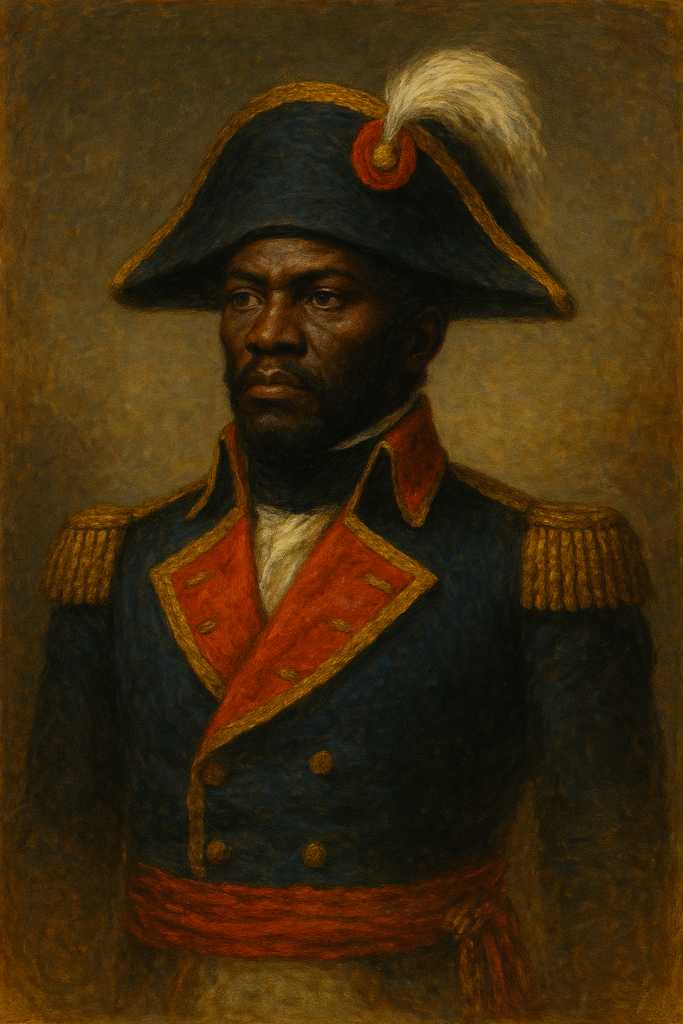
They tried to erase him. They tried to bury his name beneath the rubble of a revolution that terrified every white empire on Earth. But history has a way of remembering the men who refused to kneel—men who rose from unthinkable suffering and reshaped the world with their bare hands. Jean-Jacques Dessalines was one of them. Born enslaved in Saint-Domingue, beaten, branded, and treated as less than human, he would one day become the man who shattered the greatest military force of his era and built the first free Black republic in the Western Hemisphere. His story does not begin in triumph—it begins in chains. Yet every chain became a lesson, every scar a reminder, every act of cruelty a spark. By the time Dessalines grew into adulthood, he was carved into a weapon—unyielding, brilliant, and unwavering in his hatred of oppression. When the Haitian Revolution erupted, the world met a general unlike any other. Dessalines fought with a fury fueled by generations of suffering, but behind that fury was precision, strategy, and a deep understanding of battlegrounds where enslaved Africans had been forced to toil. He knew the terrain. He knew the people. And he knew the cost of failure. Under Toussaint Louverture, he became the sharpest blade of the revolution. But when Toussaint was kidnapped by the French—betrayed and shipped to die in a cold European prison—Dessalines stepped forward to confront the full weight of Napoleon’s army. France expected obedience. Dessalines gave them fire. With brilliant guerrilla tactics, scorched-earth strategies, and an unbreakable will, he broke the French military machine piece by piece. Soldiers trained under Europe’s finest generals fell at the hands of farmers, field workers, mothers, and sons led by a man who refused to let Haiti return to bondage. And when Napoleon’s forces were finally crushed, Dessalines did what no enslaved nation had ever done: he declared Haiti free—permanently, irrevocably, unapologetically. On January 1, 1804, he proclaimed the world’s first Black republic and renamed the land “Haiti” in honor of its Indigenous roots. But freedom was not symbolic to Dessalines. It was a blood oath. He wrote into law that no foreign power would ever again enslave the people of Haiti. He built a nation designed to protect Black sovereignty at all costs. Yet power paints targets, and Dessalines’ own people, influenced by internal tensions and foreign manipulation, turned against him. He was assassinated in 1806, his body mutilated by those who feared the force of his convictions. But empires trembled long after he was gone. Haiti’s victory inspired uprisings in Jamaica, rebellions in the American South, and fear across Europe’s slaveholding economies. The United States refused to recognize Haiti for 60 years—because Dessalines had proven that the enslaved could overthrow their masters. His name was whispered, distorted, and buried in history books written by the descendants of those he defeated. But today, his truth rises. Jean-Jacques Dessalines was not simply a revolutionary—he was the architect of Black liberation in the Americas, the warrior who shattered the myth of white invincibility, and the man who proved that the fight for freedom begins the moment someone decides they are no longer a slave in their spirit. Haiti stands today because of him. And every struggle for Black freedom echoes his name, whether the world admits it or not. #BlackHistory #Haiti #JeanJacquesDessalines #HaitianRevolution #BDandC #BlackLiberation #HiddenHistory #AfricanDiaspora #BlackExcellence #UntoldStories 🔑 Keyphrase Jean-Jacques Dessalines Haitian Revolution story 🔗 Slug jean-jacques-dessalines-warrior-who-broke-the-chains-of-haiti 📝 Meta Description Discover the powerful story of Jean-Jacques Dessalines, the revolutionary general who defeated Napoleon’s army and built the first free Black republic in the Western Hemisphere.
The Vision of Fred Hampton — December 4 Reflection
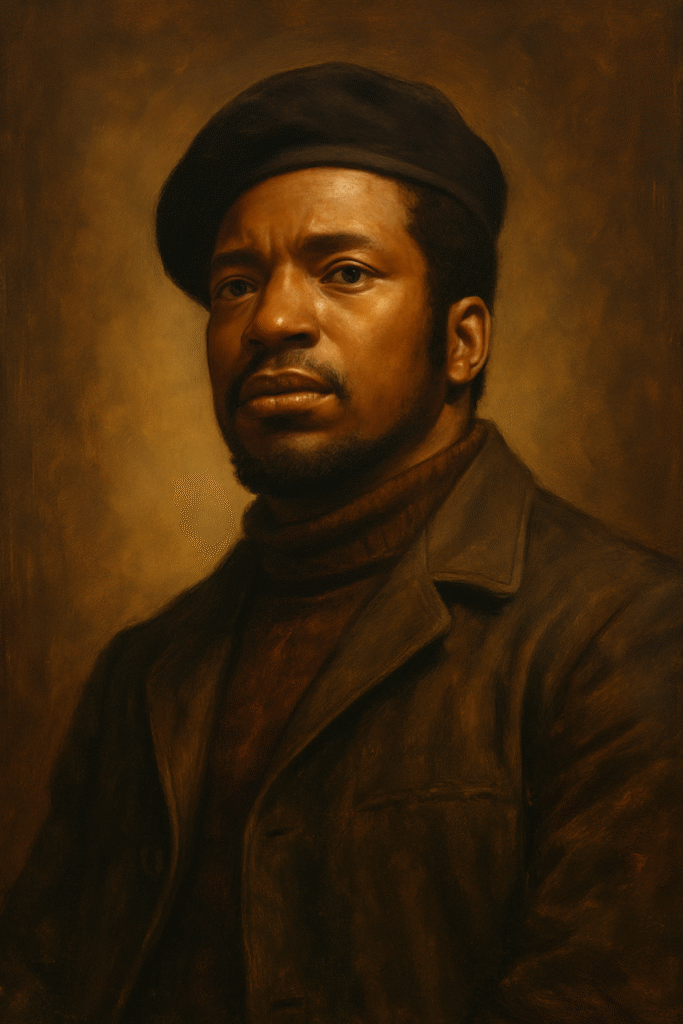
On December 4th, we pause to honor a man whose clarity, conviction, and courage made him one of the most important voices of the 20th century. Fred Hampton did not lead with fear; he led with vision — a vision so bold and so rooted in community power that even at twenty-one, he was shaping movements far bigger than himself. When Fred Hampton spoke, he didn’t just speak to Black people — he spoke to the poor, the working class, the overlooked, and the underserved. He had the unique ability to cut through race and status and remind everyone that they shared a common struggle: the fight for dignity. Hampton believed in unity at a level America was not ready to accept. He formed the Rainbow Coalition, bringing together Black, Latino, and poor white organizations under one mission: economic justice and political empowerment. He understood that racism and poverty were tools — tools used to divide people who, if united, could shift the balance of power forever. His message was dangerous only to those who depended on division to maintain control. But Fred Hampton’s brilliance wasn’t limited to speeches or ideology. He turned vision into action. Under his leadership, the Chicago Black Panther Party fed thousands of children through free breakfast programs, offered free healthcare, created community education centers, and built systems of support the city itself failed to provide. These weren’t charity efforts — they were acts of empowerment. They taught people that they deserved better, and that they had the power to build it themselves. And maybe that was the most radical thing about Fred Hampton: he made people believe again. Believe in themselves, believe in each other, believe in their communities, and believe that a new world was not just possible, but necessary. Hampton’s ability to inspire wasn’t built on fear, hate, or anger. It was built on love — revolutionary love. A love that demanded dignity. A love that expected accountability. A love that told Black people, “You are worth more than the world has ever allowed you to believe.” December 4th is not only a reminder of the day he was taken from us — it is a reminder of the vision he left behind. A vision that stretched beyond politics and protests into the everyday lives of ordinary people. A vision that continues to ripple through modern movements, community programs, and grassroots organizing. A vision built on unity, compassion, and collective strength. Fred Hampton’s life teaches us that real leadership doesn’t wait for permission. It rises when the people need it. It sacrifices when the community calls. And though his time was short, his impact is eternal. His voice still echoes in our conversations about justice. His ideas still guide our understanding of community power. His legacy still challenges us to imagine more, build more, and unify more. On this December 4th, as we reflect on Fred Hampton’s life, we honor not just the tragedy of his passing but the brilliance of his vision — a vision still alive, still urgent, and still calling us higher. #BlackHistory #FredHampton #PantherLegacy #RevolutionaryLove #BlackDollarAndCulture Fred Hampton wasn’t just a leader — he was a vision in motion. And on December 4, we honor the ideas that shook America and continue to inspire generations.
Today in History: Marcus Garvey’s “Redemption Day”
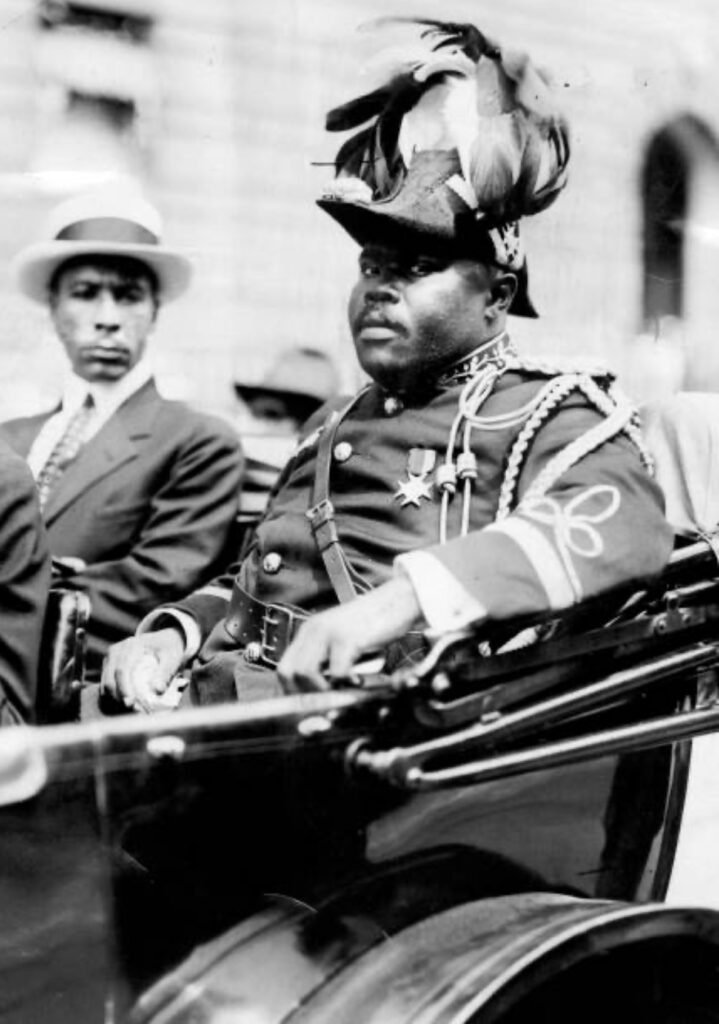
Before the world had microphones, viral videos, or social media movements, there was a single Black man standing on a wooden platform in Harlem, speaking with a voice so powerful it traveled across oceans. On this day, Marcus Mosiah Garvey delivered what the world would come to know as his “Redemption” message — a fiery call for Black people everywhere to reclaim their identity, their unity, and their global destiny. It wasn’t just a speech. For millions across the African diaspora, it was the sound of awakening. Garvey spoke at a time when Black people were told to shrink, to remain invisible, to believe they were powerless. Yet here he was — a man from Jamaica, standing in the heart of America, declaring boldly that Black people were heirs of empires, not the ruins left behind. His voice carried the weight of ancestors, and his words lifted the heads of people taught never to look themselves in the mirror with pride. “Redemption,” he said, “means rising from the ruins. It means rebuilding the greatness that was taken from us.” And when he said it, it was as if he was speaking not to one crowd, but to every Black person scattered across continents and time zones. In those days, Harlem overflowed with Garvey supporters — men, women, children, workers fresh from the docks, West Indian immigrants, African-Americans weary from Jim Crow, and Africans watching colonial nations carve up their homeland. They gathered in streets, halls, and balconies just to hear this man who dared to speak of liberation. Garvey’s Redemption message wasn’t about politics; it was about possibility. He told Black people to see themselves not as victims of history but as authors of the next chapter. He reminded them that the blood of kings, queens, scholars, farmers, builders, and warriors didn’t disappear when the ships crossed the Atlantic — it survived inside every one of them. Redemption, to Garvey, meant rebuilding what was stolen: dignity, unity, purpose, nationhood. It meant understanding that Africa wasn’t a place to pity, but a homeland to restore. It meant seeing the Black diaspora — from Jamaica to Chicago to Ghana — as one people with one destiny. And that idea alone terrified governments. Because once a people stop believing the lies told about them, their power becomes limitless. Garvey’s Redemption movement grew everywhere: in Caribbean ports, in West African cities, across South America, in London, and throughout Black America. His message was simple: You are somebody. You come from greatness. Stand tall and reclaim it. And for many Black families, these were words they had never heard before. For the first time, generations beaten down by racism and colonialism felt their spirits lifted by a leader who didn’t ask for permission to be Black and proud — he demanded it. A century later, his voice still echoes. Every time we build Black businesses, teach Black history, support Black media, invest in our families, protect our culture, and refuse to shrink ourselves to fit someone else’s comfort, we honor Redemption Day. Every time a Black entrepreneur steps into ownership, every time a child learns where they truly come from, every time a family chooses legacy over survival, Garvey’s prophecy unfolds a little more. Marcus Garvey’s Redemption message wasn’t meant for a moment — it was meant for a people. A people rising. A people rebuilding. A people remembering who they are. On this day in history, Garvey didn’t ask the world for permission. He told Black people everywhere: the time to reclaim your destiny is now. And today, as new generations rediscover his words, Redemption is no longer a speech — it is a movement that lives on through us. #MarcusGarvey #RedemptionDay #BlackHistory #PanAfricanism #BlackExcellence #BlackDollarAndCulture
Jeremiah Hamilton: The Forgotten Black King of Wall Street
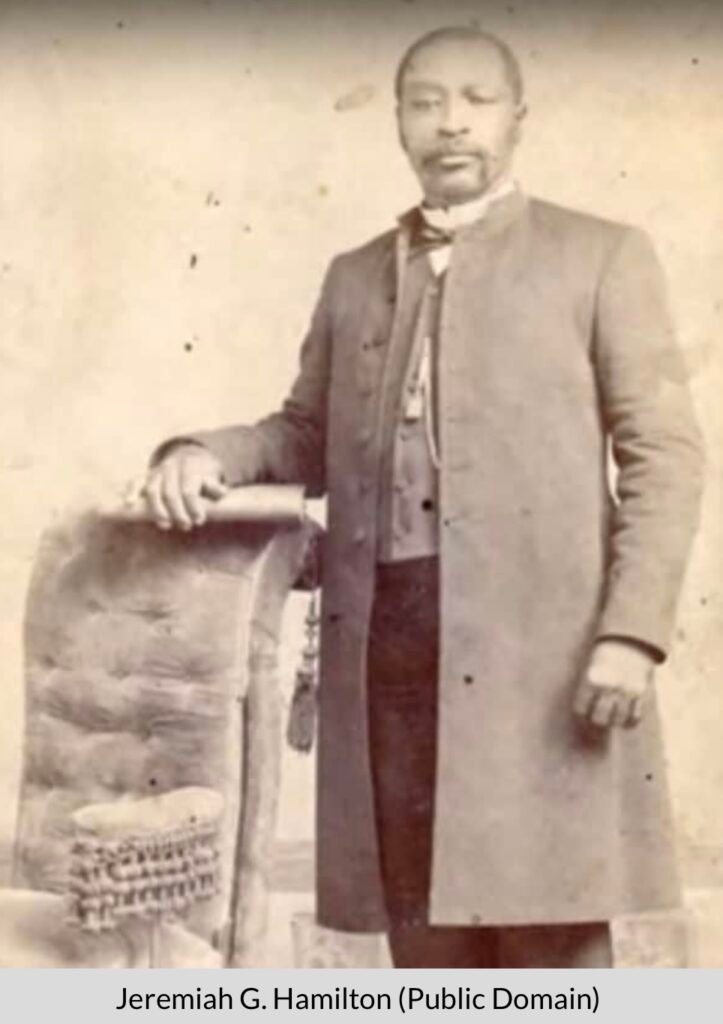
Long before Wall Street was a canyon of steel towers and billion-dollar firms, when lower Manhattan still smelled of seawater, coal smoke, and horse iron, a lone Black man walked its narrow, uneven streets with the confidence of someone who knew he didn’t belong there—yet refused to leave. His name was Jeremiah Hamilton, and during the mid-1800s, in the era of slavery, segregation, and violent racism, he did what no one believed possible: he became New York’s first Black millionaire, dominating a financial system that was never meant to include him. His story isn’t just rare.It is revolutionary.And it was nearly erased. Hamilton didn’t inherit generational wealth. He wasn’t protected by a powerful white family or backed by elite institutions. He built his empire inside a society structured to crush Black ambition at its roots. He played a game where the rules were written by his enemies—and still beat them at it. Even those who hated him confessed he was brilliant, fearless, calculating, and dangerous in the way only a man breaking racial boundaries can be. Born around 1806 in the Caribbean, Hamilton arrived in New York as a teenager. The city at the time was a paradox: a booming economic hub powered by global trade, yet still deeply entangled in slavery. Free Black people existed in a fragile, uncertain space—free, but not equal; present, but unwelcome. It was here that Hamilton carved out his identity. While most Black people were trapped in labor jobs or shut out of opportunities altogether, Hamilton pushed himself into commerce, international trade, and high-level negotiation—worlds dominated exclusively by wealthy white men. By his mid-20s, Hamilton had already developed a reputation for extraordinary intelligence and unbreakable nerve. Newspapers described him as “bold,” “audacious,” “daring,” and “dangerous.” These weren’t compliments—they were warnings. In a society where Black obedience was expected, Hamilton’s sharp mind and refusal to be intimidated were viewed as threats. His early rise came through an operation involving counterfeit coins, insurance loopholes, and trade violations. If a white merchant had done it, it would’ve been called “creative business tactics.” But Hamilton, as a Black man with ambition, was hunted. He was chased by mobs, nearly murdered, and forced to flee. Most men would have disappeared into the shadows. Hamilton came back stronger. When he returned to New York, he didn’t hide or play small. He stepped further into the belly of New York’s financial system—Wall Street—a place where no one wanted him and almost everyone wished he dead. Instead of breaking under the pressure, he studied the system, mastered it, and began beating men at their own game. He became so strategic, so calculating, that many wealthy businessmen had no choice but to partner with him or be destroyed by him. By the 1830s, Jeremiah Hamilton was a giant in the world of real estate speculation. He bought distressed properties, underwater mortgages, and land in neighborhoods where Black ownership was unheard of. He purchased parcels in Manhattan, Harlem, modern-day Tribeca, and beyond. He played chess while the city played checkers. Then came the Great Fire of 1835, one of the most devastating disasters in New York history. Flames consumed warehouses, docks, businesses, and some of the wealthiest commercial blocks in the country. While most businessmen wept over their losses, Hamilton saw opportunity. He used his cash reserves to buy fire-damaged properties at a fraction of their value. He loaned money at high interest to desperate merchants. He rebuilt, resold, and reinvested while the city was still smoking. That fire made him a multimillionaire in today’s money. By the 1840s, Hamilton controlled a financial network that stretched across real estate, insurance, trading, and lending. White elites despised him because they couldn’t control him. They couldn’t intimidate him. They couldn’t outsmart him. Newspapers, angry traders, and political enemies gave him the name meant to be an insult: “The Black Napoleon of Wall Street.” But the title exposed something else:Jeremiah Hamilton wasn’t just a wealthy Black man.He was a powerful one. Hamilton intimidated men who had never feared a Black person in their lives. He sued white businessmen and won. He walked into boardrooms where no Black person had ever stepped and left with deals sealed. He overcame racist laws, exclusionary banks, corrupt officials, and violent mobs—and still built an empire. Even his personal life defied the era’s norms. Hamilton lived in a wealthy white neighborhood, married a white woman, and raised mixed-race children during a time when interracial marriage was not only taboo, but often illegal. He owned a large mansion in New Jersey, complete with servants, groundskeepers, and luxuries unheard of for Black Americans at that time. Every day of his life was an act of rebellion. And yet, Hamilton was not someone who sought community approval. He didn’t involve himself in Black organizations, abolitionist circles, or social movements. Some say he avoided them because association made him a bigger target. Others say he didn’t trust the Black elite—he saw how quickly they distanced themselves from controversy, and Hamilton thrived in chaos. He chose to survive alone, on his own terms, in a world determined to destroy him. When he died in 1875, his estate was worth millions in today’s dollars. He left behind land, buildings, securities, and financial records that showed just how deep he’d carved his influence into New York’s economic landscape. Yet not a single Black newspaper published an obituary. Not a single major Black historian of the era claimed him. White newspapers only mentioned him to mock him or erase his accomplishments. His story faded from textbooks, archives, and public memory. For over a century, Jeremiah Hamilton became a ghost. But today, he rises again. Hamilton’s legacy is powerful not only because he was wealthy, but because of how he became wealthy—through intelligence, courage, and relentless determination in the face of racism so violent it’s hard to imagine today. His life proves that Black brilliance has always existed at the highest level of American finance, even when the world pretended
The Eternal Bond: The Full Story of Louis & Khadijah Farrakhan
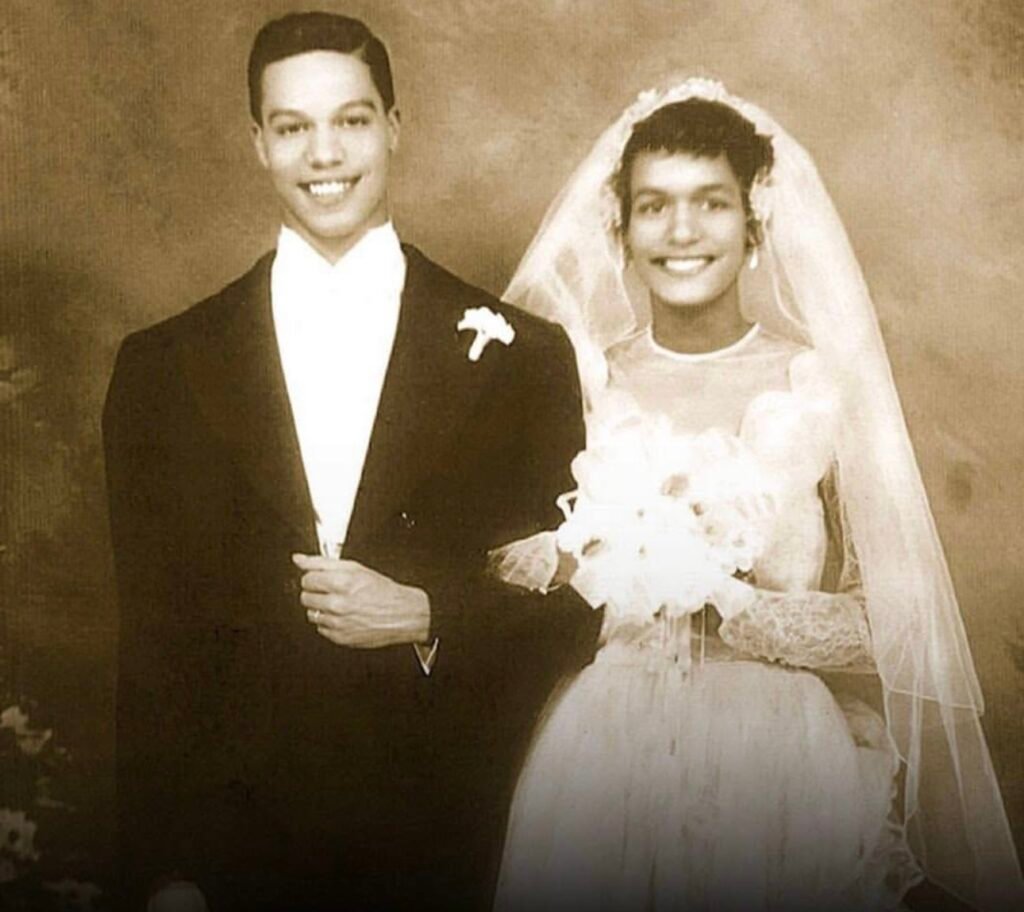
❤️ Support Independent Black Media Black Dollar & Culture is 100% reader-powered — no corporate sponsors, just truth, history, and the pursuit of generational wealth. Every article you read helps keep these stories alive — stories they tried to erase and lessons they never wanted us to learn. A seven-decade journey of love, faith, and legacy that shaped a movement and inspired generations. Louis Farrakhan and Khadijah Farrakhan share one of the longest, most remarkable, and least-discussed love stories in modern Black history — a story that stretches across seven decades, multiple eras of American transformation, political upheavals, spiritual revolutions, and a legacy that touches millions. Their journey begins long before the speeches, before the headlines, before the controversies, and long before Louis Farrakhan became a national figure. It begins in the early 1950s, when America was still openly segregated, when Jim Crow was law, when Black ambition was suppressed, and when Black families faced constant pressure to break apart. Against this backdrop, a young violinist named Louis Eugene Walcott met a young woman named Betsy Ross, who would later become Khadijah Farrakhan — his partner, his anchor, his mirror, and his lifelong companion. They married in 1953, a time when interracial buses were still divided by law, when voting was still a fight, when the idea of a strong, public Black marriage surviving decades of pressure was almost unheard of. Yet from the beginning, their relationship was not built on convenience or romance alone — it was built on mission, faith, discipline, and destiny. Before Louis Farrakhan ever became a minister, he was an artist. A prodigy on the violin, a talented calypso singer, and a performer with dreams of national success. Khadijah wasn’t just by his side — she believed in him. She supported the young musician who was trying to rise in a country determined to limit Black possibility. But in 1955, everything changed. Louis attended a meeting where he first heard the teachings of the Honorable Elijah Muhammad. Something in the message shook him deeply. It wasn’t simply religion; it was identity, worth, nation-building, and a call to Black independence. Many men who experience spiritual transformation face a divide with their families. But when Farrakhan walked toward Islam, Khadijah walked with him. She didn’t follow reluctantly; she stepped into the calling with full conviction. She embraced modesty, service, community work, and the Nation of Islam’s mission to rebuild the Black family. It was the first of many moments where their unity would be tested — but never broken. As Farrakhan rose within the Nation of Islam, becoming one of Elijah Muhammad’s most gifted speakers, Khadijah played a role far more significant than the public ever saw. She held their home together while Farrakhan traveled tirelessly across the country. She raised their nine children with discipline, structure, and deep cultural pride. She became a mother figure to countless women in the Nation, helping build programs, organizing training, and shaping the culture of Muslim womanhood. Her influence wasn’t loud. It was foundational. While Farrakhan stood before thousands, Khadijah was the quiet force behind the mission — steady, focused, and unshakeable. Their marriage survived moments that would have destroyed most families. When Malcolm X was assassinated — a tragedy that tore the Black nation apart — the pressure on the Nation of Islam was immense. Internally, loyalties shifted, emotions flared, and relationships fractured. Khadijah became a stabilizer, ensuring that their household did not collapse under the weight of national grief and political tension. Later, when Elijah Muhammad died in 1975 and the Nation of Islam splintered and nearly dissolved, Farrakhan made the monumental decision to rebuild it from scratch. Many left him. Many doubted. Many attacked. Yet Khadijah stayed unwavering. She supported him during the long years of rebuilding — years filled with financial struggle, organizational chaos, and the emotional weight of resurrecting an entire movement. Her faith in him became one of the engines of the Nation’s rebirth. But their challenges did not end there. Throughout the 1980s, 1990s, and 2000s, Farrakhan became one of the most controversial men in America. His speeches were dissected nightly on television. His name triggered outrage in political debates. He received death threats. He was monitored by federal agencies. He was targeted by media outlets determined to silence him. And through all of this, Khadijah remained his sanctuary. She stayed beside him not as a passive supporter, but as a partner who understood the difference between a man and his mission. She absorbed the stress the world tried to place on him. She protected his peace. She strengthened his resolve. She stood firm when pressure came from every direction. Not once did she waver. That is why her presence is so essential to understanding the man. Louis Farrakhan is often portrayed as a singular figure, but nothing about his life or leadership was ever singular. His accomplishments — the speeches, the rallies, the rebuilding of the Nation of Islam, the historic Million Man March — all occurred while Khadijah kept their family intact, their foundation strong, and their environment safe enough for him to operate at a national level. She is the kind of woman history rarely writes about but always depends on. Without her, the Farrakhan we know would not exist. As time moved forward, their bond only deepened. When Farrakhan experienced serious health issues, Khadijah was there as caregiver, counselor, comforter, and spiritual companion. When he stepped further into elder leadership, she stepped further into quiet wisdom. Their marriage was not built on fleeting emotion; it was built on endurance. It was a partnership rooted in purpose and fortified by faith. And in a world where Black families have been targeted, destabilized, and fragmented for centuries, the longevity of their marriage is nothing short of miraculous. Seventy-two years of marriage means surviving several versions of America. Together they lived through segregation, the Civil Rights Movement, the Vietnam era, the crack epidemic, mass incarceration, political assassinations, Black renaissance movements, and
The Hidden Black History of Blue Jeans
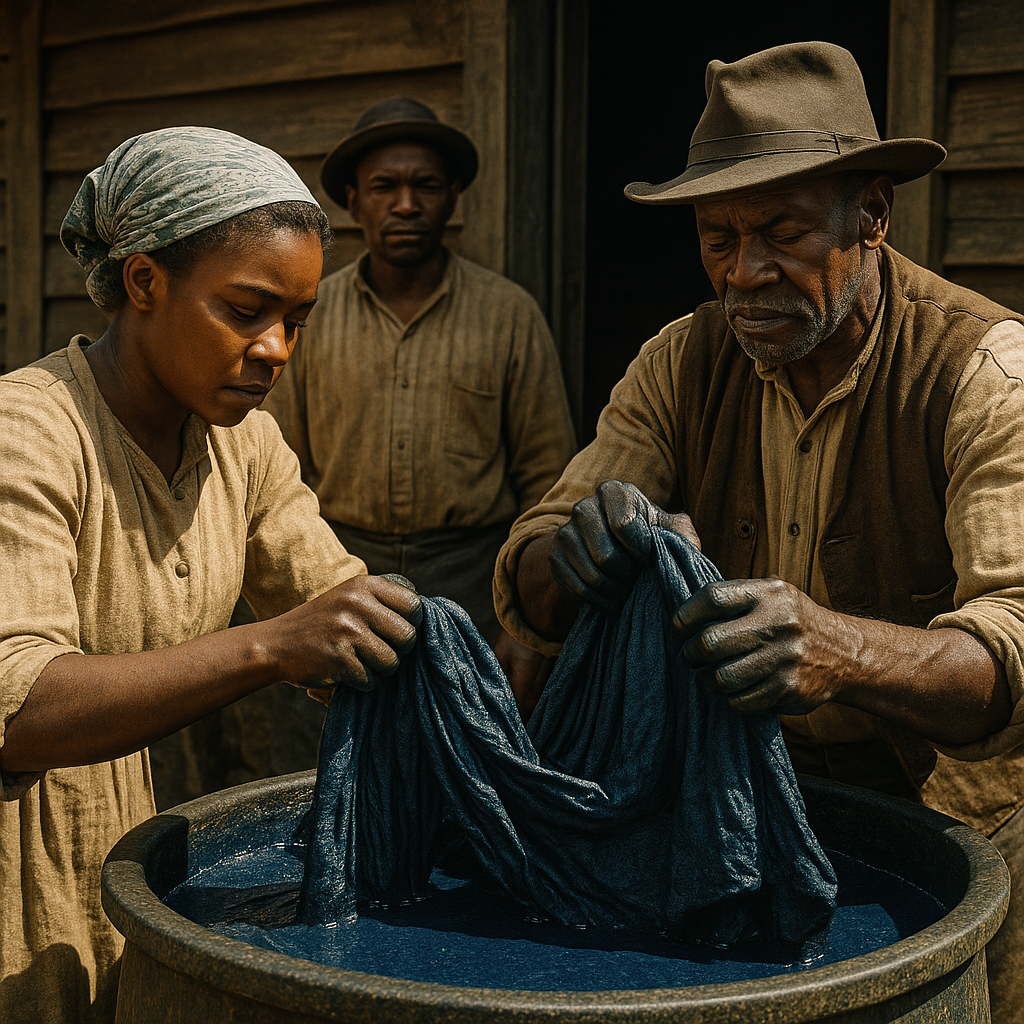
Everybody credits Levi Strauss with inventing blue jeans — but the truth is the foundation of denim was built by Black hands, Black science, and Black craftsmanship long before Levi ever filed a patent. ❤️ Support Independent Black MediaBlack Dollar & Culture is 100% reader-powered — no corporate sponsors, just truth, history, and the pursuit of generational wealth.Every article you read helps keep these stories alive — stories they tried to erase and lessons they never wanted us to learn. 1. The Myth We Were Taught: “Levi Strauss Invented Blue Jeans” That’s the version found in textbooks and brand marketing.But inventions don’t happen in a vacuum — they have a foundation. And the foundation of blue jeans wasn’t stitched in San Francisco.It was stitched on plantations. Before Levi ever touched denim, Black people had already created every major element that makes jeans what they are today. 2. Indigo Dye — A Science Mastered by Africans, Not America The famous “blue” in blue jeans came from indigo, a dye science Africans perfected centuries before the U.S. existed. People from: were known globally for their mastery of indigo cultivation and dyeing techniques. When enslaved Africans were brought to the Carolinas and the Deep South, plantation owners relied heavily on their expertise to build America’s early indigo industry — one of the country’s first major cash crops. This dye, this color, this chemistry — it was Black genius. 3. The First Workwear Pants Were Crafted by Enslaved Africans Long before factories and sewing machines: These garments were the ancestors of modern denim jeans — rugged, durable, built to withstand the worst conditions imaginable. Jeans were born out of Black labor, not Levi’s imagination. 4. So What Did Levi Strauss Actually Do? Levi Strauss didn’t invent: ❌ the pants❌ the dye❌ the style❌ the craftsmanship❌ the tradition of workwear His key contribution was one patent: 👉 metal rivets to reinforce pockets and seams. That patent helped him mass-produce a garment Black people had been creating for years — and it launched a billion-dollar industry. But the blueprint wasn’t his. 5. A Billion-Dollar Global Industry Built on Erased Black Foundations Today, denim is a $90+ billion global industry. Yet the people who: were never given recognition, credit, or generational wealth from it. This isn’t just fashion history.It’s economic history.It’s Black history.And it deserves to be restored to the center of the narrative. 📌 Final Word Blue jeans are as American as apple pie — but their origin is African. Before Levi Strauss became a household name, Black hands had already: This is yet another example of how Black brilliance built industries that the world profits from today. Black history is world history — and it deserves to be told truthfully. #BlueJeansHistory #BlackHistory #IndigoDye #UntoldStories #BlackExcellence #BlackDollarAndCulture