The Rubber That Bled Africa: How the Congo Funded Europe’s Rise

Europe’s modern rise did not begin in factories, parliaments, or banks. It began in the forests of Central Africa, where rubber vines wrapped around trees and human suffering wrapped around an entire civilization. Long before automobiles rolled across paved streets and before electricity lit European cities, the Congo was being drained—slowly, violently, and deliberately—to fuel an empire that the world would later call “progress.” In the late 1800s, as Europe raced into the Industrial Age, rubber became one of the most valuable resources on Earth. It powered bicycle tires, automobile wheels, electrical insulation, machinery belts, and military equipment. Demand exploded almost overnight, and with it came a question that Europe was determined to answer at any cost: where would the rubber come from? The answer was the Congo. What made the Congo especially vulnerable was not just its natural abundance, but its political erasure. At the Berlin Conference of 1884–85, European powers carved Africa into territories without African consent or presence. In one of history’s most grotesque land grabs, the Congo did not even become a Belgian colony at first—it became the personal property of King Leopold II of Belgium. A single man claimed control over a landmass nearly the size of Western Europe and renamed it the Congo Free State, though nothing about it was free. Leopold never set foot in the Congo. He did not need to. He ruled through violence, quotas, and terror, building a system that turned African lives into units of production. Villages were ordered to meet rubber quotas extracted from wild vines deep in the jungle. Failure was punished brutally. Hands were severed to prove bullets had not been wasted. Families were taken hostage. Entire communities were burned. Fear became policy. Violence became management. The rubber that arrived in Europe carried no visible bloodstains, but it was soaked in them. Each shipment represented countless hours of forced labor, starvation, mutilation, and death. Historians estimate that between 10 and 15 million Congolese people perished during Leopold’s rule—through execution, exhaustion, famine, and disease. This was not accidental. It was the cost of doing business. Meanwhile, Europe flourished. Belgium transformed. Infrastructure expanded. Wealth accumulated. Banks grew stronger. Industries advanced. Rubber profits poured into European development while Congo villages collapsed into silence. Roads and railways were built, not to connect African communities, but to remove resources faster. The Congo was never meant to be developed—only emptied. What made the system especially insidious was how it was marketed. Leopold presented himself to the world as a humanitarian, claiming to bring civilization, Christianity, and order to Africa. European newspapers repeated the lie. Investors believed it. Governments tolerated it. The suffering of African people was buried beneath propaganda and distance, hidden behind the language of “trade” and “progress.” But the truth could not stay hidden forever. Missionaries, journalists, and whistleblowers began documenting the atrocities. Photographs of mutilated Congolese men, women, and children leaked into the global consciousness. Testimonies described villages erased for missing quotas. International outrage grew. Eventually, pressure mounted enough that Belgium stripped Leopold of his personal control in 1908, officially turning the Congo into a Belgian colony. Yet the system did not disappear—it evolved. Forced labor continued under different names. Resource extraction persisted. Wealth still flowed outward, never inward. The rubber economy faded only when Southeast Asia began producing rubber more cheaply, not because African lives had suddenly gained value, but because exploitation found a more efficient location. Europe’s industrial foundations, however, were already laid. The bicycles, cars, machines, and infrastructure that symbolized modernity were built on African suffering that history textbooks rarely emphasize. Rubber was not just a material—it was a transfer of wealth, power, and future. The Congo lost generations. Europe gained centuries. Today, when people speak of Africa’s “underdevelopment,” they rarely mention how development was removed. They ask why nations struggle without acknowledging that their wealth was exported at gunpoint. The Congo was not poor—it was plundered. Its people were not unproductive—they were enslaved. Its land was not empty—it was emptied. And rubber was only the beginning. The same patterns would repeat with minerals, oil, gold, diamonds, and now the materials powering modern technology. The Congo continues to supply the world while remaining among the poorest nations on Earth, trapped in cycles designed long before independence. To understand Europe’s rise without understanding Congo’s suffering is to accept a lie. Progress did not happen in isolation. It happened through extraction, violence, and silence. The rubber that cushioned Europe’s journey into modernity crushed African lives beneath it. History remembers the factories. It remembers the kings. It remembers the empires. But it must also remember the blood-soaked vines in the Congo forests—where Africa bled so the modern world could move.
Robert Reed Church: The Black Man Who Became the South’s First Millionaire After Slavery
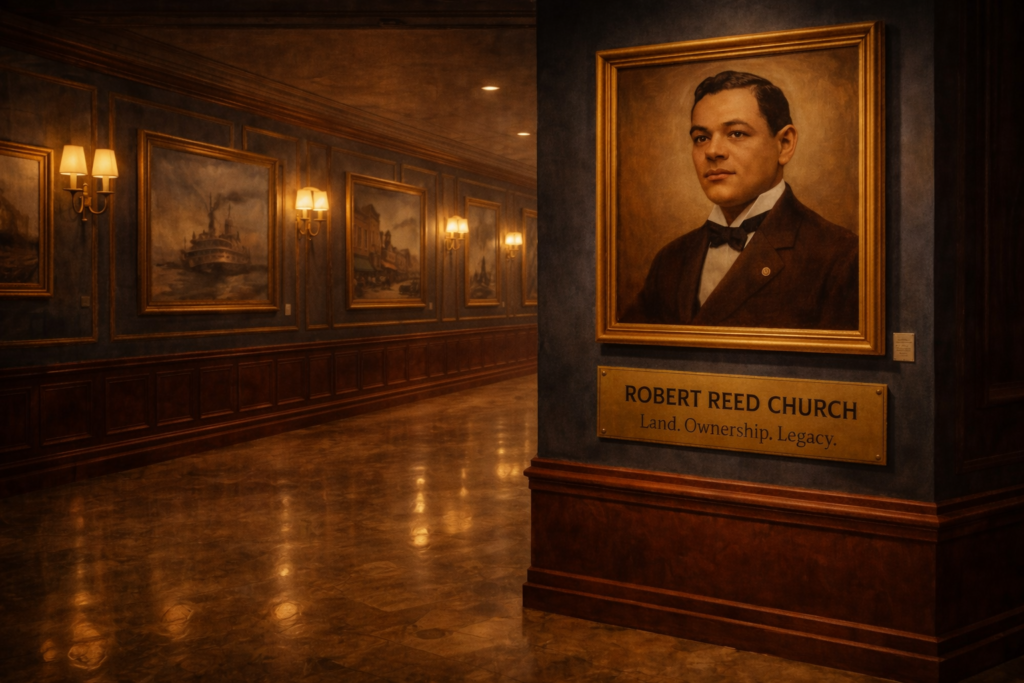
They don’t teach this story in schools because it disrupts a lie that America has spent centuries protecting—the lie that Black people never built wealth on their own, never mastered systems, never owned power before it was taken from them. Robert Reed Church did all three. Born enslaved in Mississippi in 1839, Robert Reed Church entered the world as property. His mother was enslaved. His father was a white steamboat captain who never publicly claimed him but quietly ensured that Church learned something most enslaved people were denied—how money moved. By the time emancipation arrived, Church was no longer just free. He was prepared. While many newly freed Black Americans were pushed into sharecropping—a system designed to trap them in permanent debt—Church made a different decision. He went where money flowed: the Mississippi River. As a young man, he worked on steamboats, not just as labor but as a businessman. He learned routes. He learned trade. He learned leverage. And most importantly, he learned land. After the Civil War, Memphis was chaos. Disease, political instability, and racial violence made white property owners panic. During the yellow fever epidemics of the 1870s, thousands fled the city. Property values collapsed. White landowners sold prime real estate for pennies just to escape. Robert Reed Church saw opportunity where others saw collapse. With cash saved from years of disciplined work and investing, Church bought land—lots of it. Downtown Memphis. Beale Street. Commercial corridors. Not farmland. Not scraps. Prime urban real estate. While others speculated, he owned. By the 1880s, Church was the largest Black landowner in the South. By the 1890s, he was worth over one million dollars—making him the first Black millionaire in the South after slavery, at a time when lynchings were public entertainment and Jim Crow was tightening its grip. But Church didn’t just build wealth for himself. He understood something most wealthy people do: money without community is fragile. He invested heavily in Black Memphis. He built Church Park and Auditorium, one of the largest Black-owned entertainment venues in the country. It hosted concerts, political meetings, conventions, and speeches by leaders like Booker T. Washington. When Black people were locked out of public spaces, Church created their own. He financed Black businesses when banks refused. He backed schools when the state neglected them. He used his influence to protect Black institutions during periods of racial terror—not with speeches, but with ownership and political pressure. And then came 1892. That year, Memphis exploded with racial violence after the lynching of three successful Black businessmen. Many Black residents fled the city, fearing massacre. Again, white landowners sold. Again, Robert Reed Church bought. His wealth grew not from exploitation—but from discipline, timing, and understanding systems. Church also understood legacy. His son, Robert Reed Church Jr., became one of the most powerful Black political figures in America, helping found the NAACP and turning Memphis into a center of Black political organization. This was not accidental. This was design. Robert Reed Church died in 1912, but his blueprint remains painfully relevant today. He proved that Black wealth was never impossible—only interrupted. He proved that land ownership is power. He proved that economic independence is louder than protest. And he proved that when Black people are allowed—even briefly—to operate without sabotage, they build cities. They erased his name because his existence is evidence. Evidence that Black Wall Streets didn’t appear by accident.Evidence that wealth can be built even in hostile systems.Evidence that the problem was never Black ability—but white interference. Robert Reed Church didn’t beg for inclusion. He bought the ground beneath the system—and stood on it. SEO Elements Slug:robert-reed-church-first-black-millionaire-south Meta Description:The untold story of Robert Reed Church, the first Black millionaire in the South after slavery, who built wealth through land ownership, discipline, and economic independence in Memphis.
Why the Media Won’t Talk About Black Economic Power

The silence is intentional. While headlines obsess over Black struggle, debt, and disparity, something far more disruptive is happening just beneath the surface: Black economic power is growing—quietly, strategically, and faster than the narrative allows. Not in the loud, flashy way the media prefers, but in a disciplined, ownership-focused way that doesn’t beg for validation. And that is precisely why it isn’t covered. For decades, Black progress has been framed through a narrow lens of hardship. The story rarely evolves. When it does, it is usually softened, minimized, or quickly redirected back to inequality. What is almost never explored is the shift from income to ownership, from consumption to control, from survival to strategy. Yet across the country, Black families are buying businesses instead of brands, assets instead of applause, and influence instead of attention. The media thrives on predictability. Struggle fits. Power complicates things. Economic power forces new questions—about systems, access, and who benefits when narratives change. It challenges advertisers who profit from insecurity. It disrupts political talking points that rely on dependency. And it undermines the long-standing myth that Black progress only happens when it is granted, approved, or overseen. Look closer and the shift becomes undeniable. Black entrepreneurship has surged, not just in numbers but in sophistication. We’re seeing acquisitions, not just startups. We’re seeing families pooling capital, not individuals chasing clout. We’re seeing a growing interest in trusts, private equity, insurance strategies, land, logistics, and digital infrastructure. These are not the moves of a community “catching up.” These are the moves of a community recalibrating how power actually works. What makes this moment especially dangerous to the old narrative is that it is decentralized. There is no single leader to discredit, no single movement to co-opt, no single celebrity to spotlight and exhaust. It is happening in households, group chats, private study circles, barbershops, church basements, Discord servers, and dinner tables. Quiet wealth is harder to attack because it does not announce itself. The media also struggles to report on things it doesn’t fully understand—or control. Ownership doesn’t trend the way outrage does. Long-term planning doesn’t generate clicks like controversy. A family buying a warehouse, a logistics route, or an insurance policy that funds future generations doesn’t make for dramatic television. But it reshapes reality far more than viral moments ever could. There is another reason for the silence, one that is rarely said out loud. Black economic power changes leverage. It changes how communities negotiate, where they live, what they tolerate, and what they walk away from. It changes voting behavior, schooling choices, healthcare decisions, and labor dynamics. A population with options is harder to manage. A population with assets is harder to pressure. A population that understands money is harder to mislead. This is why the focus remains on income gaps instead of asset gaps. Income can be taxed, inflated away, and capped. Assets endure. Assets appreciate. Assets talk back. When Black families begin to understand this distinction at scale, the entire economic conversation shifts. And that shift does not benefit institutions that profit from confusion. Even the language used tells the story. The media speaks endlessly about “spending power” but avoids “ownership power.” Spending power frames Black consumers as valuable only at the register. Ownership power frames Black people as stakeholders—people who collect, not just contribute. One narrative is safe. The other is transformative. What’s happening now didn’t come from nowhere. It is the result of hard lessons learned across generations. It is the response to watching wealth extracted, neighborhoods flipped, and labor undervalued. It is the realization that visibility without ownership is a trap, and representation without control is theater. So the strategy changed. Less talking. More building. And because it doesn’t fit the expected storyline, it’s easier for the media to pretend it isn’t happening. Silence becomes a form of denial. Omission becomes a way to preserve the illusion that nothing has fundamentally changed. But it has. The irony is that by ignoring Black economic power, the media is making it stronger. What grows quietly often grows sturdier. What isn’t spotlighted isn’t sabotaged as easily. While attention is elsewhere, foundations are being laid that don’t need applause to function. Black Dollar & Culture exists to document this shift—not as hype, not as fantasy, but as fact. The goal isn’t to convince skeptics. It’s to inform builders. To connect dots. To remind people that power doesn’t ask to be acknowledged. It simply moves. The media will talk about Black economic power when it becomes unavoidable. When it disrupts markets. When it alters politics. When it refuses to behave the way it’s “supposed” to. Until then, the silence tells you everything you need to know. What they don’t talk about is often what matters most. Slug: why-the-media-wont-talk-about-black-economic-powerMeta Description: Black economic power is growing faster than the media admits. Discover why ownership, assets, and quiet wealth-building are changing the narrative—and why it’s being ignored.
The Cheapest Way to Start Investing With Just $5 (Yes, Really)

Most people believe investing is something you do after you make money.That belief alone has kept millions of people permanently on the sidelines. The truth is uncomfortable for the system—but powerful for you: Investing doesn’t start with wealth.Wealth starts with investing. And today, that journey can begin with just $5. ❤️ Support Independent Black Media Black Dollar & Culture is 100% reader-powered — no corporate sponsors, just truth, history, and the pursuit of generational wealth. Every article you read helps keep these stories alive — stories they tried to erase and lessons they never wanted us to learn. 1. The Lie That Investing Is “Only for People With Money” For decades, investing was intentionally framed as something exclusive. You needed: This wasn’t accidental. When people believe investing is unreachable, they: The result?Generations trapped in a cycle where money passes through them, not works for them. But the rules quietly changed. Technology removed the gatekeepers—yet the old mindset remained. 2. What $5 Can Actually Buy You Today Thanks to fractional investing, you no longer need to buy an entire share of a company. You can buy a piece. That $5 can now purchase: This matters because ownership compounds, even in small amounts. While $5 in a savings account stays $5 (or loses value to inflation),$5 invested participates in growth. You’re no longer just holding money.You’re deploying it. 3. Why ETFs Are the Smartest Place to Start With $5 For beginners, the goal is not excitement.The goal is survival and consistency. That’s why Exchange-Traded Funds (ETFs) are ideal. ETFs: Instead of betting on one company, you’re betting on the system itself continuing to grow. This is not gambling.This is ownership. 4. The Real Power Isn’t the $5 — It’s the Habit Here’s what most people miss: The dollar amount matters far less than the behavior. When you invest $5: Small, repeated actions beat large, emotional decisions every time. Someone who invests $5 consistently will outperform someone who waits years for “the right time.” Because the market rewards time, not perfection. 5. A Simple $5 Investing Strategy That Actually Works This isn’t complicated. That’s the point. Step 1: Choose one broad-market ETFStep 2: Invest $5 weekly or bi-weeklyStep 3: Automate itStep 4: Ignore the noise No charts.No predictions.No panic. Over time, your money benefits from: You’re no longer guessing.You’re participating. 6. What NOT to Do With $5 Starting small doesn’t mean acting reckless. Avoid: Those strategies punish beginners and reward experience. $5 is not for chasing dopamine.It’s for building discipline and foundation. Wealth grows quietly before it grows loudly. 7. Why Waiting Is More Expensive Than Starting Small People often say:“I’ll invest when I make more.” But every year you wait: Time is the most expensive currency you own. Starting with $5 today beats starting with $500 five years from now. Because ownership rewards patience, not pride. 8. How This Connects to Generational Wealth Generational wealth doesn’t begin with inheritance.It begins with knowledge and repetition. When investing becomes normal: The amount grows later.The mindset must start now. This is how families quietly separate from the financial struggle most people accept as normal. 9. The Psychological Shift That Changes Everything Once you invest—even with $5—you cross a line. You stop asking:“How much does this cost?” And start asking:“What does this return?” That shift changes how you see: Ownership rewires thinking. And thinking shapes outcomes. 10. Final Truth Most People Never Hear You don’t start investing because you’re rich.You get rich because you start investing. The cheapest way to begin isn’t about money. It’s about deciding to own. Frequently Asked Questions Is investing $5 really worth it?Yes—because it builds habit, exposure, and discipline. The habit matters more than the amount. Is it better to save or invest $5?Emergency savings come first, but long-term growth requires investing. Saving alone does not build wealth. How often should I invest small amounts?Weekly or bi-weekly works best. Consistency beats timing. Can small investments really grow over time?Yes. Compound growth rewards time in the market, not size of the first deposit. Slug: cheapest-way-to-start-investing-with-5-dollarsMeta Description: Learn the cheapest way to start investing with just $5. Discover how small, consistent investing builds real wealth, ownership, and long-term financial freedom—even for beginners.
How Black Americans Can Build Generational Wealth by Buying Assets During Economic Downturns
When the economy falls, most people freeze. The wealthy move. Every major fortune in American history was built during moments of fear—recessions, crashes, and downturns when prices were low and competition was scared. Economic downturns don’t destroy wealth. They transfer it. The question isn’t whether opportunity exists. The question is who is positioned to act. Assets don’t disappear in downturns. They get discounted. When markets fall: This is why the wealthy say, “Buy when there’s blood in the streets.” Not because they celebrate pain—but because pricing reflects emotion, not value. 2. The Assets That Matter Most During Downturns Not everything is worth buying just because it’s cheaper. Focus on assets that recover and compound. High-Priority Assets: Wealth is built by acquiring productive assets, not collectibles. 3. Cash Positioning Is the Real Advantage Downturns reward liquidity. Wealthy buyers prepare before crashes by: This allows them to act without panic. Cash doesn’t make you rich—but it lets you buy things that do. 4. Why Credit Access Separates Buyers From Spectators In downturns, banks tighten lending for most people— but extend favorable terms to strong borrowers. That’s why credit preparation matters: Credit is leverage. And leverage, used correctly, multiplies opportunity. 5. The Historical Pattern Black Families Must Understand History is clear: From land after the Civil War… to housing after 2008… to stocks after 2020… The tragedy wasn’t lack of opportunity. It was lack of access, preparation, and education. That’s changing now. 6. Ownership Beats Income Every Time Jobs pay bills. Ownership builds balance sheets. During downturns: This is why wealthy families prioritize what they own, not just what they earn. 7. What Stops Most People From Buying When It Matters The barriers are rarely financial. They’re psychological. Common blockers: The market doesn’t reward confidence. It rewards preparation. 8. A Simple Wealth-Building Playbook for Downturns You don’t need perfection. You need structure. Repeat this cycle across generations—not quarters. 9. Why This Moment Matters More Than Most America has entered a period of: These windows don’t stay open long. Those who move now build foundations. Those who hesitate pay premiums later. Final Thought The wealthy don’t wait for certainty. They wait for value. Economic downturns don’t signal the end of opportunity. They announce its arrival—quietly, briefly, and without warning. Those who understand this build legacies. Those who don’t fund them. ❤️ Support Independent Black Media Black Dollar & Culture is 100% reader-powered — no corporate sponsors, just truth, history, and the pursuit of generational wealth. Every article you read helps keep these lessons alive — lessons they never wanted us to learn. Focus Keyphrase: Black Americans build generational wealth during economic downturns Slug: how-black-americans-build-generational-wealth-economic-downturns Meta Description: Learn how Black Americans can build generational wealth by buying assets during economic downturns, when prices are lower and long-term opportunities are greatest.
Cleopatra VII: The Wealthiest Queen Rome Ever Feared
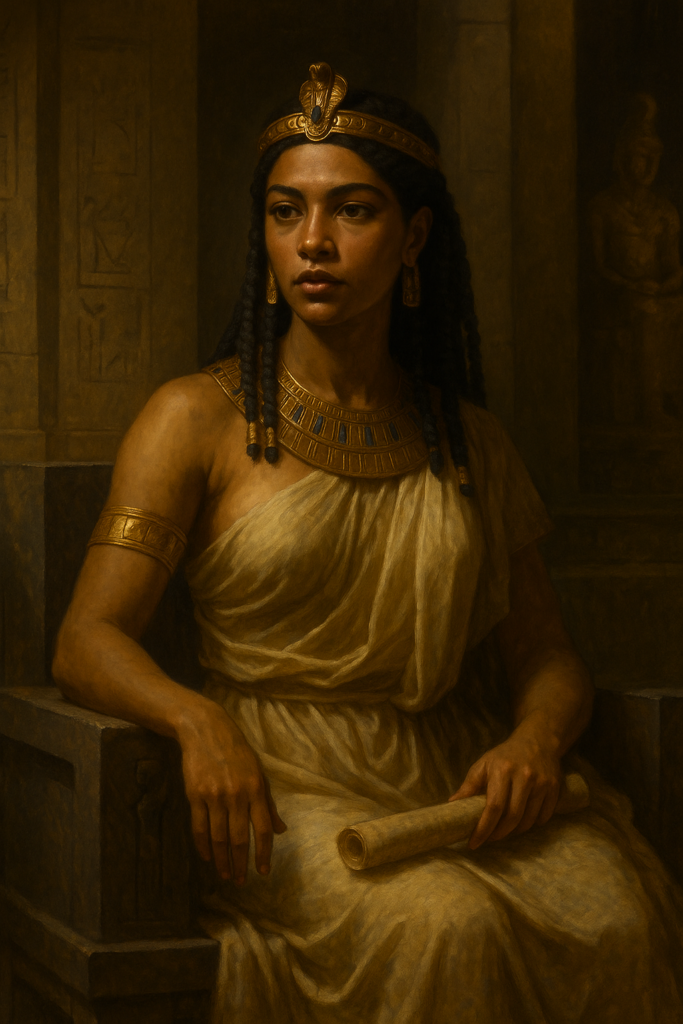
History remembers Cleopatra VII as a lover, a seductress, a woman whose power supposedly came from beauty and manipulation. That version of her story is convenient. It’s also a lie. Cleopatra VII was not dangerous because of romance. She was dangerous because she controlled one of the richest economies on Earth at the exact moment Rome was starving for resources, legitimacy, and money. Empires do not smear women they consider harmless. They rewrite the stories of rulers who threaten them. When Cleopatra took the throne of Egypt in 51 BCE, she inherited more than a crown. She inherited an economic machine that had fed civilizations for centuries. Egypt was not simply a kingdom; it was the financial backbone of the Mediterranean world. Its grain fields along the Nile supplied food to Rome’s swelling population. Its ports controlled trade routes between Africa, the Middle East, and Europe. Its treasuries held gold, silver, and state reserves accumulated over generations. Cleopatra did not stumble into power. She was trained from childhood to manage it. Unlike many rulers of her era, Cleopatra spoke multiple languages fluently, including Egyptian, Greek, and Latin. This was not a cultural flex; it was a strategic weapon. She could negotiate directly with merchants, diplomats, and military leaders without translators who diluted meaning or leaked information. She understood trade, taxation, logistics, and statecraft. Cleopatra ruled Egypt not as a figurehead but as a chief executive of a sovereign economic power. Rome, by contrast, was drowning in ambition and debt. Its military campaigns were expensive. Its political elite fought constantly for dominance. Its population depended heavily on Egyptian grain to avoid famine and unrest. Cleopatra knew this. She understood leverage better than most men who sat in the Roman Senate. Control the food, and you control the empire that eats it. When Julius Caesar entered her story, it was not romance that drew Cleopatra to him; it was survival and strategy. Egypt faced internal power struggles and Roman interference. Aligning with Caesar stabilized her throne and protected Egypt’s autonomy. In return, Rome gained access to Egypt’s resources under negotiated terms rather than outright conquest. Cleopatra used diplomacy to buy time, preserve sovereignty, and keep Egypt independent in a world where Rome swallowed kingdoms whole. After Caesar’s assassination, Cleopatra aligned with Mark Antony, not as a love-struck queen but as a ruler securing military protection and political balance. Together they controlled enormous territory, trade routes, and naval power. At their height, Cleopatra and Antony governed lands that rivaled Rome’s influence. This was not scandal; it was geopolitics. Rome did not panic because Cleopatra was charming. Rome panicked because she was effective. What followed was not merely a military conflict but a propaganda war. Octavian, later known as Augustus, understood that Rome could not admit it feared a foreign Black queen who commanded wealth, loyalty, and economic leverage. So he reframed the narrative. Cleopatra became painted as immoral, manipulative, and decadent. Antony was portrayed as weak and corrupted by foreign influence. This narrative justified Rome’s aggression and masked the truth: Rome crushed Egypt not to save morality, but to seize resources. After Cleopatra’s death, Egypt was absorbed into the Roman Empire. Its treasuries were looted. Its grain supply was nationalized for Rome’s benefit. The wealth Cleopatra once controlled now fed Roman dominance for generations. And just like that, history shifted its tone. Cleopatra’s intelligence was erased. Her financial mastery was ignored. Her leadership was reduced to gossip. But facts do not disappear simply because empires prefer myths. Cleopatra VII ruled one of the richest states in human history. She controlled food, trade, gold, language, and diplomacy with precision. She understood that power is not loud; it is organized. And that is why Rome destroyed her image after destroying her kingdom. They could defeat her militarily, but they could not allow future generations to understand what she truly represented: a sovereign ruler who proved that wealth, intelligence, and strategy are far more threatening than swords. Cleopatra’s legacy is not romance. It is a lesson. Those who control resources shape the world, and those who challenge empires rarely get fair biographies. History often belongs to the victors, but wealth always leaves a trail. And if you follow the money, the grain, and the power, you find Cleopatra VII exactly where Rome feared her most — at the center of the economic world. ❤️ Support Independent Black Media Black Dollar & Culture is 100% reader-powered — no corporate sponsors, just truth, history, and the pursuit of generational wealth. Every article you read helps keep these stories alive — stories they tried to erase and lessons they never wanted us to learn. Focus Keyphrase: Cleopatra VII wealth and power Slug: cleopatra-vii-wealth-power-rome Meta Description: Cleopatra VII was not just a queen but a powerful economic strategist who controlled Egypt’s wealth, trade, and grain supply—making her one of the most feared rulers Rome ever faced.
Mansa Musa: The Wealthiest Man in the World

Who Was Mansa Musa? Mansa Musa, often regarded as the wealthiest individual in history, was the ninth emperor of the Mali Empire, reigning from 1312 to 1337. His ascendancy to power came during a period characterized by the economic and cultural flourishing of West Africa, particularly due to the region’s substantial involvement in the trans-Saharan trade. Born into a royal family, Musa initially served as a deputy to his predecessor, Abu Bakr II, who notably embarked on an expedition that sought to explore the limits of the Atlantic Ocean. Musa’s rise to power was marked by his extraordinary leadership and strategic prowess, which enabled him to solidify the Mali Empire as a dominant force in West Africa. The context of the Mali Empire during Mansa Musa’s tenure was one of vast wealth and cultural vibrancy. The empire, enriched by trade in gold, salt, and other valuable commodities, witnessed significant expansion under his rule. Mansa Musa not only capitalized on the thriving trade routes connecting the region to Europe and the Middle East but also fostered relationships that enhanced the empire’s wealth and cultural influence. His reign was distinguished by infrastructure development, including the construction of schools, mosques, and other public buildings, most notably the iconic Djinguereber Mosque in Timbuktu. Significant events during Mansa Musa’s reign included his legendary pilgrimage to Mecca in 1324, which showcased his extraordinary wealth and resulted in a profound impact on the regions he traversed. The lavishness of his caravan, consisting of thousands of attendants and camels laden with gold, left an indelible mark on cities such as Cairo, inflating gold prices for years to come. This pilgrimage not only solidified his status as a leader of immense wealth but also highlighted the cultural interconnections between Africa and the broader Islamic world. Through these actions, Mansa Musa crafted a legacy that remains influential in discussions of economic history and African empires. Mansa Musa’s Vast Wealth Mansa Musa, the emperor of the Mali Empire, is often considered the wealthiest person to have ever lived, with estimates of his fortune reaching incomprehensible levels. His immense wealth was primarily derived from the abundant natural resources of his kingdom, particularly gold and salt. The Mali Empire, during his reign in the 14th century, had vast reserves of gold, making it one of the largest producers in the world. This precious metal was invaluable, as it was highly sought after both for trade and as a symbol of status and power. Salt also played a critical role in Mansa Musa’s wealth accumulation. The Trans-Saharan trade routes, which traversed his empire, facilitated the exchange of salt – an essential commodity for preserving food and for dietary needs. Control over these routes allowed the Mali Empire to become a central hub for trade, further enhancing its economic standing. Mansa Musa ensured that these routes remained secure, boosting trade with neighboring states and connecting Mali to distant markets, such as those in North Africa and beyond. Numerous historical accounts illustrate the opulence of Mansa Musa’s wealth. During his famous pilgrimage to Mecca in 1324, he traveled with a caravan that included thousands of followers, camels carrying vast quantities of gold, and an entourage of lavish gifts. His extravagant spending during the journey reportedly destabilized local economies, as he distributed gold to the poor and traded at exorbitant rates, leading to inflation in the regions he visited. This pilgrimage not only demonstrated Mansa Musa’s wealth but also solidified his reputation as a generous and influential leader, elevating the Mali Empire’s status on the global stage. The Legendary Pilgrimage to Mecca In 1324, Mansa Musa embarked on a historic pilgrimage (Hajj) to Mecca, a journey that would resonate throughout history and redefine the understanding of wealth in the medieval world. His pilgrimage was not merely a spiritual undertaking; it was a grand display of economic power and an opportunity to reinforce Mali’s status as a formidable entity within the Islamic world. Mansa Musa organized a caravan that reportedly included thousands of attendants, soldiers, and a vast assortment of camels carrying immeasurable quantities of gold and other precious goods. The lavishness of this pilgrimage became legendary. As Mansa Musa traveled through the Sahara Desert and various regions, he generously distributed gold to the poor and engaged in trade with local merchants. The sheer volume of gold dispensed caused inflation in many areas, as the sudden influx of wealth altered the local economies significantly. Many historians point to this event as a pivotal moment that introduced the riches of Africa to the broader world, particularly to the Middle East and Europe, reshaping perceptions and encouraging trade with the continent. Culturally and religiously, Mansa Musa’s journey had profound implications. His pilgrimage not only solidified Mali’s commitment to Islam but also led to cultural exchanges that enriched both the religious landscape and the art of the regions affected. Significant architectural advancements, such as the construction of mosques and educational institutions in Mali upon his return, illustrated the influence of this pilgrimage. The legacy of Mansa Musa’s pilgrimage extends beyond mere economics; it represented a historical moment where Africa’s wealth and cultural prominence were asserted on a global stage, altering narratives and perceptions for future generations. Mansa Musa’s Legacy and Impact Mansa Musa, the 14th-century emperor of the Mali Empire, is often celebrated as one of the wealthiest individuals in history. His reign not only transformed Mali into a powerful West African empire but also left an indelible mark on education, architecture, and religious practices that resonate to this day. One of the most significant contributions of Mansa Musa was his promotion of education and literacy through the establishment of numerous schools and colleges. Particularly noteworthy was the creation of the University of Sankore in Timbuktu, which became an intellectual center attracting scholars from various regions. This emphasis on education reinforced the importance of learning and elevated the status of Timbuktu as a hub of knowledge and culture in the medieval world. Furthermore, Mansa Musa’s contributions to architecture are epitomized
How to Invest in Gold (Beginner-Friendly Guide)
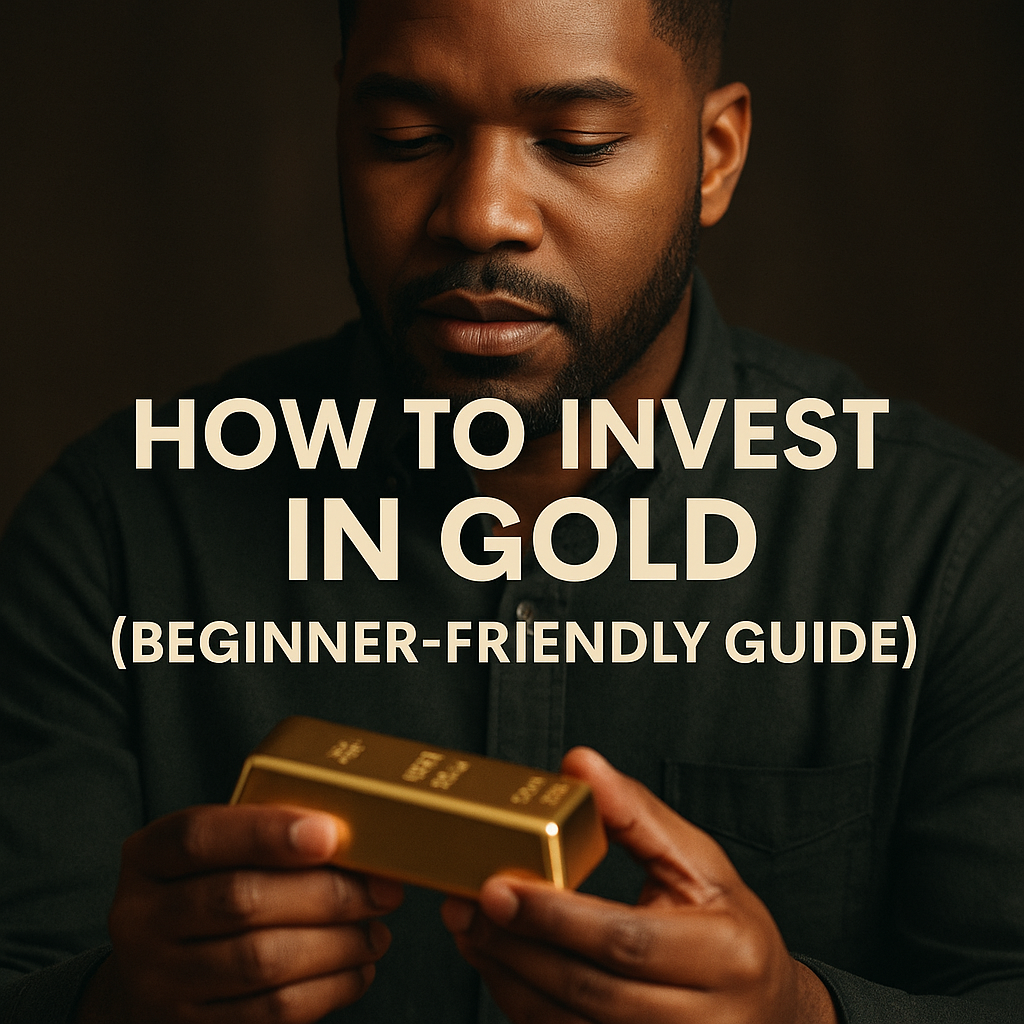
Gold has survived recessions, wars, crashes, and every economic disaster in world history — and it’s still one of the easiest investments to start with just a little money. ❤️ Support Independent Black MediaBlack Dollar & Culture is 100% reader-powered — no corporate sponsors, just truth, history, and the pursuit of generational wealth.Every article you read helps keep these stories alive — stories they tried to erase and lessons they never wanted us to learn. 1. Why Gold Is Still One of the Smartest Investments Gold is older than every currency on earth — and it has never gone to zero.That alone makes it one of the safest assets you can own. Here’s why people invest in gold: Gold = stability.Gold = security.Gold = long-term wealth protection. 2. The 3 Main Ways to Invest in Gold 1. Physical Gold (Coins, Bars, Rounds) This is the classic way to invest. You can buy: Pros: Cons: Best for:People who want real, tangible wealth they can hold. 2. Gold ETFs (Paper gold on the stock market) These track the price of gold and can be bought in any brokerage app. Examples: Pros: Cons: Best for:People who want simplicity and liquidity. 3. Gold Mining Stocks These are companies that mine gold. Examples: Pros: Cons: Best for:People comfortable with market swings. 3. How Much Gold Should You Buy? Financial experts recommend putting 5%–10% of your portfolio into gold. If you’re starting small: Gold stacking is a slow, steady play — not a get-rich-quick thing. 4. Where to Buy Gold Safely Never buy gold from strangers online or random marketplaces. Use trusted dealers like: For ETFs or mining stocks: 5. How to Store Physical Gold Without Stress Your options: Home safe Fireproof + waterproof + hidden.(Do NOT tell people you have gold at home.) Bank safe deposit box Secure but not accessible 24/7. Private vaulting service Highly secure but has annual fees. Choose based on your needs, budget, and trust level. 📌 Final Word Gold is one of the easiest and safest ways to start building real wealth — even if you don’t have a lot of money. It protects your savings.It grows when the economy falls.It’s valuable everywhere you go. Start small.Stay consistent.And watch your gold stack become one of the strongest parts of your generational wealth game. #InvestInGold #FinancialLiteracy #BlackWealth #BlackDollarAndCulture #GenerationalWealth
How “Famous Amos” Lost His Company — and the Lesson Every Entrepreneur Should Learn

Word Count: ~1,200 We all know the name: Famous Amos.Those small, crunchy, chocolate chip cookies that filled lunchboxes, gas stations, and grocery shelves for decades. But behind that brand was a man — Wally Amos — a Black entrepreneur with a million-dollar smile and a dream even sweeter than his cookies. He built an empire that changed snack food forever… then lost it all.And his story holds one of the most important wealth lessons every entrepreneur should know. 1. The Rise of the Original Cookie King In the 1970s, Wally Amos wasn’t just baking cookies — he was baking history. Before the world knew him as Famous Amos, he was a Hollywood talent agent representing legends like Simon & Garfunkel and Diana Ross. But his true passion was in the kitchen. Using his aunt’s recipe, he started gifting homemade chocolate chip cookies to clients. They were so good, people said, “You could sell these.”So he did. In 1975, he opened the first gourmet cookie store in Los Angeles — with just $25,000 in startup money and his magnetic personality as his main ingredient. Within a few years, Famous Amos became a nationwide sensation. His smile was the brand. His recipe was the soul. His cookies were the dream. 2. The Sweet Taste of Success Wally was a natural-born marketer.He wore his straw hat and bow tie everywhere, personally greeting customers and signing boxes like autographs. By the early 1980s, his cookies were in every grocery store in America.He became the first Black entrepreneur to build a major national food brand from scratch. Sales exploded.Media appearances followed.And “Famous Amos” became not just a product — but a symbol of Black excellence and entrepreneurship. 3. The Bitter Turn — Losing the Brand But fame can be expensive. As the company grew, so did its costs.Wally took on investors to help expand, and over time, he gave away more and more ownership. By the mid-1980s, his shares were diluted — and by 1988, he had completely lost control of his company and his name. That’s right:He no longer owned Famous Amos, and he wasn’t even allowed to use his own name on future businesses. It’s the cruelest twist in entrepreneurship — building a brand so powerful that you can’t even use your own name. 4. The Emotional Cost of Selling Out When Wally lost his company, he also lost his identity. Imagine watching the cookies you created being sold on shelves with your face — but not your profits. He said in interviews that losing “Famous Amos” felt like losing a part of himself.But he didn’t stop there. He later launched new ventures like “Uncle Noname’s Cookies” and “The Cookie Kahuna,” continuing to share his recipes and his joy. But the brand power he built under “Famous Amos” was gone — and the big corporations who bought it continued to profit off his legacy. 5. The Lesson: Own Your Name, Own Your Power Wally’s story is bigger than cookies.It’s about ownership. He was the heart of the brand — but not the holder of the equity. And that’s the biggest mistake too many creators and entrepreneurs make. Talent creates value. Ownership keeps it. If your business has your name on it — trademark it.If you build a brand — protect it before you promote it.And if you take on investors — read the fine print twice. Because in business, control is sweeter than any cookie. 6. The Rebirth of Wally Amos Even after losing everything, Wally never stopped smiling. He became an author, motivational speaker, and advocate for literacy.He once said, “You can’t be famous for being famous. You have to stand for something.” And he did.His life became a testament to resilience — to starting over with humility, humor, and hope. Famous Amos is now owned by the Ferrero Group (the same company that makes Nutella and Ferrero Rocher).But the man who started it all still represents the heart of the brand. Because you can’t trademark legacy — only ownership. 7. The Real Takeaway for Black Entrepreneurs Wally Amos’s story should be taught in every business class. It’s proof that creativity alone isn’t enough.You need contracts.You need trademarks.You need to understand how to own the empire you build. The next generation of Black creators must move from talent to ownership, from brand deals to brand equity. Because in America, the recipe for wealth isn’t just genius — it’s legal structure. Final Word: Never Lose Your Name Wally Amos’s story is both inspiring and heartbreaking. He built a household name from nothing.He broke barriers and built a legacy of joy and entrepreneurship.But he lost it because the system wasn’t built to protect him. The world still eats his cookies — but only a few know his story. So next time you see “Famous Amos” on a shelf, remember:Behind that label was a man who showed us how far vision can take you — and how ownership can keep you there. Don’t just build brands. Build ownership. #FamousAmos #BlackEntrepreneurs #Ownership #BlackHistory #BlackDollarAndCulture
How to Set Up an Irrevocable Life Insurance Trust (No Lawyer Needed)

Word Count: ~1,250 You don’t need a $500-an-hour attorney to protect your family’s legacy.You just need the right knowledge — and the courage to do what wealthy families have been doing for generations. It’s called an Irrevocable Life Insurance Trust, or ILIT for short. And if you want to transfer wealth tax-free, keep life insurance proceeds out of probate, and ensure your family stays protected for decades — this is the secret the wealthy have quietly mastered. Let’s break down how to set up an ILIT without a lawyer, step-by-step, in plain English. 1. What Exactly Is an Irrevocable Life Insurance Trust? An ILIT is a legal trust that owns your life insurance policy. That means: In short: 2. Why It’s Called “Irrevocable” (and Why That’s a Good Thing) “Irrevocable” means you can’t change it once it’s set up — and that’s exactly what makes it powerful. When you give ownership of your life insurance policy to the trust, you’re removing it from your personal estate.That protects it from: Once it’s in the trust, it’s locked for your family’s benefit — not subject to outside interference. In legacy planning, “control” isn’t always power — protection is. 3. Step 1: Choose Your Trustee This person will manage the trust. Pick someone responsible, trustworthy, and financially sound — usually: Avoid naming yourself — that defeats the purpose. The trustee will handle the insurance policy, pay premiums (using funds you gift), and distribute proceeds after your passing. 4. Step 2: Choose Your Beneficiaries This part’s simple — who do you want to receive the money? You can name: Be clear and specific. You can also decide how they receive it — lump sum, annual payments, or milestone-based (like college or home purchases). 5. Step 3: Draft the Trust Document You don’t need an attorney for this part if you use the right template. You can create an ILIT using trusted online platforms such as: The trust document must clearly state: Once completed, sign and notarize it. 6. Step 4: Transfer Ownership of the Policy This is critical. Contact your insurance provider and request a change of ownership form.List your new trust as the owner and beneficiary of the policy. Example: Owner: The [Your Last Name] Family Irrevocable Life Insurance TrustBeneficiary: The [Your Last Name] Family Irrevocable Life Insurance Trust This ensures the policy payout flows directly to the trust — not your estate. 7. Step 5: Fund the Trust Your trust needs money to pay premiums. You’ll make annual “gifts” to your trust — and your trustee will use that money to pay the policy premiums. Each year, your trustee should send out a “Crummey Letter” (a short notice that keeps the trust IRS-compliant).Don’t worry — most templates and software include this automatically. 8. Step 6: Keep It Organized and Protected Once your ILIT is active, keep copies of everything: Store these in a safe place — ideally a fireproof safe or digital vault.And make sure your trustee knows where everything is. 9. The Hidden Benefits Wealthy Families Know That’s why ILITs are often called the “invisible vault” of generational wealth. 10. You Don’t Need Millions to Set One Up This isn’t just for the rich. You can set up an ILIT with: That’s it. The same strategy used by multi-millionaires is now accessible to families who simply want to protect their legacy without paying legal fees. Legacy is not about how much you have — it’s about how much stays in your family when you’re gone. Final Word: Protect It Like You Built It You worked hard for your money.Now make sure it stays where it belongs — in your family. An Irrevocable Life Insurance Trust is more than a financial tool — it’s a declaration that your family’s future matters. No lawyers. No loopholes. Just structure, strategy, and security. Because wealth isn’t what you earn — it’s what you keep. #FamilyTrust #LifeInsurance #LegacyPlanning #BlackDollarAndCulture #GenerationalWealth