
The Life and Legacy of Assata Shakur: Understanding Her Death

Introduction to Assata Shakur Assata Shakur, born Joanne Deborah Chesimard on July 16, 1947, in New York City, is a prominent figure in the history of American civil rights activism. Raised in a middle-class neighborhood, her early life was shaped by a strong sense of justice and an awareness of racial discrimination. Shakur pursued her education in the field of education, attending institutions such as City College of New York, where her political ideologies began to take shape in response to the racial injustices prevalent in society. Her activism soon led her to join the Black Panther Party in the late 1960s, where she became an influential member and a voice for marginalized communities. As tensions escalated during the civil rights movement, Shakur’s involvement with the Black Liberation Army further solidified her commitment to armed resistance and the fight for African-American liberation. She became an outspoken advocate against systemic oppression, championing issues such as police brutality, economic inequality, and racism. Her political writings and speeches inspired many, and she emerged as a leader in the struggle for civil rights. However, her activism also attracted scrutiny from law enforcement agencies, marking her as a controversial figure in the eyes of the establishment. The turning point in Shakur’s life came in 1973 when she was involved in a shootout with police officers, resulting in the death of a state trooper. Shakur was convicted of murder in a trial that many argued was unfair and politically motivated. Following her imprisonment, she successfully escaped and fled to Cuba, where she was granted asylum. Since her exile, Shakur has continued to advocate for social justice and equality, symbolizing the enduring struggle for freedom and liberation. Her life and legacy remain subjects of intense debate, making her a significant figure in the history of civil rights activism in the United States. Circumstances Surrounding Assata Shakur’s Death The life and legacy of Assata Shakur are often intertwined with the circumstances surrounding her death, which remains a subject of extensive debate and speculation. Born as JoAnne Chesimard, Shakur became a prominent figure in the Black Liberation Army and was ultimately convicted of murder in 1977 after a notorious encounter with New Jersey state troopers. However, the narratives regarding her supposed death have evolved over the years, leading to a complex web of theories and misinformation. Despite her conviction, Shakur’s death has never been substantiated, and many accounts suggest that she is alive, having obtained asylum in Cuba. Media portrayal of Assata Shakur has consistently shifted, focusing on her role within the Black Liberation Movement and her controversial trial. Reports detailing her alleged death can often be fragments of unverified information, with some labeling her as a fugitive, while others emphasize her resilience and continuing fight for social justice. Academic discussions further complicate the narrative, exploring the sociopolitical context of her activism alongside the implications of her legal battles. These discussions often point to systemic racism and injustices within the criminal justice system as critical understories that frame Shakur’s experience. Rumors and misinformation proliferate, fueling an ongoing public interest in Shakur’s life. The ambiguity surrounding her status opens avenues for speculation and debate, often overshadowing the realities of her activism. Reports of her supposed death can serve as potent reminders of how narratives can be manipulated, emphasizing the need for careful examination of sources and context. Shakur’s legacy, including her written works and speeches, continues to resonate with those engaged in civil rights activism, ensuring that her influence persists regardless of the unconfirmed accounts of her fate. Public Reaction and Significance of Shakur’s Death The death of Assata Shakur, a prominent figure in the Black Liberation Movement, elicited a profound and varied response from different sectors of society, notably among activists, supporters, and the general populace. When news of her passing circulated, the reaction was immediate, sparking a wave of grief, reflection, and mobilization. Many supporters viewed her as a symbol of resistance against systemic oppression, and her death was seen as a rallying cry to continue the fight for justice and equality. The emotional impact on her followers was significant, as it represented the loss of a figure who had transcended her individual experiences to embody a broader struggle. Communities, particularly those invested in social justice and civil rights, experienced Shakur’s death as a moment of reckoning. Her legacy as a revolutionary icon galvanized many to reassess their own roles within the ongoing struggle for racial justice. Activists organized vigils, memorials, and discussions to honor her life and contributions to the movement, thereby ensuring that her message remained alive and relevant. The sociopolitical implications of Shakur’s death cannot be understated; it stimulated conversations about the lingering effects of institutional racism, the plight of political prisoners, and the need for transformative change in the United States. In the years following her reported death, Shakur’s legacy has evolved into a touchstone for those engaged in anti-racist activism. It has inspired documentaries, books, and academic studies that delve into her life and impact, continuing to raise awareness about issues that she passionately advocated for. The public’s reaction to Shakur’s death has thus morphed into a collective call for action, urging the next generation to carry forward her ideals and challenges in quest of social justice. Ultimately, her life and contributions remain a vibrant part of the ongoing discourse surrounding racial and political struggles today. Assata Shakur’s Legacy and Continuing Influence Assata Shakur’s legacy transcends her personal narrative, positioning her as a pivotal figure in the ongoing discourse of social justice and equality. Born JoAnne Deborah Chesimard, her life has been emblematic of the struggle against systemic racism and oppression. After her controversial exile to Cuba, Shakur became an enduring symbol for various activist movements, from prison reform advocates to those fighting police brutality. Her influential autobiography, “Assata: An Autobiography,” has inspired countless individuals and organizations striving for racial justice. Shakur’s influence extends beyond her written words; her story has become a catalyst for contemporary activism. The Black Lives Matter movement,
The Life and Legacy of Assata Shakur
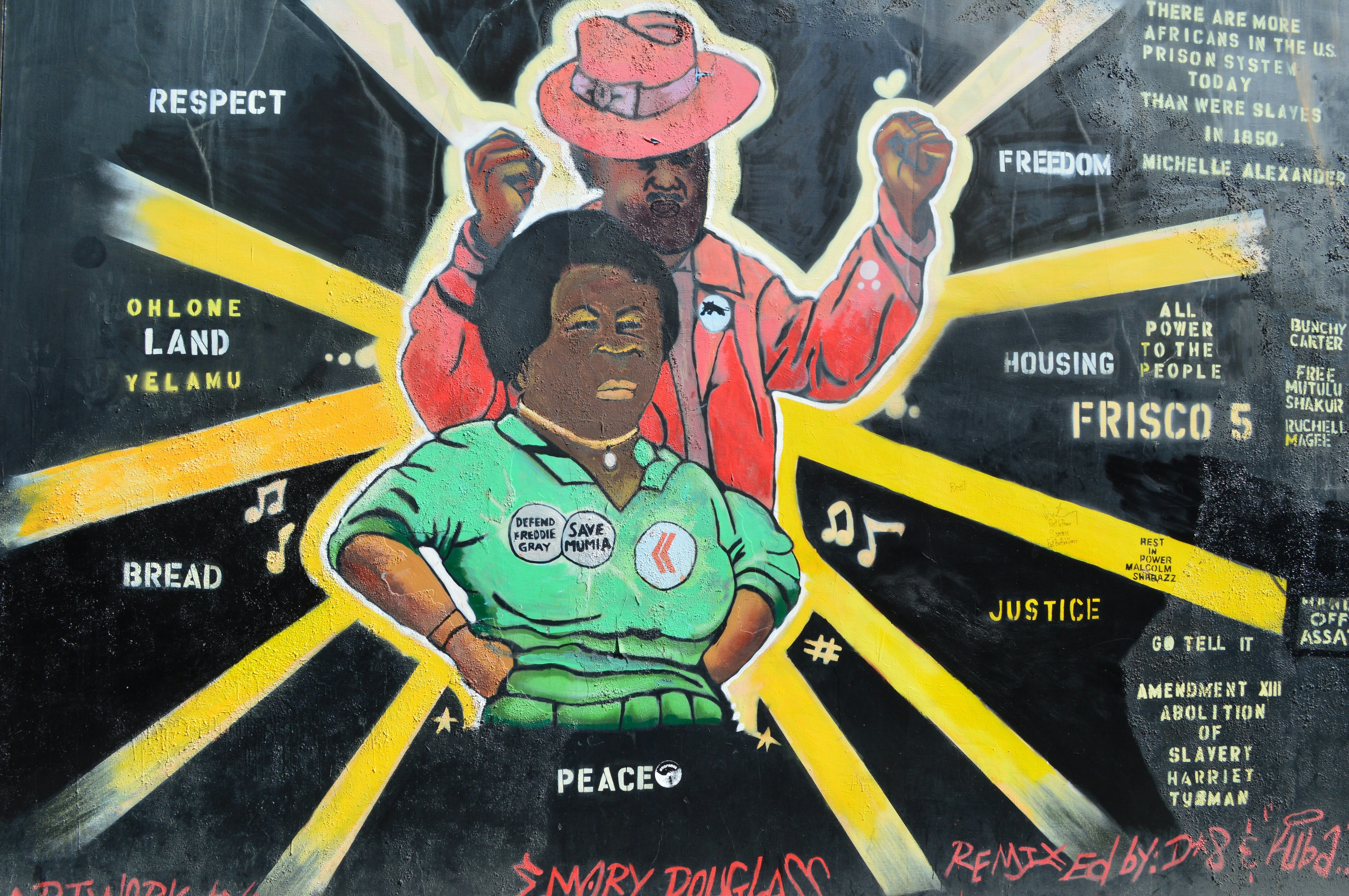
Early Life and Background Assata Shakur, born JoAnne Deborah Byron on July 16, 1947, in New York City, was deeply influenced by her upbringing and the socio-political climate of the time. Her mother, a school teacher, and her father, a World War II veteran and businessman, instilled in her the values of education and resilience. However, Shakur’s formative years were also marked by the challenges faced by African Americans in urban America during the 1950s and 1960s, a period fraught with racial tensions and systemic injustice. Growing up in a predominantly African American neighborhood, Shakur was exposed to experiences of discrimination and inequality. These early encounters with racial injustice played a pivotal role in shaping her consciousness and identity. The struggles faced by her community laid the foundation for her later activism, fueling her desire for social and political change. The cultural influences of the time, including the Civil Rights Movement and the Black Power Movement, further informed her beliefs and motivations. Shakur’s early education occurred in a landscape where her intelligence and potential were often overshadowed by her racial identity. She became increasingly aware of the disparities that existed between her community and the broader society. As a teenager, she engaged with the artistic and political movements, finding expression through poetry and literature, which not only reflected her experiences but also inspired her fight against oppression. These formative experiences—her family’s history, the cultural milieu, and her personal encounters with injustice—set the stage for Shakur’s evolution into a pivotal figure in the civil rights movement. They highlight the interplay between her early life and her later commitment to activism, forever linking her identity with the struggle for racial equality and justice. Political Activism and the Black Liberation Movement Assata Shakur emerged as a formidable figure in the landscape of political activism during the late 1960s and 1970s. Her involvement with the Black Panther Party and later the Black Liberation Army positioned her as a key player in the struggle for racial equality and social justice in the United States. The Black Panther Party, known for its advocacy of armed self-defense and community programs, was instrumental in raising awareness about systemic racism and promoting Black empowerment. Shakur’s contributions included not only participating in community service initiatives but also delivering powerful speeches that galvanised support for the movement. In this era marked by intense sociopolitical upheaval, activists like Shakur faced numerous challenges. They encountered violent repression from law enforcement agencies, including surveillance, arrests, and police brutality, particularly aimed at undermining their efforts. Shakur’s personal experiences with law enforcement reflect the broader narrative of the time—activists were often portrayed as radicals or criminals. These encounters heightened her commitment to the cause and informed her writing, which articulates the realities faced by marginalized communities. Shakur’s writings are not only a testament to her resilience but also an embodiment of the ideals of the Black Liberation Movement. Her autobiographical work, “Assata: An Autobiography,” resonates deeply with themes of justice, empowerment, and the quest for freedom. Through her eloquent articulation of her experiences, Shakur sought to inspire not only her contemporaries but also future generations in the fight against oppression. The legacy she created continues to provide valuable insights into the importance of political activism and the enduring struggle for civil rights and equality in America. Controversy and Exile Assata Shakur, a prominent figure in the Black Liberation Movement, remains one of the most controversial figures in American history. Her indictment for murder in 1973, following a deadly shootout involving the Black Panther Party, ignited a complex legal battle that polarized public opinion. Advocates argue that Shakur was a victim of systemic racism and state violence, while opponents view her as a dangerous fugitive who escaped justice. The intricacies of her trial, characterized by allegations of bias and misconduct, further complicate her narrative. As a result of her convictions and subsequent sentencing, Shakur escaped from prison in 1979 and sought political asylum in Cuba. Her life in exile has been marked by a commitment to social justice advocacy, emphasizing the plight of marginalized communities. Living under the protection of the Cuban government, she has continued to raise awareness around issues such as police brutality and racial inequality. This period of exile also allowed Shakur to cultivate a broader international support network, enabling her to address global human rights issues. The implications of her status as a fugitive reach far beyond her personal experience. Shakur’s case has been utilized by various activist groups as a symbol of resistance against oppression. The FBI has referred to her as a domestic terrorist, while many supporters view her as a freedom fighter. This dichotomy illustrates the ongoing struggle over narratives in the context of race and justice in America. Shakur’s life in Cuba serves as a potent reminder of the ongoing fight for social change, showcasing how political exile can both silence voices and amplify movements around the world. Assata Shakur’s Impact and Legacy Assata Shakur, born JoAnne Chesimard, remains an iconic figure in the realms of civil rights and social justice. Her journey from a prominent member of the Black Panther Party and the Black Liberation Army to a fugitive in Cuba has left an indelible mark on contemporary activism, particularly within movements like Black Lives Matter. Shakur’s powerful writings, especially her autobiography, articulate the struggles faced by individuals in marginalized communities and offer a vivid narrative of resistance against systemic oppression. Shakur’s impact is deeply felt in the ongoing discourse surrounding race and justice in America. By articulating her experiences with racial profiling, police brutality, and the criminal justice system, Shakur has become a symbol of the fight for freedom, especially for Black women. Her story raises critical questions about equality, representation, and the collective fight for civil rights, themes that resonate with many who advocate for change today. Her legacy continues to inspire activists across various platforms, reminding them of the importance of perseverance in the face of adversity. Furthermore, Shakur’s influence extends beyond activism into