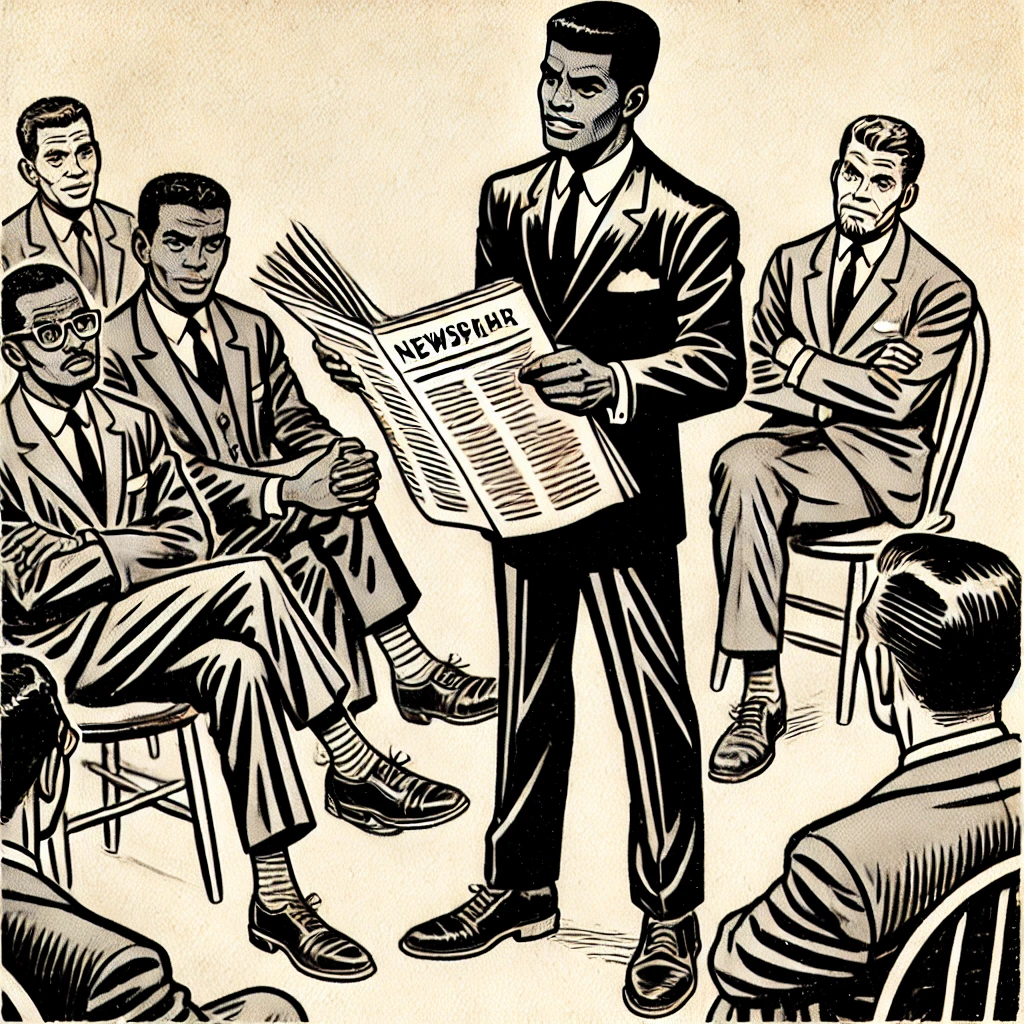
How “White” Was Invented — And How Black People Were Branded in the Process
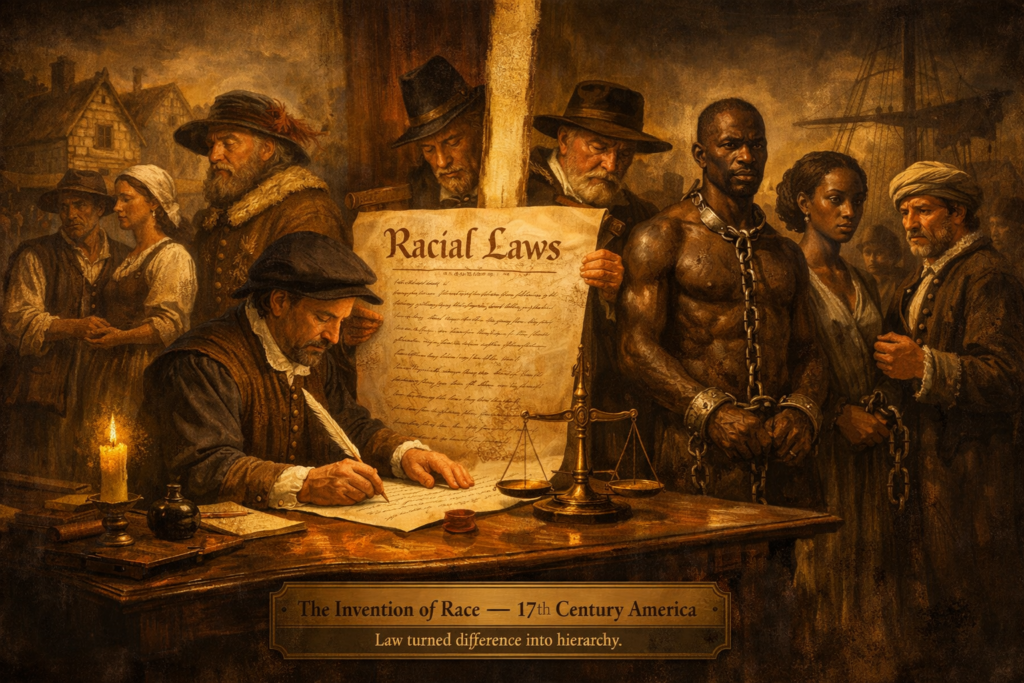
Before America existed, before plantations, before racial laws, and before the word “white” ever carried meaning, Europe was already brutal—but not divided by skin color. It was divided by power. In medieval Europe, no one woke up calling themselves white. That identity did not exist. A poor English farmer had nothing in common with a wealthy English lord, and no amount of shared skin tone could bridge that gap. Identity came from land, lineage, loyalty, and religion. You were Saxon or Norman, Irish or Frank, Catholic or Protestant, noble or peasant. Those labels determined your fate far more than complexion ever did. Most Europeans lived under a rigid system of hierarchy where kings and nobles owned land and everyone else existed to serve it. Serfs were bound to estates they would never own, working fields they could never profit from, paying taxes they could never escape. Their lives were short, their labor exploited, and their bodies disposable. Poverty was inherited. Wealth was protected. Freedom was rare. A peasant in England was closer in social status to an enslaved laborer than to a noble of his own nation. Religion sharpened these divisions even further. In Europe, belief defined belonging. Christian versus Muslim. Catholic versus Protestant. Christian versus Jewish. During the centuries when Africans and Arabs ruled much of Spain under Al-Andalus, darker-skinned people governed some of the most advanced cities in Europe. Cordoba and Granada had paved streets, libraries, and universities while much of northern Europe remained illiterate and rural. But when Christian kingdoms reclaimed Iberia during the Reconquista, they did more than seize land. They introduced a dangerous idea that would later shape the modern world: purity of blood. Spain’s “limpieza de sangre” system judged people not just by belief, but by ancestry. Converted Christians with African or Jewish lineage were still considered tainted. This was not yet whiteness, but it was the blueprint. Bloodlines were being ranked. Worth was becoming inherited. Humanity was being filtered through ancestry rather than character or faith. At the same time, Europeans themselves were being enslaved. Long before the transatlantic slave trade, bondage in Europe was common. Vikings captured and sold other Europeans across trade routes. Slavic peoples were enslaved so frequently that their name became the root of the word “slave.” Along the North African coast, thousands of Europeans were taken during raids and forced into labor within the Ottoman world. Enslavement was not racial—it was about power. Whoever controlled land, weapons, and law decided who was free. Everything changed when Europe reached the Americas. Colonial elites quickly learned a dangerous lesson: poor Europeans and Africans working together were a threat. Uprisings like Bacon’s Rebellion revealed that class solidarity could destabilize colonial power. The response was not justice, but invention. A new identity was created—one that had never existed before. “White.” Whiteness was not culture. It was not heritage. It was law. Colonial governments passed statutes that granted poor Europeans small privileges—access to land, lighter punishments, legal protections—while Africans were stripped of humanity permanently. Slavery became lifelong. Slavery became inherited. Freedom became tied to skin color. The racial categories of “white” and “black” were born together, serving opposite purposes within the same system. This invention worked exactly as intended. It divided laborers who might have united. It redirected anger away from elites and toward the enslaved. It gave poor Europeans a psychological wage in place of real economic power. They were no longer peasants or servants—they were white. And that label carried just enough status to protect the system that continued to exploit them. This is why understanding history matters. Because race was never about biology. It was about control. Whiteness was created to protect wealth, not people. Blackness was imposed to justify extraction, exploitation, and permanent subjugation. Once you understand this, the modern world begins to make sense—from wealth gaps to policing, from labor inequality to global power structures. The story we were taught was incomplete by design. But when you trace it back far enough, the truth becomes unavoidable. Race didn’t create hierarchy.Hierarchy created race. ❤️ Support Independent Black Media Black Dollar & Culture is 100% reader-powered — no corporate sponsors, just truth, history, and the pursuit of generational wealth. Every article you read helps keep these stories alive — stories they tried to erase and lessons they never wanted us to learn. Hashtags#BlackHistory #HiddenHistory #RaceWasInvented #Whiteness #BlackDollarAndCulture #Colonialism #PowerStructures #EconomicHistory #TruthOverMyths #GlobalHistory Slug:how-whiteness-was-invented-and-how-black-people-were-branded Meta Description:Discover how race was invented to protect power—how Europeans became “white,” how Black people were branded, and how hierarchy shaped the modern world.
Provident Hospital: The Legacy Dr. Daniel Hale Williams Built Still Lives On
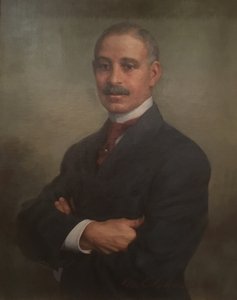
Word Count: ~1,250 In 1891, at a time when segregation ruled medicine and opportunity was locked behind color lines, Dr. Daniel Hale Williams didn’t wait for a seat at the table.He built his own table — and a hospital to go with it. That hospital was Provident Hospital in Chicago.And it didn’t just save lives — it changed history. Today, over a century later, its legacy still pulses through every Black doctor, nurse, and healthcare entrepreneur carrying forward Dr. Williams’ vision:Black excellence through ownership, education, and care. 1. A Hospital Born from Necessity — and Vision At the turn of the 19th century, Black patients were denied care in most hospitals.Black doctors couldn’t work, train, or even study in white institutions. Dr. Daniel Hale Williams — a man who refused to accept that barrier — saw only one option:“If they won’t let us in, we’ll build our own.” And so, in 1891, he opened Provident Hospital, the first Black-owned and operated hospital in the United States. It wasn’t just a hospital.It was a declaration: we will heal ourselves, educate ourselves, and build our own systems of excellence. 2. The Heartbeat of a Movement Provident wasn’t about exclusion — it was about inclusion.Dr. Williams opened the doors to all patients, regardless of race. That decision made Provident more than a medical institution — it became a model for equality and dignity in care. For decades, it served as the lifeline for communities that America’s healthcare system ignored.And it became the training ground for hundreds of Black doctors and nurses who would go on to break barriers worldwide. 3. The Surgery That Shocked the World Two years after founding Provident, Dr. Williams made medical history. In 1893, without modern anesthesia, x-rays, or advanced tools, he performed the first successful open-heart surgery in American history. His patient — a man named James Cornish — survived. That operation placed Dr. Williams among the great pioneers of modern medicine.And he did it all from inside a hospital built for people the world refused to acknowledge. Provident became proof that Black brilliance isn’t just talent — it’s innovation under pressure. 4. Training the Next Generation of Healers Provident wasn’t just a hospital — it was a school of excellence. Dr. Williams established a nursing program, one of the first in the nation to admit Black women.That program trained some of the most skilled nurses in America, including pioneers who went on to lead medical programs of their own. He understood something powerful: Healing the body means nothing if you don’t empower the hands that hold the instruments. His vision created not just health professionals, but leaders. 5. A Blueprint for Building Our Own Institutions Provident’s story holds a lesson every generation needs:When the system says “no,” build your own “yes.” That’s how every movement starts — not with permission, but with purpose. In the business world, in education, in tech — the same principle applies:Ownership is the only way to guarantee access. Dr. Williams’ vision was bigger than medicine — it was about self-determination.He showed that we don’t have to fight to be included; we can create systems that include us by design. 6. The Legacy Still Lives On Though Provident Hospital faced financial challenges over the years, its spirit never died.It’s still open today in Chicago’s South Side — a living monument to Black innovation and endurance. Its alumni and legacy continue through generations of Black healthcare professionals, many of whom trace their inspiration back to Dr. Williams. Every clinic built in our neighborhoods, every Black medical school graduate, every nurse breaking barriers — they’re all part of that ripple effect. Legacy doesn’t fade. It evolves. 7. Lessons for Today’s Builders and Dreamers Here’s what Provident’s story teaches every modern entrepreneur and dreamer: Dr. Williams didn’t just build a hospital.He built a model for every Black innovator: start with vision, lead with excellence, and never wait for validation. Final Word: The Legacy Beats On Provident Hospital was more than a building — it was a heartbeat. A heartbeat that said we belong in every room we build.A heartbeat that continues every time a Black doctor walks into an operating room, every time a young medical student raises their hand, every time we invest in our own. Dr. Daniel Hale Williams didn’t just heal hearts — he gave us one. And more than 130 years later, Provident’s heartbeat still echoes — reminding us that legacy never dies when it’s built on purpose. #ProvidentHospital #DanielHaleWilliams #BlackExcellence #BlackHistory #BlackDollarAndCulture