
Unearthing the Past: Lost Civilizations More Advanced Than We Thought
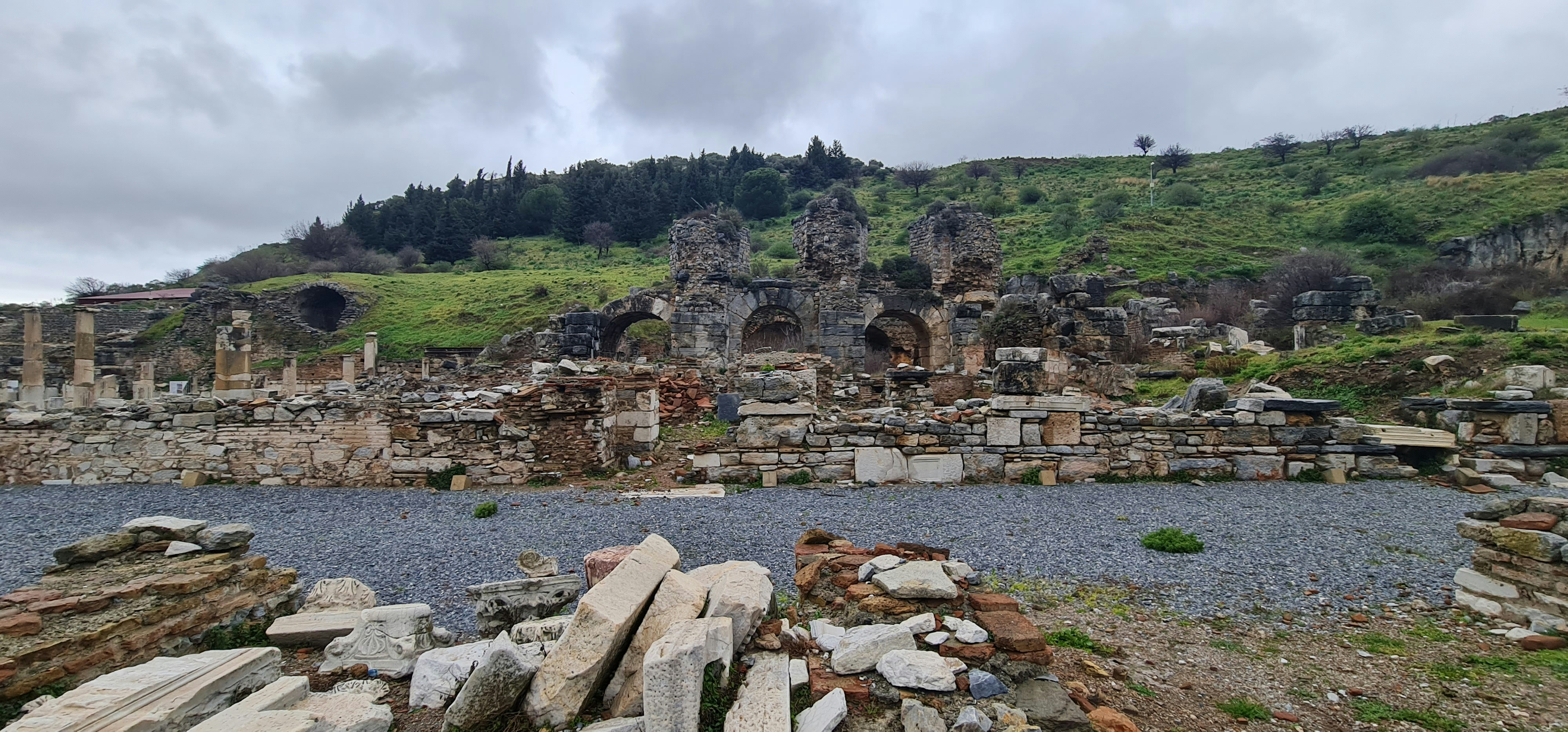
Introduction to Lost Civilizations The exploration of lost civilizations reveals a tapestry of human ingenuity, cultural development, and sophisticated societal structures that have often been underestimated. These advanced societies, which once flourished across various regions of the globe, offer a glimpse into a past marked by innovation and complexity. Recent archaeological findings challenge the prevailing narratives surrounding these civilizations, illuminating their remarkable achievements in technology, art, and governance. Throughout history, numerous cultures have risen to prominence, only to become shrouded in mystery following their abrupt disappearance. From the intricate urban planning of the Indus Valley Civilization to the architectural feats of the Maya, each of these lost societies demonstrates a level of advancement that invites us to rethink our understanding of human progress. The exploration of such civilizations not only reveals the intricacies of ancient life but also highlights the interconnectedness of human development across different regions. The significance of these discoveries lies in their potential to reshape our understanding of human history. As archaeologists unearth artifacts and structures, they provide critical insights into the capabilities and achievements of societies once thought to be primitive or simplistic. These findings emphasize that cultural advancement is not linear; rather, it is complex and multifaceted. The narrative of civilization is enriched by acknowledging these lost cultures, leading to a more nuanced appreciation of our past. In considering the implications of these discoveries, we invite readers to contemplate the depth and diversity of human experience. This exploration encourages an ongoing dialogue about our historical understanding, emphasizing that the past is often filled with surprises that challenge modern preconceptions. With each revelation about lost civilizations, we become more aware of the incredible achievements of our ancestors and the lessons they impart for contemporary society. Technological Marvels: Plumbing Systems in Ancient African Cities Great Zimbabwe, an ancient African city known for its impressive stone structures, showcases exceptional engineering capabilities, particularly in the realm of plumbing. Excavations have revealed that the city utilized sophisticated water management systems, which significantly predate certain similar developments found in Europe. The ancient inhabitants of Great Zimbabwe demonstrated a profound understanding of hydraulics, enabling them to manipulate water flow to enhance their urban environment. The plumbing systems in Great Zimbabwe consisted of intricate channels and reservoirs designed to collect, store, and distribute water effectively throughout the city. Historians surmise that clay and stone were the primary materials used in constructing these systems, allowing for durability and strength. Notably, the city’s design included an advanced drainage system which managed rainwater and minimized flooding, highlighting the builders’ foresight in urban planning. These water management strategies not only facilitated daily life but also significantly impacted public health. Access to clean water provided essential resources for cooking, hygiene, and sanitation, reducing the prevalence of waterborne diseases. The careful planning surrounding water distribution underscores a civilization that prioritized the well-being of its inhabitants and recognized the importance of managing natural resources in a sustainable manner. The implications of these systems extend beyond Great Zimbabwe itself; they demonstrate a level of sophistication in urban engineering that could rival contemporary models. While often overshadowed by European advancements during the same period, the plumbing systems in this ancient African city provide crucial insights into the innovative capabilities and technological prowess of lost civilizations, suggesting that our understanding of their achievements must be re-evaluated in light of these findings. Advanced Knowledge Systems: Mathematics and Astronomy in Ancient Civilizations Throughout history, several ancient civilizations have demonstrated a profound understanding of mathematics and astronomy, showcasing advancements that many once believed emerged only in modern times. The Maya civilization is a prime example, known for its complex calendar system which consisted of various cycles, including the Tzolk’in, a 260-day ritual calendar, and the Haab’, a 365-day solar calendar. This dual-calendar system highlights the Mayans’ sophisticated knowledge of astronomical cycles, allowing them to predict celestial events with remarkable accuracy. The significance of these calendars extended beyond mere timekeeping; they were integral to agricultural, religious, and social activities, underscoring the civilization’s admirable grasp of both practical and theoretical applications of mathematics. Similarly, the Mesopotamians made substantial contributions to mathematical understanding, notably by developing one of the earliest numeral systems around 3200 BCE. Their base-60 counting system not only influenced how time is measured today—60 seconds in a minute, 60 minutes in an hour—but also provided the foundation for complex calculations that supported their advancements in agriculture, trade, and construction. Notably, the construction of monumental ziggurats demonstrates their engineering capabilities, which relied heavily on mathematical principles to achieve architectural feats that still impress contemporary observers. The Egyptians further exemplify the sophistication of ancient mathematics and astronomy. The construction of the Great Pyramids of Giza required an understanding of geometric principles and precise measurements. This mastery facilitated the creation of structures that have withstood the test of time, emphasizing their engineering acumen. Additionally, the Egyptians developed a calendar based on lunar cycles, which played a critical role in agricultural planning by aligning planting and harvesting schedules with seasonal changes. In summary, these civilizations reveal that the foundations of mathematics and astronomy were laid long before the emergence of modern science. Their profound understanding of these subjects not only advanced their cultures but also contributed significantly to the legacy they left behind, influencing countless generations. The achievements of the Maya, Mesopotamians, and Egyptians exemplify how advanced knowledge systems can flourish even in the absence of contemporary technology. Lessons from the Lost Civilizations: Implications for Modern Society The study of lost civilizations that exhibit signs of advanced societal structures and technologies can be a rich source of inspiration for contemporary societies. By examining these historical cultures, modern society can uncover valuable lessons that may guide current innovations in various fields, including sustainability, architecture, and cultural understanding. For instance, ancient urban planners designed cities that harmonized with their natural environments, utilizing local resources that fostered ecological balance. This principle of sustainability is increasingly vital today, as societies grapple with the impacts of climate change and environmental degradation. Additionally, many lost