How to Invest in Gold (Beginner-Friendly Guide)

Gold has survived recessions, wars, crashes, and every economic disaster in world history — and it’s still one of the easiest investments to start with just a little money. ❤️ Support Independent Black MediaBlack Dollar & Culture is 100% reader-powered — no corporate sponsors, just truth, history, and the pursuit of generational wealth.Every article you read helps keep these stories alive — stories they tried to erase and lessons they never wanted us to learn. 1. Why Gold Is Still One of the Smartest Investments Gold is older than every currency on earth — and it has never gone to zero.That alone makes it one of the safest assets you can own. Here’s why people invest in gold: Gold = stability.Gold = security.Gold = long-term wealth protection. 2. The 3 Main Ways to Invest in Gold 1. Physical Gold (Coins, Bars, Rounds) This is the classic way to invest. You can buy: Pros: Cons: Best for:People who want real, tangible wealth they can hold. 2. Gold ETFs (Paper gold on the stock market) These track the price of gold and can be bought in any brokerage app. Examples: Pros: Cons: Best for:People who want simplicity and liquidity. 3. Gold Mining Stocks These are companies that mine gold. Examples: Pros: Cons: Best for:People comfortable with market swings. 3. How Much Gold Should You Buy? Financial experts recommend putting 5%–10% of your portfolio into gold. If you’re starting small: Gold stacking is a slow, steady play — not a get-rich-quick thing. 4. Where to Buy Gold Safely Never buy gold from strangers online or random marketplaces. Use trusted dealers like: For ETFs or mining stocks: 5. How to Store Physical Gold Without Stress Your options: Home safe Fireproof + waterproof + hidden.(Do NOT tell people you have gold at home.) Bank safe deposit box Secure but not accessible 24/7. Private vaulting service Highly secure but has annual fees. Choose based on your needs, budget, and trust level. 📌 Final Word Gold is one of the easiest and safest ways to start building real wealth — even if you don’t have a lot of money. It protects your savings.It grows when the economy falls.It’s valuable everywhere you go. Start small.Stay consistent.And watch your gold stack become one of the strongest parts of your generational wealth game. #InvestInGold #FinancialLiteracy #BlackWealth #BlackDollarAndCulture #GenerationalWealth
How to Invest in Silver (Beginner-Friendly Guide)

❤️ Support Independent Black MediaBlack Dollar & Culture is 100% reader-powered — no corporate sponsors, just truth, history, and the pursuit of generational wealth.Every article you read helps keep these stories alive — stories they tried to erase and lessons they never wanted us to learn. 1. Why Silver Is One of the Easiest Investments to Start Most people think investing is complicated, expensive, or requires Wall Street-level money. Silver breaks all of those barriers. It’s: When the dollar gets weaker, silver gets stronger.When the market gets shaky, silver becomes a safe place to park money. This is why wealthy families quietly stack metals behind the scenes. 2. The 3 Main Ways to Invest in Silver 1. Physical Silver (Coins, Bars, Rounds) This is the most direct and popular way. You buy: Pros: Cons: Best for:People who want tangible wealth they can hold. 2. Silver ETFs These are stock-market funds backed by silver. Examples: Pros: Cons: Best for:Investors who want simplicity and liquidity. 3. Silver Mining Stocks Instead of buying silver, you buy companies that mine silver. Examples: Pros: Cons: Best for:More advanced investors who want growth, not just safety. 3. How Much Silver Should You Buy? A simple beginner rule: 5%–10% of your portfolio in precious metals(Combined silver + gold) If you’re just starting: You don’t need to buy a whole bar to start building wealth. Even $30–$40 at a time builds a powerful stash over a few years. 4. Where to Buy Silver Safely Avoid random sellers.Avoid marketplace scams. Use trusted dealers like: Never buy from: Precious metals are too valuable to gamble with. 5. How to Know If Silver Is Real Always check for: If you’re unsure, go to a coin shop and ask for verification. 6. When Is the Best Time to Buy Silver? Simple rule: Don’t time the market. Accumulate consistently. Silver moves in cycles: If you buy slowly and consistently, you don’t have to stress about timing. 📌 Final Word Silver is one of the easiest, safest, and smartest ways to enter the investment world — especially if you don’t have thousands to start. It protects your money.It builds long-term wealth.It’s inflation-proof.And it’s a financial tool our community hasn’t been taught enough about. Start small.Stay consistent.And watch your silver stack become a real piece of your generational wealth strategy. #InvestInSilver #BlackWealth #PreciousMetals #FinancialFreedom #BlackDollarAndCulture
The Hidden Black History of Blue Jeans
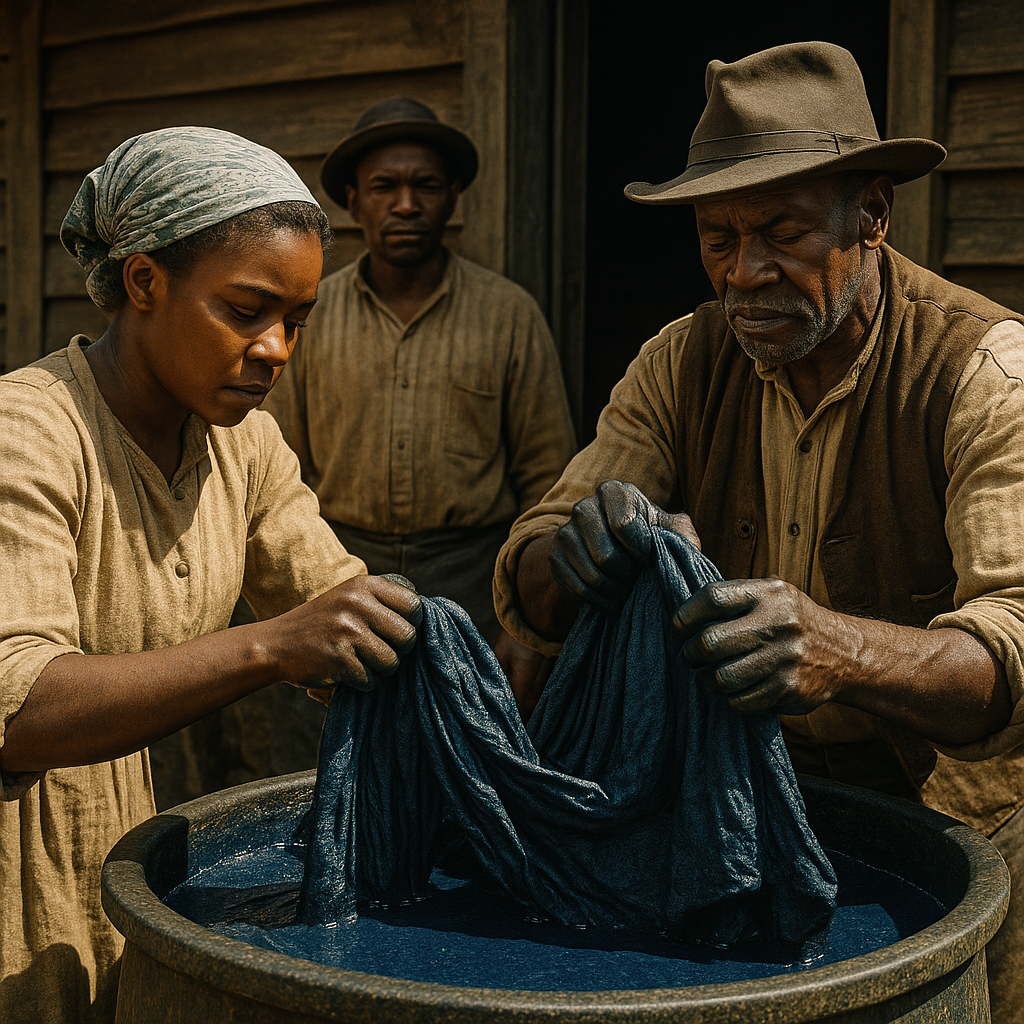
Everybody credits Levi Strauss with inventing blue jeans — but the truth is the foundation of denim was built by Black hands, Black science, and Black craftsmanship long before Levi ever filed a patent. ❤️ Support Independent Black MediaBlack Dollar & Culture is 100% reader-powered — no corporate sponsors, just truth, history, and the pursuit of generational wealth.Every article you read helps keep these stories alive — stories they tried to erase and lessons they never wanted us to learn. 1. The Myth We Were Taught: “Levi Strauss Invented Blue Jeans” That’s the version found in textbooks and brand marketing.But inventions don’t happen in a vacuum — they have a foundation. And the foundation of blue jeans wasn’t stitched in San Francisco.It was stitched on plantations. Before Levi ever touched denim, Black people had already created every major element that makes jeans what they are today. 2. Indigo Dye — A Science Mastered by Africans, Not America The famous “blue” in blue jeans came from indigo, a dye science Africans perfected centuries before the U.S. existed. People from: were known globally for their mastery of indigo cultivation and dyeing techniques. When enslaved Africans were brought to the Carolinas and the Deep South, plantation owners relied heavily on their expertise to build America’s early indigo industry — one of the country’s first major cash crops. This dye, this color, this chemistry — it was Black genius. 3. The First Workwear Pants Were Crafted by Enslaved Africans Long before factories and sewing machines: These garments were the ancestors of modern denim jeans — rugged, durable, built to withstand the worst conditions imaginable. Jeans were born out of Black labor, not Levi’s imagination. 4. So What Did Levi Strauss Actually Do? Levi Strauss didn’t invent: ❌ the pants❌ the dye❌ the style❌ the craftsmanship❌ the tradition of workwear His key contribution was one patent: 👉 metal rivets to reinforce pockets and seams. That patent helped him mass-produce a garment Black people had been creating for years — and it launched a billion-dollar industry. But the blueprint wasn’t his. 5. A Billion-Dollar Global Industry Built on Erased Black Foundations Today, denim is a $90+ billion global industry. Yet the people who: were never given recognition, credit, or generational wealth from it. This isn’t just fashion history.It’s economic history.It’s Black history.And it deserves to be restored to the center of the narrative. 📌 Final Word Blue jeans are as American as apple pie — but their origin is African. Before Levi Strauss became a household name, Black hands had already: This is yet another example of how Black brilliance built industries that the world profits from today. Black history is world history — and it deserves to be told truthfully. #BlueJeansHistory #BlackHistory #IndigoDye #UntoldStories #BlackExcellence #BlackDollarAndCulture
The Truth About Banks and How to Use Them

❤️ Support Independent Black MediaBlack Dollar & Culture is 100% reader-powered — no corporate sponsors, just truth, history, and the pursuit of generational wealth.Every article you read helps keep these stories alive — stories they tried to erase and lessons they never wanted us to learn. 1. Banks Were Never Designed to Make You Money Banks are businesses — not blessings. Their job: Your job: But here’s the truth most people don’t know: Banks make money even when you don’t. That’s why understanding the game is essential. 2. The Hidden Ways Banks Make Money Off You ✔ 1. Monthly maintenance fees You’re paying them to hold your money.Wild, right? ✔ 2. Overdraft fees Banks made billions last year from people struggling. ✔ 3. ATM fees Hit an out-of-network ATM?You just paid rent to a machine. ✔ 4. Low savings rates Banks might give you 0.01% interest…Then lend your money at 7%, 12%, even 24% interest. ✔ 5. Debit card transactions Every swipe earns the bank a small fee — not you. Banks are never losing.So why should you? 3. How to Use Banks Without Being Used Here’s how wealthy families operate: 1. Use banks for storage — not growth A checking account is NOT a wealth-building tool.It’s a parking lot. 2. Keep your emergency fund in a High-Yield Savings Account (HYSA) Banks offer 0.01%.HYSAs offer 4%–5%. Your money should breathe. 3. Automate your money Set systems so: Systems build wealth faster than discipline. 4. Have multiple accounts Not to be fancy — but strategic: Money shouldn’t mix. 5. Use credit cards the smart way Credit cards = toolsDebt = the misuse of tools Use cards for: But ALWAYS pay in full. 4. How the Wealthy Use Banks Differently Wealthy people don’t let money sit — they make it move. They use: They treat the bank like a base of operations, not a goal. 5. The Future of Banking: Digital, Automated, and Decentralized The banking system is changing fast: Banks are losing power because the average person is getting smarter. Don’t get left out. 📌 Final Word Banks were never the enemy — ignorance was. When you know how the system works,you stop being a customer… …and start being a strategist. Don’t let banks eat off you.Use their tools.Avoid their traps.Build your own system.And let your money move with purpose. #TheTruthAboutBanks #FinancialLiteracy #BlackWealth #BankingTips #BlackDollarAndCulture
From Struggle to Success: How to Build Wealth When Life Knocks You Down

.❤️ Support Independent Black MediaBlack Dollar & Culture is 100% reader-powered — no corporate sponsors, just truth, history, and the pursuit of generational wealth.Every article you read helps keep these stories alive — stories they tried to erase and lessons they never wanted us to learn. 1. When Life Knocks You Down, Your Money Doesn’t Have to Stay Down With You Life is not a straight line, and neither is wealth. Some of the most successful people didn’t start with capital — they started with loss, divorce, job cuts, eviction, illness, or grief. They didn’t rise because life was easy.They rose because they made a decision: “This setback will not get the last word.” Wealth does not require perfection — it requires persistence. 2. Your Struggle is an Asset — Not a Disqualification When life breaks something in you, it also reveals something in you: Your struggle is not a disqualifier.It is evidence that you lived through something someone else is willing to pay to overcome. 3. Five Wealth Moves to Make After a Setback ✔ 1. Reduce the financial bleeding Before building wealth, stop the leaks: ✔ 2. Start a side hustle based on what you survived Examples: Struggle Monetization Job loss Resume writing / LinkedIn services Debt Budget templates / credit repair guide Divorce/breakup Healing journal / coaching Illness Wellness eBook / support community ✔ 3. Build a “bounce-back fund” Even $20–$50 per week builds stability. ✔ 4. Learn a digital skill you can sell High-demand examples: ✔ 5. Invest automatically — even the smallest amounts Wealth is a habit, not a moment. 4. Your Story Can Become a Stream of Income People don’t pay for information — they pay for transformation. Your testimony can turn into: What tried to break you might become what pays you. 5. You Are Not Starting From Scratch — You Are Starting From Experience You didn’t lose everything.You gained wisdom. You gained clarity.You gained resilience. And resilience is a wealth-building skill. People buy from those who have been through something and grew through something. 📌 Final Word This is your reminder: You are allowed to rebuild.You are allowed to rise again.You are allowed to create wealth even if you had to start over more than once. Struggle is not the end of your story — it is the origin story of your comeback. Make it count.Make it profitable.Make it part of your legacy. #FromStruggleToSuccess #BuildBlackWealth #FinancialHealing #BlackDollarAndCulture #GenerationalWealth
How to Turn Pain Into Profit

Some of the most successful businesses didn’t begin with inspiration — they began with pain. The question is not whether you’ve been hurt, but whether you will turn that hurt into a paycheck, a platform, or a legacy. 1. Pain Is Not the Opposite of Purpose — It’s the Path to It We were raised to hide our pain.Work through it. Pray over it. Push past it. But what if pain isn’t just something to survive? What if your pain is the blueprint for the business you were meant to build? History proves it: Your pain is not the enemy.Your pain is data. 2. Pain Creates Three Things You Can Sell When you survive something, you gain three valuable assets: ✔ A story to tell People pay attention to transparency, not perfection. ✔ A solution to sell If you solved a problem for yourself, thousands need that same solution. ✔ A community to serve Pain makes you relatable — your audience finds you faster. That’s how pain becomes profit. 3. Examples of People Who Turned Pain into Profit You don’t need fame to do this — just the courage to share and build. Pain Profit A single mother overwhelmed by bills Built a budgeting workbook + course Man who lost job during COVID Started a recession-proof cleaning business Woman recovering from heartbreak Created a healing podcast + coaching offer Teen bullied for hair Built a natural hair product line Your story may be different.But your opportunity is the same. 4. Ways You Can Turn Pain Into a Business 1. Write an eBook or guide Teach people what you wish you knew sooner. 2. Launch a YouTube/TikTok channel Your survival story could free someone else. 3. Offer coaching or consulting Turn your lessons into transformation for others. 4. Create a product that solves what hurt you Supplements, apps, journals, courses, apparel, memberships. 5. Build a support community or membership People are paying for belonging, not just information. 5. The Mindset Shift: You Are Not What Happened to You To turn pain into profit, you have to release one lie: “What I went through disqualifies me.” No.What you went through prepared you. You’re not monetizing trauma —you’re monetizing the solutions that came from it. 6. The Business Formula for Turning Pain Into Profit Here is your 4-step transformation model: 1️⃣ Identify the painWhat problem did you overcome? 2️⃣ Document the processWhat steps did you take? 3️⃣ Package the solutionDigital product, course, coaching, community, etc. 4️⃣ Share the storyYour vulnerability is a marketing advantage. People don’t buy products.They buy who they become after using them. 📌 Final Word You are not defined by pain.You are refined by it. Some people suffer and stay silent.Others survive and become symbols. But the builders?The builders turn lessons into legacy…and pain into profit. The world is waiting on what you healed from.Don’t just recover — monetize the recovery. #HowToTurnPainIntoProfit #BlackWealth #EntrepreneurMindset #PurposeToProfit #BlackDollarAndCulture
Daniel Hale Williams — The Black Surgeon Who Performed the First Successful Open-Heart Surgery
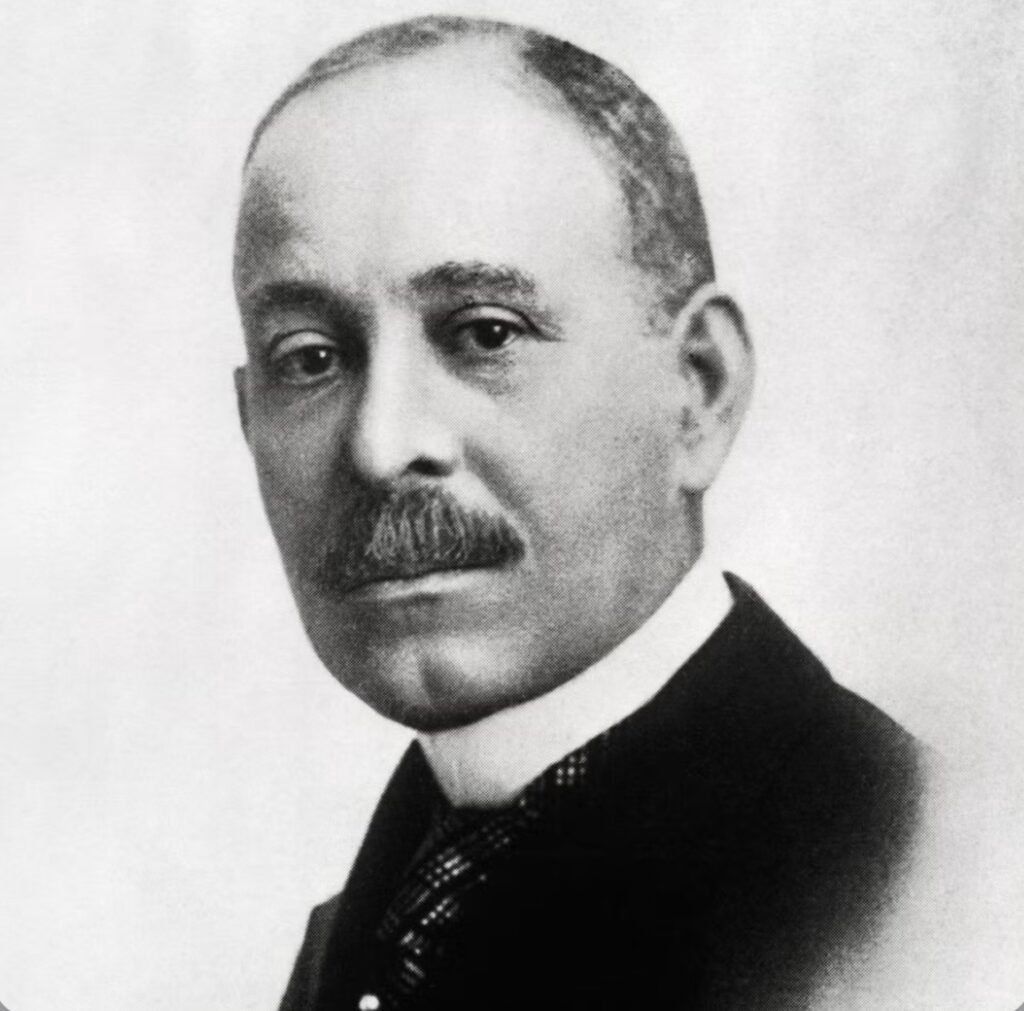
Before textbooks whispered his name, a Black surgeon in Chicago changed medical history. Daniel Hale Williams opened a man’s chest and repaired a beating heart — at a time when white hospitals refused to treat Black patients. ❤️ Support Independent Black MediaBlack Dollar & Culture is 100% reader-powered — no corporate sponsors, just truth, history, and the pursuit of generational wealth.Every article you read helps keep these stories alive — stories they tried to erase and lessons they never wanted us to learn. 1. The Night That Changed Medicine Forever On July 10, 1893, a man named James Cornish was rushed into Provident Hospital after being stabbed in the chest.His chances of surviving were slim. The heart was considered untouchable — too dangerous to operate on. But Dr. Daniel Hale Williams refused to accept that. At a time when: Williams opened the chest, carefully exposed the heart, and repaired the torn pericardium, the sac that protects it. Cornish lived. Medicine would never be the same. 2. Provident Hospital — When We Build Our Own, We Save Our Own Dr. Williams performed the groundbreaking surgery at Provident Hospital, the first Black-owned, Black-operated hospital in the United States. Why did it exist? Because Black doctors, nurses, and patients were denied treatment in white hospitals. Provident became: Without Provident Hospital, that surgery may never have happened. Ownership wasn’t just economic.It was life and death. 3. Why Most Textbooks Skip This Story Even after proving his brilliance, Dr. Williams faced resistance: Yet his impact is unmistakable: 🏥 Inspired the founding of Black medical institutions🩺 Advanced sterile surgical practices❤️ Proved that heart surgery was possible📚 Opened doors for Black physicians nationwide History didn’t forget him by accident — it was suppressed. 4. Legacy in Modern Medicine Thousands of heart surgeries performed today connect back to that night in 1893. Dr. Williams later helped lead: His legacy lives on every time a heart patient survives what was once a guaranteed death sentence. 5. What This Means for Black America Today This isn’t just history. It’s a blueprint. Lessons we carry forward: ✔ We must own institutions — hospitals, banks, schools, media✔ Black brilliance thrives when barriers are removed✔ Our children must learn not just the history of oppression, but the history of innovation Dr. Williams didn’t wait for permission.He built what we needed. So must we. 📌 Final Word Dr. Daniel Hale Williams didn’t just save a life.He changed the future of medicine — and proved that Black excellence is not new, it is continuous. They tried to shut us out of hospitals, so we built our own.They said heart surgery was impossible — we proved it wasn’t. Our legacy is not struggle.Our legacy is genius. #DanielHaleWilliams #BlackHistory #BlackExcellence #ProvidentHospital #BlackDollarAndCulture #MedicalHistory
IRS Stimulus Check — What’s Real, What’s Rumor, and What Black America Should Know

❤️ Support Independent Black MediaBlack Dollar & Culture is 100% reader-powered — no corporate sponsors, just truth, history, and the pursuit of generational wealth.Every article you read helps keep these stories alive — stories they tried to erase and lessons they never wanted us to learn. 1. Rumors vs Reality — What the IRS Actually Says 2. Why These Rumors Spread — and Why Black America Should Care 3. What Black Families Should Do Instead of Chasing Rumors ✅ 1. Verify Before You Share or Click ✅ 2. Focus on Growth, Not Just Relief ✅ 3. Protect Your Identity & Finances 4. Possible Future Payments — Yes, But Not ‘Checks’ Yet 5. Use This Moment to Build Financial Resilience Instead of waiting for a stimulus check: 📌 Final Word There’s no surprise “IRS stimulus check” dropping right now.But you still hold the power.Use this truth as a catalyst — not a disappointment. When others chase rumors, you build systems.When others wait for checks, you build income streams.And when others hope for relief, you position yourself for ownership. #IRSStimulusCheck #FinancialLiteracy #BlackWealth #BlackDollarAndCulture #ProtectYourFinances
The Future of Work and AI — What Black America Must Prepare For Now
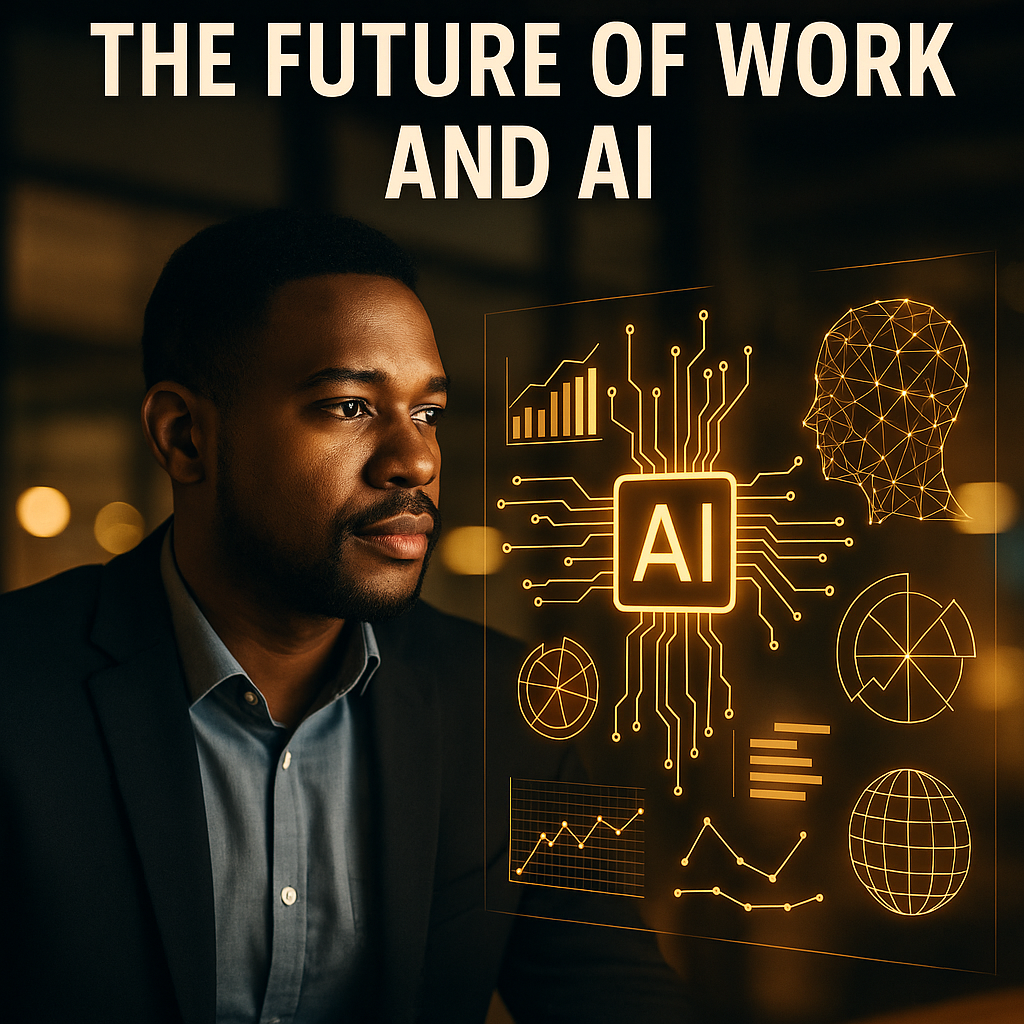
Word Count: ~1,250** The future isn’t coming — it’s already here.AI is reshaping jobs, businesses, education, and entire industries faster than any technology in modern history. And while some people fear it, others are quietly positioning themselves to own more, automate more, and earn more.The question isn’t whether AI will change the future of work.It’s whether we will be ready to profit from that change. AI is replacing tasks, not talent. The people who learn how to use it won’t lose jobs — they’ll dominate industries. And if Black America gets ahead now, we won’t just survive the AI revolution… we’ll lead in it. ❤️ Support Independent Black Media Black Dollar & Culture is 100% reader-powered — no corporate sponsors, just truth, history, and the pursuit of generational wealth. Every article you read helps keep these stories alive — stories they tried to erase and lessons they never wanted us to learn. 1. AI Isn’t Coming for Jobs — It’s Coming for Job Tasks Most people think AI will replace entire careers, but the truth is deeper:AI replaces tasks, not human purpose. For example: The people who learn to pair their talent with AI tools will work faster, smarter, and for higher pay. 2. The New Work Hierarchy: Who Wins and Who Loses AI is splitting the job market into two groups: ✔ Those who use AI These people will: ✘ Those who ignore AI These people will: The future belongs to the people who use AI like a power tool — not a threat. 3. Jobs That AI Can’t Replace Some work will always need a human heart.AI cannot replace: And that’s where Black culture shines:We are innovators, creators, communicators, builders — and those skills can’t be automated. 4. Jobs That Will Grow Because of AI AI isn’t killing jobs — it’s creating millions of new ones, especially in: We don’t need to “fit into” the future — the future is waiting for us to lead. 5. How Black Workers Can Get Ahead Right Now 1. Learn one AI skill Not 50 — just one.Examples: Mastering one tool puts you ahead of 80% of the workforce. 2. Build a digital side hustle AI tools now let you: Digital work = digital ownership. 3. Automate repetitive tasks Let AI handle: Automation makes room for income, not burnout. 4. Pass AI knowledge to your kids Teach them early: The next generation should know how to use AI, not fear it. 6. AI + Black Culture = Power AI without culture is cold.AI with cultural understanding is revolutionary. Black creators are already using AI to: Where others see technology, we see expression, storytelling, and legacy. 7. The Future: Ownership or Dependency If we use AI the same way we used social media — consuming instead of creating — we’ll miss the moment. But if we own the tools, create with them, build with them, and teach them to our children…We won’t just adapt to the future.We’ll shape it. Final Word: Don’t Fear the Future — Build It AI is not the threat.Being unprepared is. The future of work belongs to people who: When we combine intelligence, creativity, and culture with AI…Black wealth becomes unstoppable. The world is entering a new era.Don’t watch it happen — lead it. #AIRevolution #FutureOfWork #BlackWealth #BlackDollarAndCulture #TechForTheCulture
Blue Origin Is Trending — Here’s What You Need to Know Right Now

Word Count: ~1,000+ Blue Origin just made headlines again — and the internet is lit. Whether you love billionaires in space or side-eye them, one thing’s clear: the future of travel is going UP — and space technology isn’t just for sci-fi anymore. ❤️ Support Independent Black Media Black Dollar & Culture is 100% reader-powered — no corporate sponsors, just truth, history, and the pursuit of generational wealth. Every article you read helps keep these stories alive — stories they tried to erase and lessons they never wanted us to learn. 1. What Just Happened 2. Why People Care 3. What It Means for Us ✅ Opportunity for Black Engineers & Entrepreneurs If Blue Origin is scaling, that means: ✅ Ownership + Wealth Potential When rocket companies succeed, they create platforms for: You can participate, but you should own.Be part of the supply chain. Be the founder of a vendor.Don’t just watch the launch — build the launch platform. ✅ Infrastructure Growth When launches increase, spaceports, test sites, factories grow.Real estate values, local hiring, minority-owned business opportunities expand.This can affect urban development, education grants, and regional wealth. 4. The Risk Side (Let’s Be Real) 5. Your Move — How to Plug In Now