The Real Meaning of Financial Freedom

Most people think financial freedom is about being rich — but Sir Wealthington would tell you it’s about something far more valuable: having your life back. ❤️ Support Independent Black MediaBlack Dollar & Culture is 100% reader-powered — no corporate sponsors, just truth, history, and the pursuit of generational wealth.Every article you read helps keep these stories alive — stories they tried to erase and lessons they never wanted us to learn. 1. Financial Freedom Means Control Over Your Time Financial freedom starts with time — the most expensive, non-refundable asset you’ll ever have. You’re not free just because you have money.You’re free when you have the choice to decide what you do with your day. True freedom looks like: Money gives you options.Time gives you life. 2. Financial Freedom Means You’re Not Controlled by Bills Bills will always be there — but freedom means they don’t run your life. Financial freedom looks like: When bills can’t bully you, your confidence rises. 3. Financial Freedom Means You Can Walk Away from Toxic Jobs A lot of people stay in unhealthy workplaces because they need the paycheck, not because they want the work. Freedom means: You don’t beg for a seat at the table when you can build your own. 4. Financial Freedom Means Your Money Works While You Rest Wealthy families don’t trade time for money — they trade money for more money. Your freedom grows when you: Financial freedom is built on one principle:Income that doesn’t require you to show up every day. 5. Financial Freedom Means You’re Prepared for Emergencies Emergencies don’t schedule appointments.A financially free person doesn’t panic — they prepare. Freedom includes: Preparation protects your household. 6. Financial Freedom Means You Make Money Decisions — Not Emotional Decisions Money hits differently when you’re stressed.But freedom means you can think clearly instead of surviving under pressure. A financially free mindset: Emotional money is broken money.Calm money is wealth money. 7. Financial Freedom Means Generational Protection True financial freedom isn’t just for you — it’s for the people who come after you. This includes: You’re free when your kids don’t have to start where you started. Freedom is legacy. 📌 Final Word Financial freedom is not about being rich — it’s about being in control.It’s about options.It’s about peace.It’s about building a life, not just surviving it. Sir Wealthington would say it like this: “Financial freedom is when money serves you — not the other way around.” And the sooner you start moving toward it, the sooner your life begins to feel like it finally belongs to you. #FinancialFreedom #BlackWealth #MoneyMindset #GenerationalWealth #BlackDollarAndCulture
The Secret Spy Who Changed the American Revolution — James Armistead Lafayette
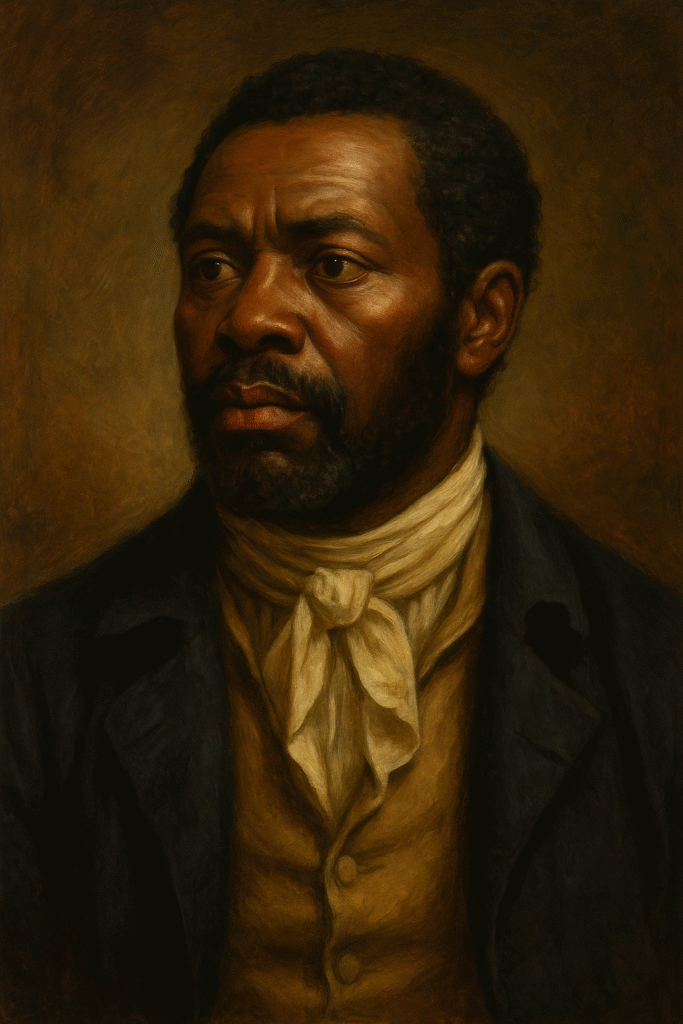
❤️ Support Independent Black MediaBlack Dollar & Culture is 100% reader-powered — no corporate sponsors, just truth, history, and the pursuit of generational wealth.Every article you read helps keep these stories alive — stories they tried to erase and lessons they never wanted us to learn. He walked into enemy camps dressed as a servant, carrying papers no one questioned and wearing a face the British dismissed as invisible. They had no idea the man pouring their drinks, preparing their quarters, and listening quietly in the corner would become one of the most effective spies in American history. His name was James Armistead — later known as James Armistead Lafayette — and without him, the American Revolution may have ended very differently. Born enslaved in Virginia, Armistead had no rights, no citizenship, and no freedom. But he had one thing that would reshape the future of a nation: he could move unnoticed. In a world built on the arrogance of racism, the British believed no Black man was capable of influencing war. That blindness became their downfall. When Marquis de Lafayette, the young French general fighting alongside George Washington, asked for volunteers to gather intelligence behind British lines, Armistead stepped forward. Not for glory. Not for payment. But for the smallest possibility of freedom. What he accomplished after that was nothing short of extraordinary. Posing as a runaway enslaved man seeking refuge with the British, Armistead infiltrated General Cornwallis’s camp — the heart of British strategy in the South. Cornwallis welcomed him, believing Armistead could gather information on American troops. The British told him everything. They handed him maps, letters, strategies, and plans. They let him into war rooms. They trusted him with secrets they would never share with white Americans, let alone enslaved Black men. What they didn’t know was that James Armistead was a double agent. Every detail he gathered — every troop movement, every supply route, every shift in British strategy — was carried back to Lafayette, often through dangerous night journeys across hostile territory. Armistead’s intelligence was so precise, so consistent, and so timely that Lafayette built entire strategies around his reports. It was Armistead who discovered Cornwallis’s shift toward Yorktown. It was Armistead who passed along the movements that allowed American and French forces to trap the British. And it was Armistead’s intelligence that helped deliver the decisive victory that ended the war. Yet when the cheering stopped and America declared itself free, James Armistead remained enslaved. The new nation celebrated liberty while the man who helped secure it still lived in bondage. His petitions for freedom were denied — until Lafayette, the general he had risked his life for, intervened with a passionate written plea: James Armistead had served the cause of independence “with great intelligence,” “great zeal,” and “great fidelity.” He deserved his liberty. The Virginia Assembly finally agreed. In honor of the man who advocated for him, James took the name Lafayette, a symbol of the bond between the young French general and the Black spy who changed American history. James Armistead Lafayette went on to buy land, raise a family, and live freely on soil he helped liberate. And yet, despite the magnitude of his contribution, the story of this man — this brilliant strategist, this courageous double agent, this forgotten hero — remains buried beneath myths of the Revolution that center only on white founding fathers. But the truth is clear: America would not exist in its current form without him. James Armistead Lafayette proved something revolutionary: that even in chains, Black brilliance can shift the course of nations. His story is a reminder that the fight for freedom has always included us, even when the history books tried to write us out. #JamesArmisteadLafayette #BlackHistory #AmericanRevolution #HiddenFigures #UnsungHeroes #BlackDollarAndCulture
Don’t Go Broke for Christmas — Spend Smarter, Build Wealth, and Skip the Holiday Debt Trap

❤️ Support Independent Black MediaBlack Dollar & Culture is 100% reader-powered — no corporate sponsors, just truth, history, and the pursuit of generational wealth.Every article you read helps keep these stories alive — stories they tried to erase and lessons they never wanted us to learn. 1. The Christmas Trap: Why Overspending Happens Every December Every December, millions of people fall into the same financial trap — spending money like the calendar resets on January 1st. Retailers know it. Banks know it. The entire economy thrives on convincing you that “holiday spirit” means you have to spend big. But the truth is simple: Christmas doesn’t require you to wreck your finances. Families feel pressure from traditions, social expectations, Instagram-worthy gift hauls, and emotional buying. And companies spend billions to make you believe you need more, buy more, and give more — even when your wallet is begging for mercy. 2. The Wealth Rule: Gifts Should Never Cost You Financial Freedom A gift should bring joy — not debt, stress, or sleepless nights. If you’re: …it’s not generosity — it’s financial self-sabotage. Your future deserves better than holiday pressure. 3. What to Spend Money On Instead of Christmas Debt A. Build an Emergency Fund There is no better feeling than entering January with money saved instead of money owed. Even $25, $50, or $100 set aside makes a difference. B. Buy Assets That Grow Instead of toys that break in a week, invest in: Assets build wealth. Toys build clutter. C. Choose Experiences Over Stuff Kids forget 75% of the gifts they receive. But they never forget: Memories last longer than wrapping paper. D. Invest in Skills That Make You Money Spend money on things that increase your income: Your brain is the greatest investment you’ll ever fund. E. Pay Down High-Interest Debt The fastest way to reduce stress in the New Year is to eliminate the bills draining your pockets. F. Focus on Legacy, Not Luxury Wealthy families use holidays to buy: These gifts grow in value long after Christmas lights come down. 4. Celebrate Christmas Without Breaking Your Wallet You don’t have to be a Scrooge to be financially smart. Use strategies like: Your kids won’t remember how many gifts they received — they’ll remember the feeling inside the home. 5. What Children Really Need Kids don’t need the most expensive toys, phones, or trends. What they truly need is: And as they get older, they’ll need: The best Christmas gift is a strong foundation. 📌 Final Word There’s nothing wrong with celebrating Christmas — but there’s everything wrong with destroying your financial future for one day of temporary excitement. Wealth isn’t built in December. Wealth is protected in December. This year, choose to spend smarter.Choose to invest in your future.Choose peace over pressure.Choose freedom over debt. Because the best gift you can give your family isn’t under the tree — it’s the stability, security, and generational wealth you build year after year. #HolidayFinanceTips #BlackWealth #SmartMoneyMoves #GenerationalWealth #BlackDollarAndCulture
Today in History: Marcus Garvey’s “Redemption Day”
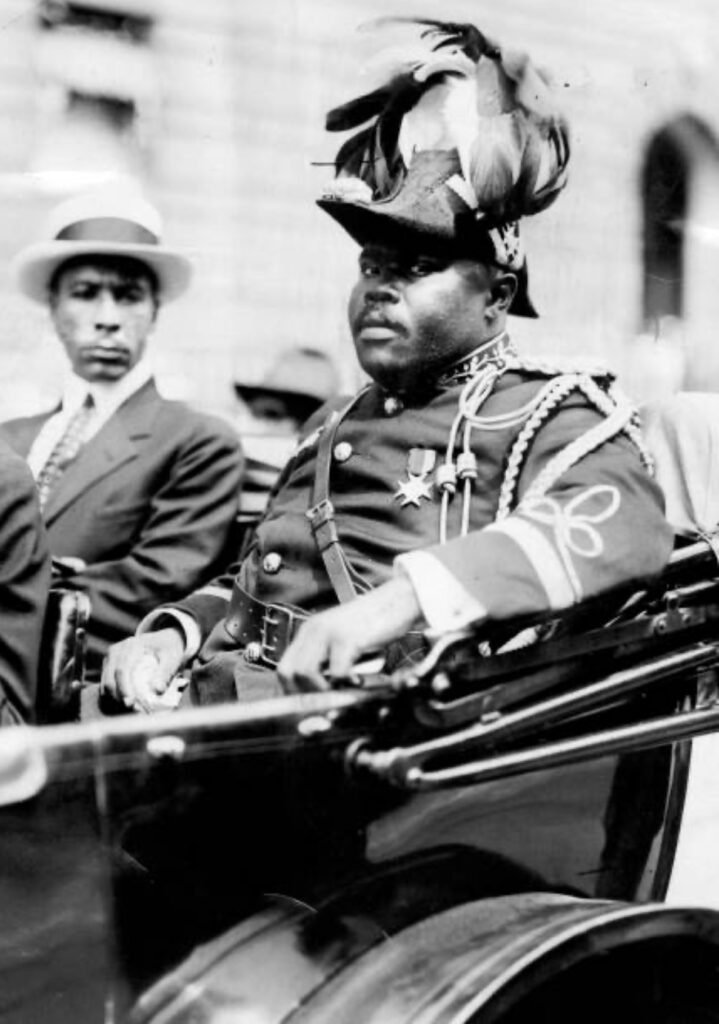
Before the world had microphones, viral videos, or social media movements, there was a single Black man standing on a wooden platform in Harlem, speaking with a voice so powerful it traveled across oceans. On this day, Marcus Mosiah Garvey delivered what the world would come to know as his “Redemption” message — a fiery call for Black people everywhere to reclaim their identity, their unity, and their global destiny. It wasn’t just a speech. For millions across the African diaspora, it was the sound of awakening. Garvey spoke at a time when Black people were told to shrink, to remain invisible, to believe they were powerless. Yet here he was — a man from Jamaica, standing in the heart of America, declaring boldly that Black people were heirs of empires, not the ruins left behind. His voice carried the weight of ancestors, and his words lifted the heads of people taught never to look themselves in the mirror with pride. “Redemption,” he said, “means rising from the ruins. It means rebuilding the greatness that was taken from us.” And when he said it, it was as if he was speaking not to one crowd, but to every Black person scattered across continents and time zones. In those days, Harlem overflowed with Garvey supporters — men, women, children, workers fresh from the docks, West Indian immigrants, African-Americans weary from Jim Crow, and Africans watching colonial nations carve up their homeland. They gathered in streets, halls, and balconies just to hear this man who dared to speak of liberation. Garvey’s Redemption message wasn’t about politics; it was about possibility. He told Black people to see themselves not as victims of history but as authors of the next chapter. He reminded them that the blood of kings, queens, scholars, farmers, builders, and warriors didn’t disappear when the ships crossed the Atlantic — it survived inside every one of them. Redemption, to Garvey, meant rebuilding what was stolen: dignity, unity, purpose, nationhood. It meant understanding that Africa wasn’t a place to pity, but a homeland to restore. It meant seeing the Black diaspora — from Jamaica to Chicago to Ghana — as one people with one destiny. And that idea alone terrified governments. Because once a people stop believing the lies told about them, their power becomes limitless. Garvey’s Redemption movement grew everywhere: in Caribbean ports, in West African cities, across South America, in London, and throughout Black America. His message was simple: You are somebody. You come from greatness. Stand tall and reclaim it. And for many Black families, these were words they had never heard before. For the first time, generations beaten down by racism and colonialism felt their spirits lifted by a leader who didn’t ask for permission to be Black and proud — he demanded it. A century later, his voice still echoes. Every time we build Black businesses, teach Black history, support Black media, invest in our families, protect our culture, and refuse to shrink ourselves to fit someone else’s comfort, we honor Redemption Day. Every time a Black entrepreneur steps into ownership, every time a child learns where they truly come from, every time a family chooses legacy over survival, Garvey’s prophecy unfolds a little more. Marcus Garvey’s Redemption message wasn’t meant for a moment — it was meant for a people. A people rising. A people rebuilding. A people remembering who they are. On this day in history, Garvey didn’t ask the world for permission. He told Black people everywhere: the time to reclaim your destiny is now. And today, as new generations rediscover his words, Redemption is no longer a speech — it is a movement that lives on through us. #MarcusGarvey #RedemptionDay #BlackHistory #PanAfricanism #BlackExcellence #BlackDollarAndCulture
Why the Future Belongs to the Creators

❤️ Support Independent Black MediaBlack Dollar & Culture is 100% reader-powered — no corporate sponsors, just truth, history, and the pursuit of generational wealth.Every article you read helps keep these stories alive — stories they tried to erase and lessons they never wanted us to learn. 1. The Creator Economy Is Exploding (And It’s Not Slowing Down) Ten years ago, being a “creator” sounded like a hobby.Today, it’s a multi-billion-dollar industry. Creators earn money through: This is no longer a trend —it’s the new American Dream. 2. Creativity Is Now More Valuable Than a College Degree The old world rewarded: The new world rewards: A creator with a smartphone and consistency can out-earn someone with a master’s degree. Value is no longer measured by paper —it’s measured by impact. 3. The Middleman Is Gone — Creators Go Direct In the past: Now?Creators go straight to the people. Platforms like: …allow creators to turn a skill or passion into direct income. The rich used to own the gateways.Now creators own themselves. 4. AI Is Leveling the Playing Field for Everyone Before AI, you needed: Now?AI makes it possible to: Creators who embrace AI will outpace everyone else.This is how one-person businesses are becoming empires. 5. Creators Build Communities — And Communities Build Wealth People don’t just follow creators —they trust them. A strong community becomes: A community can make someone with 10,000 followers earn more than someone with 1 million. Community > clout. 6. Creators Control Their Schedule, Their Message, and Their Money The creator lifestyle provides: You decide: No managers.No HR.No glass ceilings.Just ownership. 7. The Barriers to Entry Are Gone — Anyone Can Become a Creator You no longer need: You only need: This is the first time in history where regular people can go from unknown to financially free because of digital creativity. 📌 Final Word The future doesn’t belong to the biggest companies.It belongs to the boldest creators. Creators who: The digital world is expanding.And the creators who step into it now will dominate the next decade. Don’t wait.Start creating.Your future audience is already looking for you. #CreatorEconomy #BlackWealth #FinancialLiteracy #DigitalBusiness #BlackDollarAndCulture
What a Family Wealth Meeting Should Look Like

. ❤️ Support Independent Black MediaBlack Dollar & Culture is 100% reader-powered — no corporate sponsors, just truth, history, and the pursuit of generational wealth.Every article you read helps keep these stories alive — stories they tried to erase and lessons they never wanted us to learn. 1. Why Every Family Needs Wealth Meetings In wealthy families, money is not a secret — it’s a system. Family wealth meetings: A family that talks about money regularly…wins regularly. This is how rich families stay rich for generations. 2. Set the Tone: This Is a Safe, Respectful Space Wealth meetings are not: They are: Start with:“We’re here to grow together, not criticize each other.” This is crucial for Black families especially —because many of us grew up with financial trauma, silence, or shame around money. 3. Start With the “State of the Family” This is the opening report. Go over: Think of it as a family scorecard.Not to judge — to understand. You can’t change what you don’t measure. 4. Discuss Goals: Short-Term, Long-Term, and Legacy Break them into three categories: Short-Term (0–12 months) Long-Term (1–5 years) Legacy (10+ years) A family without goals is a car with no steering wheel. 5. Review All Important Documents (This Is What Wealthy Families Do) Wealth meetings MUST include a document check: Most families avoid this.Wealthy families MASTER it. This ensures: 6. Assign Responsibilities (Everyone Has a Role) Wealth meetings work when responsibilities are shared. Examples: Everyone contributes — everyone grows. 7. Include the Kids (Age-Appropriate) Wealth is a family sport. Kids should learn: Let them sit in.Let them ask questions.Let them help with decisions. Teach them early so they don’t have to recover later. 8. Review Progress Monthly You don’t need long meetings. 20–30 minutes is enough. Just focus on: Consistency matters more than perfection. 9. Celebrate Wins — Even Small Ones Wealth is built brick by brick. Celebrate when: Small wins create momentum. And momentum creates generational change. 📌 Final Word A family wealth meeting isn’t about money —it’s about alignment, vision, and direction. It turns chaos into clarity.It turns households into teams.It turns families into legacies. If you want generational wealth,you can’t wait for it to happen. You plan it.Together. #FamilyWealth #GenerationalWealth #BlackWealth #FinancialLiteracy #BlackDollarAndCulture
The Wealthy Way to Handle Taxes

❤️ Support Independent Black MediaBlack Dollar & Culture is 100% reader-powered — no corporate sponsors, just truth, history, and the pursuit of generational wealth.Every article you read helps keep these stories alive — stories they tried to erase and lessons they never wanted us to learn. 1. The Wealthy Don’t “Do Taxes” — They Plan Their Taxes The average person waits until April to think about taxes.The wealthy think about taxes all year. They don’t wonder, “How much do I owe?”They ask, “How do I LEGALLY lower what I owe before the year ends?” Tax strategy > Tax reaction. This is the difference between: 2. The Wealthy Turn Personal Expenses Into Business Deductions The rich don’t pay for everything themselves — their businesses do. Examples of legal business deductions: If it’s used for business, it can often be deducted. The wealthy understand this:The more you use your business, the less you pay personally. 3. The Wealthy Use Tax-Advantaged Accounts These accounts legally reduce taxable income: ✔ Roth IRA Grows tax-free. ✔ SEP IRA or Solo 401(k) Perfect for entrepreneurs — MASSIVE tax deductions. ✔ HSA (Health Savings Account) Triple tax benefits.Almost nobody uses it. The wealthy max these out because they understand:Tax-free money grows faster. 4. The Wealthy Use Real Estate as a Tax Shelter Real estate is the most powerful tax tool in the country. Benefits: That’s why most millionaires own property. Real estate = tax advantages + cash flow + appreciation. 5. The Wealthy Turn Their Kids Into Tax Breaks Instead of giving kids allowance… They hire them. Paying your children (legally): And kids can work in: It’s called income shifting, and wealthy families have done it for decades. 6. The Wealthy Use Trusts to Protect Money The rich don’t pass money directly — they pass money through: Why? Trusts = generational tax strategy. 7. The Wealthy Keep Receipts & Records (This Saves Thousands) If you can’t prove it, you can’t deduct it. They track: The IRS loves documentation.The wealthy love keeping money. 8. The Wealthy Don’t Fear Accountants — They Hire Them A CPA is not an expense…A CPA is a tax discount machine. They help you: Most people don’t get wealthy from income —they get wealthy from keeping more of their income. 📌 Final Word You don’t need millions to use wealthy tax strategies.You just need knowledge and consistency. Start thinking like the wealthy: The tax code isn’t built to punish people —it’s built to reward behaviors that build wealth. Learn the rules, and the game becomes much easier. #TaxStrategy #BlackWealth #FinancialLiteracy #EntrepreneurTips #BlackDollarAndCulture
Jeremiah Hamilton: The Forgotten Black King of Wall Street
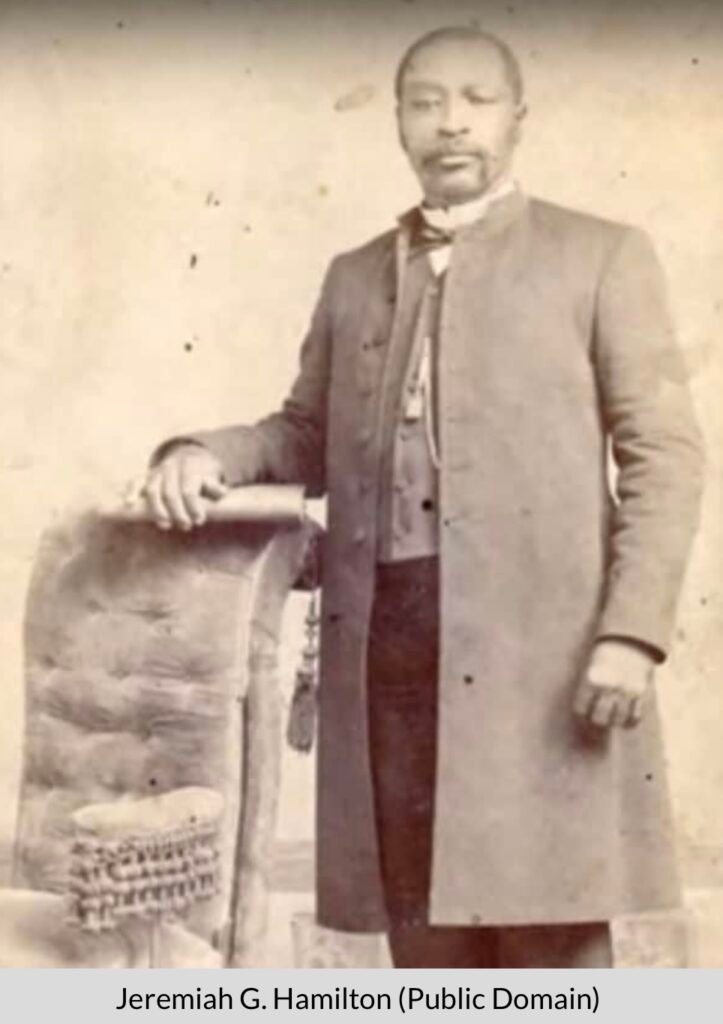
Long before Wall Street was a canyon of steel towers and billion-dollar firms, when lower Manhattan still smelled of seawater, coal smoke, and horse iron, a lone Black man walked its narrow, uneven streets with the confidence of someone who knew he didn’t belong there—yet refused to leave. His name was Jeremiah Hamilton, and during the mid-1800s, in the era of slavery, segregation, and violent racism, he did what no one believed possible: he became New York’s first Black millionaire, dominating a financial system that was never meant to include him. His story isn’t just rare.It is revolutionary.And it was nearly erased. Hamilton didn’t inherit generational wealth. He wasn’t protected by a powerful white family or backed by elite institutions. He built his empire inside a society structured to crush Black ambition at its roots. He played a game where the rules were written by his enemies—and still beat them at it. Even those who hated him confessed he was brilliant, fearless, calculating, and dangerous in the way only a man breaking racial boundaries can be. Born around 1806 in the Caribbean, Hamilton arrived in New York as a teenager. The city at the time was a paradox: a booming economic hub powered by global trade, yet still deeply entangled in slavery. Free Black people existed in a fragile, uncertain space—free, but not equal; present, but unwelcome. It was here that Hamilton carved out his identity. While most Black people were trapped in labor jobs or shut out of opportunities altogether, Hamilton pushed himself into commerce, international trade, and high-level negotiation—worlds dominated exclusively by wealthy white men. By his mid-20s, Hamilton had already developed a reputation for extraordinary intelligence and unbreakable nerve. Newspapers described him as “bold,” “audacious,” “daring,” and “dangerous.” These weren’t compliments—they were warnings. In a society where Black obedience was expected, Hamilton’s sharp mind and refusal to be intimidated were viewed as threats. His early rise came through an operation involving counterfeit coins, insurance loopholes, and trade violations. If a white merchant had done it, it would’ve been called “creative business tactics.” But Hamilton, as a Black man with ambition, was hunted. He was chased by mobs, nearly murdered, and forced to flee. Most men would have disappeared into the shadows. Hamilton came back stronger. When he returned to New York, he didn’t hide or play small. He stepped further into the belly of New York’s financial system—Wall Street—a place where no one wanted him and almost everyone wished he dead. Instead of breaking under the pressure, he studied the system, mastered it, and began beating men at their own game. He became so strategic, so calculating, that many wealthy businessmen had no choice but to partner with him or be destroyed by him. By the 1830s, Jeremiah Hamilton was a giant in the world of real estate speculation. He bought distressed properties, underwater mortgages, and land in neighborhoods where Black ownership was unheard of. He purchased parcels in Manhattan, Harlem, modern-day Tribeca, and beyond. He played chess while the city played checkers. Then came the Great Fire of 1835, one of the most devastating disasters in New York history. Flames consumed warehouses, docks, businesses, and some of the wealthiest commercial blocks in the country. While most businessmen wept over their losses, Hamilton saw opportunity. He used his cash reserves to buy fire-damaged properties at a fraction of their value. He loaned money at high interest to desperate merchants. He rebuilt, resold, and reinvested while the city was still smoking. That fire made him a multimillionaire in today’s money. By the 1840s, Hamilton controlled a financial network that stretched across real estate, insurance, trading, and lending. White elites despised him because they couldn’t control him. They couldn’t intimidate him. They couldn’t outsmart him. Newspapers, angry traders, and political enemies gave him the name meant to be an insult: “The Black Napoleon of Wall Street.” But the title exposed something else:Jeremiah Hamilton wasn’t just a wealthy Black man.He was a powerful one. Hamilton intimidated men who had never feared a Black person in their lives. He sued white businessmen and won. He walked into boardrooms where no Black person had ever stepped and left with deals sealed. He overcame racist laws, exclusionary banks, corrupt officials, and violent mobs—and still built an empire. Even his personal life defied the era’s norms. Hamilton lived in a wealthy white neighborhood, married a white woman, and raised mixed-race children during a time when interracial marriage was not only taboo, but often illegal. He owned a large mansion in New Jersey, complete with servants, groundskeepers, and luxuries unheard of for Black Americans at that time. Every day of his life was an act of rebellion. And yet, Hamilton was not someone who sought community approval. He didn’t involve himself in Black organizations, abolitionist circles, or social movements. Some say he avoided them because association made him a bigger target. Others say he didn’t trust the Black elite—he saw how quickly they distanced themselves from controversy, and Hamilton thrived in chaos. He chose to survive alone, on his own terms, in a world determined to destroy him. When he died in 1875, his estate was worth millions in today’s dollars. He left behind land, buildings, securities, and financial records that showed just how deep he’d carved his influence into New York’s economic landscape. Yet not a single Black newspaper published an obituary. Not a single major Black historian of the era claimed him. White newspapers only mentioned him to mock him or erase his accomplishments. His story faded from textbooks, archives, and public memory. For over a century, Jeremiah Hamilton became a ghost. But today, he rises again. Hamilton’s legacy is powerful not only because he was wealthy, but because of how he became wealthy—through intelligence, courage, and relentless determination in the face of racism so violent it’s hard to imagine today. His life proves that Black brilliance has always existed at the highest level of American finance, even when the world pretended
The Eternal Bond: The Full Story of Louis & Khadijah Farrakhan
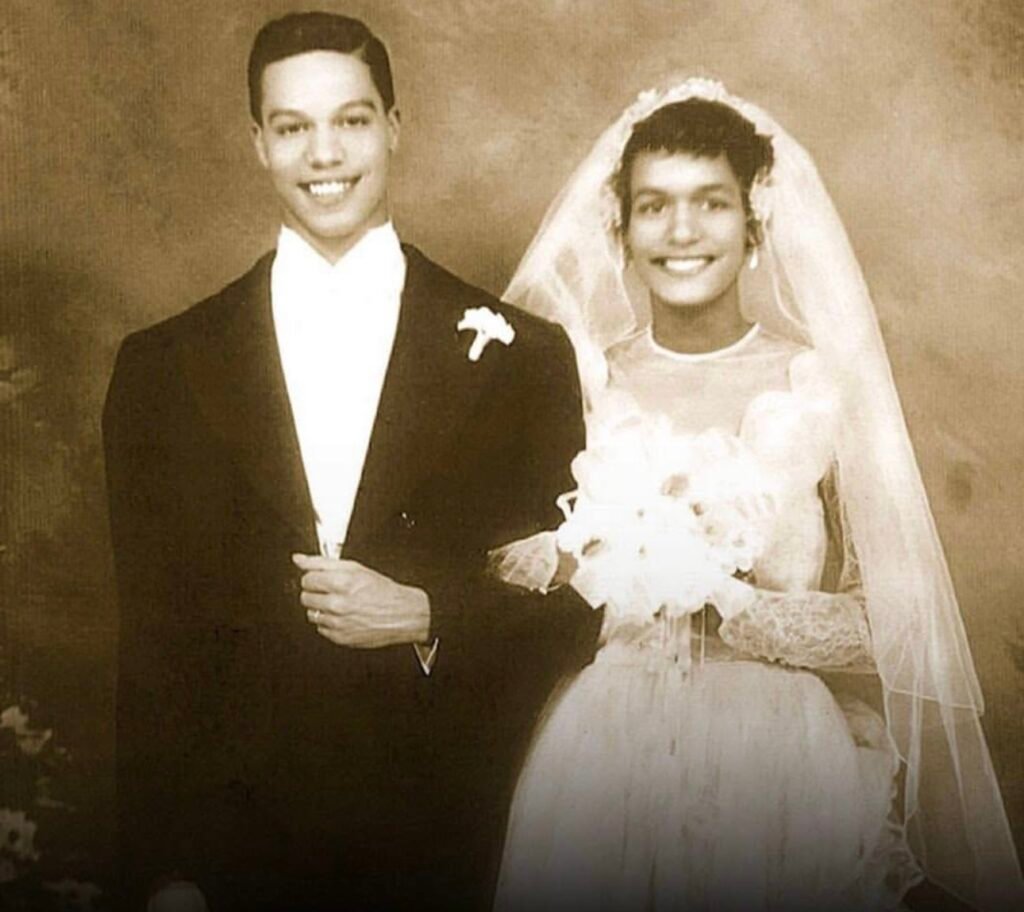
❤️ Support Independent Black Media Black Dollar & Culture is 100% reader-powered — no corporate sponsors, just truth, history, and the pursuit of generational wealth. Every article you read helps keep these stories alive — stories they tried to erase and lessons they never wanted us to learn. A seven-decade journey of love, faith, and legacy that shaped a movement and inspired generations. Louis Farrakhan and Khadijah Farrakhan share one of the longest, most remarkable, and least-discussed love stories in modern Black history — a story that stretches across seven decades, multiple eras of American transformation, political upheavals, spiritual revolutions, and a legacy that touches millions. Their journey begins long before the speeches, before the headlines, before the controversies, and long before Louis Farrakhan became a national figure. It begins in the early 1950s, when America was still openly segregated, when Jim Crow was law, when Black ambition was suppressed, and when Black families faced constant pressure to break apart. Against this backdrop, a young violinist named Louis Eugene Walcott met a young woman named Betsy Ross, who would later become Khadijah Farrakhan — his partner, his anchor, his mirror, and his lifelong companion. They married in 1953, a time when interracial buses were still divided by law, when voting was still a fight, when the idea of a strong, public Black marriage surviving decades of pressure was almost unheard of. Yet from the beginning, their relationship was not built on convenience or romance alone — it was built on mission, faith, discipline, and destiny. Before Louis Farrakhan ever became a minister, he was an artist. A prodigy on the violin, a talented calypso singer, and a performer with dreams of national success. Khadijah wasn’t just by his side — she believed in him. She supported the young musician who was trying to rise in a country determined to limit Black possibility. But in 1955, everything changed. Louis attended a meeting where he first heard the teachings of the Honorable Elijah Muhammad. Something in the message shook him deeply. It wasn’t simply religion; it was identity, worth, nation-building, and a call to Black independence. Many men who experience spiritual transformation face a divide with their families. But when Farrakhan walked toward Islam, Khadijah walked with him. She didn’t follow reluctantly; she stepped into the calling with full conviction. She embraced modesty, service, community work, and the Nation of Islam’s mission to rebuild the Black family. It was the first of many moments where their unity would be tested — but never broken. As Farrakhan rose within the Nation of Islam, becoming one of Elijah Muhammad’s most gifted speakers, Khadijah played a role far more significant than the public ever saw. She held their home together while Farrakhan traveled tirelessly across the country. She raised their nine children with discipline, structure, and deep cultural pride. She became a mother figure to countless women in the Nation, helping build programs, organizing training, and shaping the culture of Muslim womanhood. Her influence wasn’t loud. It was foundational. While Farrakhan stood before thousands, Khadijah was the quiet force behind the mission — steady, focused, and unshakeable. Their marriage survived moments that would have destroyed most families. When Malcolm X was assassinated — a tragedy that tore the Black nation apart — the pressure on the Nation of Islam was immense. Internally, loyalties shifted, emotions flared, and relationships fractured. Khadijah became a stabilizer, ensuring that their household did not collapse under the weight of national grief and political tension. Later, when Elijah Muhammad died in 1975 and the Nation of Islam splintered and nearly dissolved, Farrakhan made the monumental decision to rebuild it from scratch. Many left him. Many doubted. Many attacked. Yet Khadijah stayed unwavering. She supported him during the long years of rebuilding — years filled with financial struggle, organizational chaos, and the emotional weight of resurrecting an entire movement. Her faith in him became one of the engines of the Nation’s rebirth. But their challenges did not end there. Throughout the 1980s, 1990s, and 2000s, Farrakhan became one of the most controversial men in America. His speeches were dissected nightly on television. His name triggered outrage in political debates. He received death threats. He was monitored by federal agencies. He was targeted by media outlets determined to silence him. And through all of this, Khadijah remained his sanctuary. She stayed beside him not as a passive supporter, but as a partner who understood the difference between a man and his mission. She absorbed the stress the world tried to place on him. She protected his peace. She strengthened his resolve. She stood firm when pressure came from every direction. Not once did she waver. That is why her presence is so essential to understanding the man. Louis Farrakhan is often portrayed as a singular figure, but nothing about his life or leadership was ever singular. His accomplishments — the speeches, the rallies, the rebuilding of the Nation of Islam, the historic Million Man March — all occurred while Khadijah kept their family intact, their foundation strong, and their environment safe enough for him to operate at a national level. She is the kind of woman history rarely writes about but always depends on. Without her, the Farrakhan we know would not exist. As time moved forward, their bond only deepened. When Farrakhan experienced serious health issues, Khadijah was there as caregiver, counselor, comforter, and spiritual companion. When he stepped further into elder leadership, she stepped further into quiet wisdom. Their marriage was not built on fleeting emotion; it was built on endurance. It was a partnership rooted in purpose and fortified by faith. And in a world where Black families have been targeted, destabilized, and fragmented for centuries, the longevity of their marriage is nothing short of miraculous. Seventy-two years of marriage means surviving several versions of America. Together they lived through segregation, the Civil Rights Movement, the Vietnam era, the crack epidemic, mass incarceration, political assassinations, Black renaissance movements, and
The Best Assets to Buy During a Recession

❤️ Support Independent Black MediaBlack Dollar & Culture is 100% reader-powered — no corporate sponsors, just truth, history, and the pursuit of generational wealth.Every article you read helps keep these stories alive — stories they tried to erase and lessons they never wanted us to learn. 1. Why Recessions Are the Best Time to Build Wealth During good times, everything is expensive.During recessions, everything goes on sale. Smart investors don’t fear recessions — they prepare for them. Because historically: Wealthy families use recessions as buying seasons. Now you can too. 2. The Best Assets to Buy During a Recession 1. Index Funds (S&P 500, Total Market) When markets fall, index funds drop too — but they always recover. Buying during a recession means: Think of it as buying America at a discount. 2. Precious Metals (Gold & Silver) Gold and silver shine brightest during economic uncertainty. They: Every recession pushes more people into metals — and the prices reflect that. 3. Dividend Stocks These stocks pay you even during downturns. Look for: Dividend stocks = recession paychecks. 4. High-Yield Savings & Money Market Funds These aren’t “investments,” but they ARE assets. During recessions: Your emergency fund should ALWAYS be here. 5. Real Estate (If Prices Drop) Recessions often create: You don’t need millions.You just need timing + strategy. 6. Skills That Increase Your Income The MOST recession-proof investment? You. Skills to learn: Skills outperform the stock market in every recession. 7. Your Own Business or Side Hustle Recessions force consumers to be smarter — but they also create gaps in the market. Starting a: …can thrive when people cut costs and change habits. 3. What NOT to Buy During a Recession Avoid: Your goal isn’t hype.It’s stability, safety, and ownership. 📌 Final Word Recessions don’t take wealth — they reveal who was prepared. Smart investors: This is how you protect your moneyAND turn a downturn into a wealth-building season. Don’t fear the storm.Use it. #RecessionInvesting #BlackWealth #SmartInvesting #FinancialLiteracy #BlackDollarAndCulture