Virginia Union University Makes History with Doula Certification Program for Black Maternal Health

Introduction to the Doula Certification Program Virginia Union University (VUU), a prominent Historically Black College and University located in Richmond, Virginia, has taken a groundbreaking step in addressing the urgent needs of maternal health among Black women by introducing the first doula certification program at an HBCU in the state. This initiative aims to equip individuals with the knowledge and skills necessary to serve as doulas, providing essential support to expectant mothers during pregnancy, labor, and postpartum recovery. The role of a doula transcends mere physical assistance; it encompasses emotional and informational support, which is critical in navigating the complexities of childbirth and motherhood. The importance of doulas becomes particularly pronounced when examining the historical disparities in maternal health care outcomes experienced by Black women. Research indicates that Black women are disproportionately affected by higher rates of maternal mortality and morbidity compared to their white counterparts. This disparity can be attributed to various factors, including socioeconomic challenges, systemic racism within healthcare systems, and a lack of culturally competent care. In light of these issues, VUU’s certification program stands as a vital response to the community’s needs, ensuring that Black women receive compassionate and informed care throughout their maternal journey. By empowering a new generation of doulas through education and training, VUU aims to create a network of advocates who can provide culturally sensitive support to mothers, thereby enhancing the overall maternal health landscape. Doulas play a crucial role in advocating for the needs and rights of mothers during childbirth, helping to bridge gaps in communication with healthcare providers. This program not only represents a significant educational opportunity for participants but also reflects VUU’s commitment to promoting health equity and improving maternal outcomes for Black women, fostering an environment where they can experience safer and more supported pregnancies. The Importance of Doulas in Black Maternal Health The role of doulas is increasingly recognized as essential in addressing the maternal health challenges faced by Black women. Doulas are trained professionals who provide continuous emotional and physical support during pregnancy, labor, and the postpartum period. Their advocacy for the unique needs of mothers influences the birth experience, helping to ensure that women are heard and their preferences respected. In the context of Black maternal health, where systemic disparities prevail, the presence of a doula can lead to significantly improved outcomes. Black women experience higher rates of maternal mortality and morbidity than their white counterparts. According to the Centers for Disease Control and Prevention (CDC), Black women are three to four times more likely to die from pregnancy-related complications. This alarming statistic underscores the urgent need for enhanced support systems during the maternal journey. Doulas not only provide vital emotional support but also assist in navigating health care systems, ensuring that pregnant individuals receive appropriate care. Their presence can help reduce stress and anxiety during pregnancy and labor—factors that are known to impact health outcomes. Research indicates that the support of a doula can lead to more positive birth experiences. Studies show that women who have continuous labor support, such as that provided by a doula, are less likely to need interventions like cesarean sections, and they report higher satisfaction with their childbirth experience. Furthermore, doulas can educate mothers on their rights and choices in the birthing process, empowering them to advocate for themselves and their newborns. By fostering a culture of support and understanding, doulas play a pivotal role in bridging the gap between healthcare providers and Black mothers, ultimately contributing to healthier birth outcomes. Overview of the Doula Certification Program Virginia Union University (VUU) has implemented a groundbreaking Doula Certification Program aimed specifically at enhancing Black maternal health outcomes. This program is strategically designed to equip aspiring doulas with the necessary knowledge and skills to support expectant mothers in their journey through pregnancy, childbirth, and postpartum care. Central to the curriculum are topics that address cultural competency, reproductive health, and emotional support, all crucial elements for doulas working within the Black community. The training methods employed in this certification program include a blend of theoretical coursework, practical workshops, and hands-on training. Classes are delivered by experienced professionals in the doula and maternal health fields, ensuring that participants receive an enriching and comprehensive learning experience. Participants will also engage in peer-to-peer simulations that help them develop their skills in a supportive environment, encouraging collaboration and shared learning. To achieve certification, candidates are required to complete a series of coursework and practical training hours, followed by a capstone project that showcases their understanding and application of doula principles. This rigorous process is designed to ensure that only qualified individuals receive certification and are prepared to meet the unique needs of their communities effectively. The primary goal of this certification program is to empower Black individuals to become knowledgeable and effective doulas, thereby improving maternal healthcare literacy within their communities. Targeting not only aspiring doulas but also community health advocates, the program is expected to foster a new generation of professionals committed to reducing health disparities and improving maternal outcomes. VUU’s mission to promote health equity is further supported through collaborations with local health organizations and experienced doulas, which enhance the program’s credibility and community impact. The Impact on Community and Future Generations The introduction of the doula certification program at Virginia Union University marks a significant milestone in the landscape of Black maternal health. This initiative not only empowers a new generation of Black doulas but also fosters a stronger advocacy for Black maternal health within the community. By training aspiring doulas, the program equips them with the essential skills and knowledge needed to provide culturally competent care, ensuring that the unique challenges faced by Black mothers are addressed with sensitivity and understanding. Testimonials from students who have participated in the program highlight its transformative power. Many express how the curriculum has shifted their perspectives on pregnancy and childbirth, enabling them to connect deeply with the community they wish to serve. One student noted, “Becoming a doula has opened my eyes to the
The Unyielding Legacy of Ida B. Wells: A Crusader for Justice

Introduction to Ida B. Wells Ida B. Wells was a pioneering African American journalist, educator, and a staunch civil rights activist whose work has left an indelible mark on American history. Born on July 16, 1862, in Holly Springs, Mississippi, Wells emerged from a tumultuous socio-political landscape characterized by the aftermath of the Civil War and rampant racial discrimination. The daughter of former slaves, Wells was the eldest of eight children. Her parents, Elizabeth and James Wells, instilled in her a strong sense of justice and resilience, qualities that would define her lifelong mission to combat racial injustices. Wells’s early life was profoundly shaped by the systemic racism and violence she witnessed in the Mississippi Delta. The assassination of her father during a white mob attack and her mother’s subsequent passing from sickness left young Ida to support her siblings at the tender age of sixteen. This harsh reality became a crucial catalyst for her activism, motivating her to pursue education and eventually embark on a career in journalism. Wells attended Rust College in Holly Springs, where her education laid the foundation for her future endeavors. During the late 19th century, when Jim Crow laws institutionalized racial segregation, Wells used her platform to address the urgent matters of her time. The rampant lynching of African Americans stirred her to action, and she began documenting these heinous acts through investigative reporting. Her courage to speak out against injustice against her community, particularly in her famous pamphlet, “Southern Horrors: Lynch Law in All Its Phases,” established her as a formidable voice in the struggle for civil rights. Wells’s relentless dedication not only amplified the plight of African Americans but also placed her at the forefront of the early civil rights movement, solidifying her legacy as a crucial figure in the fight for justice and equality. Through her work, she challenged the dominant narratives of her time, making significant contributions to journalism and civil rights advocacy. The Early Years: Education and Personal Life Ida B. Wells was born on July 16, 1862, in Holly Springs, Mississippi, during a tumultuous period in American history. Her family had a profound impact on her values and work ethic. Both her parents were active in the struggle for education and civil rights, which instilled in Wells a sense of responsibility from a young age. Her father, a carpenter and a member of the Freedmen’s Aid Society, emphasized the importance of education, while her mother, a former slave, was a teacher who nurtured a love for learning in her children. Tragedy struck early in Wells’ life when she lost both of her parents to yellow fever in 1878. At just sixteen, she assumed the responsibility of raising her younger siblings, which thrust her into a position of leadership and instilled a strong sense of resilience. Her experiences with loss also deepened her understanding of the struggles faced by African Americans, particularly women, in a society rife with racial prejudice. This early exposure to injustice would later shape her commitment to activism. Despite the challenges she encountered, Wells recognized the importance of education as a means of empowerment. She attended Rust College but was expelled due to her outspoken nature. This setback did not deter her; instead, it fueled her desire to advocate for civil rights. Her early experiences with systemic racism and societal limitations ignited a fire within her, pushing her toward journalism and social activism. These formative years not only provided the foundation for her subsequent work but also highlighted the vital role of education and personal resolve in the fight for justice. Journalism as Activism: The Power of the Pen Ida B. Wells firmly believed that journalism could be a powerful tool for social change and justice. As an astute journalist, she employed her writing skills not just to report facts, but to advocate for the disenfranchised and to challenge the pervasive injustices of her time. In 1889, she co-founded a newspaper named The Memphis Free Speech, which would become a platform for voicing the grievances of African Americans in the South. This initiative marked a significant turning point in her career, as it allowed her to reach a broader audience and influence public opinion through the written word. Wells’s most notable work centered around her fearless reporting on the lynching epidemic that plagued the American South. By meticulously documenting the circumstances surrounding these brutal acts of violence, she was able to shed light on the realities faced by Black individuals and communities. In her publications, she exposed the often unfounded accusations used to justify lynching and highlighted the complicity of law enforcement and local governments in these heinous crimes. This investigative journalism not only provided evidence of racial terror but also questioned the broader social norms and systems that allowed such injustices to persist. The impact of her reporting extended beyond mere documentation. Wells’s journalistic efforts ignited a national conversation on race, violence, and justice, illustrating the power of the pen as an agent for change. Through her relentless pursuit of truth, she inspired many to recognize and address the systemic racism embedded within American society. Wells’s activism through journalism laid the groundwork for future civil rights movements and remains a pertinent example of how one individual can challenge the status quo through informed writing and courageous reporting. The Lynching Crisis: A Call for Justice The lynching crisis that erupted in America during the late 19th and early 20th centuries represented one of the darkest chapters in the nation’s history. This heinous form of racial violence was predominantly aimed at African Americans and served as a tool of oppression and terror. Ida B. Wells emerged as a passionate and fearless advocate against this grotesque injustice. Her investigative work and her writings brought much-needed attention to the widespread occurrence of lynching, which was often cloaked in a veneer of legality and social acceptance. <p.wells 1892.="" a="" accusations="" african="" against="" all="" american="" and="" as="" black="" brutally="" by="" calvin="" cases="" cases,="" catalyst="" contradicted="" criminality="" deserving="" details="" documented=""
The Remarkable Journey of Joshua Beckford: The Genius Black Kid at Just Six Years Old

Introduction to Joshua Beckford Joshua Beckford is a remarkable six-year-old prodigy who has captured global attention for his extraordinary intellect and unique talents. Born in London, Joshua grew up in a nurturing environment that prioritized education and creativity. His family, particularly his parents, played a significant role in fostering his intellectual curiosity from an early age. His mother, a former teacher, recognized early indicators of brilliance in her son, which spurred her initiative to provide educational resources tailored to his advanced cognitive abilities. From an early age, Joshua exhibited a keen interest in a variety of subjects, including mathematics, languages, and science. Stories of his remarkable feats, such as reading at an exceptionally young age and demonstrating advanced mathematical skills, quickly spread and drew attention from educators and the media alike. His ability to not just understand complex concepts but to also express them has been a testament to his unparalleled intellect, which is often likened to the prodigious children throughout history. What sets Joshua apart is not just his intelligence but his determination to inspire others and advocate for the importance of education. His story serves as a beacon of hope for many families, particularly within the Black community, where stories of young achievers are often overshadowed. Joshua Beckford’s journey encourages children everywhere to pursue their dreams with ardor and resilience. It is a narrative that resonates with many, reminding us of the vast potential that exists within each child. As we delve deeper into his achievements and contributions, it is essential to recognize how his story transcends age and circumstance, prompting conversations about intelligence, creativity, and the importance of nurturing young talent. A Glimpse into His Genius: Achievements and Talents Joshua Beckford’s intellectual journey is a testament to the extraordinary capabilities that some children possess from an early age. His profound interest in complex subjects such as mathematics and history was evident as early as the age of two. By demonstrating an uncanny ability to comprehend advanced concepts, Joshua quickly garnered attention as a child prodigy. His enthusiasm for learning transcended the ordinary, allowing him to explore subjects that are typically reserved for much older students. One of the pivotal highlights of Joshua’s remarkable journey is his enrollment in the prestigious online program of Oxford University. At just six years old, he became the youngest person in the world to be accepted into this renowned institution, an achievement that speaks volumes about his exceptional aptitude and passion for education. The rigorous standards of Oxford University provided Joshua with a platform to expand his knowledge and further develop his skills in a challenging environment. In addition to his academic endeavors, Joshua participated in various competitions that showcased his extraordinary abilities. He won accolades at both local and international levels, competing against peers who were significantly older than him. For instance, he gained recognition in mathematics competitions, further reinforcing his status as a young genius. His achievements go beyond mere academic excellence; they serve as an inspiration to others, particularly young learners from diverse backgrounds, emphasizing that age is not a barrier when it comes to intelligence and ambition. As a child prodigy, Joshua Beckford exemplifies how talent, determination, and an unquenchable thirst for knowledge can culminate in extraordinary achievements. His journey is not merely a reflection of his capabilities but also a beacon of hope and motivation for many aspiring young minds. Through his many accomplishments, Joshua continues to redefine the expectations placed upon young learners, showcasing the remarkable potential that exists within them. Inspiration and Impact: Joshua’s Role in Advocacy Joshua Beckford, recognized for his extraordinary cognitive abilities at an early age, has not only made waves in the academic realm but also carved a niche for himself as a prominent advocate for gifted children, particularly among the Black community. His journey encompasses more than individual success; it has evolved into a broader movement aimed at inspiring and empowering young learners from diverse backgrounds to pursue their passions and talents. As a child prodigy who began exploring complex subjects like history, mathematics, and computing at just six years old, Joshua has leveraged his experiences to become a voice for gifted children. His advocacy work is rooted in the belief that every child, regardless of their background or socio-economic status, should have access to quality education and support that nurtures their unique abilities. Through various initiatives, he promotes the importance of education, self-belief, and untapped potential among young people. One of Joshua’s most significant contributions is his involvement in programs that emphasize the development of intellectual giftedness in children from minority communities. By partnering with educational organizations and participating in mentorship programs, he aims to provide resources and opportunities to children who may face barriers in accessing advanced academic experiences. His story serves as a beacon of hope, illustrating that with determination and proper support, giftedness can flourish irrespective of one’s background. Furthermore, Joshua’s online presence plays a crucial role in his advocacy. By sharing his insights and experiences on various platforms, he connects with a wider audience, inspiring countless young individuals. His experiences resonate deeply, fostering a sense of representation that is crucial for Black children aspiring to achieve greatness. In this way, Joshua Beckford continues to not only advocate for gifted youth but also reshape societal perceptions regarding the capabilities and potential of children from diverse backgrounds. Conclusion: The Future of Joshua Beckford As we reflect on the remarkable journey of Joshua Beckford, it is evident that his contributions to education and society have transcended his young age. Demonstrating an exceptional intellect and a profound love for learning at just six years old, Joshua has not only set a high standard for what can be achieved by young individuals but has also inspired countless others to pursue their own academic interests. His achievements serve as a testament to the importance of recognizing and nurturing talent, regardless of age. Looking to the future, it is crucial to consider how society can foster environments that encourage the growth
The Legacy of Jack Johnson: The First Black Heavyweight Champion
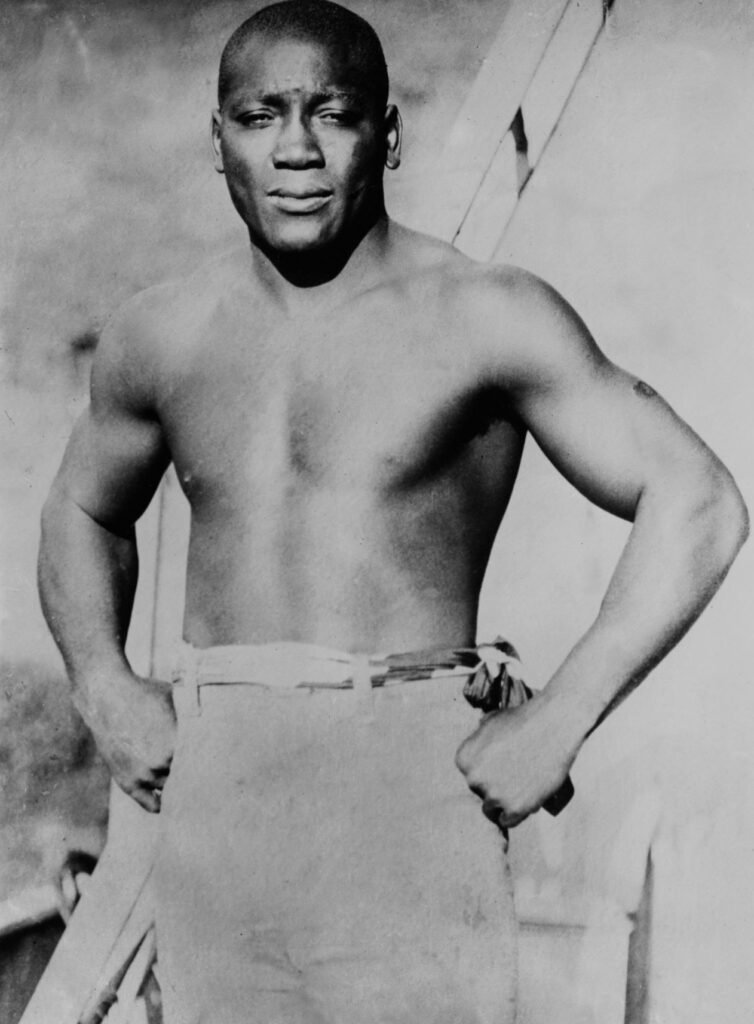
Early Life and Upbringing Jack Johnson was born on March 31, 1878, in Galveston, Texas, amidst a backdrop of racial segregation and economic disparity. His parents, Henry and Tina Johnson, were former slaves, and their experiences directly influenced Jack’s upbringing. The family faced numerous challenges in a society that relegated African Americans to the margins, where opportunities for advancement were scarce. Despite these obstacles, his parents instilled in him a strong work ethic and a sense of pride in his heritage. Johnson’s childhood was marked by the harsh realities of living in a racially divided America. He experienced firsthand the discrimination and limitations placed on Black individuals. These experiences fueled his determination to rise above societal expectations and pursue his aspirations. The socio-economic conditions during his formative years saw many African Americans struggling for basic rights and access to education, yet Jack Johnson remained resolute in his ambitions. These early experiences profoundly shaped Johnson’s character and resolve. Facing systemic adversity, he cultivated a fierce ambition that propelled him toward success in boxing. The socio-political climate of the late 19th century, compounded by his family’s influence, played a pivotal role in molding Johnson into the legendary figure he would eventually become. His early life was not merely a precursor to his boxing career but a defining period that laid the foundation for his identity as a trailblazer in a sport that was systematically closed to Black athletes. Rise to Fame and Championship Success Jack Johnson’s ascent in the boxing world is not only a tale of athletic prowess but also a significant chapter in the fight against racial inequality in America. Born in 1878 in Galveston, Texas, Johnson’s journey began in a racially segregated society that offered scant opportunities for African Americans. Nevertheless, he displayed boundless determination, competing against various opponents and consistently emerging victorious. His early fights in the late 1890s and early 1900s against both black and white boxers showcased his exceptional skills and tenacity. Johnson’s relentless pursuit of greatness began to bear fruit as he amassed a series of impressive victories. His performances caught the attention of fans and promoters alike, leading to his eventual shot at the heavyweight title. The pivotal moment in his career came in 1908 when he faced then-champion Tommy Burns. Despite the overwhelming racial tensions surrounding the match, Johnson emerged victorious, claiming the heavyweight championship and making history as the first African American to do so. This milestone was monumental, shattering the color barrier in boxing and igniting fervent reactions from supporters and detractors. The public’s response to Johnson’s success was a complex tapestry of admiration and hostility. Many in the racially charged society of the time viewed his triumph with disdain, as his victory illuminated the uncomfortable reality of an African American champion. Media portrayals often oscillated between reverence for his abilities and derogatory comments reflecting societal prejudices. Johnson’s flamboyant lifestyle and unyielding confidence further fueled the animosity directed towards him. He lived openly, flaunting his success and defying the conventional expectations placed on black men of his era. His very presence as a champion posed a direct challenge to the social norms of the early 20th century and laid the groundwork for future generations of athletes fighting against racial injustice. Controversies and Racial Tensions Jack Johnson, the first Black heavyweight champion, was a figure who garnered immense admiration but also faced considerable controversies stemming from his personal life and the societal norms of his era. One of the primary sources of contention was Johnson’s relationships with white women, which provoked outrage among many segments of white society. At a time when racial segregation and discrimination were deeply entrenched in the United States, Johnson’s defiance of these societal norms not only astounded his contemporaries but also incited vehement backlash against him. His open romantic relationships with white women became a flashpoint for racial tensions, fueling animosity and aggression from those who felt threatened by his success and visibility. In 1913, Johnson faced legal troubles that culminated in his conviction for violating the Mann Act, a law that prohibited the transportation of women across state lines for immoral purposes. This charge was widely viewed as racially motivated, representing not just a personal assault against Johnson but a broader attempt to undermine the achievements of African Americans during a period of systemic racism. The aftermath of his conviction led Johnson to a life on the run, reflecting the precarious position he occupied as a Black man of prominence in a racially divided America. His legal battles and subsequent societal ostracism drastically impacted his boxing career and public image. Johnson’s championship reign unfolded during an era of intense racial strife. His success in the ring made him a source of pride for many African Americans, who saw him as a symbol of resilience against systemic oppression. However, this also positioned him as a provocative figure, evoking ire among those who felt his success challenged the racial hierarchy of the time. Thus, Jack Johnson remains a complex figure whose life and legacy illustrate the intersecting themes of race, identity, and the determined fight for personal autonomy within the bounds of a deeply divided nation. Later Years and Legacy Jack Johnson faced considerable challenges in his later years, particularly following his boxing career, which was marked by both triumph and controversy. After becoming the first Black heavyweight champion, Johnson’s victories in the ring were overshadowed by societal issues, including racial discrimination and legal battles. Following his conviction for transporting a white woman across state lines in 1913, he spent years in exile, living in Europe and battling the stigma attached to his legacy. During this time, he struggled to find meaningful work, as many opportunities in the sports world were closed off to him due to his race and the social climate of the time. It was not until the late 1920s that Johnson made his return to the United States. Upon his arrival, he engaged in various forms of activism, advocating for civil rights and
The Legacy of Clara Belle Drisdale Williams: A Pioneer in Education and Perseverance
Early Life and Education Challenges Clara Belle Drisdale Williams was born into a society deeply entrenched in racial discrimination, which would frame the narrative of her life and achievements. Growing up in a segregated environment, she faced significant barriers, especially regarding educational opportunities. From a young age, Clara demonstrated an insatiable thirst for knowledge, though access to quality education was often limited for African American students of her time. Her early experiences reflected broader societal challenges faced by many individuals in marginalized communities. Despite facing severe discrimination, Clara’s resolve to pursue education remained steadfast. Her academic journey led her to New Mexico State University, where she became a trailblazer as the first African American graduate. However, it was not a straightforward path; Clara encountered persistent racism during her college years. At times, she was relegated to taking notes from the hallway, a stark symbol of the institutional barriers erected against her. This exclusion from the classroom not only highlighted the prejudices of the era but also tested her resilience and determination. Clara’s tenacity in the face of adversity was remarkable. She worked tirelessly, often overcoming such injustices with dignity and grace. Her experiences at New Mexico State University exemplified the broader struggles that African American students endured during that time, motivating her to advocate for education reform and equity. Encouraged by her family’s values and the support of a few allies, Clara remained committed to completing her studies, ultimately earning her degree. Her journey not only reshaped her own life but also set a precedent for future generations of students facing similar challenges. Clara Belle Drisdale Williams’ legacy continues to inspire countless individuals, symbolizing the enduring pursuit of educational equity in the face of relentless obstacles. A Life of Dedication to Education Clara Belle Drisdale Williams exemplified an unwavering commitment to education, paving the way for countless individuals within her community. Throughout her life, she demonstrated a profound understanding of the transformative power of knowledge, particularly for Black students and their families. Recognizing the significant barriers her community faced, Clara dedicated her efforts to not only teaching academic skills but also imparting essential life skills that would empower her students beyond the classroom. Her teaching methodologies were innovative and adaptable, allowing her to reach students of diverse backgrounds and varying abilities. Clara believed that education should not be a privilege reserved only for a select few but a cornerstone accessible to all, regardless of race or economic status. This philosophy propelled her to create inclusive learning environments where every student could thrive. By developing programs that addressed both the educational and social needs of her pupils, she ensured that her students were well-equipped to navigate their life’s challenges. Clara also understood the critical role that families play in the educational process. She organized workshops and meetings aimed at educating parents on how to support their children’s learning at home. This initiative not only fostered a sense of community but also bolstered the parents’ confidence in their ability to contribute to their children’s education. Her commitment extended beyond the classroom walls, as she actively engaged with parents, encouraging them to become advocates for their children’s rights to a quality education. The impact of Clara Belle Drisdale Williams on her community was profound and lasting. Her tireless dedication continues to inspire educators and students alike, emphasizing that education is a powerful tool for change and upliftment. As we reflect on her legacy, it is evident that her contributions played a significant role in advancing educational opportunities for Black students and illuminating the path toward a more equitable society. Recognition and Legacy Clara Belle Drisdale Williams forged a legacy that continues to inspire individuals in the fields of education and advocacy. Throughout her career, she received numerous accolades recognizing her tireless efforts and transformative impact on education, particularly in the African American community. One of the most significant acknowledgments of her contributions came in the form of an honorary doctorate awarded to her by a prominent university. This honor not only recognized her exemplary work in education but also her role as an advocate for equal opportunities for all students, regardless of their background. In addition to receiving honorary degrees, numerous institutions have named buildings and scholarships in her honor, a testament to her enduring influence on future generations. The renaming of university facilities reflects a growing recognition within academic communities of the importance of commemorating pioneers such as Clara Belle Drisdale Williams. These initiatives serve to educate current students about her contributions and inspire them to continue her legacy of perseverance and commitment to educational equity. Moreover, Clara’s story is incorporated into various curricular materials, ensuring that her dedication to education and advocacy remains a vital part of discussions around educational reform and social justice. As educators reflect on the challenges that Clara faced, her achievements serve as a powerful motivator for both students and educators. They highlight the importance of resilience and the critical need for advocacy in creating a more inclusive educational environment. Clara Belle Drisdale Williams’ recognition in the educational field is not merely historical; it is a contemporary call to action for individuals to embody the principles of equality and advocacy to which she dedicated her life. Her legacy continues to pave the way for progress in education, reminding us all of the impact one individual can make in shaping the future of learning and equity. A Lasting Impact: Lessons from Clara’s Life Clara Belle Drisdale Williams stands as a beacon of resilience and advocacy for education, leaving an indelible mark on the landscape of American history. Her life story is not merely a narrative of personal achievements but serves as a profound lesson for current and future generations regarding the vital importance of perseverance in the face of adversity. Williams’ journey underscores how commitment to equality can trigger significant societal changes, especially in the realm of education, which she fervently believed was a right for all. Throughout her career, Clara faced numerous challenges as an African
Trump Tariffs: The Chaos in Markets and What It Means for You

Understanding Trump Tariffs: Origins and Impact The origins of Trump’s tariff policies can be traced back to his 2016 presidential campaign, where he prominently advocated for a more protectionist trade stance. His administration aimed to reshape trade relations to favor American workers, industries, and the overall economy. By implementing tariffs on a range of imported goods, he sought to deter foreign competition and incentivize domestic production. These tariffs were envisioned as a strategy to protect American jobs and address trade imbalances, particularly with key trading partners such as China, Canada, and the European Union. One of the primary motivations behind the tariffs was to address what Trump characterized as unfair trade practices that disadvantaged American manufacturers. For example, the tariffs imposed on steel and aluminum in 2018 were justified by the administration as essential measures to safeguard national security and bolster domestic industries. The intent was to revitalize sectors that had struggled under the pressure of cheaper foreign imports, thus supporting millions of jobs across the country. The impact of these tariffs has been multifaceted, affecting various sectors of the economy in different ways. For instance, the agricultural sector faced significant repercussions, with retaliatory tariffs from other nations leading to a decline in export markets for American farmers. In contrast, industries reliant on steel and aluminum experienced increased costs, which in turn influenced consumer prices for goods ranging from household appliances to automobiles. Statistical analysis reveals that the tariffs had a mixed effect on the economy. While certain domestic industries showed signs of growth, overall economic performance was also impacted, leading to heightened market volatility. The uncertainty surrounding trade policies left investors in a state of apprehension, resulting in fluctuations in stock markets and ultimately affecting everyday consumers. Market Volatility: How Tariffs Trigger Financial Turbulence The imposition of tariffs can dramatically alter the dynamics of global markets, creating significant volatility that investors must navigate. When former President Trump’s administration announced tariffs on various imports, the immediate reaction from financial markets was often swift and dramatic. For instance, in March 2018, the announcement of steel and aluminum tariffs sparked a rapid decline in stock prices, as companies reliant on these materials braced for increased costs. This reaction exemplifies how tariffs can lead to heightened uncertainty, ultimately causing investors to reconsider their positions. Market volatility, triggered by tariff announcements, often manifests in sharp fluctuations in stock prices and surges in trading volumes. Research indicates that markets react not only to the specifics of the tariff but also to the perceived future implications for economic growth. Investor sentiment plays a crucial role in this phenomenon; emotions such as fear and uncertainty can lead to panic selling or buying frenzies. For instance, following tariffs on Chinese goods, there were substantial shifts in trading activity as traders sought to mitigate risk amid the unpredictable economic landscape. Moreover, sectors directly affected by tariffs—such as manufacturing, agriculture, and technology—often experience pronounced market reactions. This is evident from case studies where agricultural stocks faced downward pressure after the announcement of Chinese tariffs, reflecting concerns over diminished export markets. The interconnected nature of global supply chains means that tariffs can reverberate through various sectors, amplifying market chaos. In conclusion, the relationship between tariffs and market volatility is complex and multifaceted. Investor behaviors driven by uncertainty can lead to tangible financial turbulence, highlighting the importance of staying informed about such policy changes for effective risk management in the investments portfolio. Sector-Specific Effects: Winners and Losers The implementation of Trump’s tariffs has created a pronounced divide across various sectors of the economy, categorizing them into winners and losers. Understanding these dynamics is critical for businesses and consumers alike as they navigate the complexities of the tariff landscape. One of the sectors that emerged as a clear beneficiary of the tariffs is the steel and aluminum industry. Increased costs of imported metals led to a rise in domestic prices, which provided a much-needed boost for local manufacturers. This increase has revitalized some struggling steel mills, resulting in job creation and increased production capacity. The protectionist measures, while controversial, have offered these sectors a competitive edge against foreign imports, catering to a short-term recovery in domestic operations. On the other end of the spectrum, industries such as agriculture have faced significant challenges due to retaliatory tariffs imposed by other countries. U.S. farmers, particularly those in the soybean and pork markets, have experienced reduced access to international markets, leading to plummeting prices and diminished revenue streams. Many agriculture businesses have had to adapt by shifting focus or seeking new markets, highlighting the long-term implications of such protective measures. Moreover, the consumer goods sector has seen a mixed impact due to higher costs associated with imported products, particularly electronics and clothing, which rely heavily on overseas manufacturing. As companies absorb or pass on these costs to consumers, the potential for inflation increases, affecting consumer purchasing power. Businesses in this sector are exploring methods to mitigate costs, such as focusing on domestic sourcing or enhancing operational efficiencies to remain competitive. The intricate balance of winners and losers in the tariffs scenario reveals the need for strategic adaptation among businesses. Each sector must navigate heightened costs and shifting market dynamics while considering long-term sustainability in an evolving economic landscape influenced by tariffs. Navigating Financial Chaos: Strategies for Investors The current market environment has been significantly impacted by the implementation of tariffs, creating uncertainty and volatility. For investors seeking to navigate this chaos, a proactive and informed approach is essential. One effective strategy is portfolio diversification. By spreading investments across various asset classes, sectors, and geographical regions, investors can mitigate risk and reduce the impact of adverse market movements. In times of heightened uncertainty, such as during tariff disputes, a diversified portfolio can serve as a buffer against potential losses. Understanding geopolitical influences is also crucial. Investors should stay informed about global events and how they may affect market dynamics. Tariffs can create ripple effects, influencing currency values, supply chains, and consumer behavior. By keeping abreast of
Who Were the Original Arabs?
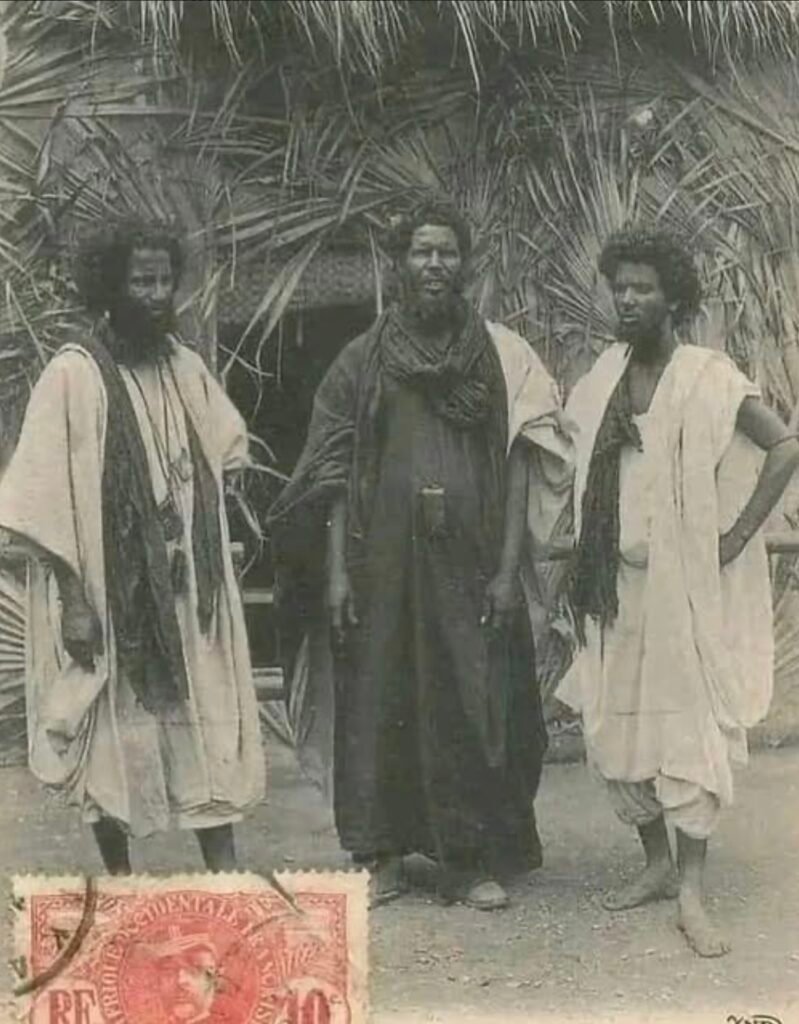
The Forgotten Faces of Arabia: The Original Black Arabs Before Colonization When most people hear the word Arab, they often picture lighter-skinned individuals from the Middle East. But history tells a much richer, more diverse story—one where Black Arabs played central roles in shaping the early Arab world, long before colonization and modern racial classifications distorted the truth. A Land of Afro-Arabian Roots The earliest Arabs hailed from the Arabian Peninsula, specifically regions like modern-day Yemen, Oman, southern Saudi Arabia, and across the Red Sea in Sudan and the Horn of Africa. These areas were teeming with Afro-Arabian civilizations—people with dark skin tones, tight curls, and broad features that today we would associate with African identity. Ancient Arabia was never a racially homogeneous land. It was a melting pot of African and Semitic peoples, shaped by constant migration across the narrow Bab el-Mandeb Strait between East Africa and southern Arabia. This connection was so strong that many anthropologists and historians view southern Arabia and the Horn of Africa as a cultural continuum. Civilizations of the Black Arabs Thousands of years ago, southern Arabia was home to advanced Black Arab civilizations like the Sabaeans, the kingdom of Himyar, and the ancient tribes of Aad and Thamud—all of which flourished in what is now Yemen and parts of Saudi Arabia. The famous Queen of Sheba, known as Makeda in Ethiopian lore, is believed to have ruled over both African and Arabian territories. Greek and Roman writers described the inhabitants of southern Arabia as having “dark skin and African features.” Blackness in the Time of the Prophet During the 6th and 7th centuries—the time of Prophet Muhammad—Black Arabs were a visible and respected part of Arabian society. Several key figures in early Islam were of African descent: In pre-colonial Arabia, Blackness was not seen as foreign or inferior. It was simply part of the natural human diversity found in the region. Migration, Genetics, and Shared Roots Genetic research shows deep ties between East Africans and southern Arabians, going back tens of thousands of years. This ancient link reveals a shared ancestry and confirms what oral histories and early texts have told us all along: Blackness has always been part of the Arab identity. Colonization and the Whitening of Arab Identity Things began to change with the arrival of European colonial powers and the spread of “scientific racism” in the 18th and 19th centuries. As European powers redrew maps and created racial hierarchies, Arab identity was slowly “whitened.” Colonial administrators, orientalist scholars, and even some modern Arab states began to marginalize or erase the Black Arab presence. Suddenly, “Arab” became more of a linguistic and political identity than an inclusive racial or cultural one. Many original Black Arabs were recategorized as simply “African,” cutting them off from their ancestral identity and contributions to Arab civilization. Black Arabs Today Despite erasure, Black Arab communities still exist today throughout the Arab world: Reclaiming the Narrative It’s time to reclaim the rich legacy of Black Arabs—from ancient kings and queens to poets, warriors, and scholars. Their stories are not side notes in Arab history; they are the foundation of it. Before colonization, racial hierarchy, and cultural erasure, the Arab world was proudly diverse, deeply tied to Africa, and full of Black voices that shaped its spiritual, political, and cultural identity. Let the world remember:Black Arabs didn’t enter history through slavery or servitude. They were rulers, prophets’ companions, and builders of empires—rightfully belonging at the center of Arab history. 📚 Further Reading: #BlackArabs #AfroArabHistory #PreColonialArabia #ArabiaBeforeColonization #BlackHistory #PanAfricanism #HiddenHistory #UnwhitewashedHistory
If tariffs encourage companies to return to the U.S., these companies will benefit
The recent implementation of tariffs by the U.S. government has sparked extensive debate about their potential to encourage companies to relocate operations back to the United States—a process known as reshoring. Proponents argue that by imposing tariffs on imported goods, foreign products become more expensive, making domestic manufacturing more competitive. This shift could lead to increased domestic production, job creation, and economic growth. Potential Benefits of Reshoring: Real-World Examples: Several companies have already taken steps toward expanding their U.S. operations in response to tariff implementations: Considerations and Challenges: While the benefits are notable, companies must also weigh several factors before reshoring: Conclusion: Tariffs serve as a tool to make imported goods less competitive, potentially incentivizing companies to move operations back to the U.S. This strategy can lead to numerous benefits, including job creation and enhanced supply chain control. However, businesses must carefully evaluate the associated costs and market conditions to ensure that reshoring aligns with their long-term objectives.
The Rise and Fall of Freeman’s Saving Bank: A Historical Overview

Foundation and Early Years Freeman’s Saving Bank was established in 1865, at a pivotal moment in American history marked by the aftermath of the Civil War and the emancipation of African Americans. The founding of the bank was motivated by a pressing need to provide financial services to freedmen, enabling them to manage their finances and build economic stability in the newly opened avenues of opportunity. Recognizing the unique challenges faced by African Americans during this period, the founders aimed to create an institution that would not only facilitate savings but also promote financial literacy and empowerment. The bank was founded by a group of prominent African American leaders, including Frederick Douglass, who played a vital role in advocating for the financial independence of freed slaves. Their mission was to offer a safe place for the African American community to deposit their earnings, encouraging saving habits among those who were often denied access to traditional banking services. Freeman’s Saving Bank was not simply a financial institution; it was a beacon of hope for many who aspired to achieve prosperity amid the socio-economic challenges of the time. In its early years, Freeman’s Saving Bank enjoyed significant successes, attracting a diverse clientele from the freedmen community. Customers ranged from laborers to skilled artisans, all seeking a dependable means of managing their finances. The bank’s commitment to serving African Americans garnered it a reputation as a progressive financial institution, one that supported the notion of self-sufficiency and economic growth within the community. Initial financial growth was encouraging, with a steady influx of deposits that reflected the trust the African American community placed in Freeman’s. This trust was fundamental to establishing a foundation for economic progress, making the bank an essential component of the post-war economic landscape. Growth and Expansion Freeman’s Saving Bank experienced significant growth and expansion during its early years, particularly in the aftermath of the Civil War. Established in 1865 under the guidance of prominent figures such as Frederick Douglass and other abolitionists, the bank aimed to provide financial services to the African American community. As the country witnessed the Reconstruction era, the bank’s mission became vital in fostering economic empowerment and financial independence among newly freed individuals. During this period, Freeman’s Saving Bank expanded its services to include savings accounts, loans, and investment opportunities tailored to meet the economic needs of its clientele. The establishment of multiple branches across urban centers further facilitated access to banking services for African Americans. This geographical expansion was critical in promoting financial literacy, as the bank implemented outreach programs designed to educate clients about basic banking concepts, budgeting, and investment strategies. These initiatives sought to equip individuals with the knowledge necessary to navigate an often-complicated financial landscape. Moreover, Freeman’s Saving Bank played an integral role in addressing the financial challenges faced by African Americans during Reconstruction. By offering favorable savings plans and accessible loan options, it helped families improve their socioeconomic status, which had long-term benefits for the community. Strategic partnerships with organizations and social leaders galvanized efforts to promote stability and trust in banking, helping to solidify the bank’s reputation among its target demographic. Notable figures, such as Douglass, not only served as bank officials but also as advocates for financial education. Their influence helped establish Freeman’s Saving Bank as a cornerstone institution within the African American community, leading to a surge in deposits, increased financial awareness, and a growing network of stakeholders committed to uplifting their community through sound economic practices. Challenges and Decline The decline of Freeman’s Saving Bank in the late 1870s can be attributed to a combination of systemic challenges, economic factors, and mismanagement. Established in 1865 to serve the financial needs of the African American community, the bank initially experienced significant growth. However, several issues soon emerged that jeopardized its stability and led to its eventual downfall. One critical factor contributing to the bank’s struggles was the broader economic climate during this period, particularly the Panic of 1873. This financial crisis, which was primarily caused by the over-speculation in railroads and a subsequent crisis in the banking sector, precipitated a contraction in the economy. The subsequent recession exerted tremendous pressure on financial institutions, including Freeman’s Saving Bank. As defaults on loans increased and depositors withdrew their funds, the bank faced severe liquidity issues, undermining its financial viability. In addition to external economic pressures, mismanagement played a significant role in the bank’s decline. The leadership of Freeman’s Saving Bank was often criticized for its lack of prudent financial practices. The bank’s investment strategies were overly ambitious, leading to excessive exposure to high-risk ventures that ultimately did not yield the expected returns. Coupled with these financial missteps was a lack of effective oversight, which further compounded the bank’s vulnerabilities. Key events, such as the bank’s failure to secure adequate capital and the growing distrust among its depositors, culminated in a perfect storm that signaled the decline of Freeman’s Saving Bank. As the late 1870s progressed, stories of insolvency began to surface, causing panic among customers and leading to a rapid decline in deposits. The combination of economic turmoil and internal mismanagement ultimately resulted in the bank’s closure in 1874, marking the end of an institution that had once held great promise for the African American community it served. Legacy and Impact Freeman’s Saving Bank, established in 1865, holds a significant place in American history, particularly concerning the economic empowerment of the African American community following the Civil War. Its mission was to provide a safe repository for the savings of newly freed slaves, an idea rooted in the belief that financial security was essential for true independence. Despite its eventual failure in 1874, the legacy of Freeman’s Saving Bank continues to resonate through various contemporary banking practices and movements aimed at serving underserved populations. The bank’s approach to financial services was revolutionary at the time, prioritizing trust and accessibility for individuals who had been historically marginalized by traditional banking institutions. Its efforts fostered a sense of financial literacy and
Osbourne Dorsey: The Black Inventor Behind the Door Knob

Introduction to Osbourne Dorsey Osbourne Dorsey was a notable African American inventor, best remembered for his contribution to the development of the door knob, an essential fixture in American households today. Born in the early 19th century, Dorsey’s life unfolded during a tumultuous period in American history, marked by racial discrimination and the fight for civil rights. These socio-historical challenges significantly shaped his journey into the world of invention. Dorsey’s early years were filled with obstacles, yet they instilled in him a profound determination to innovate. During this time, opportunities for African Americans, particularly in the realm of science and invention, were exceedingly limited. Many fellow inventors faced systemic barriers that obstructed their paths to success. Despite these hurdles, Dorsey demonstrated remarkable resilience and ingenuity, ultimately securing a patent for his door knob design in 1878. This invention not only revolutionized the access control in buildings but also provided a level of convenience and safety that was previously unattainable. The significance of the door knob stretches beyond its functional role; it symbolizes the ingenuity of African American inventors during an era when their contributions were often overlooked. By exploring the mechanics and designs of door knobs, one can appreciate how Dorsey’s invention transformed everyday lives and set a precedent within the home improvement industry. His work not only reflected technical expertise but also challenged contemporary notions of race and capability. Dorsey’s legacy endures in the very architecture of American homes, reminding us of the valuable contributions made by African American inventors despite the socio-economic barriers they faced. The Invention of the Door Knob Osbourne Dorsey’s innovation in 1878 fundamentally transformed the security and functionality of residential doors through his design of the door knob. Prior to this invention, door mechanisms often relied on basic latches or complicated locks that were not user-friendly, creating a demand for a more efficient solution. Dorsey’s door knob introduced a simple yet effective way to secure homes, featuring a design that provided ease of use while ensuring enhanced safety. The smooth turning action allowed individuals to access their homes swiftly, making it a practical addition to residential architecture. The patent application process was crucial for Dorsey, who recognized the need to protect his invention against replication. His patent, granted in 1878, marked a significant milestone in the field of residential security. By successfully navigating the complexities of patent regulations, Dorsey not only secured his invention but also established a legacy that would influence door hardware design for generations to come. His patented design included a mechanism that effectively secured the door while still being easy to operate, which was particularly important in an era of rising urbanization and home ownership. Beyond its technical merits, Dorsey’s door knob addressed specific needs within the context of 19th-century living. Anecdotal evidence suggests that the convenience and enhanced security provided by his design led to its rapid adoption in homes across the United States. Testimonials from early users highlight the door knob’s ease of installation and its superior ability to withstand wear and tear, which contributed to higher standards in home security. Overall, Dorsey’s door knob not only fulfilled the functional requirements of locks and latches but also represented a shift towards innovation and practicality in residential designs. Impact and Legacy of Dorsey’s Work Osbourne Dorsey’s invention of the door knob is not merely a testament to his creativity; it serves as a landmark achievement in the broader narrative of American innovation and specifically highlights the contributions of African American inventors to society. Before Dorsey, door handles were cumbersome and less intuitive, making access to spaces less convenient. With his simple yet effective design, Dorsey’s door knob not only improved usability but also laid the groundwork for future advancements in door hardware. His work exemplifies how a single invention can spur subsequent innovations, encouraging future inventors to think creatively about practical solutions for everyday problems. Dorsey’s impact extends beyond his own invention; it also helps illustrate the often overlooked role that Black inventors have played in shaping technological progress. Historically, African American inventors faced significant barriers, including racial discrimination and a lack of representation in the invention community. Despite these challenges, Dorsey’s work shines as an example of resilience and ingenuity. The acknowledgment of his contributions is crucial, as it highlights the importance of promoting diversity within STEM fields. By recognizing the achievements of inventors like Dorsey, we challenge the prevailing narratives that often marginalize or erase the contributions of people of color in history. Moreover, Dorsey’s legacy persists in modern door hardware, influencing designs that prioritize functionality and aesthetic appeal. The door knob has evolved further, yet the fundamental principles established by Dorsey—user-friendliness and accessibility—remain integral to contemporary designs. This connection between past and present serves as a reminder of the relentless pursuit of innovation across communities, highlighting that contributions to society’s progress can come from any background. Thus, Osbourne Dorsey’s work transcends time, reinforcing the need for inclusive recognition of all inventors within the narrative of technological advancement. Continuing the Conversation: Recognition and Support for Black Inventors Over the years, significant strides have been made in recognizing and supporting Black inventors and entrepreneurs. Since the time of Osbourne Dorsey, numerous initiatives have emerged that aim to uplift and empower individuals from historically marginalized communities. These contemporary efforts reflect a growing awareness of the need for diversity and inclusion within innovation and entrepreneurship, which have traditionally been dominated by a select few. Organizations such as the National Society of Black Engineers (NSBE) and Black Inventors Club are at the forefront of these advancements. They provide valuable resources, mentorship programs, and networking opportunities designed to nurture aspiring inventors. Mentorship is particularly crucial, as it connects young Black innovators with experienced professionals who can offer guidance, encouragement, and essential industry contacts. By benefiting from such programs, budding inventors have the chance to refine their ideas and build impactful innovations. Additionally, diverse funding initiatives now exist to specifically support Black entrepreneurs. Pitch competitions aimed at minority-owned businesses are becoming increasingly