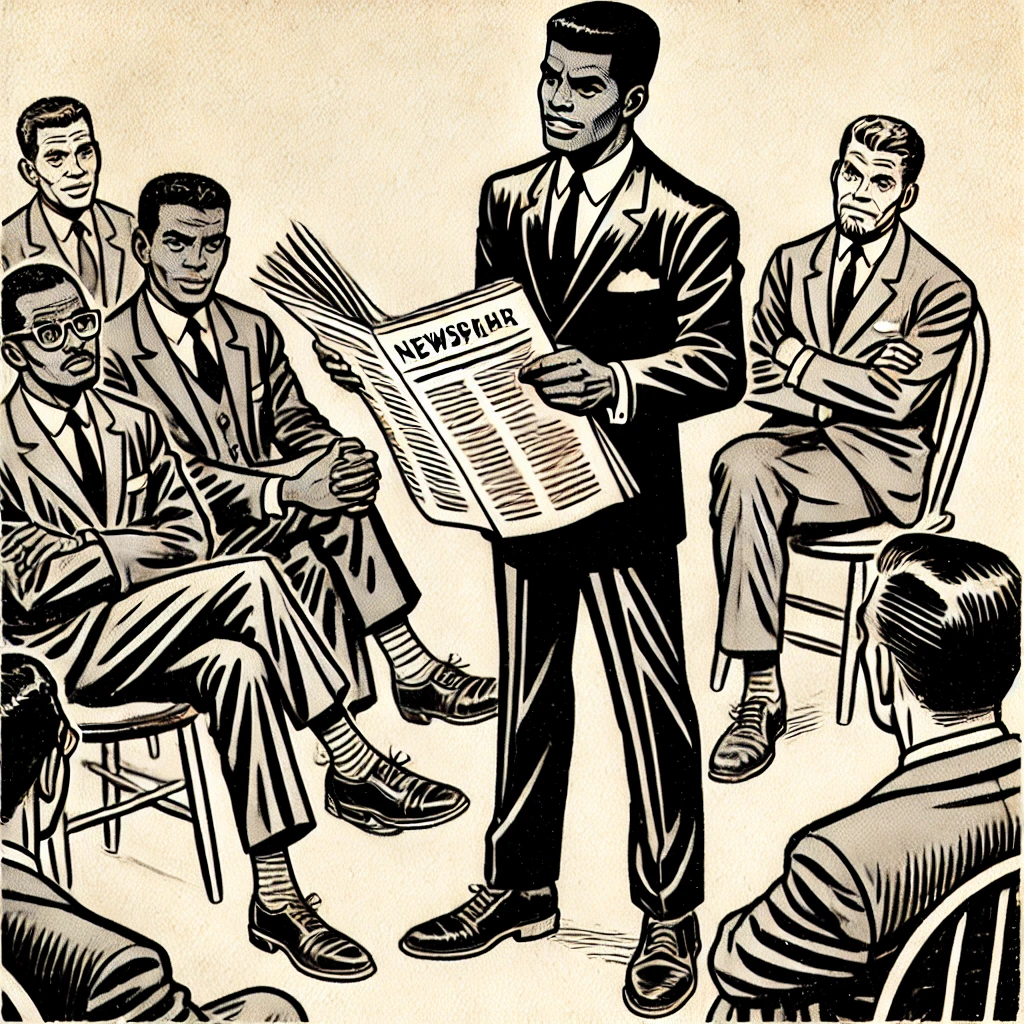
The Life and Legacy of Malcolm-Jamal Warner: A Journey through Career and Family

Early Life and Background Malcolm-Jamal Warner was born on August 18, 1970, in Jersey City, New Jersey. Raised predominantly by his mother, his family played a significant role in shaping his early experiences and aspirations. His mother, a skilled musician, infused a love for the arts within the household, nurturing Malcolm’s creative instincts from a tender age. This musical background, combined with supportive family dynamics, fostered an environment where artistic expression was not merely encouraged but celebrated. Warner’s childhood was characterized by a rich tapestry of cultural influences and experiences. Growing up in a vibrant urban environment, he was exposed to various artistic forms, including theater and music, which helped pave the way for his future career in entertainment. His early fascination with acting led him to pursue opportunities in commercial auditions, which eventually set the stage for his entry into professional acting. During these formative years, he attended several performing arts schools, honing his craft and developing a solid foundation for his acting career. One pivotal moment in Malcolm’s early life occurred when he landed his first significant role in a television series, which marked the beginning of his journey to stardom. However, it was his breakout performance as Theo Huxtable on the iconic sitcom ‘The Cosby Show’ that truly catapulted him into the spotlight. This role not only showcased his acting talent but also established him as a relatable character for many viewers, especially within African American households. The experience and exposure he gained during this period were invaluable, shaping his career aspirations and providing lessons that would influence his future work in television and music. Overall, Malcolm-Jamal Warner’s early life and background played a crucial role in defining his career path. His upbringing, grounded in family support and artistic exploration, ultimately laid the foundation for his multifaceted career while influencing his personal values and commitment to the creative arts. Rise to Fame: The Cosby Show and Beyond Malcolm-Jamal Warner garnered widespread recognition for his portrayal of Theo Huxtable on the groundbreaking television series, ‘The Cosby Show,’ which aired from 1984 to 1992. This iconic role not only propelled Warner into the limelight but also played a pivotal part in reshaping African American representation on television. The show, which centered around an upper-middle-class African American family, challenged existing stereotypes and provided audiences with relatable characters. Warner’s character, Theo, was the relatable teenage son navigating the challenges of adolescence, which resonated with many viewers. The significance of ‘The Cosby Show’ extends beyond mere entertainment; it served as a cultural touchstone during a time when African American families were often portrayed in a negative light on television. Warner’s success did not wane after the series concluded. He demonstrated remarkable versatility by transitioning into various other creative outlets, including music and theater. His talent was not confined to acting; he also pursued a career as a musician, releasing albums that showcased his skills as a singer-songwriter. Moreover, his stage work received critical acclaim, illustrating his ability to engage audiences in a live setting. Following ‘The Cosby Show,’ Warner took on numerous television roles, including a notable part in the series ‘Malcolm & Eddie,’ further establishing himself in the industry. Warner’s journey highlights a commitment to evolving within the entertainment landscape. He has embarked on projects that not only diversify his portfolio but also reflect his personal values and experiences. Whether through acting, music, or theater, Malcolm-Jamal Warner has maintained a presence in various facets of the entertainment world, thereby underscoring the importance of adaptability in achieving longevity in the industry. His impact continues to resonate, inspiring a new generation of artists and audiences alike. Personal Life: Family and Relationships Malcolm-Jamal Warner, widely recognized for his role as Theo Huxtable on “The Cosby Show,” offers an intriguing lens into how personal life intertwines with professional commitments. The importance of family in Warner’s life is deeply rooted in his upbringing. Raised in a single-parent household, Warner’s relationship with his mother played a pivotal role in shaping his character. She was not just a provider but also a source of inspiration, instilling strong values that guided him throughout his career. As he transitioned into adulthood, Warner cultivated meaningful relationships that would further enrich his personal life. Among these was a significant partnership with actress and singer, Colby Caillat, which, although not long-lasting, provided valuable experiences in navigating love within the public eye. Such relationships have helped Warner understand the dynamics of companionship in a demanding industry, emphasizing the need for support and shared understanding. Becoming a father has added another layer to Warner’s personal narrative. The joys and challenges of parenthood have influenced his life choices, prompting him to prioritize quality time with his children. Balancing his roles as a father and a successful actor requires careful management of his time and energy. He openly expresses how being a parent has enhanced his growth, encouraging him to approach projects with greater empathy and awareness. Throughout his journey, Warner has faced the challenge of maintaining personal relationships under the constant scrutiny of the public eye. He remains committed to prioritizing family, recognizing that strong familial bonds serve as a stabilizing force amid the pressures of fame. By fostering these connections, Malcolm-Jamal Warner exemplifies the importance of nurturing personal relationships while concurrently pursuing professional ambitions. Legacy and Impact: Remembering Malcolm-Jamal Warner Malcolm-Jamal Warner’s legacy is not merely encapsulated in his accomplishments as an actor and musician; it extends to the profound impact he had on the entertainment industry and society at large. Best known for his role as Theo Huxtable on the beloved television series “The Cosby Show,” Warner’s portrayal of a young African American man navigating family life resonated with audiences, creating a space for discussions around representation in media. His character became a symbol of progressive family dynamics, showing the importance of communication, responsibility, and community support, thus influencing how families were depicted on screen in later years. Beyond his acting success, Warner was also deeply involved in music and literature, demonstrating his
How Rich People Use Life Insurance to Get Cash Fast

Understanding the Basics of Life Insurance Life insurance serves as a crucial financial instrument designed to provide financial security to beneficiaries upon the death of the insured. Its primary purpose is to mitigate the financial burdens that can arise from unexpected events, particularly those involving the loss of a primary income earner. The fundamental types of life insurance can be categorized into two notable classifications: term life insurance and whole life insurance. Term life insurance offers coverage for a specified period, typically ranging from one to thirty years. This type is primarily designed to provide death benefits without any cash value accumulation. As a result, it is often viewed as a temporary solution catering to individuals seeking lower premiums. Conversely, whole life insurance is a permanent coverage type, extending for the insured’s lifetime as long as premiums are paid. This latter option features a cash value component, enabling policyholders to accumulate savings over time, which can be accessed during their lifetime. Wealthy individuals tend to favor whole life insurance for its advantageous cash value feature. This policy not only offers a death benefit, but it also acts as a financial asset allowing for potential borrowing or withdrawal against the accumulated cash value. By leveraging this component, affluent policyholders can gain quick access to funds without incurring tax penalties. This can be particularly beneficial in times of need, offering liquidity that can be used for investments, business opportunities, or other financial commitments. Additionally, whole life policies provide a sense of financial stability and can be used strategically within an individual’s overall financial planning. The dual benefits of insurance protection and cash value growth make life insurance a favored tool among the wealthy, allowing for enhanced financial flexibility while safeguarding their legacies. The Cash Value Component: A Wealth Building Tool The cash value component of permanent life insurance policies presents a unique opportunity for wealth accumulation among affluent individuals. Unlike term life insurance, which solely provides a death benefit, permanent life insurance can build cash value over time. This cash value is essentially a savings component that grows at a guaranteed rate, depending on the type of policy—whole life, universal life, or variable life. It is important to note that each type of policy offers a different growth rate and structure for cash value accumulation. As premiums are paid, a portion goes into the cash value, which typically grows tax-deferred. This growth can be influenced by several factors, including the policyholder’s age, health, and the insurance company’s performance. Wealthy individuals often leverage this cash value as a strategic financial tool. By accessing the accumulated cash through loans or withdrawals, they can finance investments or cover expenses without incurring the tax liabilities usually associated with liquidating other forms of assets. For instance, a high-net-worth individual might take out a loan against their policy’s cash value to invest in real estate or other lucrative ventures without selling stocks or dipping into savings. This method allows them to maintain their investments while potentially accruing more wealth. Furthermore, as the loan is repaid, the cash value continues to grow, providing a source of liquidity for future financial needs. An example worth noting is a successful entrepreneur who used the loan from their life insurance cash value to fund a startup. This not only allowed them to retain ownership of their existing investments but also provided the capital necessary to explore new opportunities. Thus, the cash value component serves as an effective wealth-building tool when utilized strategically by affluent individuals. Accessing Funds: Loans and Withdrawals Life insurance policyholders have the opportunity to access cash through two primary mechanisms: policy loans and withdrawals. Both options provide liquidity to the policyholder, but they come with distinct implications that are essential to understand when considering financial strategies. A policy loan allows the insured to borrow against the cash value of their life insurance policy. The borrowed amount is typically capped at a percentage of the accumulated cash value. It is important to note that this form of borrowing generally does not require credit checks, making it an attractive option for wealthy individuals who prefer quick access to funds without undergoing extensive lending processes. However, it is crucial to remember that any unpaid balance will accrue interest, which can reduce the overall death benefit if not repaid before the policyholder’s death. On the other hand, making a withdrawal from the cash value entails accessing a portion of the accumulated funds directly. Unlike a loan, this method does not require repayment and does not incur interest. However, withdrawals can be more detrimental to the policy’s overall value, as they reduce both the cash value and the death benefit. For affluent individuals, this option might be utilized with caution, as preserving the policy’s death benefit is often a priority for estate planning purposes. Wealthy policyholders may strategically choose between loans and withdrawals based on their immediate cash flow needs and long-term financial goals. For example, a policy loan can be utilized to cover high-value investments or urgent expenses while maintaining the integrity of the death benefit. Meanwhile, withdrawals might be preferred for covering less critical costs. Understanding these mechanisms allows affluent individuals to leverage their life insurance as a versatile financial tool effectively. Tax Advantages and Financial Strategies Life insurance policies serve as a powerful financial tool, particularly for affluent individuals seeking to optimize their wealth management strategies. One of the most significant benefits of these policies is the tax advantages they provide. Generally, the cash value accumulated in a permanent life insurance policy grows on a tax-deferred basis. This means that policyholders are not required to pay taxes on the growth until they withdraw funds from the policy. This feature presents a notable financial strategy for wealthy individuals, allowing them to accumulate and access funds without incurring immediate tax liabilities. Additionally, when policyholders take out loans against the cash value of their life insurance, those loans are typically tax-free, provided the policy remains in force. This attribute allows rich individuals to
The Legacy of Madam C.J. Walker: A Pioneer in Black Entrepreneurship

Early Life and Struggles Madam C.J. Walker, born Sarah Breedlove in 1867, emerged from humble beginnings in the rural South. The daughter of Owen and Minerva Breedlove, she was the first in her family born into freedom after the Emancipation Proclamation. However, her early life was marked by significant hardship. After the death of both parents by the time she was just seven years old, Walker and her siblings were left in the care of an older sister. This sudden loss precipitated a series of challenges, including poverty and instability, which would shape her resilient spirit and future aspirations. As she grew older, Walker faced the societal constraints prevalent in the late 19th century, particularly as an African American woman. The formidable realities of racism and sexism limited her opportunities and imposed systemic barriers to education and financial independence. Walker’s experiences with discrimination fueled her determination to rise above her circumstances. She worked various low-paying jobs, including as a domestic servant, to support herself from an early age, which only strengthened her drive to improve her life. Moreover, Walker’s personal struggles with hair loss, a common issue among Black women at the time, led her to become interested in hair care products specifically designed for their needs. This pursuit reflected not only her desire for personal well-being but also her understanding of a broader market among African American women seeking effective beauty solutions. Walker’s early experiences, combined with her relentless work ethic and ingenuity, laid the groundwork for the pioneering entrepreneur she would later become. In leveraging her challenges, she transformed her adversity into a powerful narrative, illustrating the strength and resilience that would define her legacy in Black entrepreneurship. The Birth of a Beauty Empire Madam C.J. Walker, born Sarah Breedlove, recognized the pressing need for hair care products tailored specifically for African American women during a time when mainstream beauty solutions largely ignored their unique hair types and concerns. Walker faced her own struggles with hair loss, which ignited her passion to develop a line of hair care formulations that would cater to the often-neglected needs of Black hair. Her personal journey transformed her experiences into the foundation of a beauty empire that celebrated and empowered African American women. Drawing from the knowledge she gained from her brothers, who were barbers, Walker began experimenting with various ingredients, eventually creating her famous “Wonderful Hair Grower” and other products designed to nurture and enhance Black hair. This innovative approach not only showcased her understanding of the cultural significance of hair but also offered a solution that her community had long sought. Walker’s commitment to producing effective, high-quality products resonated with countless women who faced similar hair challenges. To elevate her brand, Walker employed marketing strategies that were unprecedented at the time. She organized demonstrations in various communities, inviting women to witness the effectiveness of her products firsthand. This interactive approach fostered a sense of trust and connection, allowing her to establish a loyal customer base. Furthermore, she pioneered the use of African American sales agents—often referred to as “beauty culturists”—who not only sold her products but also provided education on self-care and beauty practices. This innovative marketing mechanism gave women the opportunity to embrace their beauty while simultaneously encouraging entrepreneurship within their communities. Walker’s transition from a struggling saleswoman to a formidable business owner marked a significant milestone in her life. Her ability to build a brand that resonated deeply within her community played a pivotal role in empowering Black women. By promoting products that celebrated their natural beauty, Walker not only changed lives but also left behind a lasting legacy as a pioneer in Black entrepreneurship. Philanthropy and Advocacy Madam C.J. Walker, widely recognized not only for her entrepreneurial achievements but also for her philanthropic endeavors, dedicated a significant portion of her success to uplifting the African American community. Her commitment to philanthropy was not merely an afterthought; it was a core principle that informed her business practices and personal values. Walker believed that with success came the responsibility to give back, particularly in addressing the social and educational disparities experienced by African Americans. Throughout her life, Madam Walker supported various civil rights organizations, including the NAACP and the African American YMCA, where her contributions helped fund initiatives aimed at social justice and equality. She understood that her business’s success provided an opportunity to influence social change and actively supported causes that aligned with her values. Her efforts extended to funding scholarships for women and promoting education as a pathway to empowerment. Walker frequently stressed the importance of education, recognizing it as a crucial tool for advancement within the African American community. Moreover, Madam C.J. Walker became known for her advocacy for women’s rights, particularly concerning the socioeconomic challenges faced by women of color. She organized community events and fundraising campaigns that not only empowered women but also highlighted their potential as catalysts for change. Walker’s success served as an inspiring narrative that demonstrated the possibilities of entrepreneurship for African American women, addressing both racial and gender inequalities. Her philanthropic work laid the foundation for future generations, ensuring that African Americans could pursue education and agency in their lives. In conclusion, Madam C.J. Walker’s legacy as a philanthropist and advocate transcended her role as a businesswoman. Her unwavering commitment to social justice and support for the African American community illustrated how entrepreneurship could be leveraged for the greater good, making her a true pioneer in both business and social advocacy. Her Enduring Legacy Madam C.J. Walker, born Sarah Breedlove in 1867, made significant strides in the realm of entrepreneurship, emerging as a dynamic figure within the African American community. Her legacy transcends mere business success; it embodies resilience, empowerment, and the entrepreneurial spirit that continues to inspire countless individuals today. Walker’s contributions to the cosmetics industry through her line of beauty products not only generated significant economic opportunities for Black women but also established a blueprint for entrepreneurial ventures that many continue to follow. Walker was not just
Celebrating Sarah E. Goode: A Pioneer in American History

Introduction to Sarah E. Goode Sarah E. Goode stands as a significant figure in American history, particularly noted for her status as one of the first African American women to secure a U.S. patent. Born in 1850 in Toledo, Ohio, she was the daughter of former enslaved individuals who navigated the post-Civil War landscape, filled with both advancements and challenges for African Americans. Goode’s early life was characterized by a commitment to education and community improvement, which shaped her entrepreneurial aspirations. Much of her success can be attributed to the historical context of her time. The late 19th century was a turbulent yet transformative period in American society, marked by industrial growth and a burgeoning emphasis on innovation. Women, especially women of color, faced immense barriers in education and business ownership but were increasingly finding ways to assert their presence in these areas. Goode was no exception; her efforts would eventually contribute significantly to the fight against the limitations imposed by gender and race. Sarah E. Goode’s most notable invention, a folding bed that could transform a small space into a functional room, showcased her ingenuity and understanding of the needs of urban dwellers. This innovation not only provided practical solutions for the limited living spaces in burgeoning cities but also underscored the importance of African American contributions to the American industrial landscape. Her patent, granted in 1885, exemplifies the intersection of creativity, practicality, and the relentless pursuit of opportunity that characterized her life and the lives of many of her contemporaries. In the following sections, we will delve deeper into her achievements, the obstacles she overcame, and her enduring legacy within both American history and the narrative of female inventors. Sarah E. Goode remains a testament to resilience and ingenuity, inspiring future generations to pursue their dreams against all odds. The Invention of the Folding Bed Sarah E. Goode, an innovative African American inventor, made her mark in history with the invention of the folding bed, patented in 1885. Living in Chicago during a time of rapid urbanization, she observed the significant challenges faced by people living in cramped quarters, particularly in the burgeoning urban landscape. Small living spaces necessitated multifunctional furniture that could efficiently serve various purposes without compromising comfort or utility. This drove Goode to develop a remarkable solution: her folding bed, designed to cater to the needs of individuals and families living in limited spaces. The folding bed combined practical design with inventive thinking; it could be transformed from a compact piece of furniture into a full-sized sleeping area. This transformative capability was particularly advantageous for urban dwellers who often had to make the most out of their limited square footage. The bed’s unique design featured a hinged mechanism that allowed users to fold it vertically up against the wall when not in use, thus freeing valuable floor space. This innovation was not only a response to the spatial restrictions of urban living but also reflected a broader shift in furniture design toward more adaptable and space-efficient solutions. Furthermore, Goode’s invention had a significant impact on the furniture industry and influenced the realm of urban living. Her folding bed catered to the growing need for practical, space-saving solutions amidst a backdrop of increasing population density. As urban environments continued to evolve, her design laid the groundwork for future innovations in furniture design, emphasizing the importance of functionality and adaptability. Goode’s folding bed was not just a means of sleep; it represented a crucial advancement in how furniture could facilitate modern living in an ever-changing world. The Legacy of Sarah E. Goode Sarah E. Goode made significant contributions to American history, particularly as an African American woman who navigated the challenges of a predominantly male-dominated industry. As an inventor, her creation of the cabinet bed exemplified not only her ingenuity but also her ability to address the practical needs of her community. This pioneering spirit has had a profound and lasting impact on future generations of inventors and entrepreneurs, particularly within the African American community. Goode’s success story serves as an inspiring narrative, highlighting the possibilities that arise from creativity and resilience. Throughout her life, Goode encountered considerable obstacles, including racial and gender biases that were prevalent in her era. Yet, her achievements defied the limitations imposed upon her by society, opening pathways for other Black women and men to pursue their own entrepreneurial endeavors. By breaking barriers and challenging stereotypes, Goode set a precedent for innovation within the African American community. Her legacy not only inspires future inventors but also resonates in various fields, encouraging others to push against societal constraints. In contemporary times, Sarah E. Goode is remembered and celebrated through numerous educational initiatives and commemorative events. Schools and organizations highlight her contributions to history, fostering discussions about diversity in innovation. These initiatives aim to instill pride and inspire young people, particularly those from underrepresented backgrounds, to pursue careers in science, technology, engineering, and mathematics (STEM). Furthermore, her name may be found on plaques and in literature that honors her legacy, ensuring that her story continues to be shared. Through these efforts, the memory of Sarah E. Goode as a trailblazer will endure, influencing aspiring inventors for years to come. Sarah E. Goode Today: Commemorations and Inspirations In contemporary society, Sarah E. Goode’s legacy as a trailblazer and inventor is increasingly recognized and celebrated. Initiatives aimed at honoring her contributions to American history have emerged, particularly within educational settings and museums. Her achievements are now frequently highlighted in exhibitions that focus on the history of women inventors, illustrating the significant impact of African American women in the realms of innovation and entrepreneurship. Many institutions, including museums dedicated to science and technology, have featured exhibits on Goode, showcasing her invention of the folding cabinet bed, which provided practical solutions for urban living. These displays not only celebrate her ingenuity but also serve an educational purpose, informing the public about her life and the challenges she overcame as a black woman in the late 19th century.
10 Things the U.S. Government Owes Black Americans

Introduction The issue of reparations for Black Americans has gained significant attention in recent years, prompting widespread discussions about historical injustices and their lasting impacts on the Black community. The concept of reparations encompasses various forms of compensation, including financial payments, land restitution, and systemic reforms that address the inequities stemming from slavery, segregation, and ongoing discrimination. This discourse is rooted in the historical context of the United States, where policies and practices have systematically marginalized Black individuals, contributing to a wealth gap and social disparities that persist today. To fully comprehend what the U.S. government owes Black Americans, it is essential to explore the legacy of slavery, the subsequent Jim Crow laws, and the ongoing challenges of racial discrimination. Many advocates argue that these historical injustices constituted a moral and economic debt that has yet to be acknowledged or repaid. The ongoing debates surrounding reparations are multifaceted, encompassing legal, economic, and ethical dimensions. As various states and municipalities begin to engage in discussions regarding reparations, the conversation has further illuminated the need for a comprehensive approach that addresses the needs of the Black community. Public discussions around reparations often highlight the role of historical trauma and its effects on current generations. This has sparked increased interest in policy proposals aimed at promoting equity and justice. Advocates point to successful reparative measures in other countries as potential models for the U.S., suggesting the necessity of establishing frameworks that can effectively address the debts and commitments owed to Black Americans. As the dialogue evolves, it remains imperative to recognize the complexities entailed in discussions of reparations, paving the way for an informed exploration of how the U.S. government can begin to rectify historical wrongs and contribute to a more equitable society. Historical Context of Slavery Slavery in the United States began in the early 17th century, with the arrival of the first enslaved Africans in Virginia in 1619. Over the next two centuries, the practice of slavery matured into a legalized institution that was deeply embedded in the American economy and societal structure. The enslavement of Black Americans was not merely an individual hardship; it became a systemic practice that facilitated the economic growth of the nation, particularly in the agrarian South. Cotton, sugar, and tobacco became staple crops, heavily reliant on the forced labor of enslaved individuals, shaping wealth accumulation for landowners and fueling the broader economy. The social ramifications of slavery were profound. It created a rigid racial hierarchy that dehumanized Black individuals and categorized them as property rather than people. This dehumanization fostered a legacy of discrimination and systemic inequality, which persists today. Legal frameworks, such as the Fugitive Slave Act and the Dred Scott decision, reinforced the idea that Black Americans were entitled to fewer rights than their white counterparts, perpetuating cycles of oppression and exclusion. Psychologically, the impacts of slavery have left enduring scars on Black Americans. The trauma associated with enslavement, violence, and systemic racism continues to affect mental health and community dynamics. Descendants of enslaved individuals are often confronted with the lingering effects of societal disenfranchisement, including barriers to education, employment, and health. Furthermore, the cultural resilience developed in the face of such adversity has also fortified a sense of identity and community among Black Americans. Understanding the historical context of slavery is vital to addressing the socio-economic disparities that continue to affect Black Americans today. The legacy of this institution is not merely a chapter of history but a foundational element that informs ongoing struggles for justice and equity in contemporary society. Jim Crow Laws and Racial Segregation The implementation of Jim Crow laws in the late 19th and early 20th centuries marked a definitive shift in the legal landscape of the United States, where systemic racism became firmly entrenched in societal norms. These laws, named after a blackface character, were established in the Southern states after the Reconstruction era, aiming to enforce racial segregation and disenfranchise Black Americans. They supported a framework of racial discrimination by mandating separate facilities in public spaces, including schools, restaurants, and transportation systems. The slogan “separate but equal” was adopted, but in reality, the facilities provided to Black Americans were invariably inferior. The negative consequences of these laws extended far beyond physical separation. The disenfranchisement of Black voters was rampant, as literacy tests, poll taxes, and other restrictive measures were used to suppress their electoral participation. This disenfranchisement allowed white supremacist groups to exert undue influence over political processes and maintain the status quo, perpetuating the cycle of inequality. As a result, African American voices were largely silenced, and their access to political power was severely limited. Moreover, Jim Crow laws contributed significantly to economic disparity, solidifying a system in which Black Americans faced limited employment opportunities and wage inequities. With educational institutions designed to fail them, many Black individuals found it nearly impossible to rise economically, thereby entrenching poverty in many African American communities. The long-lasting effects of racial segregation have left a legacy that persists today, contributing to ongoing issues regarding equality and justice in the United States. As we reflect on the Jim Crow era, it is crucial to recognize the systemic barriers that were constructed and how they have affected generations of Black Americans. The societal structures established during this time laid the groundwork for many of the racial inequalities that continue to plague the country today. Economic Disparities and Wealth Gaps Economic inequalities have profoundly affected Black Americans, leading to significant wealth gaps that have persisted through generations. Historically, discriminatory practices such as redlining have systematically barred Black families from acquiring property and building intergenerational wealth. Redlining, which involved the denial of mortgage loans and insurance to residents in predominantly Black neighborhoods, reinforced segregation and financial disenfranchisement. This practice not only eroded property values but also stifled access to essential services and quality education, ultimately impacting economic opportunity. Moreover, job discrimination has played a pivotal role in limiting the professional advancement of Black Americans. Despite legislative progress, including the Civil Rights
What Happened to Biddy Mason’s Land After She Died? | The Forgotten Legacy
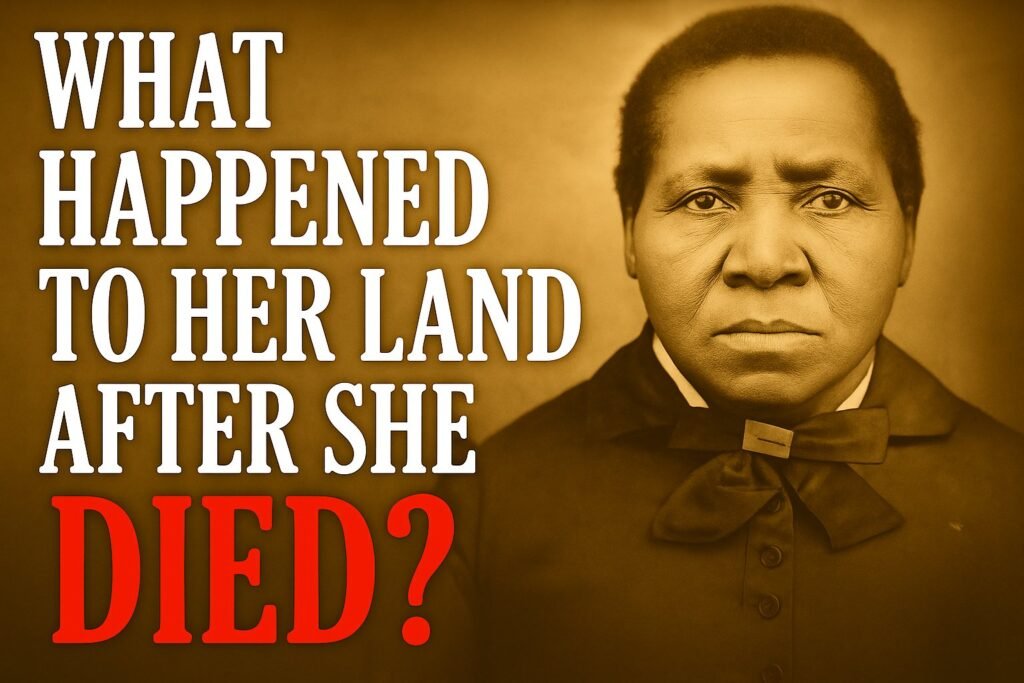
Introduction to Biddy Mason’s Life and Legacy Biddy Mason, born in 1818, is a significant figure in American history whose life story exemplifies resilience and determination. Originally enslaved in Georgia, she was brought to California by her owner, a man who later attempted to take her back into slavery. However, in 1856, this decision led Biddy to successfully petition the courts for her freedom, marking a pivotal moment not only in her life but also in the lives of many African Americans. Her emancipation allowed her to build a new existence, symbolizing hope amidst adversity. Upon gaining her freedom, Biddy Mason became one of the first African American women to own property in Los Angeles. With her entrepreneurial spirit, she established a successful catering business that prospered and enabled her to invest in real estate. Throughout her life, she dedicated herself to her community, serving as a nurse and a midwife. Her contributions extended beyond her profession; she was an active philanthropist who provided assistance to the poor and advocated for the rights of African Americans. Biddy’s impact was significant during a time when societal norms restricted the freedoms of her race and gender. Her resilience paved the way for future generations, and her legacy is remembered for its profound influence on the social fabric of Los Angeles. The establishment of the first African Methodist Episcopal Church in the city further illustrated her commitment to community and faith, creating a supportive environment that would uplift many. As we delve deeper into the life and legacy of Biddy Mason, it becomes essential to explore the fate of her land after her death, an inquiry that reveals the enduring significance of her contributions. The Value and Location of Biddy Mason’s Property Biddy Mason, born a slave in 1818, made remarkable strides in her life, eventually acquiring a significant amount of property in Los Angeles during the 19th century. The land she acquired was primarily located in what is now known as the West Adams neighborhood, an area that has undergone considerable transformation. Initially, Mason’s land served as a site for her entrepreneurial ventures, including a successful midwifery practice, which not only demonstrated her resilience but also highlighted her commitment to community and social welfare. The original purpose of Mason’s property was largely residential, but it also included spaces where she operated her businesses. During the late 1800s, the area was a mix of farmland and emerging urban development, which created a unique backdrop for her investments. Biddy Mason’s holdings evolved as the city of Los Angeles expanded, reflecting both the economic opportunities and the social challenges of her time. The societal shifts regarding property ownership and racial equality shaped the context in which she was able to acquire and maintain her land, especially after gaining her freedom in 1856. The value of Mason’s property has significantly increased over the years, especially considering its geographic significance. What began as humble land holdings have transformed into valuable real estate in modern-day Los Angeles, known for its desirable location. By the late 20th century, the once modest neighborhood became a sought-after area, illustrating how real estate values can soar, influenced by urban development and changing demographics. Today, Biddy Mason’s legacy continues to contribute to the narrative of Los Angeles, as her land is part of a rich historical context that celebrates her contributions and the struggles of African Americans in the city. Events Following Biddy Mason’s Death After Biddy Mason passed away in 1891, her death marked the beginning of a series of significant events that shaped the future of her estate and her legacy. Initially, her will was probated, revealing her intentions regarding the distribution of her considerable wealth and properties, which primarily included valuable land in Los Angeles. Mason, known for her remarkable life and contributions to the community, had a considerable influence in the city, thus making her estate a matter of public interest. The handling of her will led to legal battles, particularly among her heirs. Mason’s decision to leave her estate to her children sparked disputes, as various family members sought to claim their share of the inheritance. The legal landscape surrounding her estate was complex, reflecting the broader societal issues of the time, including racial and gender dynamics. Her heirs faced challenges not only in the legal system but also in navigating societal prejudices, as Mason was an African American woman who had lived a life of resilience against significant odds. Throughout the proceedings, efforts emerged to preserve Biddy Mason’s legacy. Local community members and organizations recognized her contributions to Los Angeles, particularly her philanthropic work in establishing schools and healthcare services. These entities began advocating for her memory, ensuring that her story would not be forgotten. Commemorative events and initiatives aimed at honoring her life and contributions gained momentum in the years following her death, emphasizing the importance of her impact on Los Angeles’ cultural and historical tapestry. As time progressed, the memory of Biddy Mason became intertwined with the narrative of the city she helped shape. The commemoration of her life not only celebrated her achievements but also reinforced the significance of her legacy in inspiring future generations. Despite the legal turmoil that surrounded her estate, Biddy Mason’s story continued to resonate, ensuring that her contributions were acknowledged and remembered within the fabric of Los Angeles society. The Modern Legacy of Biddy Mason’s Land Biddy Mason’s land, once a substantial property in the heart of Los Angeles, has undergone significant transformation since her passing in 1891. Today, the site where her land once flourished has become a vivid testimony to her enduring legacy and a symbol of one woman’s triumph over adversity in a landscape fraught with racial and social challenges. The location, a few blocks away from the iconic Los Angeles City Hall, is now home to various developments that reflect both the historical significance and contemporary cultural presence of the area. The most notable landmark is the Biddy Mason Memorial Park, which was established
The Legacy of Dorothy Counts: A Pioneer of Civil Rights
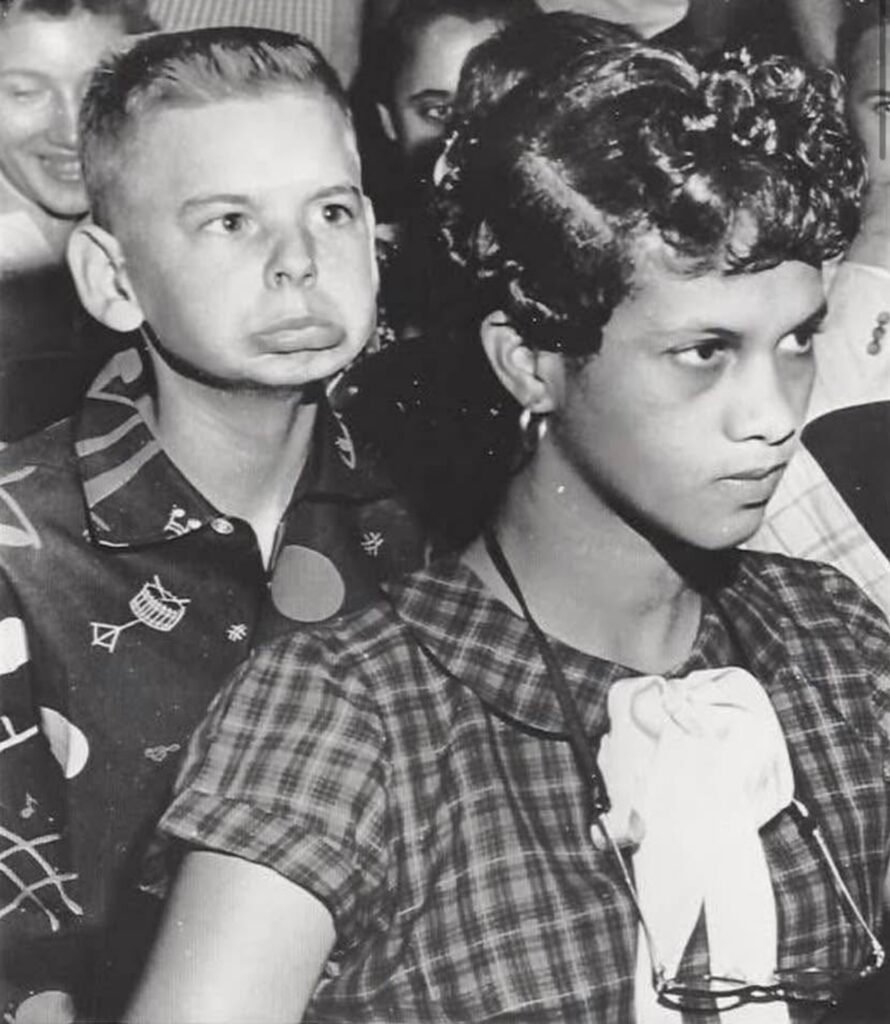
Early Life and Education Dorothy Counts was born in Charlotte, North Carolina, in 1942, during a time when the United States was grappling with deep-seated racial segregation and discrimination. Growing up in the segregated South, Counts experienced firsthand the injustices that African Americans faced. Her family instilled in her the values of integrity, courage, and a commitment to social justice, significantly influencing her perspective on race relations from a young age. The importance of education was emphasized in her household, where intellectual growth was seen as a pathway to empowerment and liberation. Counts attended the historically black Second Ward High School, where she excelled academically. This institution not only provided her an excellent education but also served as a space where she began questioning the racial inequalities that permeated her everyday life. The socio-political upheaval of the 1960s, notably the Civil Rights Movement, developed into a backdrop against which Counts began to forge her identity as an activist. The idealism of the era, which focused on dismantling segregation and advocating for equality, fueled her ambitions. The Historic Desegregation of Harding High School On September 4, 1957, Dorothy Counts embarked on a brave and transformative journey as she became one of the first African American students to attend the previously all-white Harding High School in Charlotte, North Carolina. This groundbreaking step was a significant moment in the fight for desegregation in the southern United States. Her enrollment followed the pivotal 1954 Supreme Court decision in Brown v. Board of Education, which declared that racial segregation in public schools was unconstitutional. Despite legal progress, the social climate remained fraught with tension and resistance. The first day at Harding High School was not simply about attending classes; it was an intense test of courage. As Dorothy approached the campus, she was met with a sea of hostile faces. Many students chose to turn their backs or openly harass her, demonstrating the deep-seated racism that permeated the atmosphere. This was further compounded by a significant lack of support from many members of the community, who believed that racial segregation should persist. Nonetheless, Dorothy walked into that school with unwavering determination, embodying the principles of equality and justice that the civil rights movement was fighting for. The reactions from the broader community ran the gamut from sheer hostility to quiet support. For some, Dorothy’s presence at Harding was viewed as an affront to the status quo. Yet, her bravery sparked conversations around the integration of schools and the larger societal implications of civil rights. Witnesses of those events, including faculty members and supportive students, later recounted her resilience in the face of adversity. Dorothy Counts’ pioneering efforts would influence not just her immediate surroundings, but also lay groundwork for further desegregation efforts and ignite a movement that sought to eradicate racial injustice nationwide. Life After Harding: Continued Activism and Impact Following her harrowing experience at Harding High School, Dorothy Counts emerged as a steadfast advocate for civil rights, channeling her adversity into a lifelong commitment to social justice. Although her initial foray into integration was met with hostility, it became a catalyst for her ongoing activism. Counts became a member of various civil rights organizations, including the NAACP, where her efforts contributed to a broader movement striving for equality and justice for all African Americans. Counts’ determination to challenge systemic racism reflected her profound understanding of the struggles faced by marginalized communities. She actively participated in numerous initiatives aimed at dismantling segregation and promoting equal rights, thereby helping to shape the civil rights landscape of her time. Her involvement in local activism paved the way for future generations, inspiring countless individuals to stand against injustice. Through her engagements and public speaking, she raised awareness about the importance of inclusivity and the power of collective action. The impact of Counts’ work extended beyond her immediate community; she became a role model for young activists seeking to effect meaningful change. By emphasizing education as a tool for empowerment and social mobility, Counts encouraged a generation to pursue academic success alongside efforts to secure civil rights. Her legacy lies not only in her direct activism but also in her ability to ignite passion and resolve in others who followed in her footsteps. As a pioneer, Dorothy Counts exemplified resilience in the face of adversity. Her enduring influence continues to resonate within the civil rights movement, serving as a testament to the transformative power of activism. In confronting injustice, Counts not only reshaped her own life but also left an indelible mark on the quest for equality, inspiring future leaders to carry forth her mission of social justice. Legacy and Recognition The legacy of Dorothy Counts remains a significant touchstone in the ongoing narrative of civil rights in America. Her courageous decision to enroll at Harding High School in Charlotte, North Carolina, as one of the first Black students in 1957 marked a pivotal moment in the American civil rights movement. This act of bravery not only challenged entrenched societal norms but also set an example for future generations advocating for social justice and equality. Over the years, Counts has received various recognitions, including awards from organizations dedicated to advancing civil rights and education. These accolades acknowledge her role in challenging racial discrimination and her contributions to the struggle for equality. Counts’ story has also been integrated into educational curricula, serving as a powerful narrative that illustrates the challenges and triumphs of the civil rights movement. Educational institutions use her experiences to foster discussions about racial tensions, the importance of resilience, and the necessity of standing up for one’s beliefs. By sharing her story, teachers aim to inspire students to reflect on the implications of racism and inequality, empowering them to engage in advocacy for change. Her experiences resonate particularly strongly today, as issues of systemic racism and social justice continue to dominate public discourse across America. Moreover, Dorothy Counts’ legacy is not solely confined to historical narratives; it also serves as a reminder of the work that
The Founding of Lincoln University: A Milestone in African American Higher Education

Historical Context of 1854 The mid-19th century was a period of profound social and political upheaval in the United States, particularly regarding the status of African Americans. In 1854, the nation was grappling with escalating tensions surrounding slavery and racial inequality, led by the growing abolition movement. Abolitionists fervently campaigned against the institution of slavery, advocating for the emancipation of enslaved individuals and the fundamental rights of African Americans. These activists played a crucial role in highlighting the injustices faced by black individuals, pushing for both freedom and equality. Despite the momentum generated by the abolition movement, African Americans faced numerous challenges, especially in the realm of education. The prevailing belief among many white Americans was that black individuals were inferior and thus not deserving of the same educational opportunities as their white counterparts. As a result, access to quality education for African Americans was exceedingly limited. Many states implemented laws forbidding the education of enslaved and free black individuals, consolidating a system that denied them the knowledge necessary for personal and professional advancement. This educational deprivation was a significant factor contributing to the broader cycle of poverty and marginalization that African Americans experienced during this period. The political landscape was equally tumultuous, as the nation was on the brink of the Civil War, a conflict that would reshape the very fabric of American society. The sectional divide between the Northern free states and the Southern slave states was intensifying, leading to a national crisis that would affect all aspects of life, including education. The looming conflict underscored the urgency of establishing institutions dedicated to the education of African Americans, as these demographics sought not only liberation but also the means to achieve social and economic equity. Thus, the historical context of 1854 highlights the pressing need for institutions like Lincoln University, which emerged as a response to these broader socio-political challenges. The Founding of Lincoln University Lincoln University, established in 1854, stands as a significant milestone in African American higher education. The inception of this esteemed institution was largely driven by the visionary efforts of John Miller Dickey and his wife, Sarah, who were deeply committed to the education and upliftment of African Americans. The need for a degree-granting institution for African Americans was critical during this period, as the civil rights of this population were systematically undermined. The founders recognized the importance of formal education in achieving social justice and empowerment. The overarching motivation behind Lincoln University’s establishment centered on the belief that education could serve as a powerful catalyst for change. The Dickeys, along with other supporters and early advocates, understood that providing quality education to African Americans would not only enhance their opportunities for upward mobility but also allow them to take on roles as leaders within their communities. This ambition faced numerous challenges, including limited financial resources and societal opposition to African American education. Nevertheless, the commitment to this cause prevailed, resulting in the founding of the university. Upon its establishment, Lincoln University offered a pioneering curriculum that focused on liberal arts, science, and vocational training. This educational framework aimed to equip students with a well-rounded knowledge base and practical skills, fostering both intellectual growth and professional development. The initial impact of the university was profound, as it became a beacon of hope and knowledge within the local community and gradually across the nation. Students who graduated from Lincoln carried their experiences and education back to their communities, contributing to the broader movement for African American empowerment. The legacy of Lincoln University continues to influence higher education and remains a symbol of resilience and progress in the ongoing quest for equality. Legacy and Impact of Lincoln University Lincoln University has played a pivotal role in the educational landscape for African Americans since its founding in 1854. Established as the first degree-granting institution for African Americans, it has been instrumental in shaping generations of leaders and professionals who have significantly influenced their communities and beyond. The university’s commitment to providing quality higher education has empowered countless individuals to overcome systemic barriers and pursue careers in various fields, including education, politics, science, and the arts. The legacy of Lincoln University extends far beyond its campus and academic programs. It has set a precedent for subsequent historically black colleges and universities (HBCUs), serving as a model for curricular innovation and community engagement. The university’s influence can be seen in the establishment of many other HBCUs that emerged following its founding, with each institution contributing to the advancement of African American education and culture. Lincoln University has consistently championed the ideals of social justice and equity, nurturing a sense of responsibility among its graduates to advocate for the rights of others and actively participate in civic life. Furthermore, Lincoln University’s dedication to community involvement reflects its commitment to fostering an environment where learning is interconnected with social responsibility. Programs and initiatives designed to address the needs of the surrounding community have promoted an inclusive atmosphere, encouraging students to apply their academic knowledge in practical ways that benefit society. This integration of education with community service illustrates the university’s ongoing mission to uplift marginalized populations and promote equality. In conclusion, the legacy of Lincoln University as a cornerstone of African American higher education remains significant. Its continuing impact on education, community engagement, and social justice exemplifies the university’s vital role in nurturing future generations of leaders who are dedicated to making meaningful contributions to society. Continuing the Journey: Lincoln University Today In the present day, Lincoln University stands as a testament to its rich heritage and commitment to African American higher education. Located in Pennsylvania, the university has evolved to embrace modern educational demands while remaining true to its foundational mission. With a diverse array of programs, Lincoln University continues to cater to the aspirations of its students, reflecting the convergence of tradition and innovation. Currently, Lincoln University offers over 40 undergraduate and graduate degree programs across various disciplines, including arts and sciences, business, education, and social work. These
The Establishment of the Bureau of Colored Troops: A Turning Point in the Civil War

Historical Context of the Civil War The American Civil War, which occurred from 1861 to 1865, was primarily a conflict between the Northern states, known as the Union, and the Southern states that seceded to form the Confederacy. The socio-political landscape preceding the war was deeply influenced by the contentious issue of slavery. The Northern states generally opposed the expansion of slavery into new territories, while the Southern states relied heavily on the institution for their agrarian economy. This divergence created significant tensions that escalated into open conflict. In the years leading up to the Civil War, numerous legislative acts, such as the Missouri Compromise of 1820 and the Kansas-Nebraska Act of 1854, attempted to address the issue of slavery in newly admitted states. Nonetheless, these measures often deepened the divide between the two factions rather than providing lasting resolutions. Moreover, the publication of influential works like Harriet Beecher Stowe’s “Uncle Tom’s Cabin” further ignited anti-slavery sentiments in the North, while the resurgence of pro-slavery arguments in the South solidified its resistance. As the war commenced, both sides faced the pressing need for manpower. Initially, the Union Army comprised predominantly white soldiers, but as the conflict dragged on and the casualty rates surged, it became evident that a broader recruitment strategy was essential. This realization spurred debates within the Union about the role of African Americans in the military. Many abolitionists argued for the enlistment of free black men, pointing to their willingness to fight for their freedom and to prove their loyalty to the Union. This discussion culminated in the establishment of the Bureau of Colored Troops in 1863, marking a significant shift in military policy and attitudes toward race, as African American soldiers would soon become a vital component of the Union Army’s strategy. Formation of the Bureau of United States Colored Troops The Bureau of United States Colored Troops (USCT) was established during a pivotal moment in the American Civil War, reflecting a significant shift in military policy and societal attitudes towards African Americans. The U.S. War Department created this bureau in May 1863, aiming to facilitate the recruitment and organization of black soldiers into the Union Army. This decision arose from various motivations, notably the need for additional manpower as the war extended longer than anticipated and the realization that the inclusion of black soldiers would greatly enhance the military’s effectiveness. Before the establishment of the USCT, black individuals served in the military in limited capacities, primarily as laborers or in support roles, often facing considerable discrimination and skepticism about their capabilities in combat. However, as Union victories became increasingly elusive and casualties mounted, military leaders recognized that recruiting African Americans could turn the tide of war. The passage of the Militia Act of July 1862, which permitted the acceptance of black soldiers, provided a legal framework that encouraged this recruitment. Key figures in this transformation included Secretary of War Edwin M. Stanton and Major General David Hunter, who championed the inclusion of black troops at various junctures. The establishment of the USCT marked a profound shift not only in military strategy but also in the fight for civil rights, as it represented an acknowledgment of the contributions of African Americans in the battle for the Union. By the end of the Civil War, nearly 180,000 black soldiers had served in the USCT, significantly influencing the war’s outcome and paving the way for future civil rights advancements. This paradigm shift in military policy thus played a crucial role in both the war effort and the broader context of race relations in America. Impact of Black Soldiers in the Civil War The contributions of Black soldiers in the United States Colored Troops (USCT) during the Civil War represent a pivotal chapter in the history of the conflict and American society. By the end of the war, approximately 180,000 Black men had bravely enlisted in the Union Army, significantly bolstering its ranks and enhancing its capabilities in key battles. Black soldiers fought valiantly in numerous engagements, including the notable assaults on Fort Wagner and Petersburg, where their courage and resolve on the battlefield helped alter the perception of their abilities and potential. The bravery exhibited by these soldiers was often met with extreme challenges. Many faced prejudice and discrimination both within their units and from other military personnel and civilians. Despite these significant obstacles, the commitment of Black soldiers to the Union cause exemplified their pursuit of freedom and rights. Their participation not only demonstrated their desire for liberty but also challenged the prevailing stereotypes of racial inferiority, effectively altering the narrative surrounding race in the military. These men fought not only for the preservation of the Union but also for the abolition of slavery, aligning their battle with a moral mission that resonated deeply within the broader abolitionist movement. Moreover, the enlistment of Black soldiers had profound implications for the Union’s war efforts. By the end of the war, their participation had directly contributed to Union victories, enhancing troop numbers and diversifying the military force. The integration of Black soldiers also played a significant role in altering political sentiments in the North, leading to increased support for emancipation. As a result, their involvement marked a turning point not only within the context of the Civil War but also in the evolution of civil rights and equality in American history. Legacy of the Bureau of Colored Troops The establishment of the Bureau of Colored Troops during the Civil War marked a significant milestone in the United States’ journey toward racial equality and civil rights. The bravery and contributions of African American soldiers not only changed the course of the war but also fundamentally transformed public perceptions of black capabilities and citizenship. Approximately 180,000 African Americans served in the Union Army, and their experiences challenged prevailing notions of racial inferiority. Their valor in battle proved to the nation that African Americans were deserving of freedom, dignity, and equal rights. Following the war, the legacy of these troops began
The Historic Abolition of Slavery in Martinique: 1848
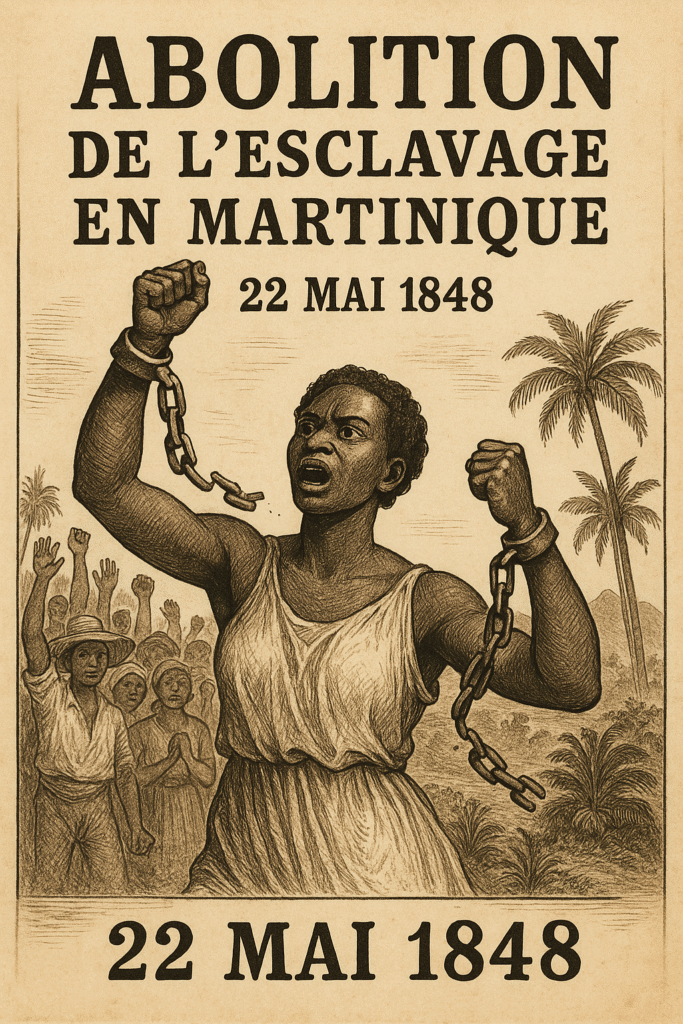
Historical Context of Slavery in Martinique The history of slavery in Martinique is deeply intertwined with the island’s plantation economy, which flourished primarily from the 17th century onward. As a French colony, Martinique became a crucial player in the production of sugar, a lucrative commodity that relied heavily on the labor of enslaved Africans. The demand for sugar in Europe was insatiable, leading to a significant increase in the importation of enslaved individuals from Africa. By the 18th century, a large majority of the island’s population consisted of enslaved persons, creating a society where the economy was heavily dependent on forced labor. The transatlantic slave trade saw millions of Africans transported under dire conditions to the Americas, including Martinique, where they were subjected to brutal working conditions on sugar plantations. This inhumane system not only dehumanized the enslaved individuals but also shaped the social fabric of the colonial society, fostering disparities between the wealthy plantation owners and the oppressed enslaved population. The cultural impact of slavery was profound, as African traditions, languages, and spiritual practices mingled with European influences, creating a unique Creole identity that remains in parts of Martinique today. <pthroughout 1848="" 19th="" a="" abolition="" abolitionist="" along="" and="" as="" awareness="" began="" both="" brutal="" by="" calls="" caribbean="" century,="" challenge="" combined="" conditions="" coupled="" due="" enlightenment="" enslaved="" equality,="" ethical="" faced="" factors="" for="" gained="" haitian="" history. The Abolition Movement and Key Figures The abolition movement in France and the Caribbean is a complex tapestry woven from the courage and determination of numerous individuals across different spheres of society. The 18th and 19th centuries witnessed a growing awareness of the inhumanity of slavery, significantly influenced by the principles of liberty and equality propagated during the French Revolution. The ideals of 1789 ignited a sense of urgency among abolitionists, who recognized that the time for change had come. In the Caribbean, including Martinique, a confluence of economic, social, and political factors set the stage for significant developments. Among the pivotal figures in the abolition movement, Victor Schœlcher stands out as a tireless advocate for the emancipation of enslaved individuals in the French colonies. Appointed as a commissioner to investigate the conditions of slaves in the colonies, Schœlcher fervently campaigned for abolition, arguing that the so-called “civilized” nations had a moral obligation to end slavery. His relentless efforts culminated in his role in drafting the decree that officially abolished slavery in Martinique on April 27, 1848. Additionally, the voices of formerly enslaved individuals were critical in advocating for change, as they shared their harrowing experiences and called for an end to their subjugation. The influence of international movements also played a crucial role in the local abolitionist efforts. In the context of the wider Caribbean, abolitionist sentiments were buoyed by the successes of emancipation in other territories, as they bolstered the aspirations of those in the colonies. Political leaders and activists collaborated to cultivate a burgeoning civil rights consciousness among the populace, resisting the entrenched interests of plantation owners who sought to maintain their economic power through slavery. This collective mobilization ultimately resulted in a significant shift in public opinion and paved the way for the long-awaited end of slavery in Martinique. The Decree of Abolition in 1848 In April 1848, the French government issued a decree that fundamentally altered the socio-political landscape of Martinique by abolishing slavery. This decree came at a time when France was undergoing significant political transformations, particularly following the February Revolution of 1848, which resulted in the establishment of the Second Republic. As a part of this reform movement, the National Assembly was influenced by growing humanitarian sentiments and the evolving discourse surrounding human rights, leading to the realization that slavery was incompatible with the ideals of liberty and equality that the revolution professed. The implications of the decree for the enslaved people in Martinique were profound. It legally transformed their status from property to individuals endowed with certain rights, fundamentally altering the power dynamics between the formerly enslaved and their masters. However, the immediate response from plantation owners and the colonial administration was one of apprehension and resistance. Many landowners expressed their discontent, fearing economic collapse and loss of labor. In the wake of abolition, they sought ways to undermine the decree, while the colonial administration scrambled to manage the transition, often failing to provide adequate support and resources for the newly freed individuals. The local population received the news of abolition with a mix of jubilation and skepticism. Enslaved people celebrated their newfound freedom, organizing gatherings and public displays of gratitude. However, the implementation of the decree faced numerous challenges, including a lack of clear guidelines on how to transition from a slave-based economy to one founded on wage labor. Despite these obstacles, the decree of abolition marked a momentous shift in Martinique’s history, setting in motion a complex interplay of social, economic, and political changes that would redefine the island’s future for generations to come. The Aftermath and Legacy of Abolition The abolition of slavery in Martinique in 1848 marked a significant turning point in the island’s history, with profound implications that shaped its social, economic, and political landscape. Following the proclamation of freedom, a complex transition was initiated, wherein formerly enslaved individuals began to navigate their new status as free citizens. This transition, however, was fraught with challenges, as many freed people struggled with the abrupt shift from a lifetime of enforced labor to self-sustenance and economic independence. Socially, the sudden end of slavery altered the fabric of Martinican society. The formerly enslaved population sought to reclaim their identity and cultural heritage, which had been suppressed during slavery. This reawakening fostered a sense of community and solidarity among the liberated individuals, leading to the formation of new social structures that prioritized education, cultural expression, and economic collaboration. However, the legacy of enslavement continued to weigh heavily on these communities, as systemic inequalities persisted, manifesting in limited access to resources, political representation, and social services. Economically, Martinique faced transformation challenges, as the plantation economy heavily relied on