
George Bridgetower: The Inspiring Connection with Beethoven

The Life and Legacy of George Bridgetower George Bridgetower, born in 1780, emerged as one of the noteworthy child prodigies of his time, captivating audiences with his exceptional talent as a violinist. His multicultural heritage played a pivotal role in shaping his artistic identity. The son of a Barbadian father and a Polish mother, Bridgetower’s unique background not only influenced his musical style but also allowed him to navigate diverse cultural landscapes in his career. From an early age, he demonstrated remarkable proficiency on the violin, which led to a swift rise in the musical circles of Europe. Bridgetower’s early years were spent in the vibrant cosmopolitan atmosphere of London, where he was exposed to various musical influences. His talent was recognized at a young age, and he received tutelage from prominent figures that honed his skills. By the late 18th century, he was not only performing in prestigious venues but also composing music that showcased his innovative spirit. His contributions significantly enriched the classical genre, as he seamlessly blended different musical elements that reflected his multicultural upbringing. As a performer, Bridgetower was known for his charismatic stage presence and technical prowess. He captured the attention of music patrons and was a prominent figure in the concerts of his era. It was this acclaim that paved the way for his notable collaboration with Ludwig van Beethoven. Their connection is often highlighted as a prime example of artistic synergy in classical music history. Bridgetower’s rise as a violinist not only set a precedent for future multicultural musicians but also left an enduring legacy that celebrates the intersection of diverse influences in classical music. The Meeting of Musical Minds: Bridgetower and Beethoven The remarkable relationship between George Bridgetower and Ludwig van Beethoven provides a fascinating insight into a pivotal moment in the evolution of classical music. The two first met in 1803 in Vienna, a city that was experiencing a cultural renaissance. Bridgetower, a prodigious violinist of mixed heritage, was already gaining recognition for his virtuosic performances. Beethoven, at that time, was solidifying his reputation as a revolutionary composer, and the convergence of these two talents would lead to a significant artistic collaboration. This serendipitous meeting occurred during a private concert that Beethoven hosted. Intrigued by Bridgetower’s artistic prowess and technical skills on the violin, he invited the young musician to perform some of his works. This was the catalyst for a friendship that allowed both artists to explore new creative horizons. Their partnership culminated in the composition of the “Sonata for Piano and Violin in A Major, Op. 47,” more famously known as the Kreutzer Sonata. This piece would ultimately redefine the violin repertoire and highlight the artistic synergy between them. The Kreutzer Sonata not only showcases Beethoven’s innovative spirit but also encapsulates Bridgetower’s virtuosity, with its demanding passages and intricate dialogues between the violin and piano. The premiere of the work in 1803 was a testament to their collaborative efforts, characterized by an exhilarating performance that resonated deeply with audiences. Anecdotes from that era suggest that Bridgetower’s interpretations of Beethoven’s complex compositions inspired the maestro, encouraging him to push the boundaries of conventional music. The mutual respect and admiration between the two musicians were evident both in their performances and in their personal interactions, as they forged a bond that transcended mere collaboration, embodying a meeting of like-minded geniuses. The Kreutzer Sonata: A Milestone in Classical Music The Kreutzer Sonata, officially known as Violin Sonata No. 9 in A major, Op. 47, represents a critical juncture within the landscape of classical music, highlighting the exceptional collaboration between George Bridgetower and Ludwig van Beethoven. Composed in 1803, this sonata not only showcases the technical prowess of the violin but also embodies a deep emotional resonance, establishing its significance beyond mere notes and rhythms. The technical challenges presented by the Kreutzer Sonata are formidable. The piece demands extraordinary skill from the violinist, including rapid passages, complex fingerings, and intricate bowing techniques. These elements push the boundaries of the instrument and challenge musicians to transcend their capabilities. Additionally, the sonata’s structure, consisting of three contrasting movements, enables performers to explore a vast emotional spectrum, from the vigorous and spirited Allegro to the Intimate Andante con Variazioni, culminating in a dynamic Presto. Such diversity not only showcases Beethoven’s compositional ingenuity but also reflects the rich interpretative possibilities available to those who have taken on the sonata’s mantle over the years. The significance of the Kreutzer Sonata is further amplified by its historical context and the bond it represents between Bridgetower and Beethoven. While the original performance was celebrated, the sonata has undergone various interpretations that have continued to enrich its legacy. Notably, following an initial falling-out between the composer and the performer, Beethoven famously dedicated the piece to Rodolphe Kreutzer, another violinist. This shift in dedication did not diminish the impact of the sonata but rather expanded its reach to a broader audience of musicians and enthusiasts. Throughout its history, the Kreutzer Sonata has been interpreted by numerous renowned artists, affirming its status as a pillar of the violin repertoire and a testament to the enduring creativity and collaborative spirit between Bridgetower and Beethoven. Celebrating the Contributions of George Bridgetower Today In recent years, there has been a notable resurgence of interest in the life and work of George Bridgetower within contemporary music circles. This renewed focus highlights the significance of Bridgetower’s contributions to classical music and serves as a reminder of the rich diversity present within the history of the genre. Initiatives across various platforms have aimed to honor his legacy, including performances, recordings, and educational programs that feature his compositions and story. Several music festivals and concert series have consciously included works by George Bridgetower in their repertoires, bringing his music to new audiences. Furthermore, recent recordings have sought to shed light on his creations, ensuring that they are not merely footnotes in the annals of music history but are celebrated as integral components of the classical canon. These efforts reflect
The Importance of Recycling the Black Dollar: Strengthening Our Communities

Understanding the Black Dollar The term ‘Black Dollar’ refers to the financial resources generated through the economic activities of the African American community. This concept emphasizes the considerable purchasing power held by African Americans, showcasing their ability to influence market dynamics across various sectors. The Black Dollar embodies not only individual spending but also the collective economic potential of the entire community. The significance of the Black Dollar lies in its capacity to support local businesses, foster community development, and strengthen economic resilience. According to recent data, African Americans possess an estimated purchasing power of over $1.7 trillion annually in the United States. This substantial figure underscores the importance of recognizing and harnessing this economic influence to uplift neighborhoods and drive progress. Moreover, studies show that a significant portion of this spending tends to circulate within the community, creating a multiplier effect that benefits local enterprises and services. Spending habits within the African American community reveal a strong inclination towards supporting Black-owned businesses. Research indicates that when African American consumers spend their dollars within their own communities, it leads to approximately 3.5 times the economic return compared to when the currency exits these neighborhoods. These purchasing patterns reflect a commitment to societal well-being, while also showcasing the potential for growth and stability when residents invest in their local economies. In essence, the Black Dollar serves as a vital resource that can drive economic empowerment. As awareness of its significance grows, it becomes increasingly important for both individuals and community leaders to prioritize strategies that promote the recycling of these funds. By fostering a robust ecosystem centered on the Black Dollar, the African American community can enhance its economic capacity and ensure long-term sustainability. The Benefits of Recycling the Black Dollar Recycling the Black Dollar refers to the practice of deliberately circulating economic resources within African American communities. This approach yields numerous benefits that significantly impact local economies, social structures, and overall community resilience. One of the foremost advantages is economic empowerment. When community members prioritize spending at Black-owned businesses, they bolster local entrepreneurship and encourage other residents to establish their own enterprises, thus enhancing the local economic landscape. Job creation is another critical benefit of recycling the Black Dollar. When money is kept within the community, it fosters a robust cycle where Black-owned businesses hire local residents, leading to increased employment opportunities. For instance, initiatives such as “Buy Black” campaigns encourage people within the African American community to support local artisans and service providers, propelling job creation and stimulating economic growth. Over time, this leads to increased income levels, which can subsequently elevate living standards. Furthermore, supporting local businesses through the recycling of the Black Dollar allows communities to retain wealth that would otherwise flow outwards. The “economic leakage” phenomenon, where money spent in external establishments departs the community, is curtailed when residents prioritize local expenditures. Successful programs, like community markets and cooperative businesses, have demonstrated the effectiveness of this approach. They not only provide essential services and products but also cultivate a sense of community pride and ownership. By investing in one’s own neighborhood, residents can influence the overall social fabric, leading to enhanced community engagement and cohesion. This form of economic circulation can uplift entire communities, making them more self-sufficient and resilient against economic downturns. Each dollar recycled within the community has the potential to create a multitude of positive effects, reinforcing the importance of this practice. It is through these collective efforts that the long-term development of thriving, empowered communities can be achieved. Challenges to Recycling the Black Dollar The concept of recycling the Black Dollar encompasses the reinvestment of financial resources within the Black community to foster economic growth. However, several challenges and barriers hinder the effective circulation of these funds. Economic disenfranchisement is a significant systemic issue; many Black communities face insufficient access to quality jobs and fair wages, resulting in lower disposable incomes. This economic strain contributes to a cycle of poverty that limits individuals’ abilities to spend within their communities, thereby stunting growth for local businesses. Moreover, access to financial resources remains a prominent barrier. Predatory lending practices, coupled with a historical lack of investment in Black neighborhoods, have created an environment where securing loans for business initiatives or personal enterprises is extremely challenging. Many Black entrepreneurs face discrimination when seeking capital, often being denied loans due to biased perceptions of risk. This systemic inequality stymies entrepreneurs’ capacity to create and sustain thriving businesses that would enable the effective recycling of the Black Dollar. Additionally, a lack of support for Black-owned businesses is an obstacle that cannot be overlooked. While there is an increasing awareness of the importance of supporting local enterprises, many consumers still prefer established brands that often do not hail from their own communities. This trend underlines a need for enhanced marketing and support networks that elevate Black businesses and encourage consumers to invest in their local economy. Furthermore, the collaboration among Black entrepreneurs can pave the way for collective growth, yet often, a scarcity of resources prevents these collaborations from forming. In light of these challenges, it becomes vital to initiate a community dialogue regarding potential solutions. Encouraging local partnerships, fostering financial literacy, and advocating for equitable lending practices are steps that can be taken to overcome the obstacles that impede the recycling of the Black Dollar. Addressing these systemic issues will not only empower individuals but also contribute to the holistic development of the community. Strategies for Community Engagement and Action Engaging communities in the process of recycling the Black Dollar is fundamental to building a sustainable local economy. Individuals and groups can take several actionable steps to promote this initiative effectively. One effective strategy involves actively supporting black-owned businesses in your area. This can be achieved by prioritizing purchases from these enterprises, thus ensuring that revenue stays within the community. Creating a list of local black-owned businesses can serve as a handy guide for residents looking to make conscious spending choices that benefit their community. Collaboration
Essential Assets to Grow Your Bank Account in 2025

Understanding Financial Assets Financial assets are crucial components in the landscape of personal finance and wealth accumulation. They refer to resources that hold monetary value and can be converted into cash or cash equivalents. The understanding of financial assets is essential for individuals looking to grow their bank accounts, especially as we approach 2025, a year that may bring new economic trends and opportunities for investment. Among the various types of financial assets, stocks, bonds, real estate, and alternative investments stand out as the most prevalent. Stocks represent ownership in a company and are traded on stock exchanges. They can yield returns through capital appreciation and dividends, making them a vital asset for anyone looking to increase their wealth. Bonds, on the other hand, are debt instruments issued by governments or corporations, offering fixed interest payments over time. They are often considered lower-risk investments, providing a reliable income stream that complements a diverse investment portfolio. Real estate is another valuable financial asset that can lead to significant appreciation over time. Investing in property not only provides the potential for rental income but also can serve as a hedge against inflation. Moreover, understanding the trends in the real estate market can guide investors in making informed decisions to grow their wealth strategically. Finally, alternative investments, such as commodities, private equity, and cryptocurrencies, have gained traction in recent years. These assets can diversify an investment portfolio and potentially enhance returns, albeit often with greater volatility. Each type of financial asset carries its own risk profile and should align with individual financial goals and risk appetite. As we look toward 2025, it is crucial to grasp the nuances of financial assets and their roles in wealth accumulation. By understanding how to leverage these assets effectively, individuals can better position themselves to enhance their bank accounts moving forward. Top Investment Assets for 2025 As we look towards 2025, certain investment assets are poised to yield significant returns, driven by technological advancements, sustainability efforts, and traditional investment approaches. Key areas to focus on include stocks in emerging technologies, sustainable investments, and reliable traditional assets like real estate. Foremost among them are stocks from emerging technologies such as artificial intelligence, biotechnology, and renewable energy. Companies that prioritize artificial intelligence are expected to revolutionize various sectors, from healthcare to logistics, which will likely enhance their market capitalizations over the next several years. Investing in biotech firms that create innovative healthcare solutions may also prove fruitful, especially those addressing aging populations and chronic diseases. Moreover, the renewable energy sector is on an upward trajectory due to increasing global emphasis on combatting climate change, representing a robust opportunity for substantial investment gains. In parallel, sustainable investments are garnering attention, with asset managers increasingly considering environmental, social, and governance (ESG) criteria. Funds and stocks that prioritize sustainability not only align with growing consumer values but also demonstrate resilience in times of market volatility. Companies that lead in sustainability initiatives often reap the benefits of higher regulatory favor and consumer loyalty, making them attractive candidates for investment. Additionally, traditional assets such as real estate continue to hold their ground. As urban areas expand and populations grow, demand for housing is likely to remain strong. Real estate investment trusts (REITs) can offer both capital appreciation and dividends, providing an appealing avenue for diversification within a portfolio. While traditional real estate is generally seen as a stable investment, like any asset, it is essential to understand the associated risks, such as market fluctuations and economic downturns. In summary, strategically diversifying investments across these areas—emerging technologies, sustainable initiatives, and traditional real estate—can optimize returns while managing associated risks in your financial portfolio for 2025. Building a Diversified Portfolio In the realm of asset management, building a diversified portfolio stands as a cornerstone of financial stability and growth. The principle of diversification revolves around the allocation of investments across various asset classes, such as stocks, bonds, real estate, and commodities. This strategy serves to mitigate risks and can enhance potential returns, ultimately leading to increased financial security. As we approach 2025, the significance of this approach becomes even more pronounced. One effective strategy for creating a diversified portfolio is through proper asset allocation. This method involves distributing investments among different categories based on one’s risk tolerance, financial goals, and investment time horizon. By doing so, investors can safeguard their portfolios against market volatility; for instance, if one asset class underperforms, gains in another can offset the losses. A well-balanced allocation typically incorporates a mix of high-risk investments, such as growth stocks, and lower-risk options like government bonds. Herein lies the power of diversification—it allows for a more resilient portfolio. Additionally, risk balancing is vital in effective diversification. This approach acknowledges that each asset carries its own risk profile and potential for returns. Investors are encouraged to evaluate and adjust the risk levels of their investments periodically, ensuring that their portfolio remains aligned with their financial objectives. Tools such as risk assessment matrices can prove beneficial in evaluating the contributions of various assets to the overall portfolio risk. Incorporating a deliberate diversification strategy not only positions investors to potentially achieve superior returns but also provides crucial protection against unforeseen market downturns. Ultimately, a diversified portfolio enables individuals to navigate the complexities of the financial landscape, paving the way for growth in 2025 and beyond. Financial Planning and Goal Setting for 2025 As we approach 2025, it becomes increasingly important to focus on financial planning and goal setting to ensure the growth of our bank accounts. The landscape of personal finance is continually evolving, necessitating a well-thought-out strategy to navigate challenges and seize opportunities. Establishing clear financial goals is an essential first step in crafting a robust financial plan, as it allows individuals to direct their focus and resources toward specific achievements. A comprehensive assessment of your current financial situation is crucial when setting these goals. Begin by evaluating your income, expenditures, savings, and investments. Understanding where your money is being allocated enables you to identify
The Incredible Journey of Henry Box Brown: A Tale of Courage and Freedom
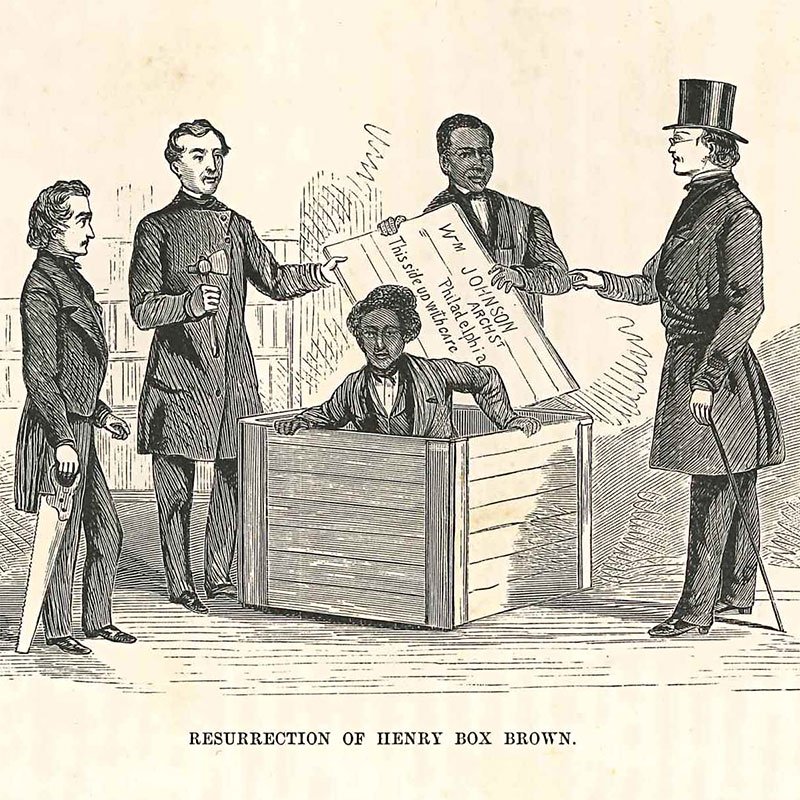
Introduction to Henry Box Brown Henry Box Brown, a figure synonymous with courage and resilience, was born into the harsh realities of slavery in Virginia in 1815. His early life was profoundly shaped by the institution of slavery, a system that denied him basic human rights and freedoms. Enslaved from birth, Brown’s experiences on the plantation were marked by relentless labor and the ever-present threat of violence, which were characteristic of the socio-political landscape of the United States during the early 19th century. This period was defined by the entrenched practice of slavery, particularly in Southern states, where enslaved individuals were considered property rather than people. As a young boy, Brown exhibited a strong desire for knowledge and self-advancement. He was taught to read, which was a significant privilege among enslaved individuals. This ability would later play a crucial role in his quest for freedom. On the plantation, Brown worked various roles, from a field hand to a skilled laborer, which allowed him to observe the wider world around him while also reinforcing the limitations placed upon him by his enslavers. The harsh conditions of plantation life fueled his longing for liberation and autonomy. In 1845, after the heartbreaking separation from his family—an all-too-common fate for enslaved individuals—Brown resolved to escape. The decision was sparked by profound personal loss and the realization that staying in slavery was untenable. In seeking liberation, he explored various escape routes and was influenced by the growing abolitionist movement. This movement aimed to dismantle the institution of slavery, advocating for the rights and dignity of all individuals, regardless of their skin color. It was within this turbulent context that Brown plotted his extraordinary journey to freedom, setting the stage for an incredible tale of courage and determination that would inspire many. The Escape Plan: A Bold Move Henry Box Brown’s escape from the confines of slavery was not an act of spontaneity but rather a meticulously crafted plan that required immense courage and ingenuity. Residing in Richmond, Virginia, where he toiled as a slave, Brown realized that his only pathway to freedom lay in breaking the shackles of oppression that bound him. His idea involved a bold yet dangerous scheme to conceal himself within a wooden crate, targeting the very system that enabled his enslavement. Understanding the gravity and peril involved, Henry collaborated with a network of sympathetic individuals, some of whom were part of the Underground Railroad. These allies included abolitionists who provided both logistical support and moral encouragement. They played a crucial role in facilitating Brown’s daring escape, assisting him in crafting the crate that would serve as his temporary prison and sanctuary. This wooden box, designed to securely contain him, represented a transformative vessel—a means to transport him toward liberty. In the days leading up to his departure, Brown devised a meticulous plan, carefully orchestrating every detail of the journey. His allies helped him secure a route that would transport the crate from Richmond to Philadelphia, navigating through a society fraught with risks and potential betrayal. Each ounce of courage required for this endeavor underscores the desperation felt by enslaved individuals in pursuit of freedom. On the day of his escape, Brown entered the crate, heart pounding as the lid was closed atop him. Inside, the conditions were cramped and dark, making the experience both physically and psychologically taxing. Yet, the spirit of freedom fueled his resolve. The journey itself was fraught with uncertainty, including the fear of detection and the trepidation that accompanied risking one’s life for the pursuit of liberty. In navigating these risks, Henry Box Brown provided an inspiring testament to human courage and ingenuity, showcasing the lengths one would go to attain the elusive dream of freedom. The Journey to Freedom: The Crate Experience Henry Box Brown’s escape from slavery was nothing short of remarkable, characterized by an unconventional yet audacious plan that revolved around a wooden crate. This crate, measuring approximately three feet long, two feet wide, and two feet deep, served as both his vessel and prison as he embarked on a perilous journey to freedom. For 27 hours, Brown was confined within this cramped space, deprived of light and movement, relying solely on his mental fortitude to see him through the ordeal. The physical challenges of such confinement were formidable. The crate offered almost no room to adjust his position, making every minute a test of endurance. Brown famously had to lie flat, contorting his body in ways that tested the limits of human tolerance. Additionally, the oppressive heat and the absence of fresh air heightened his discomfort, intensifying the fear that gripped him—a fear rooted in the possibility of discovery by those who sought to return him to servitude. Despite such daunting circumstances, hope was Brown’s unwavering companion. He harbored the dream of freedom, a powerful motivator that allowed him to endure the darkness of his crate. As he awaited transport, he found solace in thoughts of family and the promise of liberation. The contents of the crate were limited, with only the most basic supplies such as a water jug and a few personal belongings that carried memories of a life lived under the specter of bondage. Each item represented not just the past but also a glimmer of the future he sought. The climax of Brown’s journey occurred when the crate was finally lifted and placed aboard a train, marking the transition from captivity to the unknown journey toward freedom. The realization that he was moving toward his emancipation, even while confined, infused him with newfound strength and determination. His extraordinary decision to escape within a crate remains a testament to the resilience of the human spirit, illustrating the profound lengths one would go to in pursuit of liberty. Legacy of Henry Box Brown: Activism and Influence Henry Box Brown’s extraordinary journey from bondage to freedom not only serves as a captivating narrative but also stands as a profound testament to the power of resilience and activism. After successfully escaping slavery
George Dixon: The Trailblazer of Black Excellence in Boxing

Early Life of George Dixon George Dixon was born on July 21, 1870, in Halifax, Nova Scotia, Canada. He was the son of a former enslaved African American, which significantly influenced his identity and aspirations. Growing up in a predominantly white society presented unique challenges for Dixon and his family, exposing them to the harsh realities of racial discrimination and economic hardship. Despite these obstacles, Dixon’s family instilled in him the values of resilience and ambition, elements that would serve him well throughout his life. His early exposure to boxing came from the local community, where he often watched and later participated in informal matches among friends. The sport offered an escape from the socio-economic struggles faced by his family, igniting a passion within him. At a young age, Dixon exhibited remarkable physical attributes, including speed and agility, which made boxing an appealing avenue for him to gain recognition and improve his standing within society. However, the journey was fraught with challenges, particularly given the racial dynamics of the time, where opportunities for black athletes were severely limited. Dixon’s entry into professional boxing was a pivotal moment, not just for him but for the sport itself. His determination and skill helped him break through the barriers imposed by a segregated society. He faced initial resistance and blatant racism, yet Dixon’s success in the ring started to change perceptions. Competing in a sport that was often inaccessible to black athletes, he became a pioneer, demonstrating that talent and dedication could transcend societal prejudices. As he continued to hone his craft, Dixon’s foundation as a boxer was being laid in an environment that both challenged and motivated him to excel. The Journey to Championship Success George Dixon’s ascent to boxing stardom began in the late 19th century, an era where opportunities for black athletes were limited due to pervasive racial discrimination. Born in 1870 in Halifax, Nova Scotia, Dixon developed an interest in boxing at an early age. His determination and skill set him apart, offering him a unique trajectory in the sport that would ultimately lead to his historic accomplishment as the first black athlete to secure a world boxing championship. Dixon’s early career was marked by several notable victories that built his reputation within the boxing community. By the age of 22, he had already garnered attention, winning numerous fights against tough opponents. His resilience and technical prowess in the ring began to attract the interest of boxing promoters and fans alike, setting the stage for his pursuit of championship glory. In 1892, Dixon faced a monumental challenge that would change the course of his career: a match against the reigning bantamweight champion, the formidable, heavily favored Jack Skelly. This bout exemplified not only Dixon’s skill and bravery but also his strategic acumen as he relied on his speed and agility to evade Skelly’s powerful punches. The match ended with Dixon winning by a unanimous decision, which not only earned him the bantamweight title but also a place in sports history. Dixon’s victory held enormous significance beyond the boxing ring, as it represented a breakthrough for black athletes amid an environment rife with discrimination. His champion status paved the way for future generations of black boxers, proving that racial barriers could be transcended through excellence and determination. Throughout his career, Dixon demonstrated that talent and perseverance could triumph against societal odds, establishing him as a true trailblazer of black excellence in boxing. Impact on Sports and Racial Barriers George Dixon, often recognized as a pioneering figure in boxing, played a pivotal role in shaping both the sport and the societal perspectives surrounding race in the late 19th and early 20th centuries. His achievements extended far beyond the confines of the boxing ring, as he openly challenged the racial prejudices of his time. As the first African-American recognized world champion, Dixon shattered barriers and provided a representation that had been sorely lacking in athletics. His remarkable success in the sport served to validate the capabilities of black athletes who were often dismissed due to prevailing racial stereotypes. The impact of Dixon’s contributions can be seen in the gradual progression of opportunities for black athletes who followed in his footsteps. By attaining titles and accolades during a time when racial discrimination was rampant, he helped to usher in an era of possibility for other aspiring boxers and athletes from marginalized communities. Through his triumphs, Dixon not only gained respect within the sport but also ignited a movement that encouraged the acceptance and recognition of black sports figures across various disciplines. His influence is evident in the way sports have evolved to become spaces where racial barriers are continually challenged. In contemporary discussions regarding race and representation in athletics, the legacy of George Dixon remains highly relevant. Modern athletes often cite pioneers like Dixon as inspirations who fought against the systemic inequalities that existed within sports. Today, as society grapples with issues of equity and representation, the strides made by early champions like Dixon are acknowledged as crucial groundwork in the ongoing struggle for inclusivity in sports. His story serves as a reminder of the profound ways in which individual excellence can challenge the status quo and inspire change within the sporting community and beyond. Legacy and Commemoration George Dixon’s legacy as a trailblazer in boxing extends far beyond the ring; he serves as a testament to the resilience and potential of Black athletes in a time when systemic racism permeated all aspects of society. Not only was Dixon the first Black world champion in boxing, winning the Bantamweight title in 1890, but he also held the Featherweight title multiple times, paving the way for future generations. His determination and skill shattered racial barriers, establishing a foundation upon which future Black boxers could build their careers. Posthumously, Dixon has received numerous honors that reflect his significant contributions to the sport of boxing and to Black history. He was inducted into the International Boxing Hall of Fame in 1990 and remains a key
The Life and Legacy of Assata Shakur
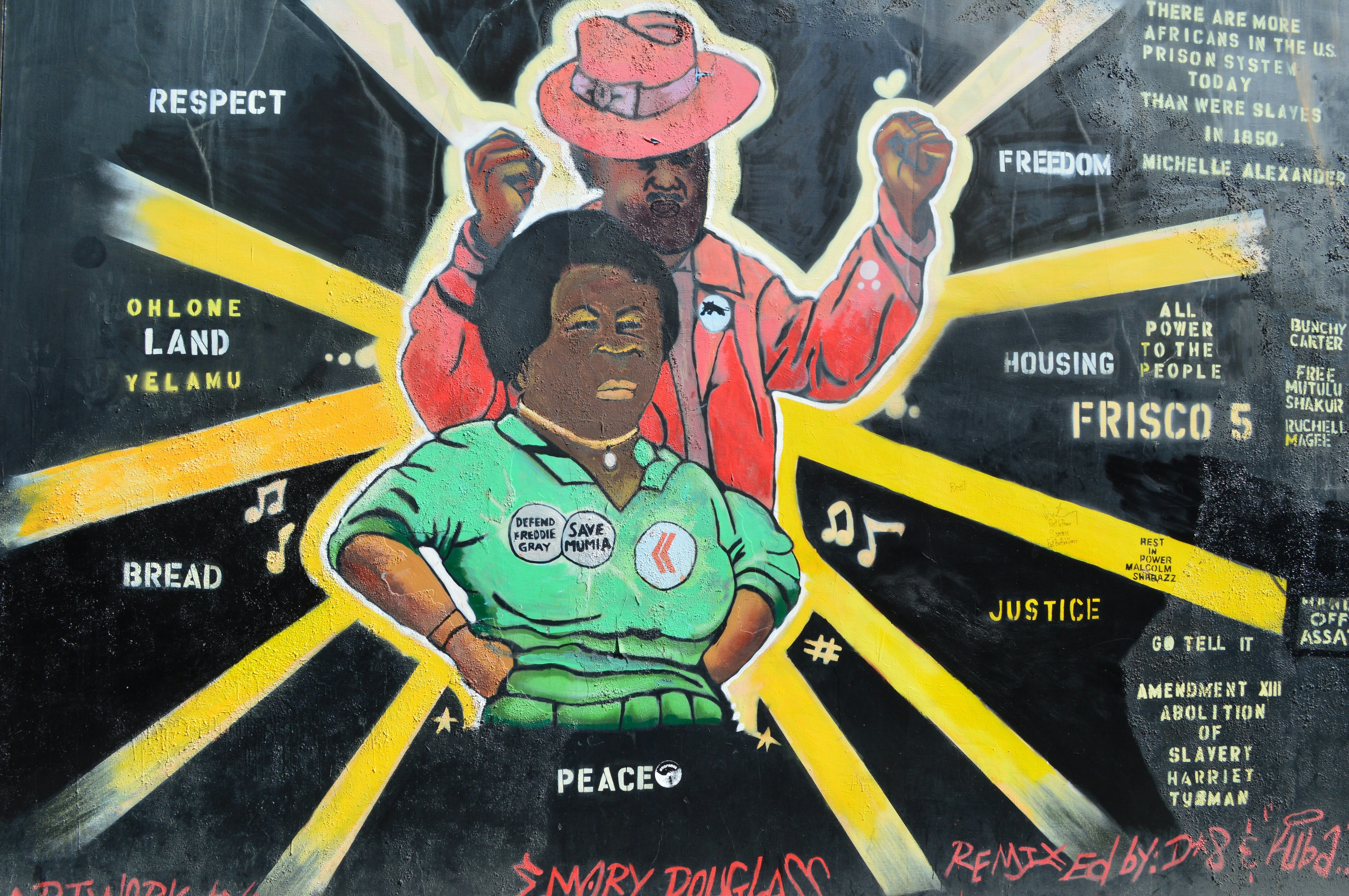
Early Life and Background Assata Shakur, born JoAnne Deborah Byron on July 16, 1947, in New York City, was deeply influenced by her upbringing and the socio-political climate of the time. Her mother, a school teacher, and her father, a World War II veteran and businessman, instilled in her the values of education and resilience. However, Shakur’s formative years were also marked by the challenges faced by African Americans in urban America during the 1950s and 1960s, a period fraught with racial tensions and systemic injustice. Growing up in a predominantly African American neighborhood, Shakur was exposed to experiences of discrimination and inequality. These early encounters with racial injustice played a pivotal role in shaping her consciousness and identity. The struggles faced by her community laid the foundation for her later activism, fueling her desire for social and political change. The cultural influences of the time, including the Civil Rights Movement and the Black Power Movement, further informed her beliefs and motivations. Shakur’s early education occurred in a landscape where her intelligence and potential were often overshadowed by her racial identity. She became increasingly aware of the disparities that existed between her community and the broader society. As a teenager, she engaged with the artistic and political movements, finding expression through poetry and literature, which not only reflected her experiences but also inspired her fight against oppression. These formative experiences—her family’s history, the cultural milieu, and her personal encounters with injustice—set the stage for Shakur’s evolution into a pivotal figure in the civil rights movement. They highlight the interplay between her early life and her later commitment to activism, forever linking her identity with the struggle for racial equality and justice. Political Activism and the Black Liberation Movement Assata Shakur emerged as a formidable figure in the landscape of political activism during the late 1960s and 1970s. Her involvement with the Black Panther Party and later the Black Liberation Army positioned her as a key player in the struggle for racial equality and social justice in the United States. The Black Panther Party, known for its advocacy of armed self-defense and community programs, was instrumental in raising awareness about systemic racism and promoting Black empowerment. Shakur’s contributions included not only participating in community service initiatives but also delivering powerful speeches that galvanised support for the movement. In this era marked by intense sociopolitical upheaval, activists like Shakur faced numerous challenges. They encountered violent repression from law enforcement agencies, including surveillance, arrests, and police brutality, particularly aimed at undermining their efforts. Shakur’s personal experiences with law enforcement reflect the broader narrative of the time—activists were often portrayed as radicals or criminals. These encounters heightened her commitment to the cause and informed her writing, which articulates the realities faced by marginalized communities. Shakur’s writings are not only a testament to her resilience but also an embodiment of the ideals of the Black Liberation Movement. Her autobiographical work, “Assata: An Autobiography,” resonates deeply with themes of justice, empowerment, and the quest for freedom. Through her eloquent articulation of her experiences, Shakur sought to inspire not only her contemporaries but also future generations in the fight against oppression. The legacy she created continues to provide valuable insights into the importance of political activism and the enduring struggle for civil rights and equality in America. Controversy and Exile Assata Shakur, a prominent figure in the Black Liberation Movement, remains one of the most controversial figures in American history. Her indictment for murder in 1973, following a deadly shootout involving the Black Panther Party, ignited a complex legal battle that polarized public opinion. Advocates argue that Shakur was a victim of systemic racism and state violence, while opponents view her as a dangerous fugitive who escaped justice. The intricacies of her trial, characterized by allegations of bias and misconduct, further complicate her narrative. As a result of her convictions and subsequent sentencing, Shakur escaped from prison in 1979 and sought political asylum in Cuba. Her life in exile has been marked by a commitment to social justice advocacy, emphasizing the plight of marginalized communities. Living under the protection of the Cuban government, she has continued to raise awareness around issues such as police brutality and racial inequality. This period of exile also allowed Shakur to cultivate a broader international support network, enabling her to address global human rights issues. The implications of her status as a fugitive reach far beyond her personal experience. Shakur’s case has been utilized by various activist groups as a symbol of resistance against oppression. The FBI has referred to her as a domestic terrorist, while many supporters view her as a freedom fighter. This dichotomy illustrates the ongoing struggle over narratives in the context of race and justice in America. Shakur’s life in Cuba serves as a potent reminder of the ongoing fight for social change, showcasing how political exile can both silence voices and amplify movements around the world. Assata Shakur’s Impact and Legacy Assata Shakur, born JoAnne Chesimard, remains an iconic figure in the realms of civil rights and social justice. Her journey from a prominent member of the Black Panther Party and the Black Liberation Army to a fugitive in Cuba has left an indelible mark on contemporary activism, particularly within movements like Black Lives Matter. Shakur’s powerful writings, especially her autobiography, articulate the struggles faced by individuals in marginalized communities and offer a vivid narrative of resistance against systemic oppression. Shakur’s impact is deeply felt in the ongoing discourse surrounding race and justice in America. By articulating her experiences with racial profiling, police brutality, and the criminal justice system, Shakur has become a symbol of the fight for freedom, especially for Black women. Her story raises critical questions about equality, representation, and the collective fight for civil rights, themes that resonate with many who advocate for change today. Her legacy continues to inspire activists across various platforms, reminding them of the importance of perseverance in the face of adversity. Furthermore, Shakur’s influence extends beyond activism into
On This Day in History: The Invention of the Gas Mask by Garrett Morgan

The Man Behind the Invention: Garrett Morgan Garrett Morgan, an African American inventor, entrepreneur, and community leader, is best known for his groundbreaking invention of the gas mask in 1914. Born on March 4, 1877, in Paris, Kentucky, Morgan was one of eleven children in a family that endured financial hardships. Despite these difficulties, he demonstrated an early curiosity for mechanics and problem-solving, which would later become central to his identity as an inventor. At the age of fourteen, Morgan left school to work as a handyman, where he quickly acquired skills that led him to various jobs in the industry. His desire for knowledge drove him to take on roles as a sewing machine mechanic, which sparked his interest in inventing. This entrepreneurial spirit was further fueled by his eventual move to Cleveland, Ohio, where he started a successful tailoring business. The experience of working in a community with diverse needs paved the way for his innovative thinking. Garrett Morgan’s accomplishments were not limited to his inventions. His keen sense of observation during the 1913 Lake Erie gas explosion significantly influenced his creation of the gas mask. Witnessing the challenges faced by rescue workers, he concluded that a device capable of filtering out toxic gases would save lives. This moment exemplified how his background as a businessman and community leader fueled his inventive pursuits, inspired by both necessity and opportunity. Furthermore, Morgan’s historical contributions extended beyond the gas mask, as he developed the first three-way traffic signal, showing an enduring commitment to enhancing public safety. Despite facing significant racial barriers throughout his career, Morgan’s achievements underscored his resilience and determination. His legacy serves as a testament to the profound impact one individual can have on society through innovation and perseverance. The combination of his early life experiences, education, and entrepreneurial ventures positioned him as a pivotal figure in American history, illustrating how creativity and practicality can intersect to address pressing societal needs. The Gas Mask Invention: A Revolutionary Breakthrough In 1914, as World War I commenced, the introduction of chemical warfare marked a harrowing new chapter in military history. Soldiers confronted not only the chaos of traditional battles but also the insidious threat posed by chemical agents such as chlorine and mustard gas. Recognizing this peril, Garrett Morgan, an African American inventor, took it upon himself to develop a solution that would offer substantial protection to soldiers on the battlefield. His invention, the gas mask, emerged as a revolutionary breakthrough in personal safety equipment. Morgan’s gas mask featured a distinctive design that included a tightly fitting facepiece with a filter element capable of trapping harmful gases. His design incorporated a hood that extended over the head and secured around the neck, ensuring a secure fit to prevent toxic substances from penetrating. The mask utilized a series of fabric and charcoal filters, effectively absorbing noxious chemicals while allowing the wearer to breathe safely. This innovative approach to filtration set the groundwork for future advancements in respiratory protective devices. The motivation behind Morgan’s invention stemmed not only from a need for soldier safety but also from his desire to protect civilians from the horrors of chemical exposure. He developed the gas mask in hopes of minimizing the devastating consequences of chemical warfare, showcasing both foresight and humanitarian concern. When introduced, Morgan’s gas mask was met with skepticism; however, as chemical attacks became more prevalent during the war, the demand for effective protective gear surged. Eventually, the gas mask proved indispensable, saving countless lives on the frontlines and fundamentally reshaping military safety protocols. The significance of Morgan’s gas mask extended beyond the battlefield; it served as a pivotal technological advancement during a critical period in history, showcasing the importance of innovation in times of dire need. Its role in World War I underscored the growing necessity for protective measures against new forms of warfare, setting a precedent for the design and deployment of future personal protective equipment. Impact and Legacy of the Gas Mask Garrett Morgan’s invention of the gas mask marked a significant turning point in both military and civilian safety standards. Developed in the early 20th century, this groundbreaking piece of personal protective equipment became a critical tool during World War I, where it was employed extensively to shield soldiers from the dangers of chemical warfare. As warfare evolved, the gas mask proved to be indispensable, enabling military forces to maintain operational effectiveness in the face of hazardous agents. Its design not only provided immediate protection but also influenced tactics and strategies used in battle, highlighting the importance of safeguarding personnel in increasingly dangerous environments. In the aftermath of the war, the gas mask transcended its military origins, finding applications across various industries. It became a necessary component for workers in hazardous conditions, ranging from chemical manufacturing to construction. The adoption of the gas mask in industrial settings underscored the urgent need for adequate safety measures to protect individuals from toxic substances and airborne pollutants. As public awareness surrounding occupational health and safety grew, Morgan’s invention helped lay the groundwork for comprehensive safety regulations and the development of modern personal protective equipment (PPE). The legacy of the gas mask is not confined to historical contexts; it remains relevant in contemporary situations, particularly in light of global health crises. The COVID-19 pandemic reignited discussions about personal safety gear and the role of respiratory protection in public health. Morgan’s initial vision for protecting individuals in perilous environments continues to inspire innovations in PPE design, adapting to new challenges faced by society. Thus, the gas mask stands as a testament to the enduring impact of creativity in engineering, shaping how protective measures are perceived and implemented in modern warfare and everyday life. July 25 in Historical Context: Notable Events and Innovations July 25 stands out as a pivotal date in history, marked by various significant events, innovations, and advancements across different fields. One of the most remarkable milestones was the invention of the gas mask by Garrett Morgan in 1914, which contributed
The Tuskegee Syphilis Study: A Dark Chapter in Medical Ethics
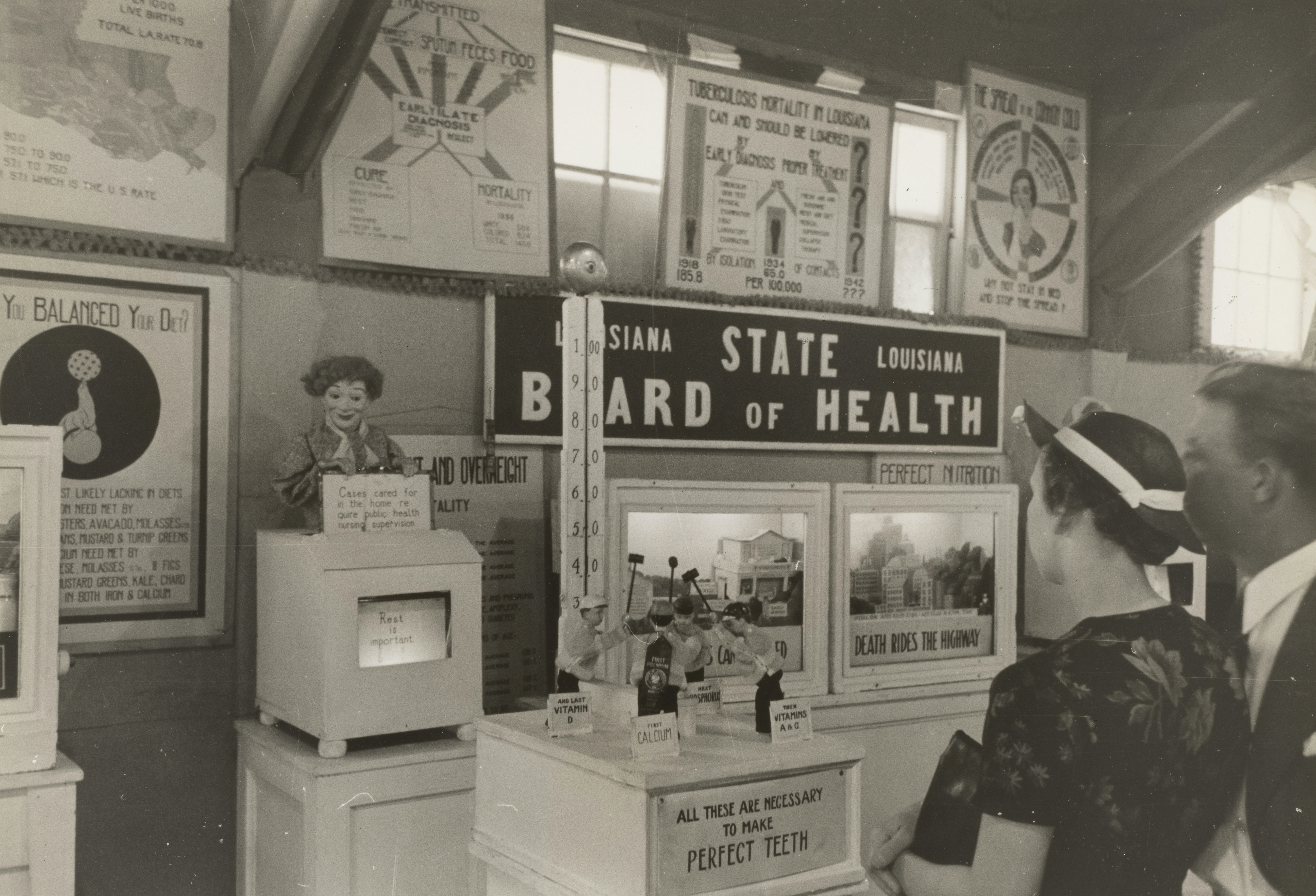
Overview of the Tuskegee Syphilis Study The Tuskegee Syphilis Study, conducted from 1932 to 1972, represents a significant and disturbing period in the history of medical ethics. This research project was initiated by the U.S. Public Health Service with the primary objective of observing the natural progression of untreated syphilis in African American men. The study took place in Macon County, Alabama, and involved 399 men diagnosed with syphilis, alongside a control group of 201 subjects who were not infected. At the inception of the study, the men were not informed of their diagnosis nor the true purpose of the research. Instead, they were told that they were receiving free healthcare from the government for “bad blood,” which was a term used to describe a variety of ailments. The participants were misled about the treatment process, as they were denied access to penicillin, the proven effective treatment for syphilis, which became widely available in the 1940s. This decision was rooted in the study’s controversial aim, which was to collect and analyze data on the effects of the disease over time without providing necessary medical intervention. The ethical concerns surrounding the Tuskegee Syphilis Study are glaring. Not only did the researchers fail to obtain informed consent from the participants, but they also exploited a vulnerable population who had limited access to healthcare and education. This lack of transparency and respect for the men’s autonomy has led to significant criticism of the study, resulting in a profound erosion of trust in medical institutions among African American communities, which persists to this day. Ultimately, the Tuskegee Syphilis Study serves as a cautionary tale about the importance of ethical standards and the necessity of informed consent in medical research. The Revelation: Breaking News in 1972 In July 1972, a significant turning point occurred concerning the Tuskegee Syphilis Study, as investigative journalism brought to light the unethical practices that had persisted for decades. The Associated Press published a revealing article that exposed the harsh realities faced by the hundreds of African American men involved in the study, many of whom were unaware of their syphilis diagnosis or the fact that they were being denied proper medical treatment. This groundbreaking revelation stirred public outrage and catalyzed discussions about ethical standards in medical research. The lead-up to this exposure involved relentless inquiries by journalists and advocates, including the work of writer and activist David F. L. Johnson, who gathered insights and testimonies that outlined the inhumane treatment of the participants. The article unveiled not just the study’s details, but also the profound consequences it posed to those affected, ultimately revealing a breach of ethical guidelines that prioritize patient welfare. The public’s reaction was one of disbelief, as many could not fathom that such an egregious violation of trust had been tolerated for so long within a respected medical institution. This public disclosure had far-reaching implications in the field of medical ethics. It prompted the establishment of stricter regulations concerning informed consent and overall patient rights in research settings. The fallout from the Tuskegee Syphilis Study reshaped the relationship between health institutions and the communities they serve, highlighting the crucial need for transparency and ethical accountability. Public trust, once shaken, compelled many to re-evaluate how medical research was conducted, ensuring that the tragic lessons of the past would not be forgotten. Impact and Consequences of the Tuskegee Syphilis Study The Tuskegee Syphilis Study, which took place from 1932 to 1972, profoundly impacted both the individuals directly involved and the broader community within which they resided. The study’s unethical nature led to devastating psychological consequences for the participants, who were misled about their health status and treatment. Many individuals experienced profound feelings of betrayal and mistrust towards the medical establishment, as they had been subjected to a prolonged process of observation without informed consent. This breach of ethics not only affected the participants but also reverberated through their families, instilling a legacy of mistrust that influenced health-seeking behaviors among African Americans for generations. Beyond the immediate effects on individuals, the Tuskegee Study significantly shaped the landscape of medical ethics and public health policy in the United States. The public outcry following the study’s revelation in the 1970s prompted critical discussions around informed consent, patient rights, and the ethical obligations of researchers. This led to the establishment of stricter ethical guidelines for conducting research, most notably the Belmont Report, which delineates principles of respect for persons, beneficence, and justice. The fallout from the Tuskegee Study also ignited conversations regarding racial relations and systemic inequities in healthcare. It underscored the need for a more equitable approach to medical treatment and research, prompting legislative measures such as the National Research Act of 1974. This Act aimed to protect human subjects in research, marking a significant shift towards accountability within medical institutions. The lingering effects of the Tuskegee Syphilis Study persist, making it a crucial case study for examining the intersection of ethics, race, and public health. As we reflect on this dark chapter in medical history, it becomes evident that addressing these historical wrongs remains critical to fostering trust and improving health outcomes in marginalized communities today. Lessons Learned and the Path Forward The Tuskegee Syphilis Study serves as a profound reminder of the ethical responsibilities that accompany medical research. This study, which spanned from 1932 to 1972, involved the exploitation of African American men who were misled about their health status. The study’s ethical violations led to widespread societal repercussions, highlighting the importance of ethics in medical investigations. A crucial takeaway from this dark chapter in American history is the necessity for informed consent. Participants must have a thorough understanding of their involvement in research, including potential risks and benefits, ensuring autonomy and respect for individual rights. Moreover, ongoing concerns regarding racial disparities in healthcare underscore the need for ethical vigilance. African American communities, historically subjected to harmful medical practices, continue to face skepticism towards healthcare systems. This distrust can lead to reluctance in seeking necessary medical care, thus perpetuating
How to Make Money in Uncertain Times: 10 Powerful Strategies That Work

Understanding Economic Uncertainty Economic uncertainty refers to the unpredictability regarding the future state of the economy, which can be caused by a variety of factors such as inflation, market volatility, and geopolitical events. These elements create an environment where both individuals and businesses face challenges in making informed financial decisions. Inflation, for instance, diminishes purchasing power, leading to increased costs for goods and services. This scenario requires individuals to adapt their budgets, often resulting in difficult choices about spending and saving. Market volatility, another critical aspect of economic uncertainty, influences stock prices and investment strategies. Unexpected fluctuations in stock markets can lead to significant financial losses, prompting investors to reassess their portfolios in an attempt to mitigate risk. As market conditions shift, the ability to remain agile with investment choices is essential; those who adapt quickly may find opportunities for profit in areas that others overlook. Geopolitical events, such as political changes, conflicts, or trade tensions, can further exacerbate economic unpredictability. These events can lead to shifts in consumer confidence and spending habits, impacting both local and global markets. For businesses, this necessitates a more detailed analysis of market conditions and a reevaluation of operational strategies to maintain stability and growth amidst chaos. In light of these challenges, it is crucial to adopt proactive financial strategies. Individuals and businesses should prioritize developing contingency plans, diversifying investments, and regularly reviewing their financial forecasts. Such measures prepare them to respond effectively to sudden changes, allowing for improved resilience in uncertain economic climates. Adapting financial strategies during uncertain times is not just advisable; it has become a necessity for ensuring long-term sustainability and success. Diverse Income Streams: Why They Matter In an era marked by economic uncertainty, establishing diverse income streams becomes imperative for financial security. Relying solely on a single source of income can pose significant risks, particularly during downturns or job losses. By diversifying income, individuals can create a buffer against potential financial disruptions and enhance their overall stability. There are numerous avenues through which one can generate additional income. Passive income investments present an attractive option; these involve generating revenue through investments such as real estate, stocks, or bonds. Although these require initial capital and time, they can yield consistent returns over time, allowing for greater financial flexibility and reduced reliance on traditional employment. Freelance work serves as another viable income stream. With the rise of the gig economy, numerous platforms offer opportunities for individuals to showcase their skills and connect with potential clients. This not only provides a source of income but also enhances personal networks and can lead to future job opportunities. Additionally, freelance work allows for the flexible scheduling of hours, offering a balance between personal commitments and professional aspirations. Side businesses are another popular method of generating income. Individuals can leverage their hobbies, talents, or skills to create a profitable venture. Whether through e-commerce, consulting, or content creation, the ability to monetize one’s interests can significantly contribute to overall income diversity. Implementing multiple income streams effectively involves strategic planning and organization. Setting clear goals for each source of income, tracking earnings, and assessing performance regularly are vital steps in ensuring sustainable growth. Adopting a proactive approach will not only mitigate risks associated with economic fluctuations but also foster long-term financial resilience. Investing Wisely: Savvy Investment Strategies In uncertain economic times, making informed investment decisions is critical to safeguarding your financial future. Savvy investment strategies can lead to positive returns, even when market conditions appear challenging. One of the fundamental principles of investing wisely lies in effective asset allocation, which involves distributing investments among varied asset classes to optimize growth while minimizing risk. This strategy ensures that some investments may compensate for losses in others, hence providing a buffer against market volatility. Diversification plays a pivotal role in an effective investment strategy. By spreading investments across different sectors, geographical regions, and types of assets—such as stocks, bonds, and mutual funds—investors can reduce the overall risk of their portfolio. In environments characterized by uncertainty, relying solely on a single asset or sector can lead to detrimental outcomes. Therefore, a well-diversified portfolio is essential, enabling one to withstand fluctuations and capitalize on opportunities that arise in different market conditions. Among the safer investment options, bonds and real estate often stand out during turbulent times. Bonds are generally considered lower-risk investments compared to stocks, providing steady interest income and preservation of capital. Meanwhile, real estate has historically been a stable asset class that can serve as a hedge against inflation. Investing in rental properties, Real Estate Investment Trusts (REITs), or real estate funds can offer attractive returns, especially when traditional asset classes falter. Furthermore, long-term investing is crucial during periods of market volatility. By maintaining a long-term perspective, investors can ride out short-term fluctuations and benefit from compounding returns over time. Assessing your risk tolerance is also vital; understanding how much risk you can comfortably handle can guide your investment choices, helping you select suitable assets that align with your financial goals. In uncertain times, a thoughtful approach to investing can significantly enhance your chances of financial success. Upskilling and Resilience: Preparing for the Future In today’s rapidly changing world, the ability to adapt through upskilling has become essential for both personal and professional growth. Upskilling refers to the process of learning new skills or enhancing existing ones to improve one’s employability and make one more competitive in the job market. Particularly in uncertain times, investing in skills development can provide a buffer against economic fluctuations and industry shifts. Various platforms offer online courses that cater to different fields, allowing individuals to acquire knowledge at their own pace and convenience. Certifications can also serve as a testament to one’s expertise, making candidates more appealing to employers. Networking plays a critical role in upskilling as well. Building relationships within one’s industry can lead to mentorship opportunities, knowledge sharing, and even potential job openings. Utilizing professional networks such as LinkedIn or attending virtual conferences is a proactive way to stay engaged
The Road to Freedom: The Submission of the Emancipation Proclamation Draft in 1861

Historical Context of the Emancipation Proclamation The years leading up to 1861 were marked by profound socio-political unrest in the United States, primarily centered around the institution of slavery and the contentious debate over states’ rights. As the nation expanded westward, the question of whether new territories should be free or slave states became increasingly polarizing. The Missouri Compromise of 1820 and the Kansas-Nebraska Act of 1854 only intensified these divisions, engendering violent confrontations known as “Bleeding Kansas.” This period of strife underscored the growing rift between Northern and Southern states, with the former largely opposing slavery and the latter staunchly defending their societal structure, which relied heavily on enslaved labor. Enslaved individuals endured inhumane conditions, stripped of their fundamental rights and freedoms, serving as mere property to their owners. The abolitionist movement gained momentum, marked by prominent figures such as Frederick Douglass and Harriet Tubman, who fiercely advocated for the end of slavery and the rights of African Americans. These efforts galvanized public opinion in the North, culminating in increased support for anti-slavery initiatives and the formation of organizations dedicated to emancipation. As the nation approached the Civil War, the conflict between the Union and Confederate states grew increasingly severe. The Southern states argued for their autonomy, seeking to preserve their way of life, which hinged upon the institution of slavery. Conversely, the Northern states aimed to maintain the Union and uphold federal authority. This enduring tension was not merely political but also moral, as many perceived slavery as an affront to human rights. In this tumultuous environment, President Abraham Lincoln recognized that addressing the issue of slavery head-on was essential to not only preserving the Union but also redefining the very ethos of America. It was against this backdrop of conflict, advocacy, and moral reckoning that the draft of the Emancipation Proclamation emerged, poised to change the course of history. Abraham Lincoln’s Vision for Emancipation Abraham Lincoln’s stance on slavery and emancipation was not only a personal conviction but also a profound political strategy influenced by the tumultuous context of the Civil War. Initially, Lincoln’s primary objective was the preservation of the Union; he believed that maintaining the integrity of the nation was essential to securing freedom for all its citizens. His early speeches, including the House Divided speech of 1858, suggest that while he personally opposed slavery’s expansion, he did not initially advocate for its outright abolition in states where it already existed. As the Civil War progressed, however, the moral and strategic dimensions of slavery began to reshape his perspectives. Lincoln recognized that the southern states’ economy relied heavily on enslaved labor, and he increasingly understood that ending slavery could weaken the Confederacy. The war’s violence and the human cost brought a sense of urgency to the issue, persuading Lincoln to adopt a more radical approach. His thoughts evolved notably over time, culminating in pivotal moments such as the issuance of the preliminary Emancipation Proclamation in September 1862, which declared that all enslaved individuals in the rebellious states would be freed. In his letter to Horace Greeley, Lincoln articulated his primary goal was to preserve the Union, regardless of his views on slavery. Yet, as the war intensified, he became more assertive about emancipation, viewing it as a necessary step toward victory and unity. The final draft of the Emancipation Proclamation, which became effective on January 1, 1863, showcased his dual commitment to both winning the Civil War and redefining the American landscape. It not only transformed the character of the war but also laid the groundwork for the future of civil rights in the United States, as Lincoln aspired to build a nation that upheld the ideals of liberty and justice for all. The Cabinet Meeting: A Turning Point in History On July 22, 1862, President Abraham Lincoln convened a crucial cabinet meeting that would significantly influence the course of the Civil War and the future of slavery in the United States. The preliminary draft of the Emancipation Proclamation was presented during this meeting, marking a seminal moment not only in Lincoln’s presidency but also in American history. This draft laid the groundwork for a change in the federal government’s approach to slavery, which had previously been a contentious issue. The cabinet members gathered for this meeting displayed a range of reactions, reflecting the complexities and divisions surrounding the matter of emancipation. Among Lincoln’s advisors, some openly embraced the idea of emancipation as a moral imperative; they viewed it as a necessary step toward justice and equality. In contrast, other cabinet members expressed their apprehensions and skepticism about the political ramifications of such a bold move. They feared that emancipation could alienate border states and hinder support for the Union cause. This dichotomy of opinion highlighted the delicate balance of Lincoln’s leadership, as he navigated the turbulent waters of wartime strategy while also considering the ethical dimensions of his decisions. Discussions at the meeting revealed not only the differing perspectives within Lincoln’s cabinet but also the broader societal attitudes toward slavery. While some members advocated for a gradual approach to emancipation, others argued for immediate and decisive action. Lincoln himself had to weigh these debates carefully, understanding that any decision he made would resonate deeply throughout the nation. The cabinet meeting was ultimately pivotal in shaping the final version of the Emancipation Proclamation, reflecting the complexities of leadership and the critical nature of unity in a divided nation during a time of immense conflict. Legacy of the Emancipation Proclamation The Emancipation Proclamation, initially presented as a draft in 1861, had profound and multifaceted impacts on American society, the ongoing Civil War, and the eventual abolition of slavery. Although its formal issuance did not occur until January 1, 1863, the preliminary draft laid the groundwork for future developments. The Proclamation signaled a pivotal shift in the Union’s war aims, transcending the mere preservation of the Union to encompass the moral imperative of ending slavery. This strategic pivot galvanized public sentiment and reinvigorated the war effort,