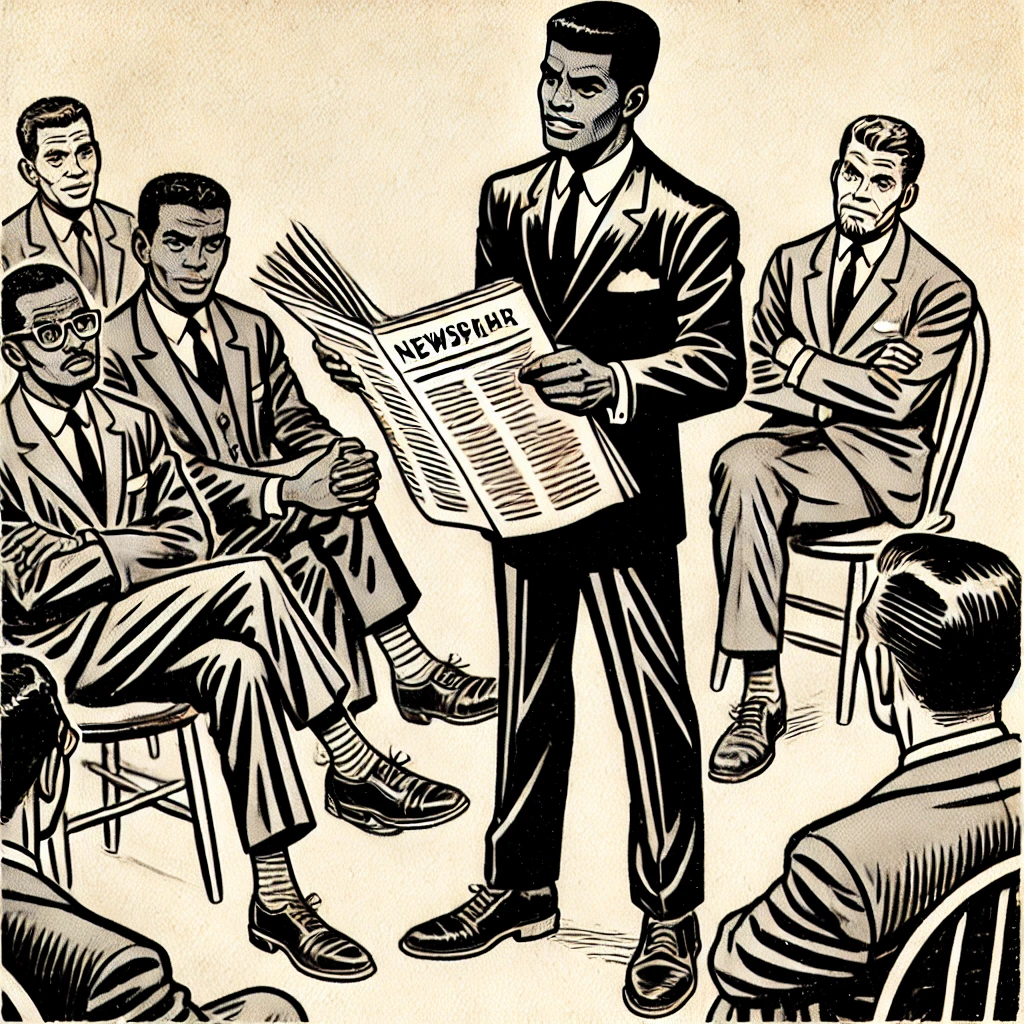
How to Turn $100 into a Wealth Machine (Actionable Finance for Beginners)

Most people think you need thousands to start building wealth — but what if I told you $100 is all it takes to start your journey toward financial freedom? The difference between staying broke and building wealth isn’t luck — it’s strategy. In this post, we’ll walk you through actionable ways to turn a single $100 bill into a long-term wealth machine that grows quietly in the background while you sleep. 🧠 1. Shift Your Mindset from Spending to Investing The first step to wealth isn’t about money — it’s about mindset. Most people see $100 as something to spend. Wealth builders see it as something to plant.When you start viewing every dollar as a worker that should be earning more dollars, you’ve already separated yourself from 90% of the population. Try this: instead of spending your next $100 on clothes or takeout, ask, “How can this $100 make me $5 every month?” That small shift creates a ripple effect that leads to long-term change. 📈 2. Choose Your Wealth Vehicle Wisely You don’t need a fancy degree or thousands in capital to start investing — you just need direction. Here are three proven ways to start with $100: The key is to get your money working. The earlier you start, the more time compound growth has to multiply your effort. 🔁 3. Use the “Flip & Reinvest” Cycle Here’s how to make small money turn into big money: This method allows your wealth to snowball safely while you still keep some profits. Consistency is the true secret weapon of wealth. 🏦 4. Automate Your Financial Growth Automation is the hidden power move the wealthy use every day. Set your apps or bank account to automatically move $10–$25 weekly into investments.By removing emotion from the process, you’ll build wealth even on days you forget to think about it. Automation + Consistency = Financial Freedom. 🔒 5. Protect and Multiply Once you’ve built a habit, focus on protection. Then, use your growing profits to fund new opportunities — from stocks and crypto to digital businesses or even family trust systems. That’s how small money becomes generational power. ✊🏾 Final Thoughts: It’s Not the Amount — It’s the System Wealth doesn’t start with a million dollars. It starts with $100 — and the discipline to repeat smart moves over time. When you control your habits, your money follows. Start today, not tomorrow. Because the $100 you save now could become the $10,000 your kids thank you for later. WealthMachine #BlackDollarAndCulture #GenerationalWealth #FinancialFreedom #InvestingForBeginners #CompoundInterest #SmartMoneyMoves #FinancialLiteracy #WealthBuilding #ActionableFinance
Black Entrepreneurs Who Built Their Own Economies
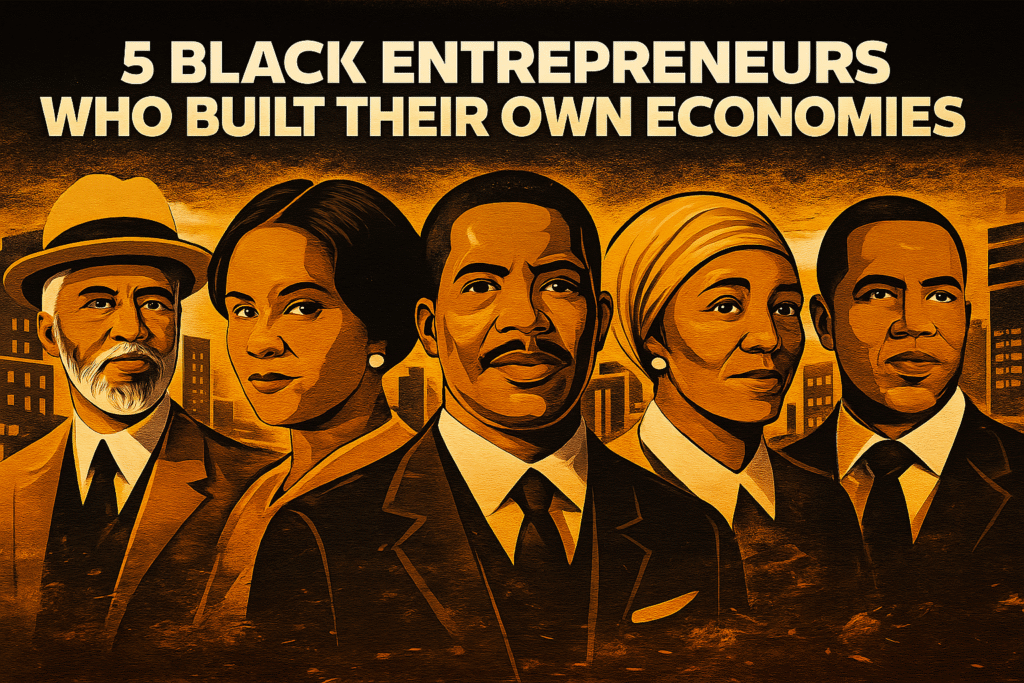
Picture a world where your last name is your business card.Where your ideas, not your zip code, decide your destiny.That’s exactly what these five Black entrepreneurs did — they didn’t just build wealth, they built economies. Each one created a system so powerful that their communities thrived long after they were gone.Let’s step into their stories — and learn the blueprints hidden in their brilliance. 1. O.W. Gurley – The Visionary Behind Black Wall Street Before there was Silicon Valley, there was Greenwood.And the man who sparked it all was Ottowa W. Gurley, a businessman who bought 40 acres of land in Tulsa, Oklahoma — and turned it into a Black paradise. He didn’t just build businesses; he built a self-sustaining economy.Gurley owned hotels, grocery stores, real estate, and a bank that funded other Black entrepreneurs. His vision was simple but revolutionary: “We can build it ourselves.” And for a time, they did — until the 1921 massacre tried to erase it. But the legacy of ownership Gurley left behind still fuels a generation ready to rebuild. 2. Madam C.J. Walker – From Washerwoman to Empire Builder Born to formerly enslaved parents, Sarah Breedlove, better known as Madam C.J. Walker, turned hair care into history. With $1.25 and a relentless spirit, she created the Madam C.J. Walker Manufacturing Company, empowering thousands of Black women as sales agents and entrepreneurs. Her business didn’t just sell products — it created opportunity.She hosted beauty conventions, trained business leaders, and built schools. By 1919, she became America’s first self-made female millionaire.Her secret wasn’t just hair cream — it was community reinvestment. 3. Reginald F. Lewis – The Billion-Dollar Strategist Reginald Lewis didn’t just dream big — he acquired big.In 1987, he purchased Beatrice International Foods for nearly a billion dollars, making him the first African American to own a company of that scale. His book, Why Should White Guys Have All the Fun?, is still a required read for anyone serious about business. Lewis understood leverage — using law, finance, and strategy to build empires instead of just working for them. He didn’t just break the glass ceiling; he bought the building. 4. Biddy Mason – The Real Estate Matriarch Born enslaved in Georgia, Biddy Mason walked from Mississippi to California — and walked straight into freedom. She saved every dollar she earned as a nurse and midwife, eventually buying land in Los Angeles.That land became part of what’s now downtown L.A. She built rental properties, funded schools, and donated to charities — all while teaching her community the value of ownership. When others saw poverty, she saw potential.Her motto might as well have been: “Own where you stand.” 5. Robert F. Smith – The Modern Mogul Fast-forward to today. Robert F. Smith, founder of Vista Equity Partners, is worth billions — but his impact runs deeper than his bank account. In 2019, he shocked the world by paying off the student debt of Morehouse College’s entire graduating class. But his real power move?He invests in Black tech companies, startups, and education — building an ecosystem that looks a lot like Gurley’s dream, but in the digital age. Smith shows that modern wealth is about multiplying opportunity. The Blueprint They Left Us Each of these icons used the same formula — even if they didn’t know it: That’s not just business — that’s legacy economics. Final Word: Rebuild the System They Started These five names aren’t just history — they’re homework.Because what they built, we can rebuild stronger. In 2025, our “economies” might look like online stores, stock portfolios, and digital products — but the principle is the same. Don’t just make money.Create circulation. Build systems. Teach the next generation. The next era of Black wealth won’t be found on Wall Street — it’ll be built in our homes, our communities, and our minds. #BlackEntrepreneurs #GenerationalWealth #BlackHistory #LegacyBuilding #BlackDollarAndCulture
The Secret Millionaires Use to Pass Down Wealth Tax-Free

Picture this: A billionaire passes away, and before the ink on the obituary dries, their family’s private banker is already moving millions into trusts — no probate, no taxes, no drama. Meanwhile, the average person’s family is stuck waiting, arguing, and watching half their inheritance disappear into Uncle Sam’s pocket. So what’s the secret? It’s not luck, and it’s not magic. It’s a quiet financial weapon called the Irrevocable Life Insurance Trust, or ILIT — the millionaire’s favorite tax-free money machine. Let’s pull back the velvet curtain and see how the wealthy keep their fortune flowing generation after generation. Lesson 1: The Game Is Rigged — Unless You Learn the Rules The wealthy don’t play checkers — they play chess.And the ILIT is one of their most powerful moves. Here’s how it works: instead of leaving life insurance directly to your family, you create a trust to own the policy. That means you don’t own the insurance — your trust does. And when you pass away, the payout goes straight to your heirs tax-free and lawsuit-proof.No court. No waiting. No IRS nibbling at your legacy. Lesson 2: The Secret Bank Inside Your Family Tree Imagine your life insurance policy as a family bank vault that never closes. Each generation can use it to: The key is this: the trust — not the individual — controls the cash. That means creditors can’t touch it, divorces can’t drain it, and taxes can’t eat it. It’s the ultimate “from the grave” wealth-building tool. Lesson 3: Privacy Is Power When a regular will goes through probate, it becomes public record.Anyone — from nosy neighbors to reporters — can look up your finances. But an ILIT?That’s private. No court hearings, no headlines, no uninvited hands in the cookie jar. Wealthy families don’t just protect money — they protect information. Lesson 4: The Setup Is Easier Than You Think Let’s break it down, step-by-step: Done right, this setup means your family could receive millions — 100% tax-free. Lesson 5: Why Millionaires Love ILITs (and You Should Too) They use them to: But here’s the kicker:You don’t have to be a millionaire to use it. Even a $250,000 life insurance policy inside an ILIT can change your entire family’s trajectory. The difference between “wealthy” and “well-off” is strategy. Lesson 6: The New Age of Trust-Based Wealth We’re in 2025 — the age of digital finance and family empowerment. The new Black Wall Street isn’t just buildings — it’s blueprints. Every Black family should have: The ILIT is our modern armor — the protection our ancestors never had but dreamed of. Lesson 7: Legacy Is the Real Luxury The next time someone flashes designer labels or a new car, remember:True wealth isn’t what you wear — it’s what your great-grandkids inherit. When you structure your life insurance through a trust, you’re not just leaving money — you’re leaving instructions, security, and purpose. And that’s how real dynasties are built. Final Word: Keep the Secret, Share the Strategy The wealthy won’t volunteer this information — but we will. Because our generation isn’t chasing checks; we’re building foundations. Don’t let your family be surprised by taxes when they could be celebrating freedom. Talk to an estate planner, create your ILIT, and become the banker your family never had. Because if they can do it — so can we.
The Hidden Lessons of Black Wall Street: Rebuilding the Blueprint of Wealth
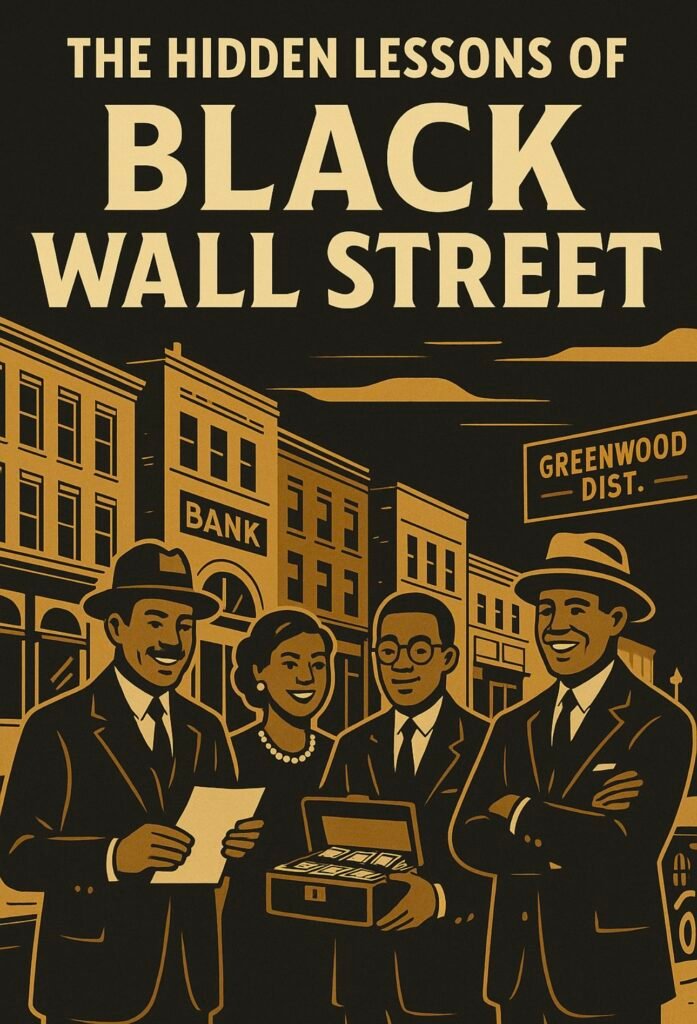
Picture this: It’s 1921 in Tulsa, Oklahoma. Greenwood Avenue glows with the shine of polished shoes and pride. Jazz hums through the air, Black-owned cars roll by Black-owned banks, and every storefront bears a family name that means something. They called it Black Wall Street — and for good reason. It was one of the most prosperous Black communities in America, where barbers, lawyers, doctors, and dreamers built an economy that said, “We’ll fund ourselves.” But there’s a side to this story that isn’t just about tragedy — it’s about strategy. Let’s uncover the hidden lessons of Black Wall Street and how we can rebuild that same spirit in 2025 and beyond. Lesson 1: Ownership Is the Ultimate Power When O.W. Gurley bought 40 acres of land in Tulsa, he didn’t just invest in dirt — he invested in destiny. He refused to wait for permission. Instead, he created a town where Black people owned hotels, grocery stores, banks, schools, and newspapers. Ownership gave Greenwood control over its economy. And that’s lesson number one: When you own, you decide. Today, we can take this blueprint into the digital age — through real estate, online stores, stocks, and intellectual property. The tools are different, but the principle is the same. Lesson 2: Circulate the Dollar — Until It Comes Back Home In Black Wall Street, the average dollar circulated 19 times before it left the community. Nineteen times! That means a dollar earned at the barbershop might pay for groceries, which paid a teacher, who spent it at the tailor, who deposited it in the community bank. It was an economic ecosystem that thrived on trust and togetherness. Today, our money leaves the community in seconds — through fast fashion, chains, and convenience. But what if we reclaimed that circulation digitally? What if every time we clicked “Add to Cart,” we asked: “Who does this purchase empower?” That simple question could rebuild an empire. Lesson 3: Education Was the Real Currency The entrepreneurs of Greenwood didn’t just make money — they understood it. They held financial meetings, mentored young people, and taught their children not just how to work for wealth, but how to protect it. Every business was a classroom. In 2025, our classrooms are podcasts, YouTube channels, and family meetings. The next Black Wall Street won’t be built on oil money — it’ll be built on information and innovation. Because knowledge is the new land. Lesson 4: Unity Over Ego Imagine hundreds of businesses thriving side by side — barbers supporting bankers, bankers supporting teachers, and teachers raising the next generation of entrepreneurs. That’s community wealth in motion. No competition. No envy. Just collaboration. Too often now, we think success means “me over you.” But in Greenwood, it meant “us over everything.” The next Black Wall Street won’t need permission — it’ll need participation. Lesson 5: Protect the Legacy with Structure Here’s what many never talk about: Greenwood’s tragedy wasn’t just the massacre — it was the loss of structure. Without insurance payouts or trust systems in place, families couldn’t rebuild. Generations of wealth disappeared overnight. That’s why, in our era, structure is survival. From LLCs to family trusts, from life insurance to business succession plans — we must build systems that outlive us. A business without a blueprint is a dream waiting to be erased. Lesson 6: The Spirit of Greenwood Still Lives When the smoke cleared in 1921, people assumed it was over. But many residents stayed, rebuilt, and reopened their businesses. That resilience is our inheritance. They proved that wealth is not about what you have — it’s about what you refuse to lose. And today, we honor them every time we buy Black, teach our kids financial literacy, or build something with our own hands. The spirit of Greenwood is alive every time we choose ownership over dependency. Lesson 7: Rebuilding in the Digital Age Here’s the truth: The next Black Wall Street won’t look like the old one. It’ll live on Shopify, YouTube, Stan Store, and investment portfolios.It’ll be families creating digital products, teaching finance on social media, and owning shares instead of just sneakers. The foundation hasn’t changed — just the platform. We don’t have to rebuild what was.We just have to reignite what is. Final Word: The New Greenwood Is You Black Wall Street wasn’t a place — it was a mindset. It was the belief that we can build, fund, and protect our own prosperity. And now, 100 years later, it’s our turn to take that torch. Whether you start a family bank, open a business, invest in a stock, or teach a child about compound interest — you’re part of the new movement. The hidden lesson of Black Wall Street isn’t that it was destroyed — it’s that it can rise again. Because wealth built with purpose never truly dies. #BlackWallStreet #TulsaHistory #GenerationalWealth #RebuildBlackWealth #BlackDollarAndCulture
How to Start a Family Bank in 2025: Turning Your Last Name into a Legacy

Picture this: It’s Sunday dinner. The smell of baked macaroni and cornbread fills the air. But instead of talking about who brought the potato salad, your family is discussing interest rates, dividends, and how the Jones Family Bank just funded your cousin’s first food truck. Sounds wild, right? But this is exactly what building a Family Bank looks like in 2025 — taking control of your financial future one generation at a time. Forget begging banks that never understood your story; it’s time your last name became the loan officer. What Exactly Is a Family Bank? No, it’s not a vault in your grandma’s basement (though she probably guards her savings tighter than Fort Knox). A Family Bank is a trust-based financial system that your family owns and controls. It’s where family members pool money, use life insurance as leverage, and invest collectively — whether in real estate, businesses, or education — all while earning interest from each other, not the bank down the street. It’s how wealthy families like the Rockefellers, Carnegies, and modern moguls keep wealth circulating within their bloodline. Step 1: Set the Vision — Not Just the Vault Before you dive into spreadsheets, gather your tribe. Sit down as a family and define what wealth really means to you. Is it freedom from debt? Owning property? Funding each generation’s education without Sallie Mae breathing down their neck? This step isn’t about money yet — it’s about mission. A Family Bank without purpose is like a vault with no key. Pro Tip: Create a “Family Constitution.” Write down your values, goals, and rules. It keeps everyone accountable and aligned when the zeros start stacking. Step 2: Choose the Right Structure — It’s Bigger Than a Savings Account The modern Family Bank in 2025 runs on legal protection and smart tax strategy. You’ll need a few key ingredients: Wealthy families aren’t lucky; they’re organized. Step 3: Fund It Like a Boss Here’s where the magic begins. Every Family Bank starts with seed money — and no, it doesn’t have to be a fortune. 💰 Funding Options: Before long, you’ll realize something powerful — the family becomes its own lender. Your niece’s college fund, your uncle’s food truck, or your sister’s salon expansion — all financed internally. No denials. No high interest. Just legacy. Step 4: Become Your Own Bank This is where 2025’s digital world makes it all easier than ever. You can use platforms like Trust & Will, LegalZoom, or Wealth.com to set up trusts. Pair that with Fintech tools like Monarch Money, Tiller, or even Notion dashboards for tracking the Family Bank. Automate deposits. Document everything. And treat it like a real institution — because it is. When someone borrows, they sign a promissory note. Interest gets paid back into the family pot. Your money keeps working — not just sitting. Step 5: Teach the Game — Pass the Playbook If only one person understands the system, you’ve created dependence, not dynasty. So schedule Family Wealth Meetings every month.Discuss goals, investments, and who’s up next to manage the ledger. Teach the kids how interest works and show them the family’s assets. Because wealth that isn’t taught eventually gets lost. “If you don’t teach your children how money works, someone else will — and it won’t be in their favor.” Step 6: Invest Like a Community The Family Bank’s money doesn’t just sit idle — it grows through collective investment. In 2025, you can invest together in: Every dollar circulating among you is a vote for your legacy. Step 7: Protect the Empire Once the system is rolling, you’ll want to make sure it lasts. ✅ Set up an estate plan so assets transition smoothly.✅ Make sure the trust has a successor trustee for leadership continuity.✅ Keep insurance policies updated to fund the bank long-term.✅ And remember: legacy is a relay race — not a sprint. The Family Bank in Action: A Quick Story Meet the Johnsons. In 2015, they started pooling $200 each month into a joint account. By 2025, that account evolved into a trust-funded Family Bank worth over $400,000. They’ve since financed two homes, a bakery, and a trucking business — all within their family. And here’s the kicker — the interest paid back made the next generation’s college fund even bigger. Now that’s how you flip the system. Final Word: From Survival to Ownership Starting a Family Bank isn’t just about stacking cash — it’s about rewriting history.It’s about saying, “We won’t wait for opportunity — we’ll fund it ourselves.” 2025 is the year families stop begging and start building.You don’t need a billion dollars, just a billion-dollar mindset — and a plan that keeps your name in circulation long after you’re gone. So next Sunday, when everyone’s passing the cornbread, pass around this blog too.Because the real revolution? It starts at your dinner table. #FamilyBank #GenerationalWealth #BlackDollarAndCulture #FinancialFreedom #LegacyBuilding
The Secret Millionaires Use to Pass Down Wealth Tax-Free

Understanding Wealth Transfer Strategies Wealth transfer is a critical concept in the realm of personal finance, particularly for high-net-worth individuals who aim to preserve and pass down their financial legacies. This process is significant not only for maintaining generational wealth but also for ensuring that future generations benefit from accumulated resources without facing excessive financial burdens. Wealthy individuals frequently prioritize tax-free mechanisms of wealth transfer to maximize the inheritance received by their heirs. The impact of taxes on inherited assets can be substantial; therefore, finding ways to minimize this tax burden is a pivotal concern. Taxation can dramatically reduce the amount of wealth inherited by the next generation. For affluent families, the importance of leveraging effective strategies to mitigate these taxes cannot be overstated. Wealth transfer strategies encompass a variety of techniques aimed at optimizing how assets are passed down, ultimately allowing for a greater retention of wealth within the family structure. One pivotal method employed by millionaires is the use of trusts. These legal entities can effectively separate the ownership and benefits of assets, enabling families to distribute wealth without incurring significant tax liabilities. Another common strategy involves gifting assets during one’s lifetime. This proactive approach allows individuals to transfer wealth to their heirs while still living, potentially taking advantage of annual gift tax exclusions, thereby reducing their taxable estate. Additionally, establishing family limited partnerships is another technique that provides both control and tax benefits, allowing family members to share in the business while minimizing their tax exposure. Through these various strategies, the wealthy are able to implement precise wealth transfer plans that ensure their assets remain intact for future generations, ultimately solidifying their financial legacy and fulfilling intentions of familial support. Understanding these techniques is essential for anyone looking to accumulate and pass down wealth efficiently and effectively. Trusts: The Backbone of Wealth Preservation Trusts are versatile legal entities that serve as crucial tools for affluent individuals seeking to pass down their wealth tax-free. These instruments help manage and distribute assets according to specific terms, thus fostering effective wealth preservation. Among the various types of trusts, revocable and irrevocable trusts stand out for their unique functions and benefits. A revocable trust, also known as a living trust, allows the grantor to maintain control over the assets during their lifetime. The grantor can alter, amend, or dissolve the trust at any time, providing flexibility. This type of trust is particularly advantageous for avoiding probate, the legal process of validating a will, thus ensuring that beneficiaries receive assets promptly after death. Furthermore, since the grantor retains control, the assets within a revocable trust remain subject to estate taxes. In contrast, an irrevocable trust entails a permanent transfer of assets, with the grantor relinquishing control once the trust is established. While this may seem limiting, the irrevocable trust offers significant benefits, such as safeguarding assets from creditors and effectively reducing taxable estate value. For affluent individuals, creating an irrevocable trust may be a strategic move to preserve wealth for future generations, as it mitigates the effects of estate taxes and secures assets for beneficiaries. Proper trust management is paramount in realizing the full benefits of these instruments. Wealthy individuals must engage in thoughtful planning to ensure that trusts align with their financial goals and family dynamics. Regular reviews and updates are necessary to adapt to changing laws or family circumstances. In summary, understanding and leveraging the appropriate trust types can serve as an invaluable mechanism for millionaires to ensure their wealth is passed down efficiently and without tax burdens, solidifying their financial legacy for future generations. Life Insurance Policies as Wealth Transfer Tools Life insurance has emerged as a strategic tool for wealth transfer among affluent individuals, enabling them to pass down prosperity to their heirs while circumventing substantial tax implications. Specifically, permanent life insurance policies, such as whole and universal life insurance, offer unique advantages that enhance their utility as wealth transfer vehicles. Unlike term life insurance, which only provides a death benefit for a limited period, permanent life insurance covers the insured for their entire life, supplying a death benefit and cash value accumulation that can be tapped during their lifetime. One essential feature of permanent life insurance is its ability to build cash value over time. This cash value grows on a tax-deferred basis, meaning that policyholders do not incur taxes on the growth until they withdraw funds. Additionally, policyholders can access this cash value through loans or withdrawals, providing liquidity that can be valuable for covering estate taxes or funding other financial needs. Thus, life insurance not only serves as a financial safety net but also as a means to enhance an individual’s overall estate planning. Naming beneficiaries on life insurance policies is another crucial aspect of wealth transfer. Funds paid out upon the insured’s death go directly to the beneficiaries, bypassing the probate process. This ensures that heirs receive the designated death benefit swiftly, thereby enhancing their financial security. Moreover, the proceeds from life insurance are generally exempt from income tax, providing a significant tax advantage over other forms of inheritance. This combination of tax efficiency and direct transferability makes life insurance a compelling option for those looking to leave a legacy. In conclusion, utilizing life insurance policies as a wealth transfer strategy offers numerous benefits, including tax advantages and the ability to provide liquidity for potential estate taxes. By carefully structuring these policies, individuals can ensure that their wealth is effectively passed down to the next generation. The Step-Up in Basis: A Hidden Gem for Heirs The concept of the “step-up in basis” is an essential tax provision that plays a significant role in wealth transfer strategies for many millionaires. Essentially, the step-up in basis allows heirs to inherit assets at their current market value rather than the original purchase price. This adjustment occurs at the time of the original owner’s passing. Consequently, the beneficiary’s basis in the asset is stepped up to its fair market value on the date of death, eliminating potential
The Life and Legacy of Assata Shakur: Understanding Her Death
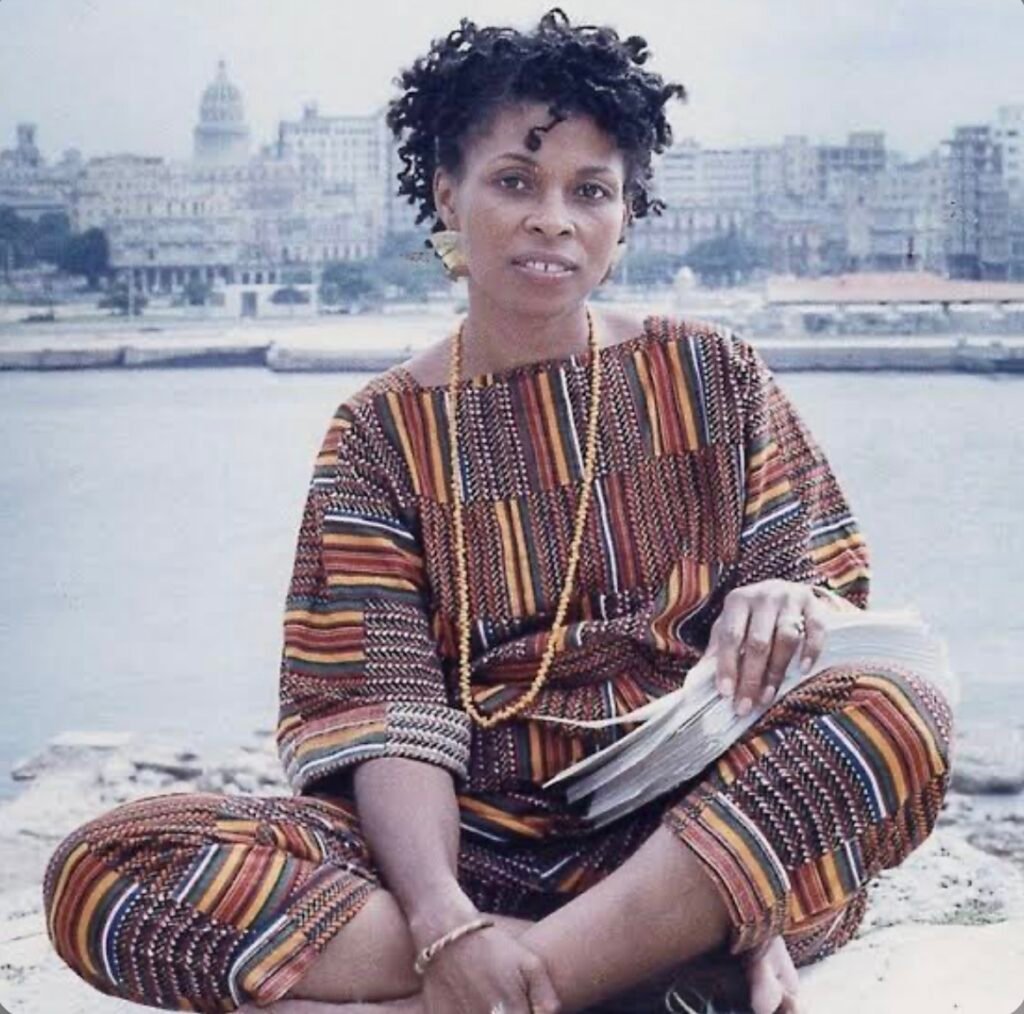
Introduction to Assata Shakur Assata Shakur, born Joanne Deborah Chesimard on July 16, 1947, in New York City, is a prominent figure in the history of American civil rights activism. Raised in a middle-class neighborhood, her early life was shaped by a strong sense of justice and an awareness of racial discrimination. Shakur pursued her education in the field of education, attending institutions such as City College of New York, where her political ideologies began to take shape in response to the racial injustices prevalent in society. Her activism soon led her to join the Black Panther Party in the late 1960s, where she became an influential member and a voice for marginalized communities. As tensions escalated during the civil rights movement, Shakur’s involvement with the Black Liberation Army further solidified her commitment to armed resistance and the fight for African-American liberation. She became an outspoken advocate against systemic oppression, championing issues such as police brutality, economic inequality, and racism. Her political writings and speeches inspired many, and she emerged as a leader in the struggle for civil rights. However, her activism also attracted scrutiny from law enforcement agencies, marking her as a controversial figure in the eyes of the establishment. The turning point in Shakur’s life came in 1973 when she was involved in a shootout with police officers, resulting in the death of a state trooper. Shakur was convicted of murder in a trial that many argued was unfair and politically motivated. Following her imprisonment, she successfully escaped and fled to Cuba, where she was granted asylum. Since her exile, Shakur has continued to advocate for social justice and equality, symbolizing the enduring struggle for freedom and liberation. Her life and legacy remain subjects of intense debate, making her a significant figure in the history of civil rights activism in the United States. Circumstances Surrounding Assata Shakur’s Death The life and legacy of Assata Shakur are often intertwined with the circumstances surrounding her death, which remains a subject of extensive debate and speculation. Born as JoAnne Chesimard, Shakur became a prominent figure in the Black Liberation Army and was ultimately convicted of murder in 1977 after a notorious encounter with New Jersey state troopers. However, the narratives regarding her supposed death have evolved over the years, leading to a complex web of theories and misinformation. Despite her conviction, Shakur’s death has never been substantiated, and many accounts suggest that she is alive, having obtained asylum in Cuba. Media portrayal of Assata Shakur has consistently shifted, focusing on her role within the Black Liberation Movement and her controversial trial. Reports detailing her alleged death can often be fragments of unverified information, with some labeling her as a fugitive, while others emphasize her resilience and continuing fight for social justice. Academic discussions further complicate the narrative, exploring the sociopolitical context of her activism alongside the implications of her legal battles. These discussions often point to systemic racism and injustices within the criminal justice system as critical understories that frame Shakur’s experience. Rumors and misinformation proliferate, fueling an ongoing public interest in Shakur’s life. The ambiguity surrounding her status opens avenues for speculation and debate, often overshadowing the realities of her activism. Reports of her supposed death can serve as potent reminders of how narratives can be manipulated, emphasizing the need for careful examination of sources and context. Shakur’s legacy, including her written works and speeches, continues to resonate with those engaged in civil rights activism, ensuring that her influence persists regardless of the unconfirmed accounts of her fate. Public Reaction and Significance of Shakur’s Death The death of Assata Shakur, a prominent figure in the Black Liberation Movement, elicited a profound and varied response from different sectors of society, notably among activists, supporters, and the general populace. When news of her passing circulated, the reaction was immediate, sparking a wave of grief, reflection, and mobilization. Many supporters viewed her as a symbol of resistance against systemic oppression, and her death was seen as a rallying cry to continue the fight for justice and equality. The emotional impact on her followers was significant, as it represented the loss of a figure who had transcended her individual experiences to embody a broader struggle. Communities, particularly those invested in social justice and civil rights, experienced Shakur’s death as a moment of reckoning. Her legacy as a revolutionary icon galvanized many to reassess their own roles within the ongoing struggle for racial justice. Activists organized vigils, memorials, and discussions to honor her life and contributions to the movement, thereby ensuring that her message remained alive and relevant. The sociopolitical implications of Shakur’s death cannot be understated; it stimulated conversations about the lingering effects of institutional racism, the plight of political prisoners, and the need for transformative change in the United States. In the years following her reported death, Shakur’s legacy has evolved into a touchstone for those engaged in anti-racist activism. It has inspired documentaries, books, and academic studies that delve into her life and impact, continuing to raise awareness about issues that she passionately advocated for. The public’s reaction to Shakur’s death has thus morphed into a collective call for action, urging the next generation to carry forward her ideals and challenges in quest of social justice. Ultimately, her life and contributions remain a vibrant part of the ongoing discourse surrounding racial and political struggles today. Assata Shakur’s Legacy and Continuing Influence Assata Shakur’s legacy transcends her personal narrative, positioning her as a pivotal figure in the ongoing discourse of social justice and equality. Born JoAnne Deborah Chesimard, her life has been emblematic of the struggle against systemic racism and oppression. After her controversial exile to Cuba, Shakur became an enduring symbol for various activist movements, from prison reform advocates to those fighting police brutality. Her influential autobiography, “Assata: An Autobiography,” has inspired countless individuals and organizations striving for racial justice. Shakur’s influence extends beyond her written words; her story has become a catalyst for contemporary activism. The Black Lives Matter movement,
The Fog Over St. Louis: Uncovering Cold War Secrets of Chemical Experiments

Introduction to Cold War Secrecy The Cold War, a period spanning roughly from the end of World War II to the early 1990s, marked an era of significant geopolitical tension between the United States and the Soviet Union. This confrontation fostered a climate of fear and suspicion, driving governments to unprecedented lengths in their pursuit of national security. As both superpowers sought to gain the upper hand, they engaged in extensive intelligence gathering and developed various strategies to counter perceived threats. Among these perceived threats were chemical and biological agents, which were considered potent tools of warfare. The fear of such threats necessitated a series of classified experiments designed to assess the impact and potential applications of these agents in urban environments. St. Louis, with its strategic location and diverse population, became a focal point for numerous clandestine tests. In these secretive endeavors, the implications for public health and safety were often overlooked or disregarded, raising ethical concerns that resonate even today. During this period of heightened anxiety, the U.S. government initiated various programs aimed at exploring chemical warfare possibilities. Many of these experiments were conducted without the informed consent of the population and lacked transparency. As a result, the secrecy surrounding these activities not only obscured the potential risks to communities but also cast a long shadow over scientific integrity. The Cold War era was characterized by a pervasive atmosphere of distrust, where the quest for knowledge and defense often came at a grave cost to human health and safety. Understanding the context of Cold War secrecy aids in comprehending the depth and scale of the chemical experiments conducted in St. Louis. It underscores the need to reflect critically on the ramifications of government actions taken under the guise of national security during a tumultuous period of history. The Secret Experiments in St. Louis During the 1950s and 1960s, St. Louis served as a key location for covert chemical experiments conducted by various government agencies. These initiatives were often shrouded in secrecy and aimed at understanding the efficacy of numerous chemical agents within urban environments. Predominantly, the experiments focused on dispersal methodologies to investigate potential applications in warfare scenarios. The agents employed varied from benign substances to toxic compounds, which were intentionally released into selected neighborhoods to study diffusion patterns and public health implications. The logistical operation of these secret experiments engaged local authorities in what was presented as routine aerosol research. Collaboration between city officials, law enforcement, and military personnel was deemed essential for the smooth execution of these tests. Unbeknownst to many residents, the experiments frequently utilized neighborhoods like Pruitt-Igoe for their unique urban layout, which was believed to provide rich data on human exposure and environmental impact. The decision to target certain areas demonstrated a stark disregard for the safety and well-being of the unsuspecting participants. St. Louis was not isolated in this regard; numerous other cities across the United States also became sites for similar experiments during the Cold War. Cities such as New York, San Francisco, and Chicago participated in varying degrees of testing, employing similar methodologies to assess public health risks associated with chemical agents. These urban trials contributed to a broader understanding of dispersal techniques, often under the guise of public health initiatives, leaving a lasting legacy of mistrust among residents. While at the time, these operations were justified under the perimeter of national security, they have since raised ethical concerns regarding the extent to which human subjects were used in experiments without consent or knowledge. Public Reaction and Impact on Residents The clandestine nature of the chemical experiments in St. Louis has left an indelible mark on the community, influencing both public perception and the long-term health outcomes of its residents. Initially, many individuals were unaware of the dangers lurking in their environment. The secrecy surrounding these experiments fostered a profound sense of betrayal when the truth began to surface. As information emerged revealing the government’s inadequate communication regarding health risks, residents voiced their outrage and concern. Many felt helpless, grappling with the realization that they had unknowingly been subjected to hazardous substances. Personal accounts from affected individuals illustrate the deep psychological scars left by these revelations. Some residents reported feelings of anxiety and mistrust towards public health institutions, exacerbated by fears for their families’ safety. Individuals noted experiences of depression and isolation as they navigated the uncertainty of potential health impacts stemming from chemical exposure. Furthermore, the realization that their community had been a testing ground for experiments led some to reinvestigate their symptoms and illnesses, instigating a search for answers that was frustratingly elusive. From a health perspective, studies have indicated a correlation between exposure to various chemical agents and adverse health outcomes among St. Louis residents. Concerns centered around respiratory issues, skin conditions, and possibly more severe diseases such as cancer have raised alarm within the community. Historical accounts of these issues emphasize the tragic irony that those who thought they were living in a safe and nurturing environment were unknowingly at risk. In contemporary discussions, the narrative surrounding these experiments has ignited a broader conversation about ethics and government transparency. Legal battles, public testimonies, and advocacy for tighter regulations reflect a growing demand for accountability. As St. Louis grapples with the legacy of these chemical experiments, the ongoing dialogue serves as a cautionary tale of the necessity for rigorous ethical standards in research, prioritizing the health and safety of communities over secrecy. Legacy and Lessons Learned The legacy of chemical experiments conducted during the Cold War in St. Louis serves as a critical lens through which we can assess the intersection of public health policy and military ethics. These experiments, often shrouded in secrecy, have left an indelible mark on both regulatory frameworks and public perception regarding chemical and biological threats. As a result, there has been an ongoing discourse regarding the ethical implications of conducting experiments, particularly in urban settings where civilian populations are present. One of the most significant outcomes of this legacy is
“Biddy Mason: The Black Woman Who Owned Los Angeles”

The Early Life of Biddy Mason Biddy Mason was born in 1818 in Hancock County, Georgia, into a life of enslavement. The conditions surrounding her early life were bleak; she was one of many individuals who faced the harsh realities of the antebellum South. Biddy was a property of a physician named Robert Marion Smith, which, at that time, severely limited her freedom and subjected her to a life of labor without compensation. The early years of her life were marked by arduous work and the constant threat of family separation, as enslaved individuals were often sold off to different owners. Biddy Mason’s childhood was fraught with challenges, not only due to the oppressive system of slavery but also because of the social and economic constraints placed upon her. Despite these adversities, she displayed an extraordinary spirit and resilience. Witnessing the sufferings of fellow enslaved individuals, she cultivated an understanding of the injustice that permeated her community. These formative experiences would later fuel her desire for freedom and the pursuit of equality. In the early 1850s, Biddy Mason and her family were brought to California, a state that had recently entered the Union and had laws that were ostensibly against slavery. However, the threat of re-enslavement loomed large. Biddy recognized that her moment to escape was at hand. With remarkable courage, she seized the opportunity to break free from bondage, setting forth towards emancipation. Her escape was a pivotal moment that changed her life forever, allowing her to embrace her fate as a free woman and eventually pursue her rights and opportunities in a new land. This backstory of her early struggles not only highlights the depth of Biddy Mason’s trials but also serves as a reminder of her unwavering determination. Her journey from enslavement to freedom laid a strong foundation for her future achievements and her legacy in Los Angeles. Biddy’s Journey to Freedom and New Beginnings Biddy Mason’s journey to freedom began in the oppressive environment of slavery in the deep South. Born into bondage in 1818, she faced numerous hardships that would shape her resilient character. However, a pivotal moment arrived in 1848 when she found the courage to escape. Fleeing from her enslaver, she embarked on a treacherous journey on foot toward California, a state that had passed laws prohibiting slavery. This courageous act not only represented a quest for her own freedom but also symbolized hope for countless others who yearned for a life without oppression. Upon her arrival in California, Biddy confronts the staggering challenge of starting anew. In a land where she should have been free, she faced the invisible barriers that often plagued newly liberated individuals, including limited access to resources and societal discrimination. Nevertheless, Biddy’s determination fueled her efforts as she settled in Los Angeles, a rapidly growing community at that time. She worked diligently as a nurse and a midwife, utilizing her skills to serve those around her. Her ability to navigate adversity exemplified her indomitable spirit and paved the way for her future achievements. Throughout her journey, Biddy encountered significant obstacles as a free Black woman in America. Economic hardships, social constraints, and systemic injustices presented challenges at every turn. However, her commitment to uplifting her community and aiding those in need became the cornerstone of her legacy. As she established herself in Los Angeles, her actions resonated within the community. Biddy Mason not only focused on her survival but also dedicated herself to advocating for the rights and well-being of others. In doing so, she carved a path for herself while simultaneously laying the groundwork for a brighter future for those around her. Building a Legacy: From Nurse to Entrepreneur Biddy Mason’s journey from enslaved nurse to successful entrepreneur is a remarkable example of resilience and vision. Born into slavery in 1818, she began her career as a nurse and midwife, providing critical care to those in need. Mason’s skills in healing were not only invaluable but also laid the groundwork for her future endeavors. As she built a reputation as a compassionate caregiver, her empathy and dedication became well-recognized within the community. After gaining her freedom in 1856, Mason seized the opportunity to embark on an entrepreneurial journey that would shape her legacy. Recognizing the real estate potential in the rapidly growing Los Angeles area, she strategically invested in land and properties, often at a time when African Americans faced immense challenges and discrimination in the marketplace. Her investments were astute; she purchased parcels of land that would appreciate in value, resulting in significant financial returns over time. This acumen for identifying profitable opportunities established her as a formidable figure in the business realm. Mason’s contributions extended beyond her financial success. She played a vital role in her community, particularly through her efforts to establish the first African American church in Los Angeles, the First African Methodist Episcopal Church. This institution not only provided spiritual guidance but also became a center for social and political activism in the face of systemic racism. Mason’s commitment to uplifting her community was evident in her philanthropic activities, supporting education and healthcare initiatives that benefited countless individuals. In her pursuit of success, Biddy Mason exemplified the entrepreneurial spirit that continues to inspire many today. Her foresight in real estate and dedication to her community solidified her legacy as a pioneer, highlighting the impact of African American women in shaping the urban landscape of Los Angeles. The Impact of Biddy Mason on Los Angeles and Beyond Biddy Mason’s legacy in Los Angeles transcends her personal achievements, as she significantly influenced the fabric of the community and the African American experience within the city. As a former enslaved woman who fought for her freedom, Biddy became a beacon of hope and resilience for many. Her journey from slavery to becoming a successful landowner is not merely a personal triumph but serves as a pivotal moment in the ongoing narrative surrounding race and property ownership in America. Mason utilized her newfound freedom and
70 Years Later: Unveiling New Records on the Emmett Till Case
The Crime That Changed a Nation Emmett Till’s visit to Money, Mississippi, in August 1955 was marked by a series of events that ultimately led to his tragic murder, a crime that would resonate through American history and galvanize the civil rights movement. At just 14 years old, Till, an African American boy from Chicago, traveled to the South to visit relatives. Unfortunately, during his stay, he encountered Carolyn Bryant, a white woman, in a local grocery store. It was alleged that Till had whistled at Bryant, a seemingly innocuous act that in the racially charged atmosphere of the Jim Crow South, quickly spiraled into accusations of impropriety. The subsequent abduction of Till by Bryant’s husband, Roy, and his half-brother, J.W. Milam, was a horrifying turning point. They brutally beat Till, ultimately resulting in his murder. His lifeless body was discovered several days later, weighted down in the Tallahatchie River. The sight of Till’s mutilated body was shocking, especially when his mother, Mamie Till-Mobley, made the courageous decision to hold an open-casket funeral. Images of her son’s disfigured face, made public by the press, struck a chord within the African American community and beyond. This tragic event illuminated the brutal realities of racial terror in the South and drew national attention. During the trial that followed, despite overwhelming evidence pointing to the culpability of Bryant and Milam, both men were acquitted by an all-white jury. This verdict, emblematic of the systemic injustices entrenched in the legal system, incited outrage across the nation. The public reaction to Till’s funeral and the trial undeniably catalyzed the burgeoning civil rights movement, highlighting the urgent need for social justice and reform. Emmett Till’s murder and the injustices surrounding his case continue to be important touchstones in the fight against racism and inequality in America. What the Records Reveal The recent release of documents related to the Emmett Till case provides a profound insight into the historical context surrounding this tragic event and the federal government’s response. The records encompass a variety of materials, including FBI investigations, Justice Department files, communications from the White House, and communications from the NAACP, reflecting a comprehensive look at the governmental and societal dynamics during the 1950s and 1960s. These records illustrate not only the federal government’s investigation processes but also how public outcry influenced national leaders’ responses to racially motivated violence. The FBI files reveal extensive details about the investigation following Till’s murder in 1955, highlighting the challenges faced by federal agents in pursuing justice for the young victim. Despite the overwhelming national outrage, these documents underscore how deeply entrenched racial prejudices impeded the quest for accountability. The contents also highlight correspondence between civil rights groups and governmental authorities, revealing a coordinated effort by activists to draw attention to the case and pressure officials to act. The NAACP’s involvement signifies the role that civil rights organizations played in advocating for justice, showing that public pressure was instrumental in prompting a federal response. Additionally, the communications from the White House provide a unique perspective on how leaders at the highest level approached the issue of racial violence. These documents indicate a growing acknowledgment of the need for civil rights reforms, reflecting a shift in public consciousness regarding race relations in America. Overall, the newly disclosed records are pivotal for understanding how the systemic handling of racially motivated violence was perceived and managed by governmental entities. They not only shed light on the specific case of Emmett Till but also on broader societal attitudes towards racial injustice during that era. From Injustice to Legacy The murder of Emmett Till in 1955 marked a pivotal moment in American history, igniting a nationwide outcry against racial injustice and sparking the civil rights movement. Till’s brutal death underscored the urgent need for systemic reforms and highlighted the pervasive nature of racial violence. His tragic story became a rallying point for activists and a testimony to the struggles faced by African Americans in their quest for equality and justice. Over the decades, Till’s legacy has been woven into the fabric of various civil rights initiatives. One of the significant legislative milestones that honor Emmett Till’s memory is the introduction of the Emmett Till Antilynching Act. This piece of legislation, which aims to explicitly define lynching as a federal hate crime, represents a crucial step toward addressing racial violence. The Act seeks to ensure that such heinous acts are met with appropriate legal consequences, highlighting the commitment to dismantling systemic racism. By naming the Act after Till, lawmakers have not only recognized his suffering but have also drawn attention to the ongoing issues of racial injustice that persist today. In addition to legislative advancements, Till’s legacy is further honored through the establishment of national monuments and memorials dedicated to his memory. These sites serve as educational tools, providing context and promoting dialogue around the histories of racism and resistance in America. They also remind us of the importance of activism and the responsibility of each generation to continue fighting for racial equality. Emmett Till’s story resonates profoundly in contemporary movements advocating for social justice, such as Black Lives Matter, illustrating the enduring impact of past injustices on current struggles for equity and civil rights. The echoes of Till’s murder still resonate clearly, reminding us of the necessity for ongoing advocacy against racial violence and discrimination in all forms. The journey from injustice to legacy is not merely a reflection of the past; it represents a continuous call to action in the pursuit of a more just society. Why It Matters Today Seventy years after the brutal murder of Emmett Till, the newly unveiled records have ignited a renewed discussion on racial injustice in America. These documents not only shed light on the grievous circumstances surrounding Till’s death but also underscore the enduring relevance of his story in contemporary society. The case serves as a stark reminder of systemic failures in the justice system that persist today. The lack of accountability and transparency in how