How to Turn Your Blog Into Passive Income
Word Count: ~1,250 So you’ve got a blog — or at least the dream of one.You’re dropping gems, sharing your voice, and building your brand… but let’s be honest — passion alone doesn’t pay bills. The goal isn’t just to write.It’s to own digital real estate that pays you while you sleep. And in 2025, blogs aren’t just online diaries — they’re automated businesses.Let’s talk about how to turn your blog into a machine for passive income that builds wealth, freedom, and legacy — Black Dollar & Culture style. 1. Treat Your Blog Like a Business, Not a Hobby If you post whenever you feel like it, it’ll pay you the same way — occasionally. The first step is structure. Create a plan and purpose.Decide what your blog will do for your readers and what it’ll do for you. Ask yourself: When you think like a business owner, every post becomes an investment — not just content. A blog is a business when it builds systems, not just sentences. 2. Build Trust Before You Build Traffic Forget viral numbers — focus on value and consistency. You want people to trust your voice enough to buy what you recommend, share what you write, and sign up for what you offer. Be authentic. Tell stories. Educate. Inspire.That’s how you create an audience that listens, not just scrolls. Because traffic means nothing if people don’t trust you. 3. Monetize Through Affiliate Marketing Affiliate marketing is the gateway to passive blog income. Here’s how it works:You recommend a product or service → Your readers click the link → You get paid when they buy. Simple, right?Now multiply that by every blog post you’ve written. Start by: Every time someone buys from your recommendation, you’re earning trust and residual income. 4. Add Digital Products Your blog is the perfect platform to sell your own creations — ebooks, courses, templates, checklists, or guides. Think about it: You’ve already built trust through your words. Now monetize that credibility. For example: Write once, sell forever.That’s digital ownership at its best. 5. Use Ads — The Right Way Ads can make you money, but the wrong setup can ruin your brand. Start with Google AdSense or ad networks like Mediavine once your traffic grows.But always remember: ads should support, not distract from your message. When done right, your blog earns income every time someone visits — even if they never buy a thing. 6. Build an Email List — Your Digital Goldmine Here’s the truth:Social media followers are rented. Email subscribers are owned. Use your blog to capture readers’ emails with a free gift — a guide, checklist, or mini-course.Then nurture that list with value, stories, and recommendations. Every email you send can earn money through affiliate links, digital products, or promotions. That’s passive income with personality. 7. Repurpose Your Content Everywhere Don’t let your words sit idle.Each blog post can become: The goal is simple: Work once, earn forever. Repurposing your content multiplies your reach — without multiplying your effort. 8. Automate Everything You Can The best passive income comes from systems, not sweat. Set up automation tools like: Automation doesn’t replace your creativity — it protects your time. 9. Play the SEO Game SEO (Search Engine Optimization) is how you turn Google into your unpaid promoter. Research high-value keywords your audience searches for — and write posts that answer those questions better than anyone else. Example:Instead of “Starting a business,” write “How to Start a Profitable Side Hustle in 2025.” Every optimized post is a 24/7 billboard for your brand. SEO isn’t magic. It’s ownership — of digital land on the internet. 10. Build Your Brand Beyond the Blog The most profitable blogs are part of a larger ecosystem — YouTube, email, digital products, and community. Use your blog to drive readers into your brand universe.Invite them to subscribe, follow, and invest in your world of value. You’re not just building a blog — you’re building a digital economy. Final Word: Turn Words Into Wealth Your blog isn’t just a platform — it’s a product. The difference between a blogger and a business owner?One writes posts. The other writes paychecks. So write with purpose.Build systems.And remember: every word you publish today can pay you tomorrow — if you structure it right. Because in the new economy, your voice is your business. #PassiveIncome #BloggingForProfit #BlackDollarAndCulture #FinancialFreedom #DigitalWealth
Provident Hospital: The Legacy Dr. Daniel Hale Williams Built Still Lives On

Word Count: ~1,250 In 1891, at a time when segregation ruled medicine and opportunity was locked behind color lines, Dr. Daniel Hale Williams didn’t wait for a seat at the table.He built his own table — and a hospital to go with it. That hospital was Provident Hospital in Chicago.And it didn’t just save lives — it changed history. Today, over a century later, its legacy still pulses through every Black doctor, nurse, and healthcare entrepreneur carrying forward Dr. Williams’ vision:Black excellence through ownership, education, and care. 1. A Hospital Born from Necessity — and Vision At the turn of the 19th century, Black patients were denied care in most hospitals.Black doctors couldn’t work, train, or even study in white institutions. Dr. Daniel Hale Williams — a man who refused to accept that barrier — saw only one option:“If they won’t let us in, we’ll build our own.” And so, in 1891, he opened Provident Hospital, the first Black-owned and operated hospital in the United States. It wasn’t just a hospital.It was a declaration: we will heal ourselves, educate ourselves, and build our own systems of excellence. 2. The Heartbeat of a Movement Provident wasn’t about exclusion — it was about inclusion.Dr. Williams opened the doors to all patients, regardless of race. That decision made Provident more than a medical institution — it became a model for equality and dignity in care. For decades, it served as the lifeline for communities that America’s healthcare system ignored.And it became the training ground for hundreds of Black doctors and nurses who would go on to break barriers worldwide. 3. The Surgery That Shocked the World Two years after founding Provident, Dr. Williams made medical history. In 1893, without modern anesthesia, x-rays, or advanced tools, he performed the first successful open-heart surgery in American history. His patient — a man named James Cornish — survived. That operation placed Dr. Williams among the great pioneers of modern medicine.And he did it all from inside a hospital built for people the world refused to acknowledge. Provident became proof that Black brilliance isn’t just talent — it’s innovation under pressure. 4. Training the Next Generation of Healers Provident wasn’t just a hospital — it was a school of excellence. Dr. Williams established a nursing program, one of the first in the nation to admit Black women.That program trained some of the most skilled nurses in America, including pioneers who went on to lead medical programs of their own. He understood something powerful: Healing the body means nothing if you don’t empower the hands that hold the instruments. His vision created not just health professionals, but leaders. 5. A Blueprint for Building Our Own Institutions Provident’s story holds a lesson every generation needs:When the system says “no,” build your own “yes.” That’s how every movement starts — not with permission, but with purpose. In the business world, in education, in tech — the same principle applies:Ownership is the only way to guarantee access. Dr. Williams’ vision was bigger than medicine — it was about self-determination.He showed that we don’t have to fight to be included; we can create systems that include us by design. 6. The Legacy Still Lives On Though Provident Hospital faced financial challenges over the years, its spirit never died.It’s still open today in Chicago’s South Side — a living monument to Black innovation and endurance. Its alumni and legacy continue through generations of Black healthcare professionals, many of whom trace their inspiration back to Dr. Williams. Every clinic built in our neighborhoods, every Black medical school graduate, every nurse breaking barriers — they’re all part of that ripple effect. Legacy doesn’t fade. It evolves. 7. Lessons for Today’s Builders and Dreamers Here’s what Provident’s story teaches every modern entrepreneur and dreamer: Dr. Williams didn’t just build a hospital.He built a model for every Black innovator: start with vision, lead with excellence, and never wait for validation. Final Word: The Legacy Beats On Provident Hospital was more than a building — it was a heartbeat. A heartbeat that said we belong in every room we build.A heartbeat that continues every time a Black doctor walks into an operating room, every time a young medical student raises their hand, every time we invest in our own. Dr. Daniel Hale Williams didn’t just heal hearts — he gave us one. And more than 130 years later, Provident’s heartbeat still echoes — reminding us that legacy never dies when it’s built on purpose. #ProvidentHospital #DanielHaleWilliams #BlackExcellence #BlackHistory #BlackDollarAndCulture
AI Tools Every Entrepreneur Should Know
Word Count: ~1,250 We’re living in an age where your business can have a full team — without hiring a single employee. No secretary, no editor, no marketing department — just AI. Artificial intelligence isn’t coming for entrepreneurs. It’s creating them.And if you learn how to use these tools right, you can run your entire business from your laptop, faster and smarter than most corporations. Let’s break down the AI tools every entrepreneur should know — especially if you’re building your brand, your hustle, or your legacy in 2025. 1. ChatGPT — Your 24/7 Business Partner You already know this one. 😉 But here’s how the real players use it: ChatGPT is your strategist, copywriter, and creative team — all rolled into one. The key is how you use it: give clear instructions, ask for tone and structure, and refine your prompts like a boss. The best entrepreneurs aren’t scared of AI — they train it to think like them. 2. Canva Magic Studio — Design Without a Designer Visuals sell — but not everyone’s a designer. That’s where Canva Magic Studio comes in.It uses AI to create logos, flyers, thumbnails, and even videos with drag-and-drop simplicity. No Photoshop degree needed. Just vision. This tool lets you compete visually with big brands — on a small budget. 3. Notion AI — The Brain Behind Your Business Entrepreneurs juggle a thousand ideas at once.Notion AI organizes them all. It helps you: Think of it as your digital headquarters — where creativity meets structure. Because real wealth isn’t built in chaos — it’s built in systems. 4. ElevenLabs — Give Your Brand a Voice If you’re creating content, this one’s a game changer. ElevenLabs lets you clone your voice or create a professional AI narrator for videos, courses, or podcasts. Perfect for YouTubers, coaches, and educators.Upload a script, pick your tone, and in seconds, you’ve got studio-quality narration. No mic, no studio, no noise.Just your message — loud and clear. Because in business, how you sound matters as much as what you say. 5. OpusClip — Turn Long Videos Into Viral Shorts Attention spans are shrinking, but views are growing.OpusClip helps you turn long-form videos into short, viral-ready clips automatically. It detects the best moments, adds captions, and formats everything for YouTube Shorts, TikTok, and Instagram Reels. Perfect for content creators, coaches, and educators trying to expand reach. In 2025, video is currency — and AI is your editor. 6. Durable — Build a Website in 60 Seconds Imagine typing one sentence — and a full website appears.That’s Durable AI. It builds professional websites with copy, images, and layout — instantly.You can edit and launch your business site in minutes, not weeks. For new entrepreneurs, this eliminates the biggest excuse in the book: “I don’t have a website.”Now you do — today. 7. Jasper — The Copywriter That Never Sleeps Need ad copy, emails, or product descriptions that sell?Jasper AI specializes in conversion writing. It knows how to write like a marketer — with persuasion, clarity, and emotion.It’s like having a top-tier copywriter on your team, without the salary. Pro tip: Use Jasper for your landing pages and ad campaigns, then refine it with your brand tone in ChatGPT. That’s how entrepreneurs save time and sound original. 8. Gamma — AI for Presentations & Pitch Decks If you’re pitching investors, teaching, or building a brand presentation — Gamma will make you look elite. Type your topic, and it creates clean, branded slides automatically — with matching colors, icons, and summaries. It’s PowerPoint for the AI generation — professional and effortless. Looking polished has never been this easy — or this automated. 9. Mixo — The AI Business Starter Want to launch a startup idea but don’t know where to start?Mixo.io helps you launch fast. It builds landing pages, collects emails, and tracks audience analytics — all powered by AI.You just describe your idea, and it does the rest. It’s the perfect tool for testing business concepts without wasting time or money. 10. Pictory — Turn Text into Video Don’t have video footage? No problem.Pictory turns blog posts, scripts, or articles into fully edited videos — with stock clips, voiceovers, and subtitles. Perfect for YouTube, Reels, or digital courses. In a world that watches more than it reads, this tool turns your words into visuals — instantly. Final Word: The Future Has No Excuses The beauty of this era?You don’t need investors, connections, or fancy degrees anymore. All you need is vision — and the right AI tools. AI isn’t replacing entrepreneurs.It’s replacing excuses. The only question left is: will you use it to scale your hustle, or will you let it pass you by? Because in 2025, the best entrepreneur isn’t the busiest one — it’s the one who’s automated and free. #Entrepreneurship #AITools #BlackDollarAndCulture #Automation #DigitalWealth
How to Build Wealth Without a 9 to 5

Word Count: ~1,250 Let’s be honest — most of us were raised to chase security, not freedom. We were told to “get a good job,” work 40 years, retire, and maybe enjoy what’s left of our life.But in 2025, that formula doesn’t work anymore. The 9 to 5 isn’t the villain — but it’s not the only path to wealth either.Because while a paycheck feeds you, ownership frees you. And today, we’re breaking down how to build wealth — on your time, your terms, and your vision — without clocking in. 1. Shift the Mindset from Worker to Owner Before you make a dollar, you have to make a decision. You’re not a worker trying to get ahead.You’re an architect designing your own economy. The wealthy don’t trade time for money — they trade systems for money.They create assets that work for them even when they’re sleeping. You can’t build wealth if your income stops when you do. That’s the difference between employment and empowerment. 2. Start with What You Know You don’t need to reinvent the wheel — just package your expertise. Ask yourself: That’s your foundation. Whether it’s cooking, tech, budgeting, or fashion — your knowledge can become your next income stream. Start with something small: Your mind is a million-dollar asset — start monetizing it. 3. Build Digital Assets, Not Just Side Hustles Side hustles are cool, but assets are better. A side hustle pays you once.A digital asset pays you forever. Build things that keep working when you don’t: Every time you create digital real estate, you’re adding another brick to your freedom wall. 4. Learn the Game of Money Most people work hard, but few understand money.To build wealth outside the 9 to 5, you have to learn how to multiply, not just earn. Start here: Wealth is built through discipline, not luck. 5. Turn Your Passion Into Profit Let’s stop pretending you can’t make money doing what you love. We’re in the era of monetized hobbies.People are getting paid for teaching chess, reviewing sneakers, or growing plants. Your passion, when paired with consistency and structure, becomes your brand. If you love it and it helps others, there’s a market for it.You just need the courage to start. 6. Build Systems — Not Stress You can’t outwork burnout, but you can outsmart it. Automate everything you can: Create one hour of value that pays you 100 times over. That’s not hustle — that’s strategy. The goal isn’t to escape work. It’s to own your work. 7. Protect What You Build As your money starts growing, structure it right: The wealthy don’t just make money — they make sure it stays in the family. 8. The Real Secret: Freedom Over Flexing Building wealth without a 9 to 5 isn’t about quitting your job overnight.It’s about creating options — income streams that give you flexibility. You might still work 9 to 5 — but now you have ownership from 5 to 9. Because the goal isn’t to escape work — it’s to escape dependency. Freedom means you choose how your time is spent, not your boss. Final Word: The New Definition of Work Our grandparents built America’s labor.We’re building its next economy. We don’t need to clock in to contribute.We just need to cash in on our creativity. So whether you write, design, teach, trade, or build — do it with ownership in mind. Because true wealth isn’t about how much you make.It’s about how long your money works after you stop. #FinancialFreedom #Entrepreneurship #BlackDollarAndCulture #WealthBuilding #PassiveIncome
What Rosewood Can Teach Us About Real Estate and Rebuilding Legacy
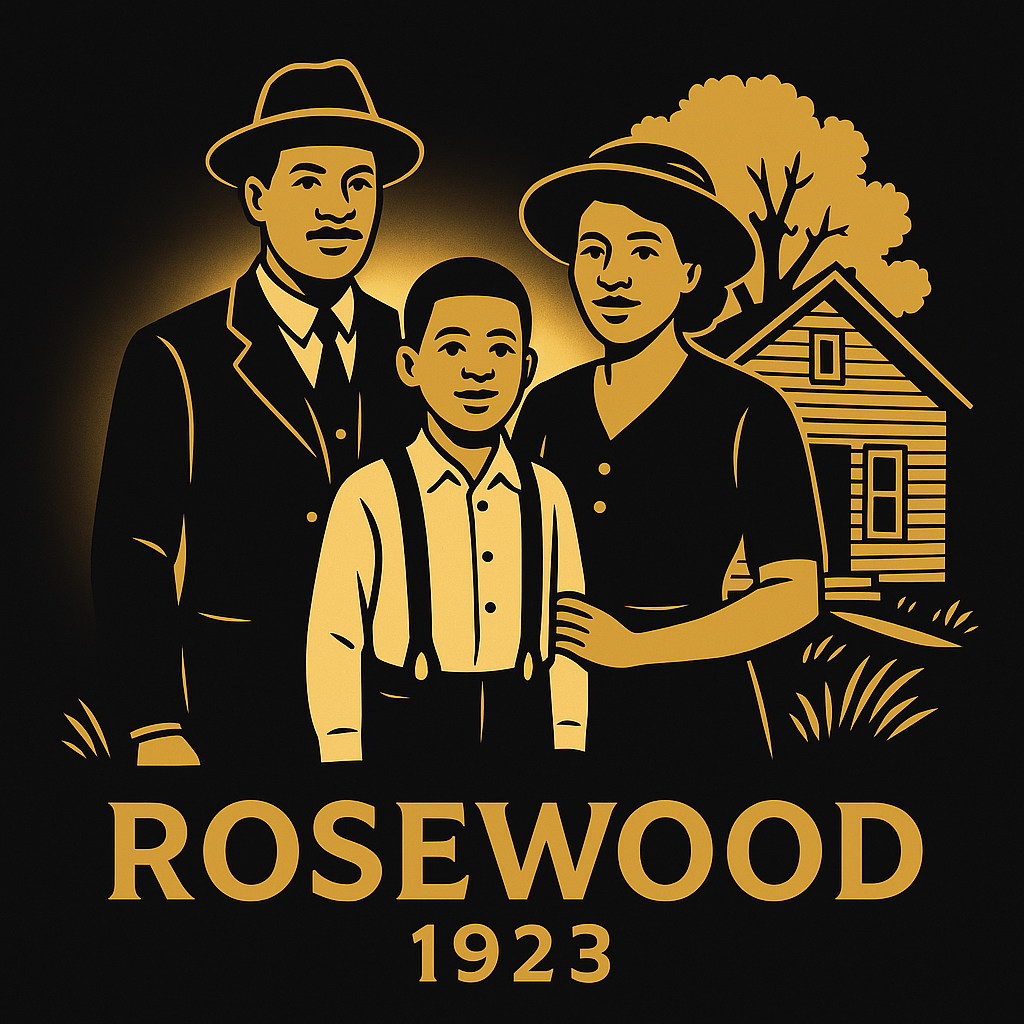
Word Count: ~1,250 There’s a small town that history tried to erase.A place that once stood as proof that Black ownership wasn’t a dream — it was a reality. That place was Rosewood, Florida. Before the flames and violence of 1923, Rosewood was a thriving, self-sustained Black community.Families owned land, ran businesses, and built wealth in peace — until jealousy and racism destroyed it all. But what they built — and what we can learn from it — still matters today. Because Rosewood wasn’t just a town. It was a template. 1. Ownership Was Their Foundation At the start of the 1900s, Rosewood was filled with Black-owned homes, farms, and businesses.Families owned hundreds of acres of land.They didn’t wait for handouts or equality — they bought freedom, acre by acre. That’s the first lesson Rosewood teaches us: You can’t build wealth on borrowed ground. Ownership is security.It’s the difference between surviving and establishing legacy. They knew that whoever owns the land controls the narrative. 2. Real Estate Was Power, Not Just Property In Rosewood, property wasn’t about status — it was about stability. That land gave Black families independence.They farmed it, built on it, and passed it down. They didn’t need approval from the outside world because they had what most people still dream of today — self-sufficiency. In today’s world of mortgages, Airbnbs, and high rent, the same rule applies: Land is still the greatest equalizer. 3. They Built Generational Systems Before the Term Existed The families of Rosewood weren’t just surviving — they were strategizing. Land was passed through generations.Businesses supported each other.Money circulated locally, feeding an ecosystem of teachers, farmers, and tradesmen. That’s the model we’ve drifted from — but can rebuild digitally and physically today. Ownership wasn’t a flex. It was a plan. 4. The Tragedy That Tried to Erase Wealth In January 1923, a lie — fueled by racism and hate — ignited violence that destroyed everything. Homes were burned. Land was stolen. Lives were taken.The wealth, the property, the inheritance — gone. And to make it worse, no one was held accountable.Rosewood’s families never received compensation until 1994, when Florida finally acknowledged the massacre. The message is haunting but clear: When we don’t protect what we own, history can repeat itself. That’s why legal protection — through trusts, insurance, and documentation — isn’t optional. It’s survival. 5. Protecting the Legacy: Modern Lessons from Rosewood Here’s what Rosewood teaches every Black family and entrepreneur in 2025: Rosewood’s story reminds us that wealth isn’t just built — it must be protected. 6. Rebuilding Rosewood Through Modern Real Estate The new “Rosewood” doesn’t have to be a small Florida town — it can be every community we rebuild. Today, real estate ownership looks different. It’s: Every plot of land, every business, every digital asset can be a piece of a modern Rosewood. The goal isn’t to rebuild what was lost — it’s to build something that can’t be burned again. 7. The Power of Remembering Rosewood’s pain is part of our collective memory — but so is its power. Every home we buy, every property we invest in, every legacy we protect — that’s justice. That’s how we turn tragedy into triumph. Because even when they tried to destroy Rosewood’s land, they couldn’t destroy the lesson it left behind: Land equals leverage. Ownership equals power. Legacy equals protection. Final Word: We Are the New Rosewood We don’t honor Rosewood by just remembering it.We honor it by rebuilding what it stood for. In every city, there’s a block waiting to be bought.A neighborhood waiting to be revived.A generation waiting to inherit structure, not struggle. Rosewood showed us what happens when we build — and what happens when we stop protecting what we’ve built. So let’s make sure our legacy doesn’t need rescuing — it just needs recording. Because the next Rosewood won’t be erased.It’ll be documented, digitized, and defended — forever. #Rosewood #BlackHistory #RealEstateInvesting #BlackDollarAndCulture #GenerationalWealth
How to Build a Digital Product Empire
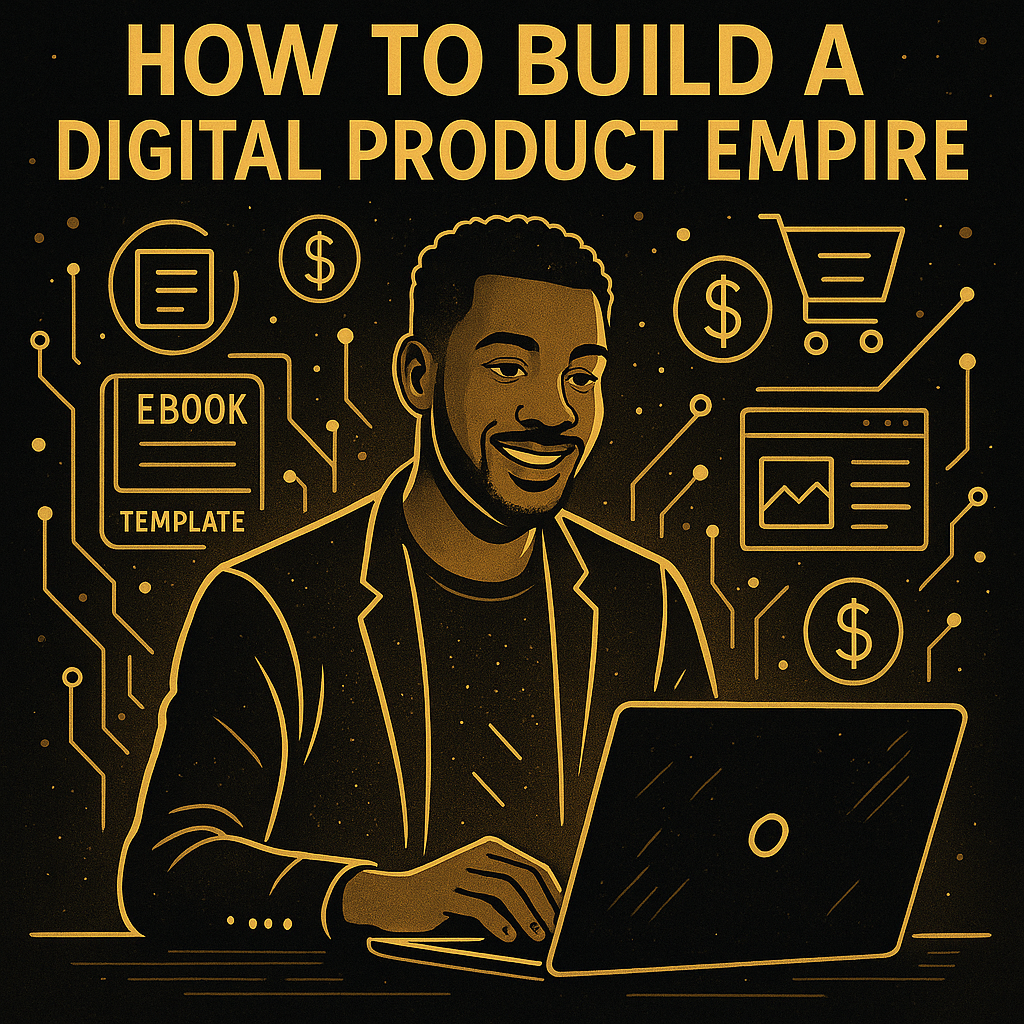
Picture this: You’re asleep, your phone’s on silent, and cha-ching! — a sale notification pops up.That’s not a dream — that’s digital product wealth. We’re living in an age where you can turn your knowledge, creativity, and culture into cash — no warehouse, no shipping, no gatekeepers. And while most people are waiting for a “perfect time” to start, others are already building digital empires that never close. Let’s break down how to build one — step by step — so your ideas start working for you 24/7. 1. Understand What a Digital Product Empire Really Is A digital empire isn’t just a few PDFs or an eBook. It’s a system — a network of products that build on each other, educate, and scale automatically. Think of it like this: Your empire = content that teaches, tools that solve problems, and systems that sell themselves. You’re not just selling files — you’re selling freedom. That’s the power of the digital age: you can be the creator, publisher, and distributor — all from your phone. 2. Find Your “Freedom Niche” Before you create, you’ve got to know who you’re serving.Ask yourself: That’s your niche — your sweet spot where passion meets profit. Whether it’s finance, beauty, parenting, fitness, or culture, the internet rewards clarity. 3. Start Small — But Think Big You don’t need a team or fancy software to start. You just need one good idea and the courage to share it. Start with one product: Then, build momentum. Every sale funds your next move. Remember: Walmart started with one store. Your empire starts with one file. 4. Build Your Digital Storefront If your product is the body, your website is the heartbeat. Set up shop with: Use your website as your digital headquarters — where content, trust, and income all connect. Pro tip: Invest in clean visuals, clear copy, and call-to-actions that pop. A great design sells before you even speak. 5. Automate the Empire Here’s where the magic happens: automation. Use tools to work for you: When you automate, your time becomes your greatest asset. Because your goal isn’t just income — it’s freedom. 6. Turn Customers into a Community Anyone can sell a product. Few can build a movement. Your empire grows when you turn buyers into believers.Host webinars, drop game on social media, and tell your story.People don’t just buy products — they buy purpose. When your brand speaks to culture, legacy, and impact — your community will build itself. 7. Reinvest Like a Boss Once your first wave of sales hits, don’t splurge — strategize. Reinvest into: Treat your empire like a business, not a hustle.Because hustles fade — but systems scale. 8. Make It Bigger Than Money Your digital empire isn’t just about profit — it’s about purpose. It’s about showing your family, your community, and your culture that wealth can be built digitally, not just physically. The same way our ancestors built towns and businesses brick by brick — we’re building digital legacies click by click. You’re not just making money online.You’re rewriting what ownership looks like in the modern world. Final Word: Your Empire Starts With a File Stop waiting for perfect timing — the internet doesn’t wait for anyone. Start now.Create something small.Launch, learn, and expand. Because in the digital age, every download is a doorway — to freedom, impact, and legacy. And the empire you’re dreaming about?It’s already in your hands — literally. #DigitalProducts #OnlineBusiness #BlackDollarAndCulture #PassiveIncome #GenerationalWealth
Why Every Family Needs a Trust — Not Just the Rich
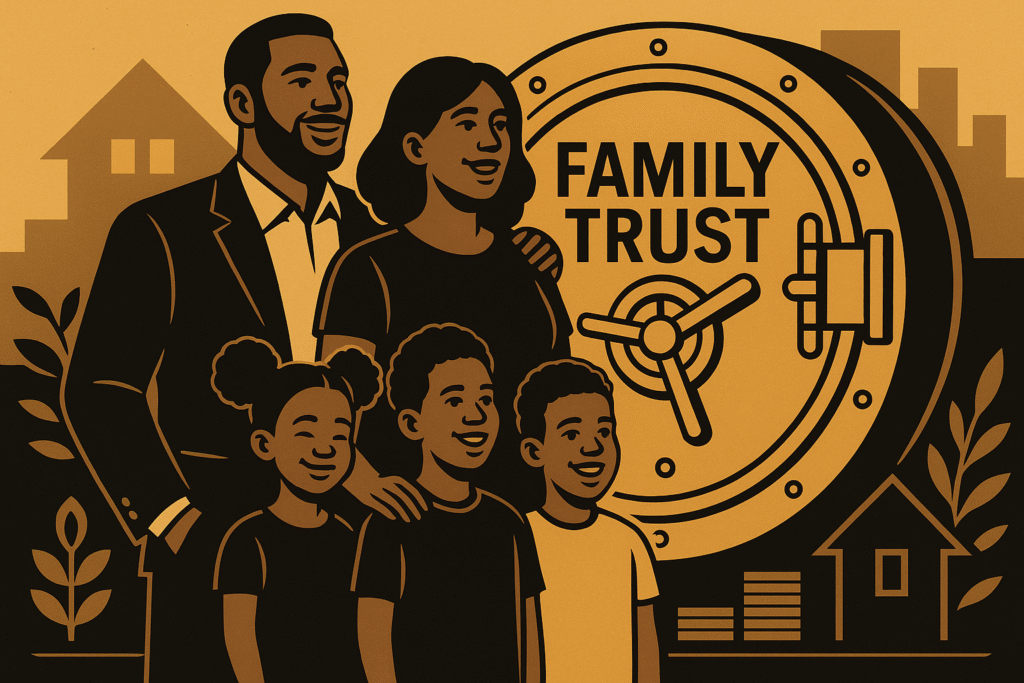
Let’s clear up a lie that’s been holding families back for generations:Trusts aren’t just for the wealthy — they’re how people become wealthy. When you hear the word “trust,” you probably picture old money, mansions, and names like Rockefeller or Vanderbilt. But here’s the truth:A trust isn’t a luxury — it’s a strategy.And in 2025, not having one might be the most expensive mistake your family ever makes. 1. Wills vs. Trusts: The Game They Don’t Explain Most families stop at a will — and that’s fine until it’s not. A will says who gets your assets when you die.A trust says how, when, and under what conditions they get it — all while skipping court, saving taxes, and keeping your business private. Wills go through probate, which can take months or years.Trusts go straight to your family — quietly, efficiently, and tax-free. The wealthy don’t wait for probate court — they pass power through paperwork. 2. What a Trust Really Does Here’s what a trust can do for any family: Think of it as your family constitution — a legal document that keeps your values, money, and mission alive long after you’re gone. 3. Why the Rich Use Trusts (and You Should Too) The ultra-wealthy don’t hide money under mattresses — they hide it inside trusts.They know that owning things in your name is risky. When your assets are inside a trust, you technically don’t own them anymore — your trust does.That means creditors, taxes, and even lawsuits can’t touch them. This is why millionaires can file bankruptcy but still keep mansions, cars, and land.Because ownership is an illusion — control is the real flex. 4. How to Set Up a Trust (Without a Million-Dollar Lawyer) Setting up a trust isn’t complicated anymore. Here’s how to start: Once it’s set up, your family has a private financial fortress. 5. The Biggest Lie: “I Don’t Have Enough for a Trust” This one hurts — because it’s how generational wealth keeps skipping our community. You don’t need millions to justify a trust.You need intention. If you own a home, have kids, or even a small life insurance policy — you have enough to protect. Trusts aren’t just for rich families — they’re for smart families. The goal isn’t to die rich. It’s to make sure your family doesn’t start over. 6. The Black Wealth Connection Let’s be honest — we’ve built wealth before.From Tulsa’s Greenwood District to Harlem’s Renaissance, we’ve shown the world what ownership looks like. But too many of those empires died with their founders because there was no structure to carry it forward. A trust ensures our brilliance doesn’t end — it multiplies. Imagine every Black family having a trust that funds education, businesses, and land ownership.That’s not a dream — that’s the next revolution. 7. The Future of Legacy: Your Last Name as a Brand Your trust is more than paperwork — it’s a family business plan. It says, “We’re not waiting for wealth; we’re engineering it.”Your trust becomes the vault that funds generations of dreamers, doers, and builders. Because the truth is, wealth isn’t what you leave behind — it’s what you set in motion. Final Word: Make Your Family the Institution In the end, this isn’t about money — it’s about power. We’ve been taught to work for companies with trusts and endowments while never building our own.But the moment you create a trust, your family becomes its own institution. No middlemen. No handouts. Just legacy. You don’t need to be rich to start a trust. You just need to be tired of starting over. #FamilyTrust #GenerationalWealth #BlackDollarAndCulture #FinancialFreedom #LegacyBuilding
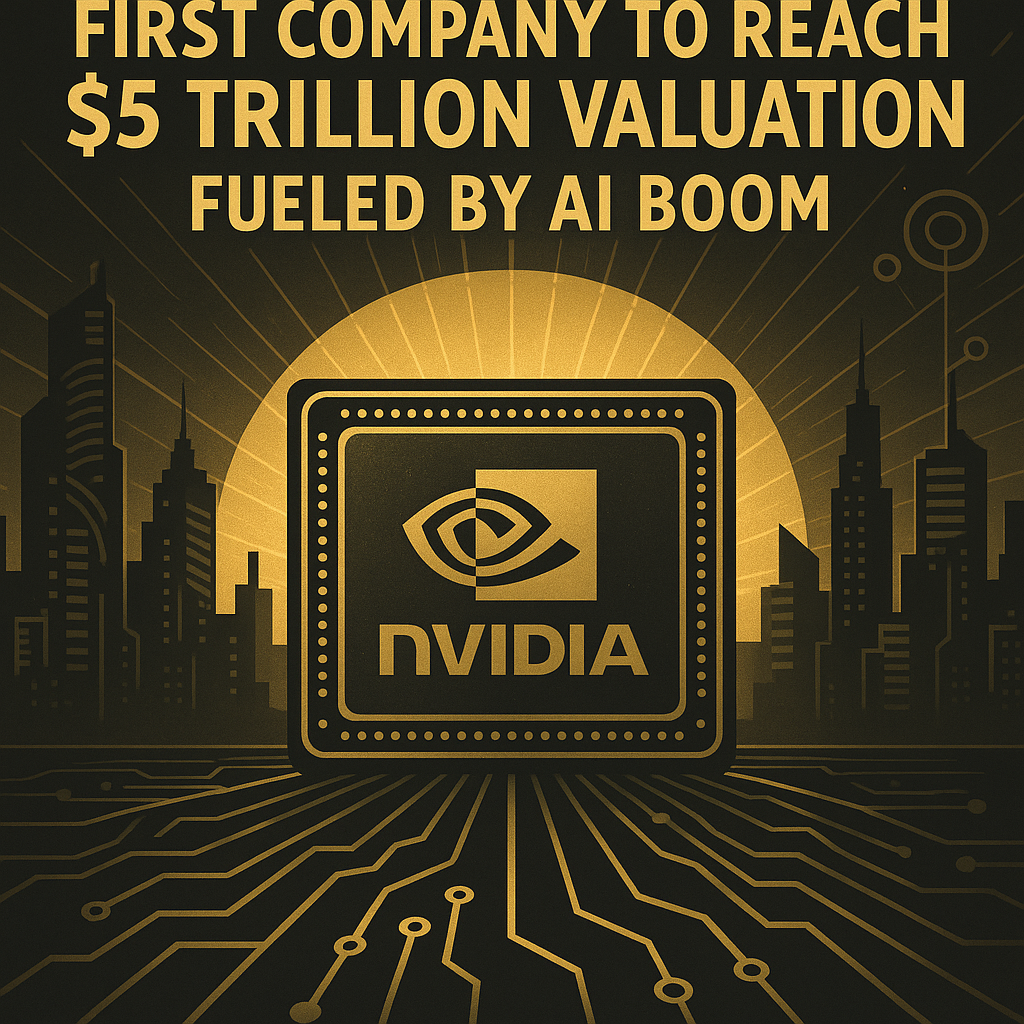
Nvidia Becomes the First Company to Hit $5 Trillion — Fueled by the AI Boom Let’s talk about the moment when tech history officially turned into a money marathon. The year is 2025, and Nvidia just sprinted past every other company on the planet to become the first to hit a $5 trillion valuation. Not Apple. Not Microsoft. Not Amazon.The new heavyweight champion of the financial world?A company that started making video game graphics — and ended up powering the brains of artificial intelligence. So how did Nvidia go from pixels to power moves? Let’s break it down. 1. From Gaming Chips to Global Domination Nvidia began in 1993 making GPUs — graphic processing units — so gamers could see smoother explosions and faster dragons.But those same chips turned out to be perfect for teaching AI how to think. Fast-forward three decades, and Nvidia’s chips are in everything from self-driving cars to ChatGPT-style systems — the hardware behind the entire AI revolution. You know how oil fueled the 1900s?Chips are the oil of the digital age.And Nvidia owns the refinery. 2. The AI Gold Rush — and Nvidia Sold the Shovels Here’s the genius: Nvidia isn’t selling AI apps — it’s selling the tools that make AI possible. Every startup, corporation, or researcher building AI models needs Nvidia’s chips.That means whether AI wins or loses, Nvidia still gets paid. When everyone’s digging for gold, the smart play is to sell the shovels. That strategy pushed Nvidia to record-breaking profits — and made its CEO, Jensen Huang, the most influential man in tech you’ve probably never met. 3. The Numbers Are Just Insane Let’s get real — $5 trillion is not just a number. It’s an era. Every major AI company — from OpenAI to Tesla — runs on Nvidia chips. If data is the new gold, Nvidia is Fort Knox. 4. What This Means for Everyday Investors If you own Nvidia stock — congratulations, you’re eating good. 🍽️ But for everyone else, this moment is more than headlines — it’s a wake-up call. The next generation of wealth is being built on AI infrastructure, not just ideas.That means the smartest investors aren’t chasing apps — they’re investing in the ecosystem that AI runs on. Think data centers, chipmakers, renewable energy, and automation companies. Don’t just use AI — own a piece of the companies that make it possible. 5. The Ripple Effect on the Black Business Community So what does this mean for us — the creators, entrepreneurs, and innovators in the Black community? It means opportunity.Because AI isn’t just replacing jobs — it’s creating new industries. Black-owned tech startups, content creators, and financial educators can leverage AI tools to scale faster and smarter.AI doesn’t care where you’re from — it rewards who’s prepared. If Nvidia can turn chips into trillions, imagine what happens when we turn culture into code. 6. The Future of AI Wealth Let’s be real — this $5 trillion milestone is just the beginning. We’re entering the “AI Wealth Era” — where entire industries will be rebuilt around data and automation. Education, healthcare, transportation, and finance are all on the verge of transformation.The question isn’t whether AI will dominate — it’s whether we will participate. The next Black Wall Street won’t be brick and mortar — it’ll be digital.And AI is the blueprint. Final Word: Don’t Watch History — Build From It Nvidia’s rise isn’t luck. It’s preparation meeting innovation.They didn’t just adapt to the AI boom — they powered it. That’s the lesson: If you can predict the wave, you don’t need to chase it — you can ride it. As AI reshapes the economy, this is our cue to learn, invest, and innovate.Because the next trillion-dollar idea might not come from Silicon Valley — it might come from someone reading this article right now. #AIBoom #Nvidia #FutureWealth #BlackDollarAndCulture #TechRevolution
The Truth About AI and the Future of Black Business: Building Future Wealth

The year is 2025, and artificial intelligence isn’t coming — it’s already here.It’s in your phone, your favorite store’s checkout, your car, your job, and maybe even your competition. AI is changing how we live, learn, and earn. But here’s the million-dollar question: 👉 Will Black businesses be left behind — or will we use AI to build the next Black Wall Street of the digital age? Let’s break down the truth, the threat, and the opportunity behind AI and the future of Black wealth. 1. The AI Revolution Is the New Industrial Revolution Back in the 1900s, it was oil, railroads, and steel.Today, it’s data, automation, and algorithms. AI is automating everything — from customer service and content creation to investing and logistics.And while some are nervous about job losses, others are quietly using AI to create empires. If you can teach a machine to work, you can free yourself to own.And that’s the mindset shift we need. The people who own the technology will own the future economy. 2. The Hidden Threat: Automation Without Inclusion Let’s be real — AI doesn’t discriminate, but the systems built around it often do. If Black entrepreneurs don’t get involved now, the wealth gap could widen faster than ever.AI will replace repetitive jobs first — the same jobs where many of us start our businesses or careers. That’s why we can’t just use AI; we have to create with it.Build apps. Train AI models. Use data that represents our communities. Otherwise, we’ll be living in a world coded without our voice. 3. The Opportunity: Ownership Over Obedience AI can write business plans, generate content, manage social media, handle accounting, and analyze markets — all for free or at a fraction of the cost. That means the playing field just leveled for every hustler with Wi-Fi. The same way TikTok made anyone a content creator, AI can make anyone a business owner. Imagine automating your marketing, building your website, and analyzing your sales — while you sleep. We’re not competing with robots — we’re collaborating with them. 4. Building Future Wealth with AI Here’s how Black entrepreneurs can use AI right now: AI is the new employee who never sleeps, never complains, and never asks for overtime. 5. The Power of Community in a Digital World When we think of “community,” we picture block parties and barbershops.But in the AI era, community is data. It’s your audience, your followers, your customers — the people who trust your voice. If we unite digitally like our ancestors did physically, we can create our own algorithms.AI trained on our culture, our values, our stories. That’s not just diversity — that’s digital empowerment. 6. The Black Business Playbook for the AI Era If you want to thrive in the new economy, adopt this mindset: The future belongs to those who combine creativity with code. 7. The Future of Black Wealth Is Digital Ownership We once built wealth through land and labor.Now, it’s built through code and content. AI will either be the great equalizer or the great divider — and which one it becomes depends on how we respond today. Black businesses can use AI not to replace people but to amplify power. The goal isn’t to keep up with technology — it’s to make technology keep up with us. Final Word: We Are the Architects of the Future The truth about AI isn’t that it’s taking over — it’s that it’s handing over opportunity to those who dare to grab it. Our ancestors built from nothing.We’re building from knowledge. This is our time to shape the future — to make sure the next era of wealth doesn’t skip our people, our culture, or our legacy. So the question isn’t, “Will AI replace us?”The real question is:Will we use AI to replace the limits we’ve been living under? #AIandBlackBusiness #FutureWealth #BlackEntrepreneurs #BlackDollarAndCulture #DigitalOwnership
The Forgotten Black President Who Ended Slavery in Mexico: Vicente Guerrero
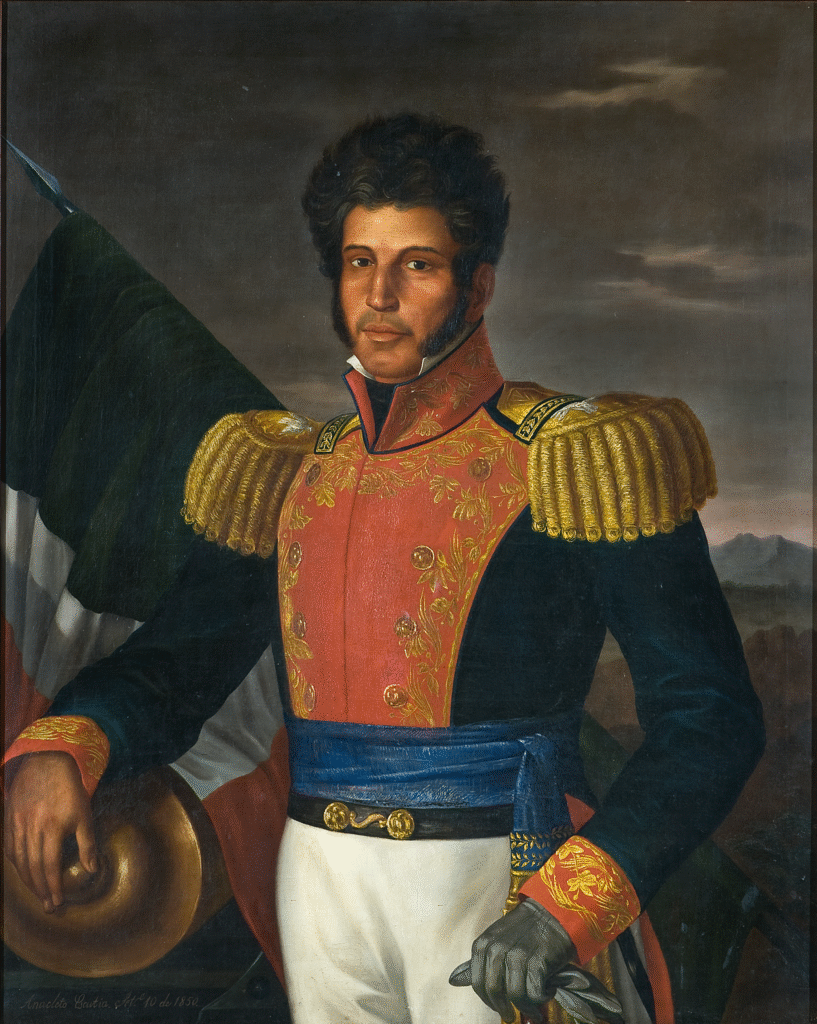
He ended slavery in Mexico — and they never taught you his name. 🕰️ The Untold Story of Vicente Guerrero Long before Abraham Lincoln signed the Emancipation Proclamation, a man of African and Indigenous descent changed the course of history in Mexico. His name was Vicente Ramón Guerrero, and in 1829, he became the second president of Mexico — and the first of Afro-Mexican heritage. Born in Tixtla, Mexico, in 1782, Guerrero was the son of a mule driver. He grew up in poverty but carried a spirit that no empire could break. When the Mexican War of Independence erupted in 1810, Guerrero joined the revolutionaries fighting to end Spanish rule. While others gave up or surrendered, Guerrero refused. His rallying cry — “Mi patria es primero” (My homeland comes first) — became a symbol of resistance and freedom. ✊🏾 From Freedom Fighter to President After years of battle, Mexico gained its independence in 1821. Guerrero emerged as a national hero, respected for his loyalty to the people. By 1829, he rose to the highest office in the land — President of Mexico — a monumental achievement for a man of mixed African and Indigenous heritage during an era of deep racial inequality. But Guerrero wasn’t interested in power — he was driven by justice.One of his first acts as president was to abolish slavery throughout Mexico. This was over 30 years before Lincoln, and decades before most of the world followed. With one decree, Guerrero freed countless enslaved people and forever changed the social fabric of his country. Betrayal and Execution Guerrero’s presidency was short-lived. His progressive reforms angered wealthy elites and colonial loyalists who wanted to preserve power. His own vice president, Anastasio Bustamante, led a coup to remove him from office. In 1831, Guerrero was captured, put through a sham trial, and executed by firing squad. Yet even in death, he remained a symbol of courage and equality. The Mexican state of Guerrero now bears his name — a tribute to the man who dared to defy oppression and uplift humanity. Why Vicente Guerrero’s Legacy Matters Today Guerrero’s story reminds us that Black history is world history.He stands among global freedom fighters who fought for justice, equality, and self-determination — long before it became fashionable. For the Black diaspora, his life challenges us to look beyond borders and recognize how deeply our struggles and victories are intertwined. Guerrero showed what happens when a man from humble beginnings uses his power for the people — not profit. In today’s world, where automation, greed, and inequality are growing again, his spirit is a call to action:Lead with courage. Build with unity. Protect your people. 🖤 The Legacy Lives On Vicente Guerrero was more than a president — he was proof that greatness can rise from any background.He showed the world that freedom has no color, and equality has no border. Let’s keep his name alive.Let’s keep his mission alive.Because when we honor our ancestors, we invest in our own legacy.